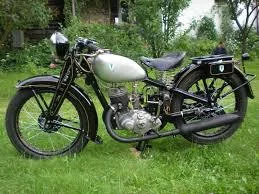
DKW Block 300
Key specifications
Overview
### The 1933 DKW Block 300: A Pioneer of Sport Motorcycling Step back into the golden era of motorcycling with the 1933 DKW Block 300, a model that stands as a testament to innovation and performance in the sport category. Emerging from the renowned German manufacturer DKW, this motorcycle encapsulates the spirit of adventure that defined the early 20th century. With its sleek lines and robust engineering, the Block 300 quickly became a favorite among enthusiasts for its spirited performance and reliability, making it a notable contender in the burgeoning sport motorcycle market of its time. At the heart of the DKW Block 300 lies its dynamic 292cc single-cylinder, two-stroke engine, a configuration that offers a delightful blend of power and efficiency. Its bore and stroke measurements of 74.0 x 68.0 mm ensure that this engine delivers a punchy performance, making it agile and responsive on winding roads. The air-cooled setup is paired with a two-gear carburettor system, resulting in a lively ride that can achieve an impressive fuel consumption rate of 3.50 litres per 100 km, translating to approximately 67.21 miles per gallon. Riders will appreciate the smooth shifting of the 4-speed gearbox, allowing for an exhilarating experience whether navigating city streets or cruising through the countryside. One of the standout features of the DKW Block 300 is its pressed steel frame, which not only contributes to the motorcycle's lightweight design—just 123 kg when fully fueled—but also enhances its rigidity and handling. The expanding drum brakes at both the front and rear provide reliable stopping power, instilling confidence in riders as they tackle sharp turns or quick stops. However, the absence of rear suspension may present a challenge for some; nonetheless, the minimalist design and classic aesthetics of the Block 300 resonate strongly with vintage motorcycle enthusiasts who appreciate the raw, unfiltered riding experience. ####
Pros
Cons
- Lightweight and Agile: Weighing in at just 123 kg, the Block 300 offers nimble handling and responsiveness, making it perfect for spirited rides.
- Fuel Efficiency: With a consumption of 3.50 litres per 100 km, this motorcycle is impressively economical, allowing for longer journeys without frequent refueling.
- Classic Aesthetics: The design embodies the charm of early 20th-century motorcycling, appealing to collectors and enthusiasts who value vintage style.
- Limited Suspension: The absence of rear suspension can lead to a harsher ride on uneven surfaces, which may not suit every rider's preference.
- Basic Braking System: While the drum brakes provide adequate stopping power, they may not match the performance of modern disc brakes, especially in high-speed scenarios.
- Single-Cylinder Limitations: While the engine delivers spirited performance, it may lack the power and smoothness expected by riders accustomed to multi-cylinder motorcycles.
Technical details
Source specification data
- Make
- DKW
- Model
- Block 300
- Category
- Sport
- Gearbox
- 4-speed
- Ignition
- Battery-
- Fuel System
- Carburettor. Zweihebel-Framo B
- Bore X Stroke
- 74.0 x 68.0 mm (2.9 x 2.7 inches)
- Displacement
- 292.00 ccm (17.82 cubic inches)
- Cooling System
- Air
- Engine Details
- Single cylinder, two-stroke
- Fuel Consumption
- 3.50 litres/100 km (28.6 km/l or 67.21 mpg)
- Greenhouse Gases
- O2
- g/km. (
- O2
- -
- Carbon
- dioxide emission)
- Transmission Type Final Drive
- Chain
- Fuel Capacity
- 12.50 litres (3.30 gallons)
- Weight Incl Oil Gas Etc
- 123.0 kg (271.2 pounds)
- Seat
- Solo seat with springs
- Wheels
- Spoked
- Rear Tyre
- 3.5-25
- Frame Type
- Pressed steel
- Front Tyre
- 3.5-25
- Rear Brakes
- Expanding brake (drum brake)
- Front Brakes
- Expanding brake (drum brake)
- Rear Suspension
- None