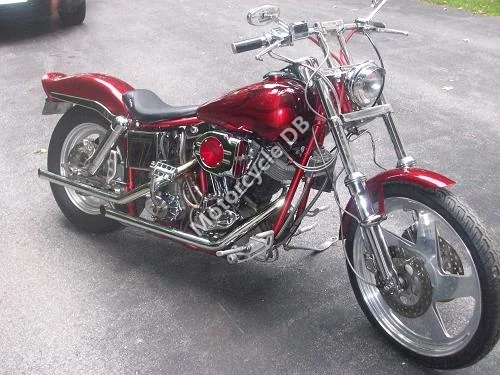
Harley-Davidson FXSB 1340 Low Rider
Key specifications
Overview
### Introducing the 1982 Harley-Davidson FXSB 1340 Low Rider The 1982 Harley-Davidson FXSB 1340 Low Rider stands as a classic symbol of the custom-cruiser genre, embodying the spirit of freedom and rebellion synonymous with the Harley brand. Designed for those who crave both style and performance, this motorcycle captures the essence of the American road. With its low-slung design, wide handlebars, and distinctive styling, the FXSB Low Rider was engineered to appeal to riders looking for a unique blend of comfort and raw power. It carved out a niche in the market as a bike that could easily transition from city streets to open highways, making it a favorite among enthusiasts and casual riders alike. ### Engine Performance and Riding Characteristics At the heart of the FXSB 1340 is a robust V2, four-stroke engine with a displacement of 1337 ccm (81.58 cubic inches), delivering a respectable 67 horsepower at 5,800 RPM. This powerplant, with a compression ratio of 7.4:1 and a bore and stroke of 88.8 x 108.0 mm, provides smooth acceleration and impressive torque throughout the rev range. Riders can expect a top speed of 165 km/h (102.5 mph), making it a thrilling option for those who enjoy a bit of adventure on the open road. The four-speed gearbox and chain final drive offer a responsive riding experience, allowing for quick shifts and ample power delivery. Whether you’re cruising along the coast or navigating through city traffic, the FXSB delivers a confident and exhilarating ride. ### Key Features and Technology The 1982 FXSB Low Rider doesn’t just excel in performance; it’s also packed with features that enhance both comfort and control. The dual disc front brakes ensure impressive stopping power, while the single disc rear brake provides balance and reliability. The motorcycle’s design emphasizes stability and handling, thanks to its sturdy chassis and well-tuned suspension. With a weight of approximately 289 kg (637 pounds) and a fuel capacity of 13 liters (3.43 gallons), the FXSB is designed for long rides without frequent stops. It’s an iconic bike that not only turns heads but also inspires riders to hit the road and explore. ###
Pros
Cons
- Classic Styling: The Low Rider's timeless design appeals to vintage enthusiasts and modern riders alike.
- Smooth Performance: With a strong V2 engine, riders enjoy smooth acceleration and impressive torque.
- Comfortable Ride: The low seat height and relaxed riding position make it suitable for longer journeys.
- Weight: At 289 kg, the bike can feel heavy, especially for new riders or in tight maneuvering situations.
- Limited Passenger Comfort: The seating arrangement may not provide the best comfort for long rides with a passenger.
- Fuel Capacity: With only a 13-liter tank, fuel stops may be more frequent on longer trips compared to more modern cruisers.
Technical details
Source specification data
- Make
- Harley-Davidson
- Model
- FXSB 1340 Low Rider
- Category
- Custom-cruiser
- Power
- 67.00 HP (48.9 kW)) @ 5800 RPM
- Gearbox
- 4-speed
- Top Speed
- 165.0 km/h (102.5 mph)
- Bore X Stroke
- 88.8 x 108.0 mm (3.5 x 4.3 inches)
- Compression
- 7.4:1
- Displacement
- 1337.00 ccm (81.58 cubic inches)
- Cooling System
- Air
- Engine Details
- V2, four-stroke
- Valves Per Cylinder
- 2
- Transmission Type Final Drive
- Chain
- Fuel Capacity
- 13.00 litres (3.43 gallons)
- Weight Incl Oil Gas Etc
- 289.0 kg (637.1 pounds)
- Rear Tyre
- MT 90-16
- Front Tyre
- MJ 90-19
- Rear Brakes
- Single disc
- Front Brakes
- Dual disc
Compare the Harley-Davidson FXSB 1340 Low Rider with rivals
- Head-to-headHarley-Davidson FXSB 1340 Low Rider vs Harley-Davidson FXRS 1340 SP Low Rider Special Edition (reduced effect)
- Head-to-headHarley-Davidson FXSB 1340 Low Rider vs Harley-Davidson 1340 Springer Softail (reduced effect)
- Head-to-headHarley-Davidson FXSB 1340 Low Rider vs Harley-Davidson 1340 Electra Glide Ultra Classic (reduced effect)
- Head-to-headHarley-Davidson FXSB 1340 Low Rider vs Harley-Davidson FXST 1340 Softail (reduced effect)