Three Thrones, One Crown: The 2026 Premium Bobber Shootout
The bobber revival isn't a trend anymore — it's a full-blown movement, and in 2026 the market has never offered more tempting options at the premium end of the spectrum. We gathered three of the most talked-about dark custom machines money can buy: the Harley-Davidson Fat Boy, the Indian Chief Bobber, and the Triumph Bonneville Bobber Black. Over the course of two days and several hundred miles of mixed riding — city streets, sweeping open highways, and some genuinely entertaining back roads — we put each machine through its paces. The verdict? Each of them deserves a place in the conversation, but only one lands on top for most riders.
Design and First Impressions: Standing Still
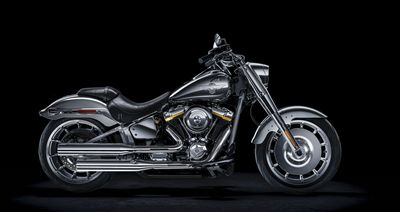
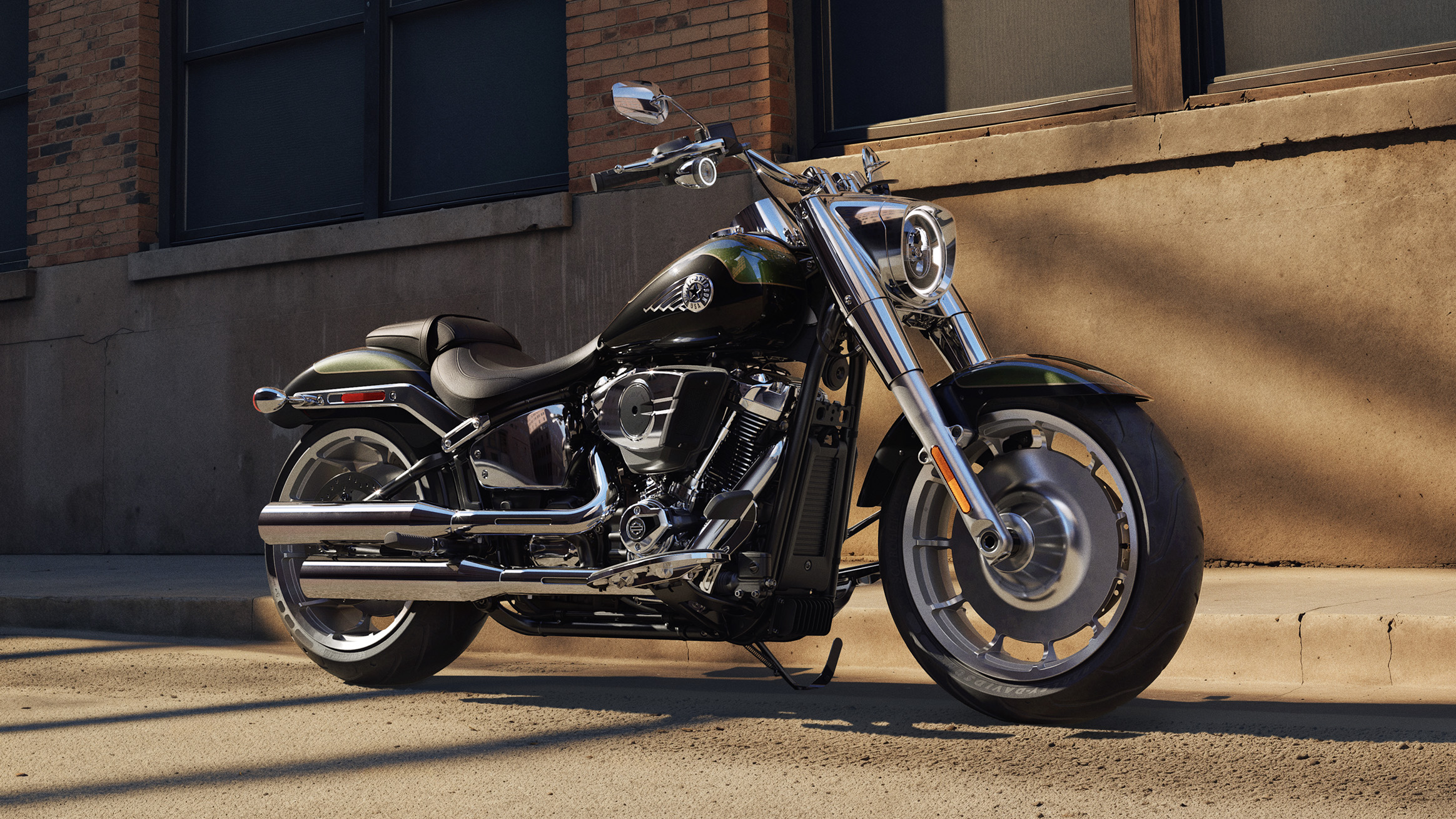
Before a single key is turned, these bikes communicate their identities through pure visual presence. The Harley-Davidson Fat Boy is massive, muscular, and unapologetic. Those 18-inch solid-disc wheels — a Fat Boy signature since 1990 — remain one of the most iconic design choices in motorcycling, and for 2026 they wear a sinister Vivid Black and Gunship Gray finish that commands attention without screaming for it. The Fat Boy is wide, planted, and unmistakably American.
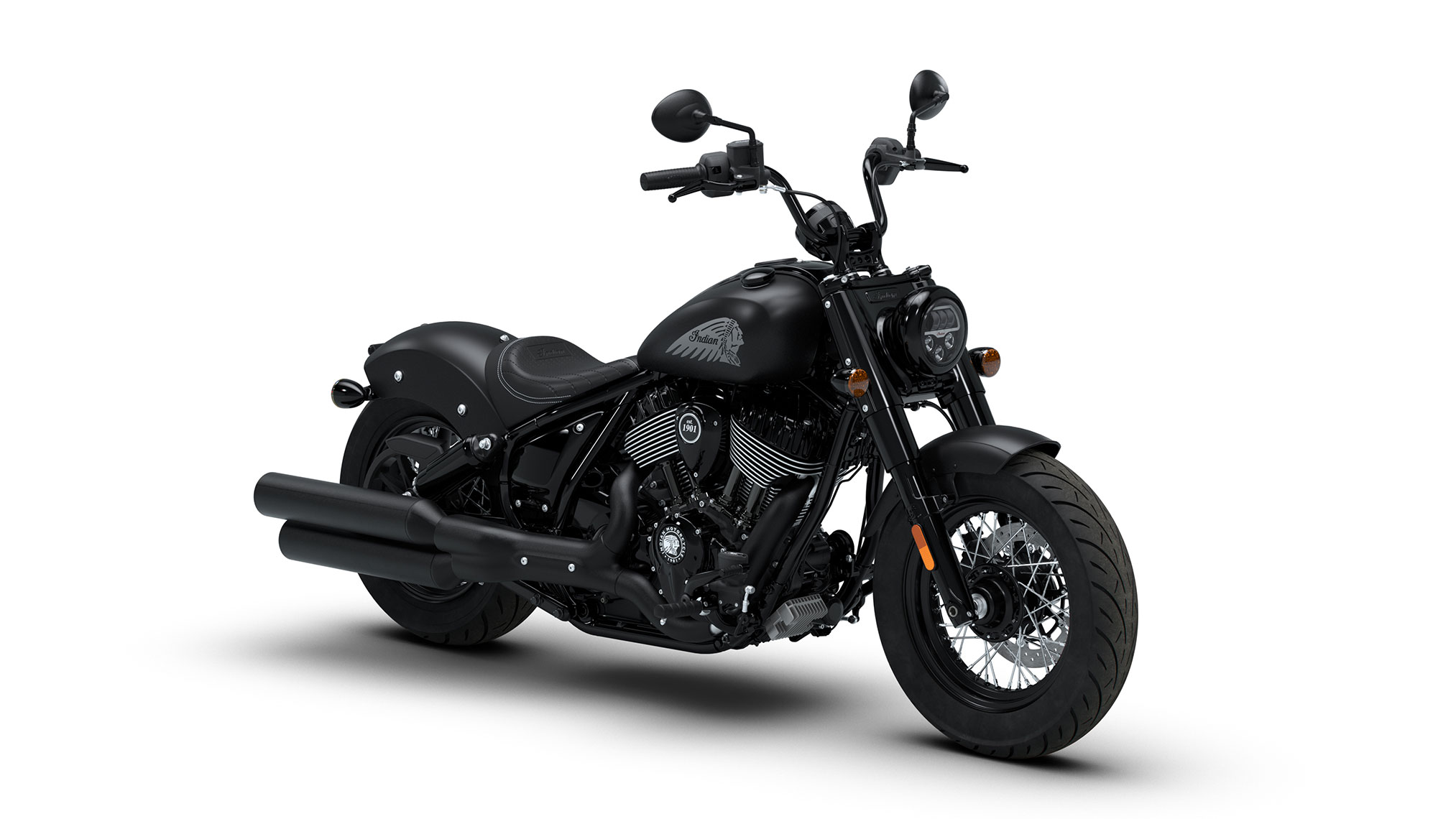
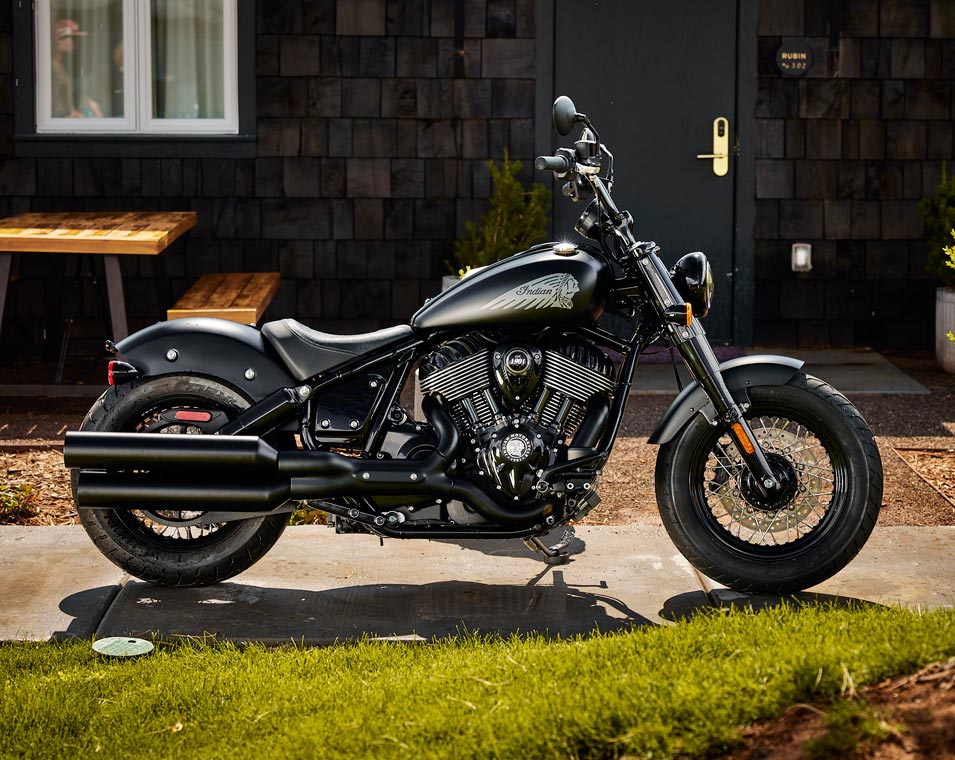
The Indian Chief Bobber takes a leaner approach. Its teardrop tank, fender-hugging silhouette, and deeply blacked-out hardware make it look like something dragged straight off a 1940s dry lake bed and given a modern mechanical heart. The Thunder Black Pearl colorway we tested looked genuinely menacing in morning light, with subtle red pinstriping that rewards a second look. Indian's attention to chrome-delete finishing is exceptional at this price point.
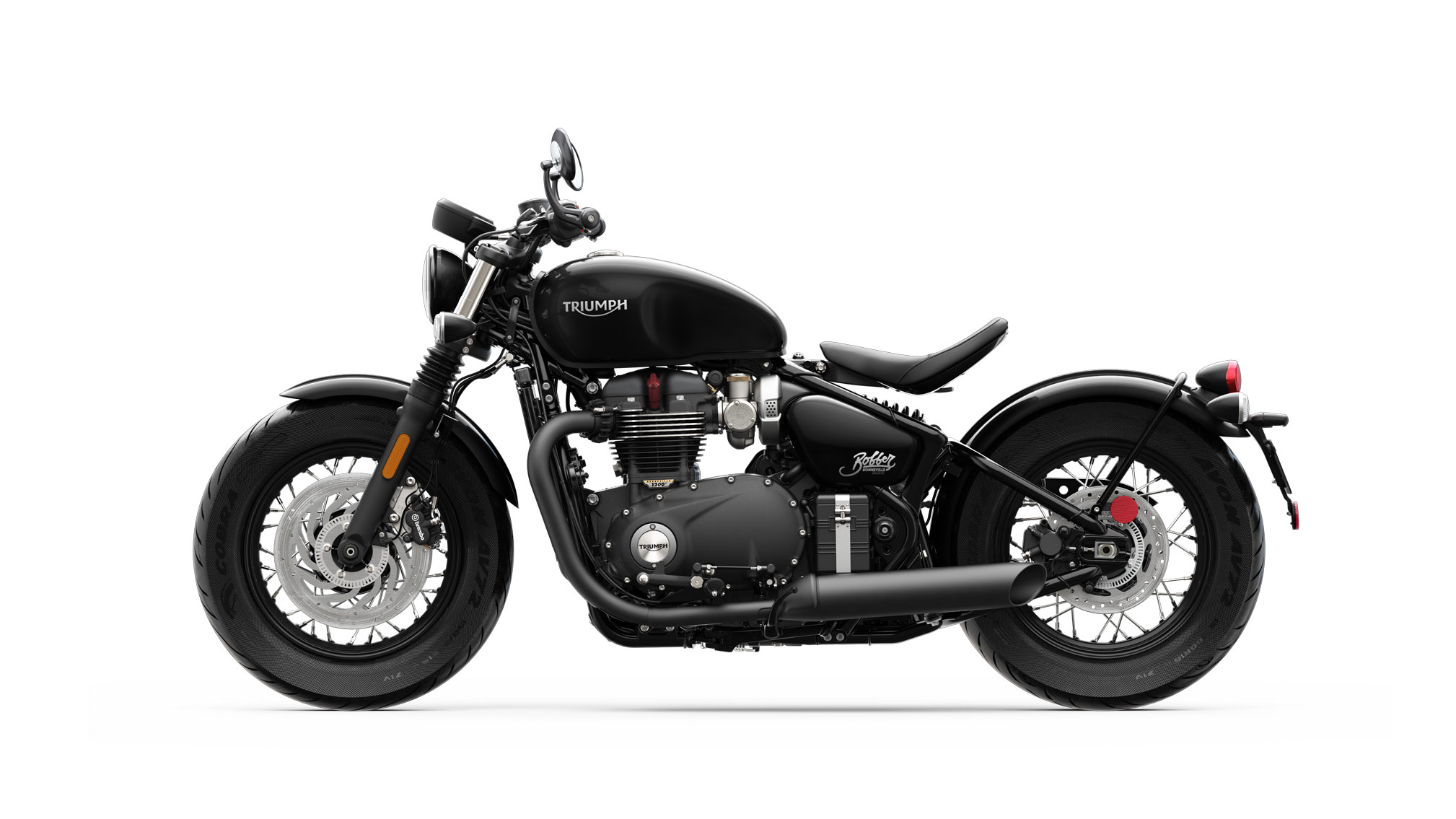
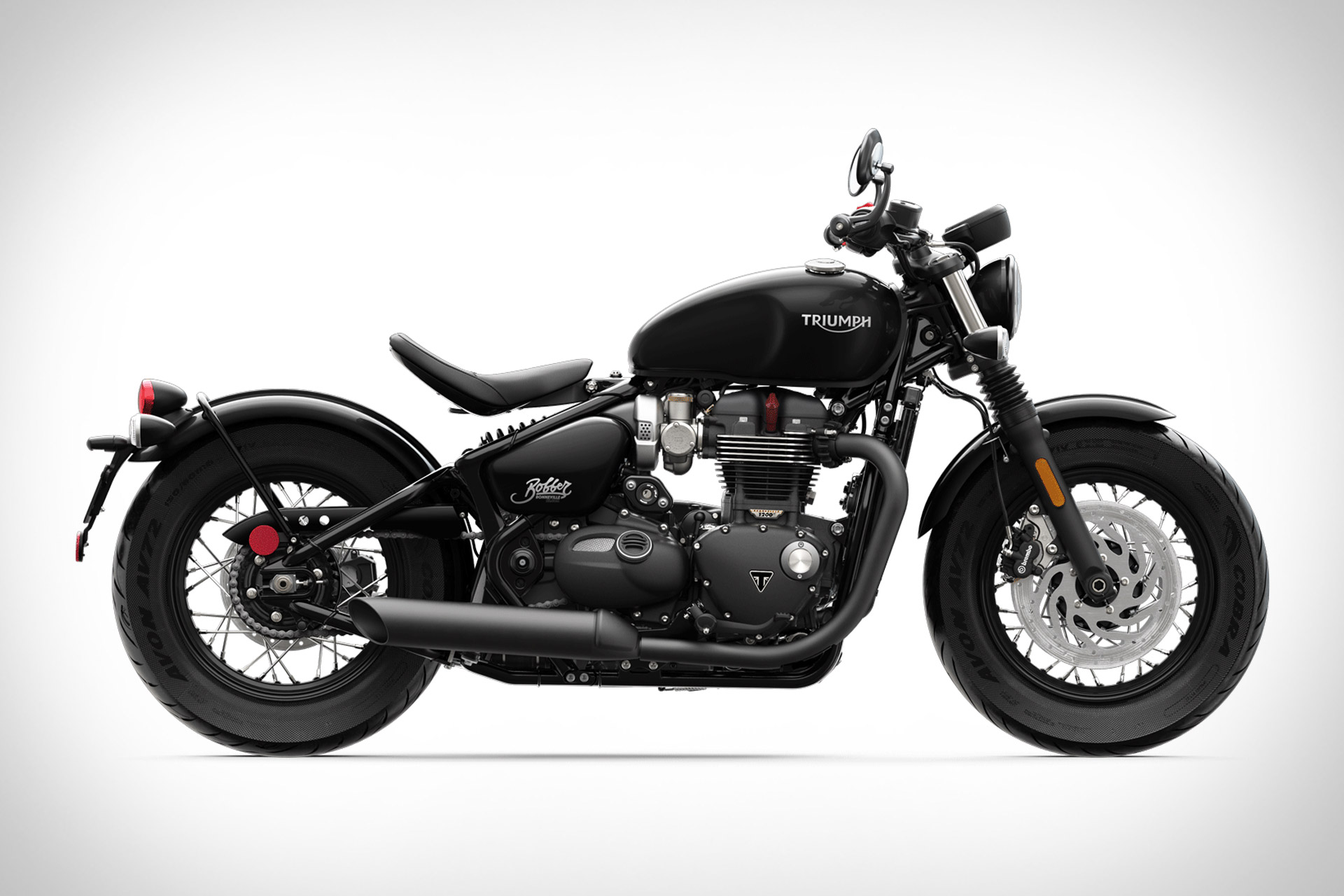
The Triumph Bonneville Bobber Black brings European sensibility to the genre. It's the most restrained of the three in proportions — shorter, more compact — and that works in its favor. The blacked-out engine, gloss-black tank, and single-sided front fork arrangement give it a sculptural, almost minimalist quality. If the Fat Boy is a statement and the Chief Bobber is a story, the Bonneville Bobber Black is a poem.
Engines and Performance: Where Character Is Born
The Fat Boy runs Harley's Milwaukee-Eight 114 V-twin, displacing 1,868cc and producing a rated 98 lb-ft of torque. It pulls from idle with the lazy, authoritative confidence of a machine that has nothing to prove. Power delivery is smooth and linear through the lower and mid range, which is exactly what a cruiser should feel like on long, open stretches. The exhaust note — even stock — is a deep, potato-potato rumble that draws looks at every fuel stop.

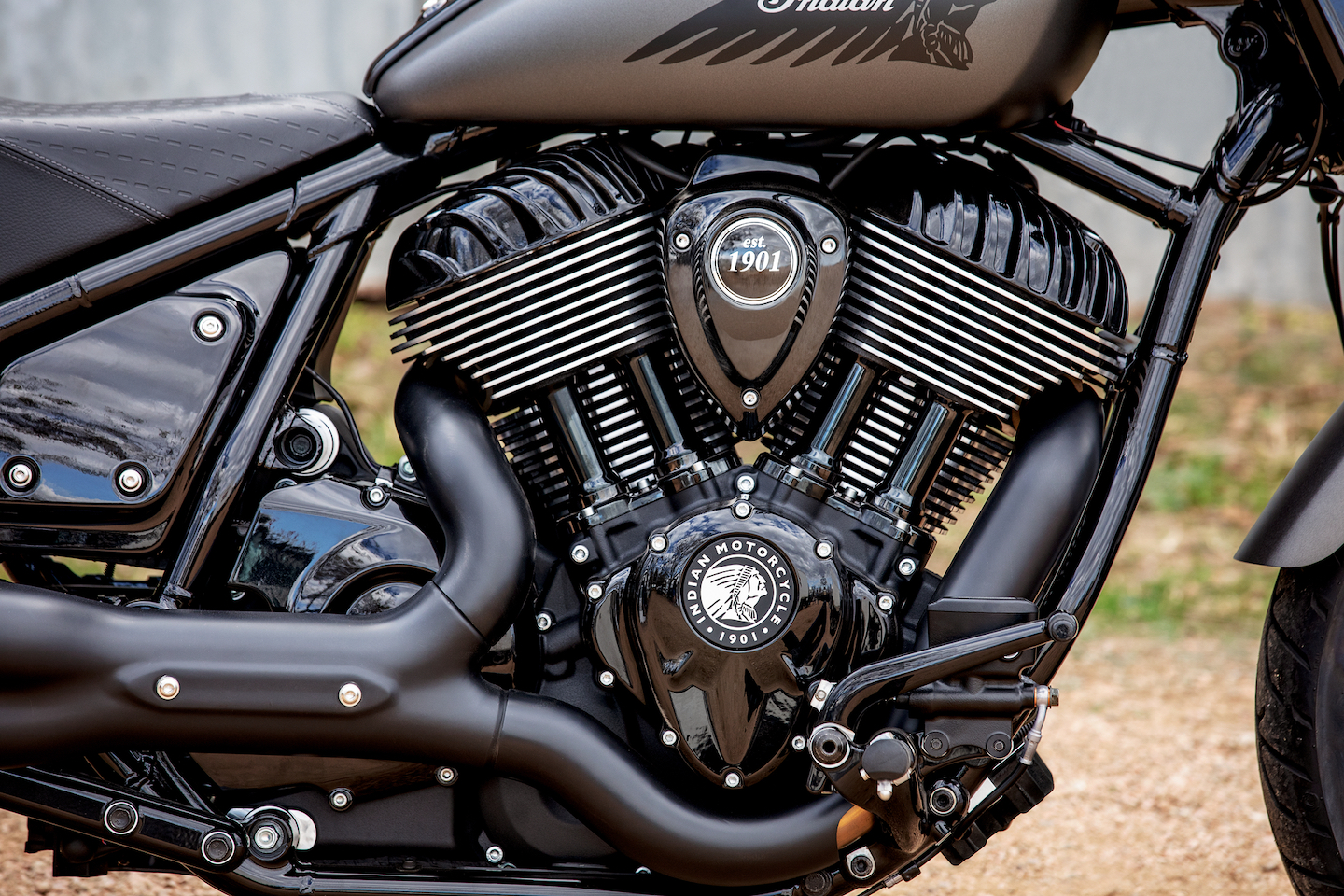
The Indian Chief Bobber packs the Thunder Stroke 116 engine, displacing 1,890cc and delivering a claimed 126 lb-ft of torque, making it the torque king of this trio by a meaningful margin. That extra grunt is immediately felt when rolling on from low speeds. The Chief Bobber surges forward with authority that borders on addictive, and its ride-by-wire throttle response is impressively refined. For riders who prioritize raw pull, this engine is genuinely difficult to argue against.
The Triumph Bonneville Bobber Black is powered by a 1,200cc High Torque parallel twin — a fundamentally different layout and character from the American V-twins. It produces around 77 lb-ft of torque, which sounds modest by comparison, but the Triumph revs more freely, delivers a different riding rhythm, and rewards an engaged riding style. Ride modes (Road and Rain) and a slip-and-assist clutch add modern rider-aid sophistication that neither American competitor matches out of the box.
Ride Quality and Handling: The Road Tells the Story
The Fat Boy is built for the long cruise, and it excels there. Its geometry keeps it planted and stable, and the seat comfort over long miles is genuinely impressive for the bobber category. Turning at low speeds requires deliberate input — this is a big, heavy machine at around 317 kg wet — but once you commit to corners it tracks predictably. Braking, via twin discs up front with ABS, is confidence-inspiring.
The Chief Bobber handles its considerable mass (roughly 310 kg) with slightly more agility thanks to its geometry tuning. Indian's engineers have done commendable work making the bike feel lighter than the scales suggest. The seat-to-peg ergonomic triangle is notably comfortable, and the adjustable rear suspension (a genuine differentiator in this class) lets riders dial in their preferred firmness for different road conditions.
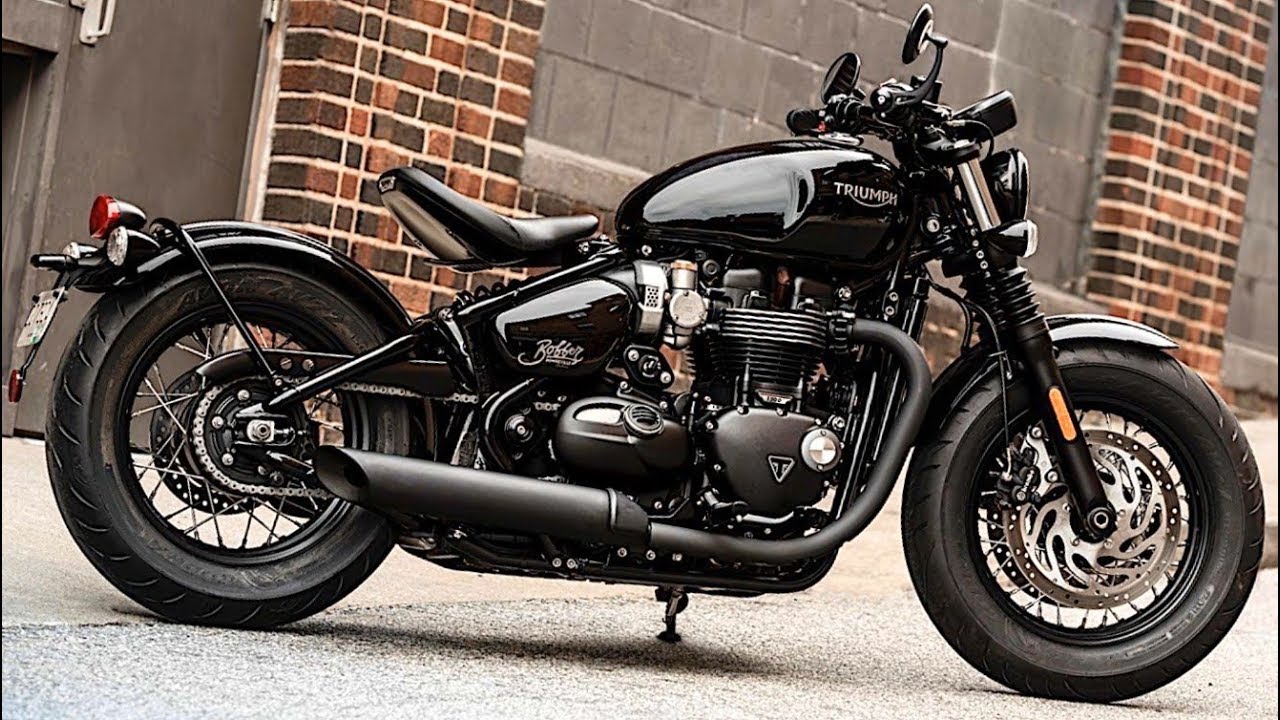
The Bonneville Bobber Black is the most dynamic handler of the three, and it's not particularly close. At around 235 kg wet, it is dramatically lighter than both American rivals, and that weight advantage translates directly into confidence on winding roads. The monoshock rear and conventional front end are well-sorted, and the Triumph changes direction with a willingness that makes the big Americans feel labored on tight routes. If your riding diet includes real curves, this matters enormously.
Technology, Features, and Value
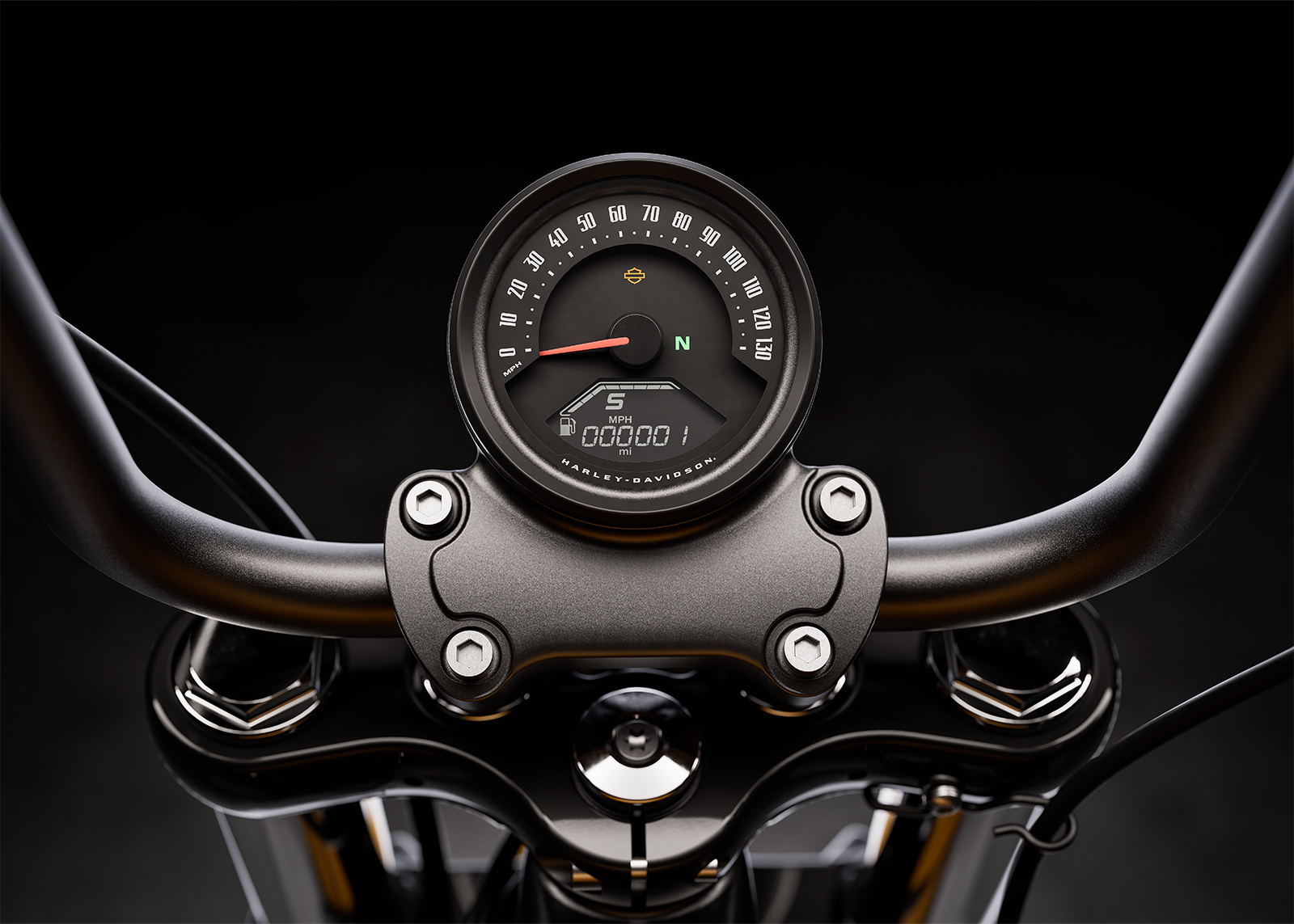
- Harley-Davidson Fat Boy: Keyless ignition, Bluetooth-enabled instrument cluster, multiple ride modes, Reflex Defensive Rider Systems (cornering ABS, traction control). Premium feel throughout with a price tag to match.
- Indian Chief Bobber: Ride Command touchscreen display, three ride modes, rear cylinder deactivation at stops for heat management, smartphone connectivity, and the best factory audio connectivity of the three.
- Triumph Bonneville Bobber Black: Two ride modes, traction control, Brembo front brake caliper, USB charging, and the lightest curb weight. Triumph's build quality feels exceptional and the fit-and-finish rivals anything in this category.
The Verdict: Which Premium Bobber Wins in 2026?
Choosing between these three machines ultimately comes down to the rider you are and the roads you ride. The Harley-Davidson Fat Boy remains the definitive choice for riders who want the full, iconic American heavyweight cruiser experience — the look, the sound, and the culture are unrivaled. The Indian Chief Bobber is the torque-lover's machine, the tech-forward choice, and arguably the most comfortable of the three for genuine long-haul riding. Both earn our full respect.
But if we're being honest about which machine surprised us most, thrilled us on demanding roads, and made us want to ride harder and farther: the Triumph Bonneville Bobber Black takes the crown by a slim but meaningful margin. Its lighter weight unlocks a dimension of engagement the American heavyweights simply cannot match, its technology is smartly deployed without being overcomplicated, and its aesthetic is so precisely executed that it looks like rolling factory custom art. For 2026, it is the best all-around premium dark custom bobber you can buy — and that's one of the more pleasurable conclusions we've reached in recent memory.