The Final Drive System: Why It Matters More Than You Think
When most riders shop for a motorcycle, they obsess over engine displacement, horsepower figures, and seat height. The final drive system — the mechanism that transfers power from the gearbox to the rear wheel — often gets overlooked entirely. That's a mistake. Whether a bike uses a chain, belt, or shaft drive affects how it feels under acceleration, how much time you'll spend in the garage, how much money you'll spend over the years, and ultimately, what kind of riding it's best suited for.
There is no universally "best" system. Each has genuine advantages and real drawbacks, and understanding those trade-offs is the key to matching the right machine to your riding lifestyle. Let's dig into all three.

Chain Drive: The Classic Choice
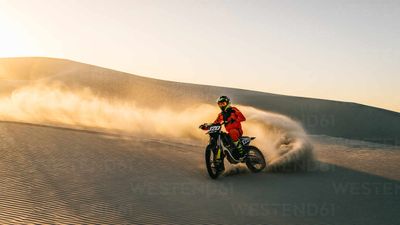
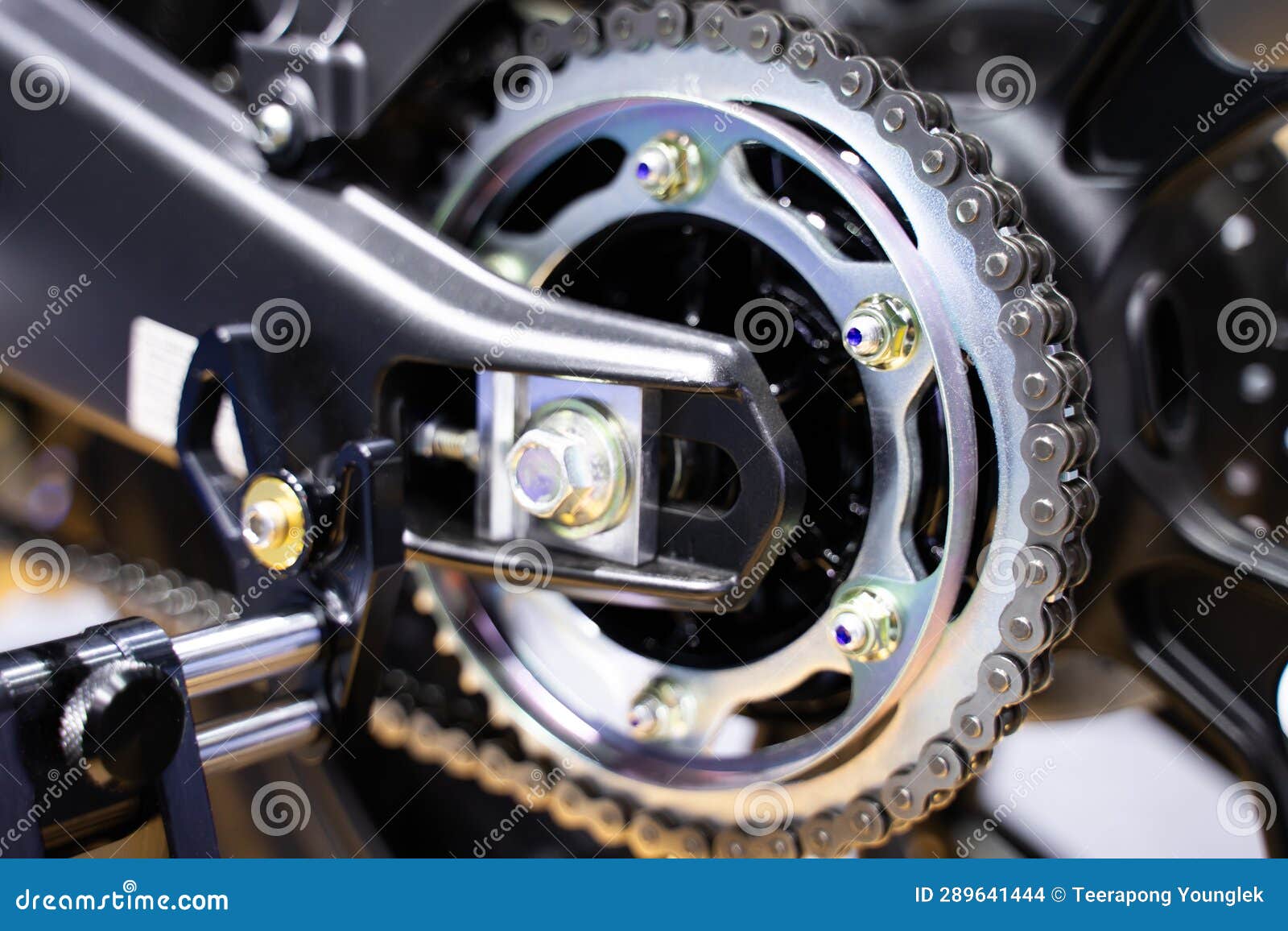
Chain drive is the oldest and most widely used final drive system in motorcycling. A roller chain connects a front sprocket (attached to the gearbox output shaft) to a rear sprocket on the wheel hub. It's the system you'll find on the vast majority of sportbikes, naked bikes, dirt bikes, and many adventure and standard motorcycles.
Advantages of Chain Drive
- Efficiency: Chain drives transmit power with very little energy loss — typically around 97-98% efficiency — making them a favorite for performance-focused machines.
- Tunability: Swapping sprockets changes the final drive ratio, letting you tune acceleration versus top speed. This is a meaningful advantage for track riders and off-road enthusiasts.
- Lightweight: A chain and sprocket setup is lighter than both belt and shaft alternatives, which matters for sport and race applications.
- Affordability: Chains and sprockets are inexpensive to buy and widely available worldwide, making roadside repairs more practical than with other systems.
- Feedback: Many riders feel that chain drive provides a more direct, connected feel between throttle input and rear wheel response.
Disadvantages of Chain Drive
- Maintenance: Chains require regular cleaning, lubrication, and tension adjustment — typically every 500-600 miles depending on conditions. Neglect leads to accelerated wear and potential failure.
- Durability: Even a well-maintained chain will need replacement every 15,000-25,000 miles under normal use. Hard riding or poor maintenance cuts that lifespan significantly.
- Mess: Chain lube flings off onto the rear wheel and swingarm. It's not a dealbreaker, but it does require regular cleaning.
- Noise: A worn or poorly adjusted chain introduces a noticeable slapping or rattling sound.
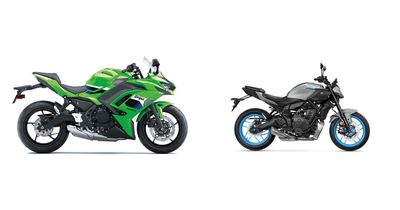
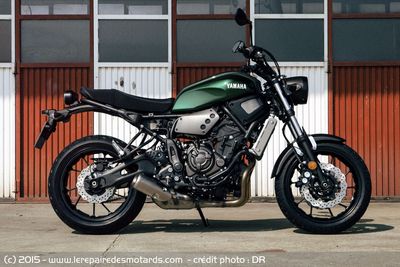
Chain drive is the go-to for sportbike riders, track day enthusiasts, and off-road riders who prioritize performance and don't mind the maintenance commitment. Bikes like the Kawasaki Ninja ZX-10R, Honda Africa Twin, and Yamaha MT-09 all use chain drive for good reason.
Belt Drive: The Smooth, Low-Maintenance Middle Ground
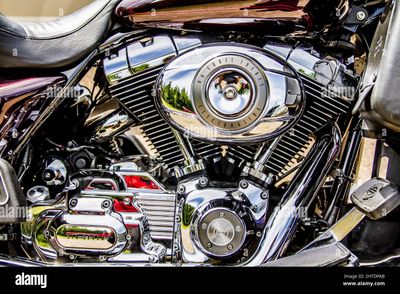
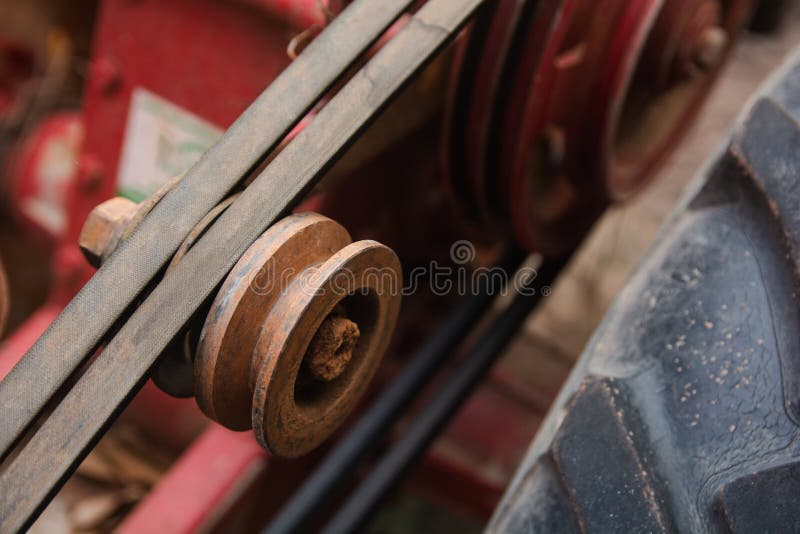
Belt drive systems use a reinforced rubber belt — typically embedded with Kevlar or carbon fiber cords — running between two toothed pulleys. Harley-Davidson popularized belt drive in the 1980s, and it remains the dominant choice for cruisers and touring bikes, though it has made inroads in a few other segments as well.
Advantages of Belt Drive
- Low maintenance: Belts require almost no routine maintenance beyond periodic tension checks and visual inspection for damage. There's no lubrication required, no fling, and no cleaning.
- Smooth and quiet operation: Belt drive is remarkably smooth and nearly silent compared to chain drive. This contributes to a refined, relaxed riding experience.
- Long service life: A belt that is properly tensioned and not damaged can last 100,000 miles or more under normal cruiser use.
- Clean: No grease or lube means the rear of the motorcycle stays clean. Your back tire and swingarm will thank you.
Disadvantages of Belt Drive
- Fragility from debris: A small stone or piece of road debris caught between the belt and pulley can cause catastrophic failure. This makes belt drive a poor choice for off-road or heavily gravel-prone environments.
- No ratio adjustment: Unlike chains, you cannot swap pulleys to change the final drive ratio. What the manufacturer specifies is what you get.
- Width constraints: Belts require wider pulleys and a specific alignment geometry, which limits their use on high-performance, narrow-profile sportbikes.
- Replacement cost: While belts last a long time, when they do need replacement, the job is more involved and the parts more expensive than a simple chain and sprocket swap.
Belt drive shines on cruisers, baggers, and touring machines where rider comfort, cleanliness, and low maintenance are top priorities. The Harley-Davidson Road Glide, Indian Chieftain, and Triumph Thunderbird are prime examples of belt drive done right.
Shaft Drive: Set It and Forget It
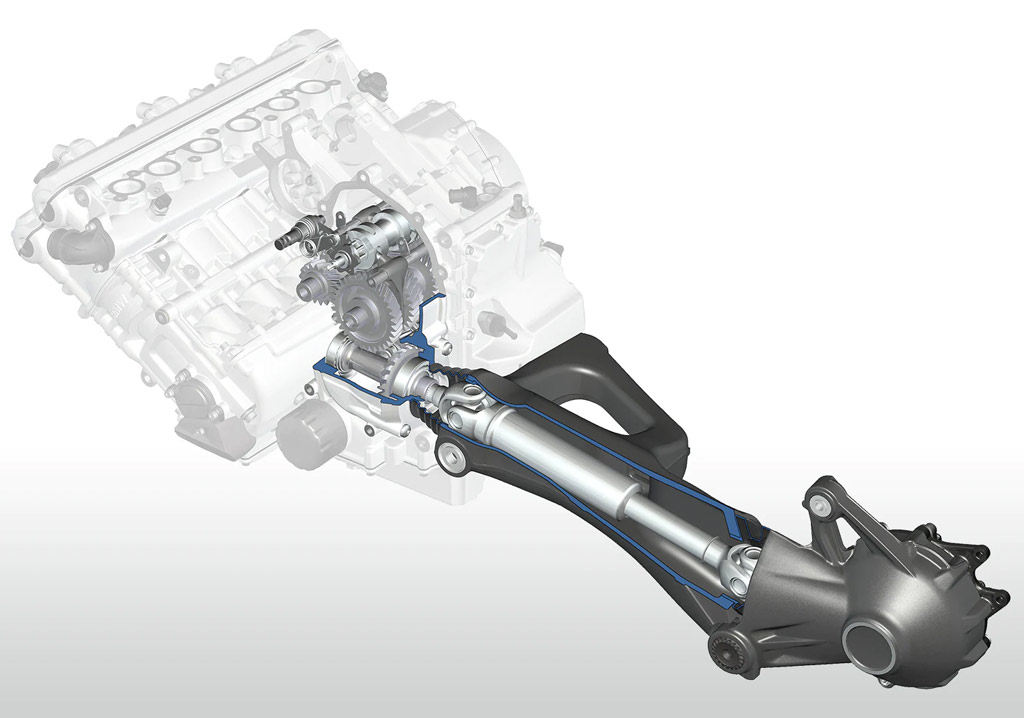
Shaft drive uses a driveshaft running along the length of the swingarm, transferring power through a bevel gear set to the rear wheel. It's the system most associated with large touring bikes, adventure motorcycles, and BMW's iconic boxer twins — though Honda, Yamaha, and Moto Guzzi also use it extensively.
Advantages of Shaft Drive
- Virtually zero maintenance: A shaft drive system requires almost no attention. Gear oil changes at infrequent intervals are about all you'll ever need to do.
- Exceptional durability: A shaft drive system can outlast the rest of the motorcycle with proper care. Wear is measured in decades, not miles.
- All-weather reliability: Fully enclosed and sealed against the elements, shaft drive is unaffected by water, mud, or grit — making it ideal for touring and adventure riding.
- No adjustment required: There's nothing to tension, lubricate, or replace at regular intervals. For high-mileage touring riders, this is a major quality-of-life improvement.
Disadvantages of Shaft Drive
- Weight: Shaft drive systems add meaningful unsprung and total weight compared to chain or belt systems. This affects handling, particularly in sporty riding scenarios.
- Shaft effect (torque reaction): Under hard acceleration and deceleration, shaft drive motorcycles can exhibit a characteristic rise or squat known as the "shaft effect." Engineers have developed various countermeasures (like BMW's Paralever and Honda's Pro-Link), but it remains a factor.
- Cost: The engineering complexity of shaft drive means higher manufacturing costs, which are reflected in the purchase price of shaft-equipped motorcycles.
- Repair complexity: If something does go wrong inside a shaft drive system, repairs are significantly more complex and expensive than replacing a chain or belt.
Shaft drive is the natural choice for long-distance tourers and adventure riders who prioritize reliability and freedom from maintenance over outright performance. Bikes like the BMW R1250GS, Honda Gold Wing, Yamaha FJR1300, and Moto Guzzi V85 TT are shaft drive icons for exactly these reasons.
Side-by-Side Comparison: Which System Is Right for You?
If you're still unsure which system fits your riding style, here's a quick framework:
- You prioritize performance and don't mind maintenance: Chain drive is your answer. It's efficient, tunable, and standard on nearly every performance-oriented bike.
- You ride primarily on pavement and hate maintenance but love cruising: Belt drive offers the best balance of low upkeep and smooth operation for street and highway riding.
- You tour long distances, ride in all weather, or simply want to forget your final drive exists: Shaft drive is the ultimate set-and-forget solution for serious mileage accumulators.
Final Thoughts
The chain vs. belt vs. shaft drive debate doesn't have a winner — it has three different answers for three different types of riders. A weekend canyon carver and a continent-crossing tourer have fundamentally different needs, and the final drive system is one of the most meaningful expressions of what a motorcycle was designed to do. Understanding these systems doesn't just help you buy the right bike; it helps you understand the machine under you a little bit better. And that, ultimately, makes you a better, more informed rider.