Off-Road Motorcycles in 2026: More Choices, More Confusion
Walk into any dealership in 2026 and you'll be confronted with a wall of knobby tires, high-mounted exhausts, and bold claims about off-road capability. Scramblers, adventure bikes, dual sports, enduro machines — the terminology has never been more muddled, and manufacturers aren't exactly helping. Every brand wants a slice of the dirt-ready pie, which means the category labels have become as much about lifestyle marketing as actual riding purpose.
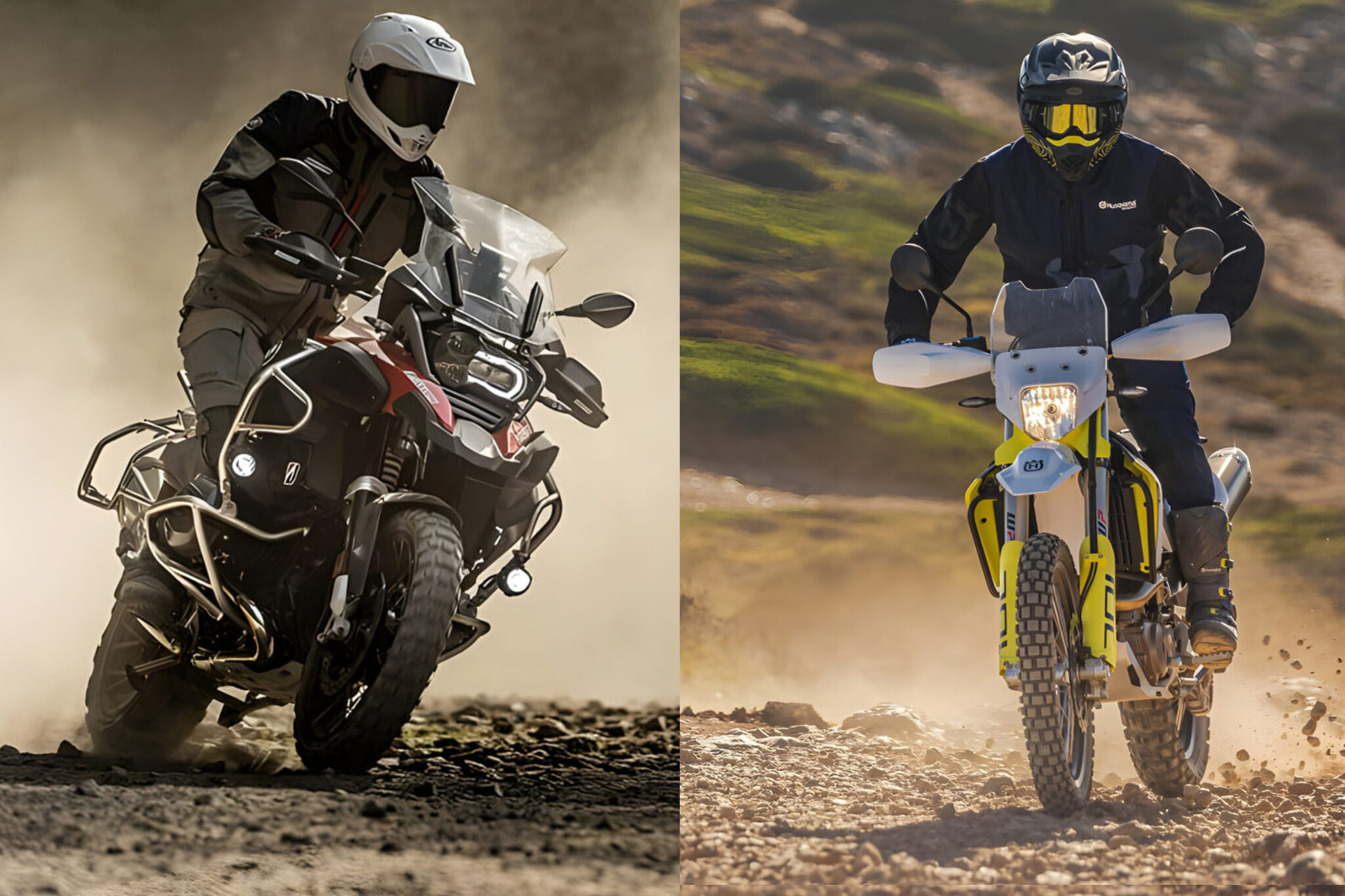
That's where this guide comes in. We're going to cut through the noise and give you a genuinely honest breakdown of what each off-road motorcycle style is, who it's built for, and what it actually does well — so you can make a smart purchase decision rather than an Instagram-influenced one.
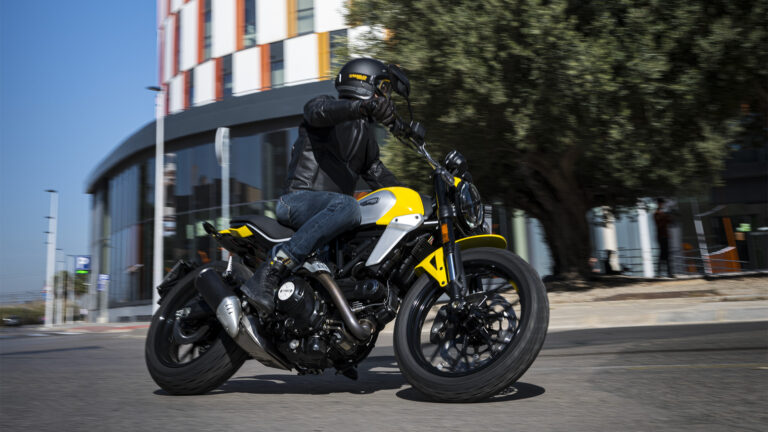
The Scrambler: Style With a Side of Dirt
Let's start with the category that has arguably been stretched the furthest from its roots. The scrambler was born in the 1960s when riders would strip road bikes down — removing fenders, raising exhausts, swapping in knobby tires — to race loosely organized cross-country events called scramblers. The result was a raw, stripped-back motorcycle that could handle light trails and still commute to the starting line.
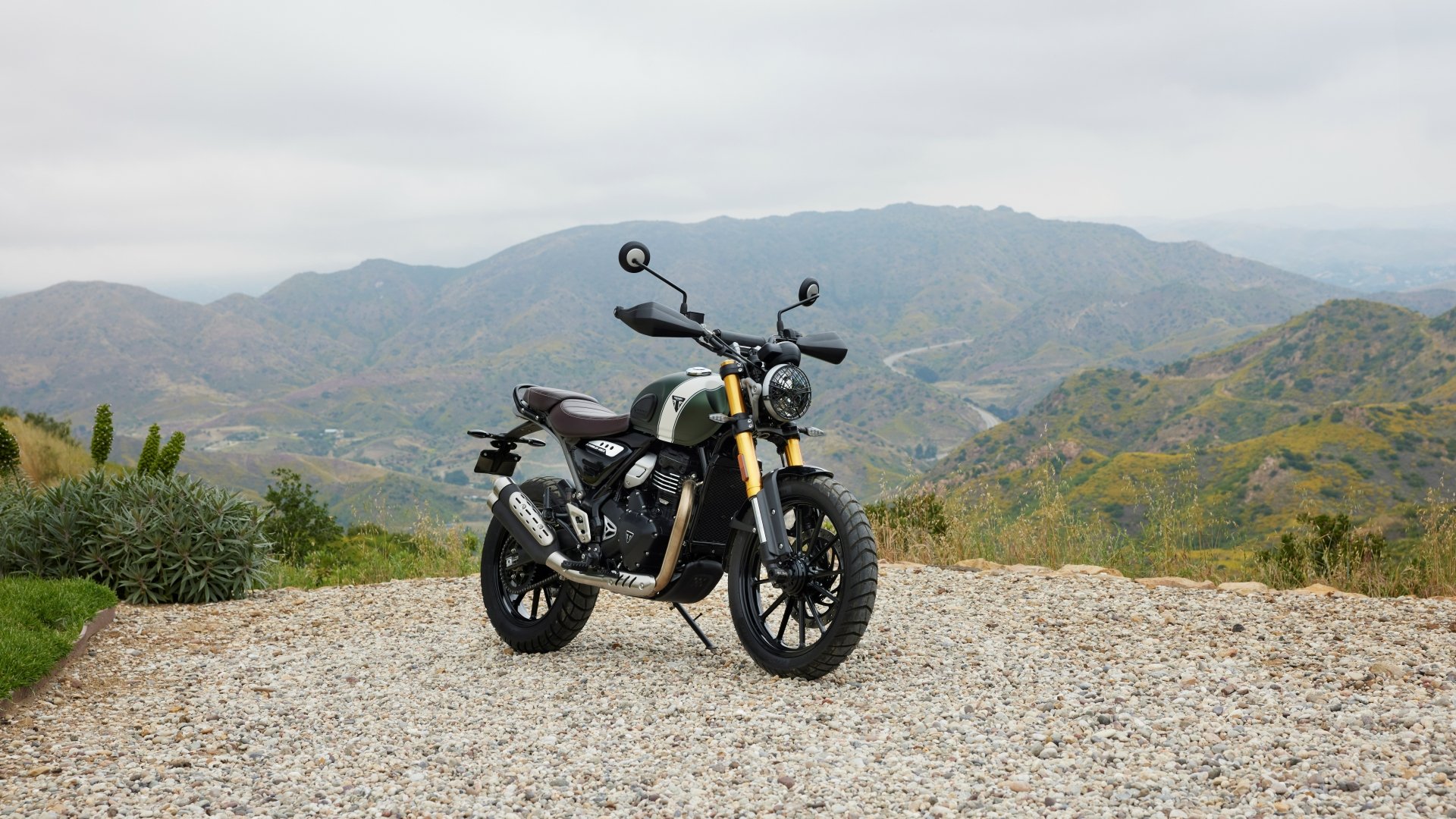
Modern scramblers pay homage to that aesthetic, but they are fundamentally street motorcycles with off-road styling cues. Think of bikes like the Ducati Scrambler Icon, the Triumph Scrambler 400 X, or the Royal Enfield Himalayan 450 in its more road-biased trim. They feature wire-spoked wheels, upswept exhausts, minimalist bodywork, and medium-height seat positions — and they look absolutely fantastic doing it.
What Scramblers Do Well
- Urban riding and weekend touring on paved roads
- Light gravel roads, fire roads, and hard-packed dirt
- Accessible ergonomics for a wide range of rider heights
- Strong style credentials and classic aesthetics
- Generally lower weight and more manageable power delivery
Where Scramblers Fall Short
Take a modern scrambler onto genuinely technical off-road terrain and you'll quickly find its limits. Ground clearance is typically modest, suspension travel is limited compared to purpose-built off-road machines, and the tires — while they look knobbly — are usually a 50/50 or 60/40 road-biased compound. They're approachable and fun, but they're not trail bikes wearing a suit. If 80 percent or more of your riding is on pavement, a scrambler makes a lot of sense. If you're dreaming of single-track adventures, keep reading.
The Dual Sport: The True Do-Everything Machine
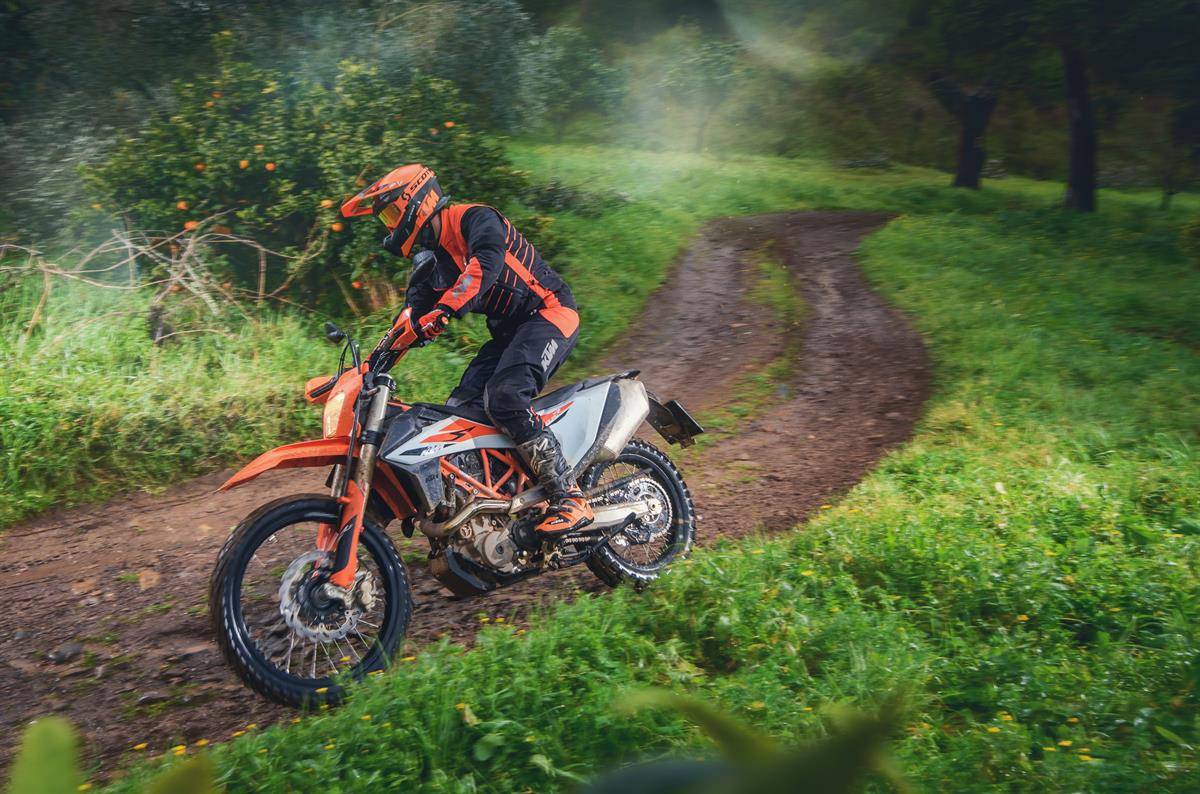
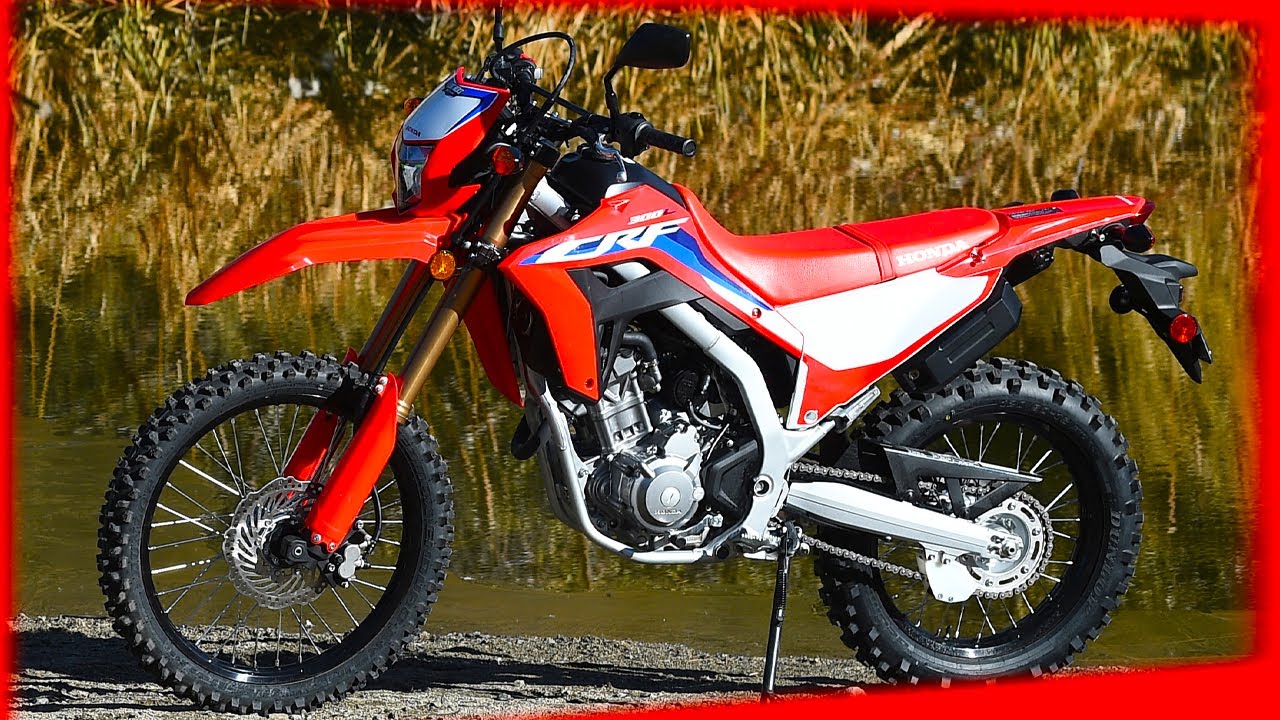
If the scrambler is a road bike wearing off-road clothes, the dual sport is a dirt bike that got a license plate bolted on. This is the category most deeply rooted in genuine off-road functionality. Bikes like the Honda CRF300L, Kawasaki KLX300, Yamaha WR250R, and the legendary KTM 690 Enduro R are designed first for off-road performance and secondarily for road legality.

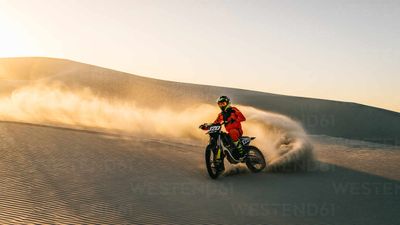
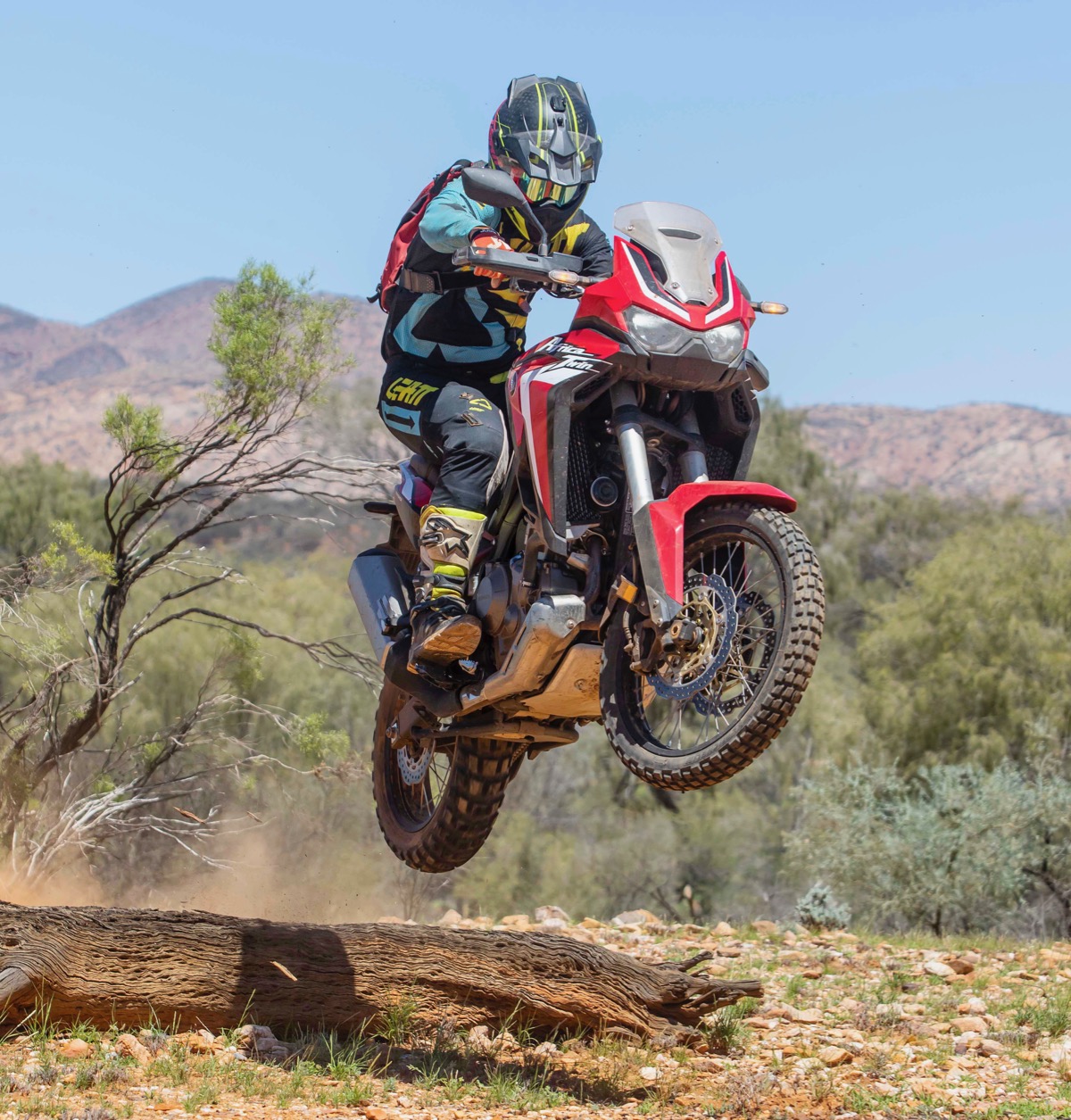
Dual sports are typically lightweight, with long-travel suspension, high ground clearance, and aggressive off-road tires. They're stripped down, with minimal electronics and few creature comforts. The riding position is upright and aggressive — you'll spend a lot of time standing on the pegs. Engine sizes tend toward the smaller and mid-range spectrum, though 2026 has seen a healthy expansion into the 500-700cc class with bikes like the Honda XR500M and KTM 500 EXC-F Six Days proving that you can have serious power without ballooning the weight.
What Dual Sports Do Well
- Genuine off-road capability across a wide range of terrain
- Lightweight handling that rewards active, physical riding
- Simple mechanicals that are easy to maintain and repair in the field
- Lower purchase price and running costs compared to adventure bikes
- Excellent power-to-weight ratios for the displacement
Where Dual Sports Fall Short
Comfort on long highway stretches is the dual sport's Achilles heel. Wind protection is virtually nonexistent, fuel tanks are small, seats are firm, and highway speeds will have your hands going numb within an hour. They're not built for luggage either — fitting hard panniers to a dual sport is an exercise in creative problem-solving. If your off-road adventure requires getting there via interstate, a dual sport will wear you out before you hit the trail.
The Adventure Bike: The Swiss Army Knife of Motorcycling
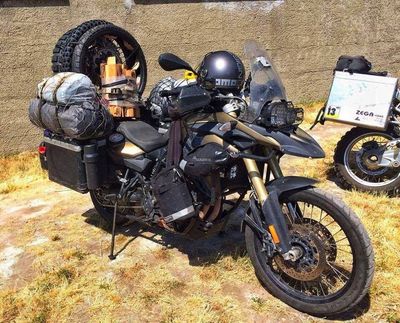
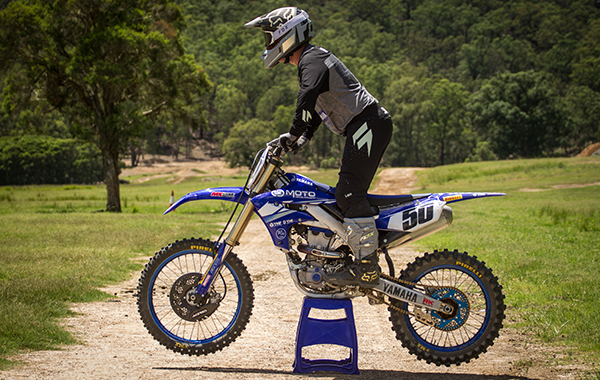
The adventure motorcycle is the category that has absolutely exploded over the past decade, and in 2026 it shows no sign of slowing down. These are machines purpose-built to handle long-distance travel across mixed surfaces — they need to perform on highways, on gravel roads, and on moderate off-road terrain without truly excelling at any single one of those things. The trade-off is weight, complexity, and cost.
Adventure bikes range from the middleweight sweet spot — the BMW F 900 GS, Triumph Tiger 900 Rally Pro, Honda Africa Twin 1100 — up to the full-size heavyweights like the BMW R 1300 GS, KTM 1290 Super Adventure R, and Ducati Multistrada V4 Rally. They pack large fuel tanks, sophisticated electronics suites with multiple ride modes and cornering ABS, and genuine long-haul ergonomics. Luggage systems are integrated and well-supported.
What Adventure Bikes Do Well
- Long-distance touring comfort over thousands of miles
- Versatile performance across highway, gravel, and moderate trails
- Advanced electronics that genuinely improve safety and ride quality
- Strong luggage and accessory ecosystem from manufacturers and aftermarket
- Suitable for two-up touring with a passenger
Where Adventure Bikes Fall Short
Weight is the defining challenge of the adventure category. A fully loaded BMW R 1300 GS tips the scales at over 500 pounds wet — drop that on a rocky trail and you'll need help getting it upright. The complexity of modern adventure electronics also means higher maintenance costs and more that can potentially go wrong in remote locations. And the price of entry for a flagship adventure bike in 2026 will make most riders wince.
How to Choose: The Right Questions to Ask
Rather than picking a category based on what looks cool, start with honest answers to these questions:
- What percentage of your riding will be off-road? Under 20 percent — consider a scrambler. 20 to 60 percent mixed terrain — adventure bike. Over 60 percent genuine off-road — dual sport.
- How far do you ride in a day? Long-distance tourers should prioritize the adventure category. Shorter, more intense riding suits the dual sport or scrambler.
- How much does the bike weigh? Be brutally honest about your ability to manage weight in technical terrain. A lighter bike you can pick up is better than a heavy one you can't.
- What is your budget? Dual sports offer the best performance-per-dollar for genuine off-road use. Scramblers give style and street manners at a mid-range price. Adventure bikes carry a significant premium.
- Will you carry luggage or a passenger? Adventure bikes are built for this. The other categories require compromise.
The Bottom Line
In 2026, the off-road motorcycle market offers something genuinely excellent for every type of rider — but only if you match the machine to your actual riding habits rather than your aspirational ones. The scrambler is an honest, joyful street bike with a romantic past. The dual sport is a focused, capable tool for riders who prioritize off-road performance above all else. The adventure bike is the most versatile motorcycle ever built, at a price and weight that demands respect. Know what you're buying, and any one of them will reward you richly.