Wear Gear Y'all: Why Suiting Up Every Ride Isn't Optional
There's a saying in the motorcycle community that gets repeated so often it's practically a cliché: "All the gear, all the time." And yet, every single day, riders hop on their bikes in flip-flops, shorts, and a t-shirt, feeling the wind and living in the moment — right up until the moment they don't. This isn't a lecture designed to suck the joy out of riding. It's a genuine, heartfelt appeal from one rider to another: wear your gear, y'all. Every time. No exceptions.
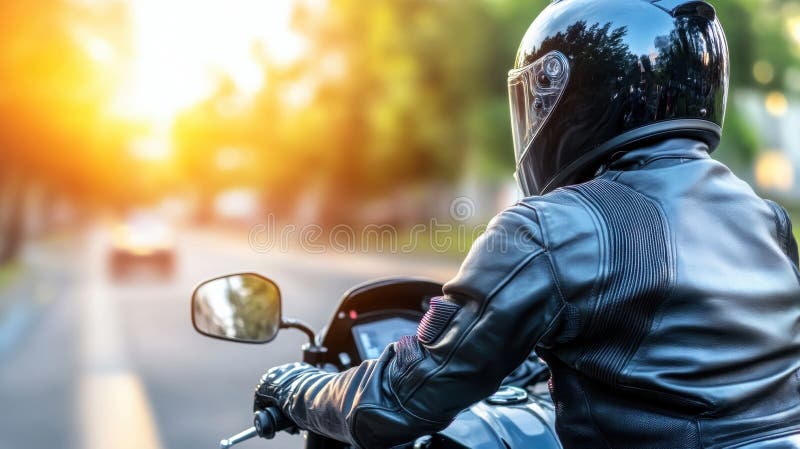
Motorcycling is an incredible pursuit. The sense of freedom, the mechanical connection, the community — it's unlike anything else on wheels. But it carries real risk, and the single most impactful thing you can do to manage that risk has nothing to do with your riding skill level. It has everything to do with what you're wearing when things go sideways.
The Physics of a Crash (And Why Skin Loses)
When a motorcycle goes down, the rider typically separates from the bike and slides. Asphalt is essentially coarse sandpaper, and human skin — even tough, calloused skin — is not a match for it. At just 30 mph, road rash can strip skin down to muscle and bone in a fraction of a second. At highway speeds, the consequences escalate dramatically. The physics here are not negotiable, and no amount of riding experience changes them.
Beyond abrasion, there's the impact factor. Bones break. Heads strike the pavement. Wrists instinctively shoot out to catch a fall. Proper gear is engineered specifically to manage these forces — to absorb, distribute, and deflect energy that would otherwise be absorbed entirely by your body.
The Essential Five: What You Actually Need
1. The Helmet
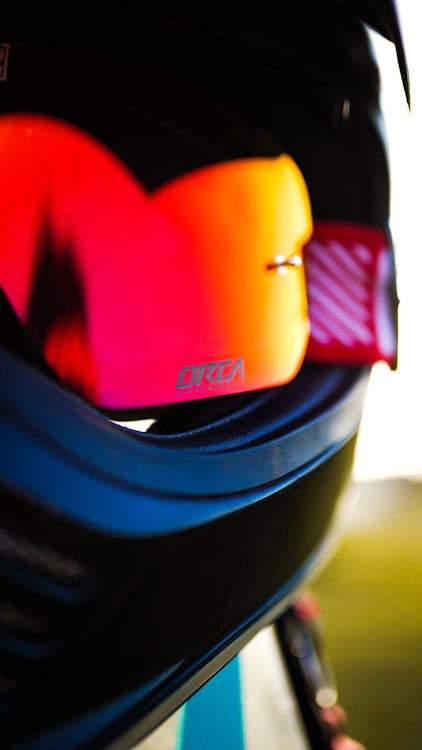
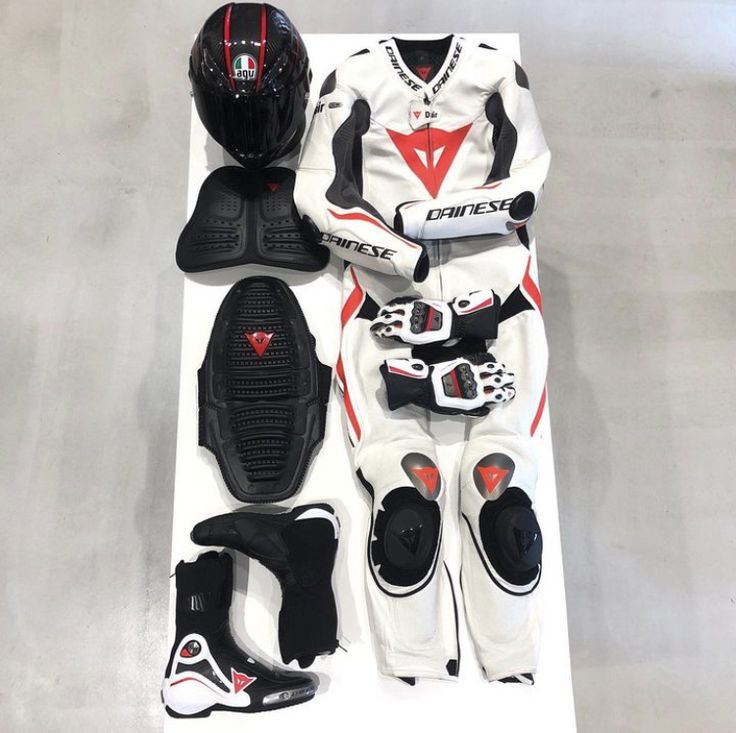
Your helmet is the single most important piece of protective gear you own, full stop. Head injuries are the leading cause of motorcycle fatality, and a quality helmet dramatically reduces that risk. Look for helmets certified to DOT, ECE 22.06, or SNELL standards — these certifications mean the helmet has been independently tested and meets minimum safety thresholds.
Full-face helmets offer the most comprehensive protection, covering your chin and jaw — areas frequently impacted in crashes. Modular helmets offer a compromise between full-face protection and open-face convenience. Whatever style you choose, fit is critical: a helmet should feel snug all the way around with no pressure points, and it should not rotate when you try to move it side to side.
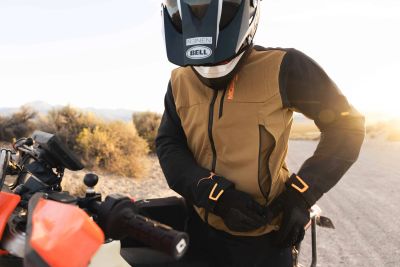
2. The Jacket
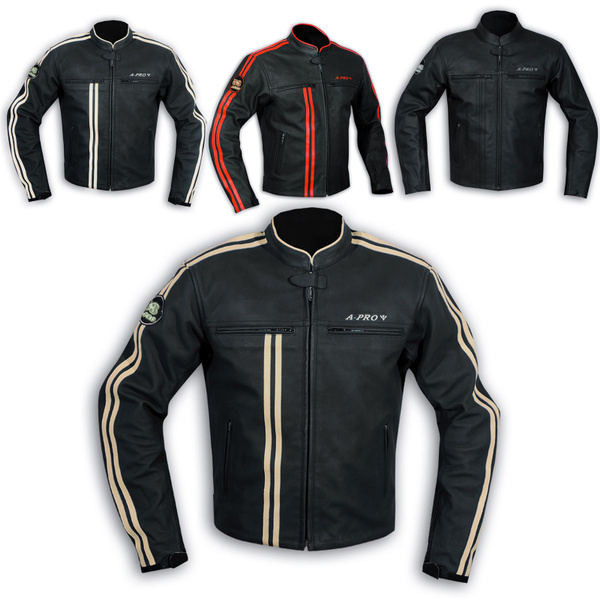
A proper motorcycle jacket does two things: it resists abrasion and it houses armor. Look for jackets made from leather or high-denier textile materials with CE-rated armor at the shoulders and elbows, and a back protector pocket. CE Level 2 armor is the gold standard for impact protection. Leather offers exceptional abrasion resistance; modern textile jackets with ripstop or Cordura construction come close while offering versatility and weather resistance.
Don't be fooled by "motorcycle-style" fashion jackets that lack armor or abrasion-resistant materials. The look isn't the point — the protection is.
3. Gloves
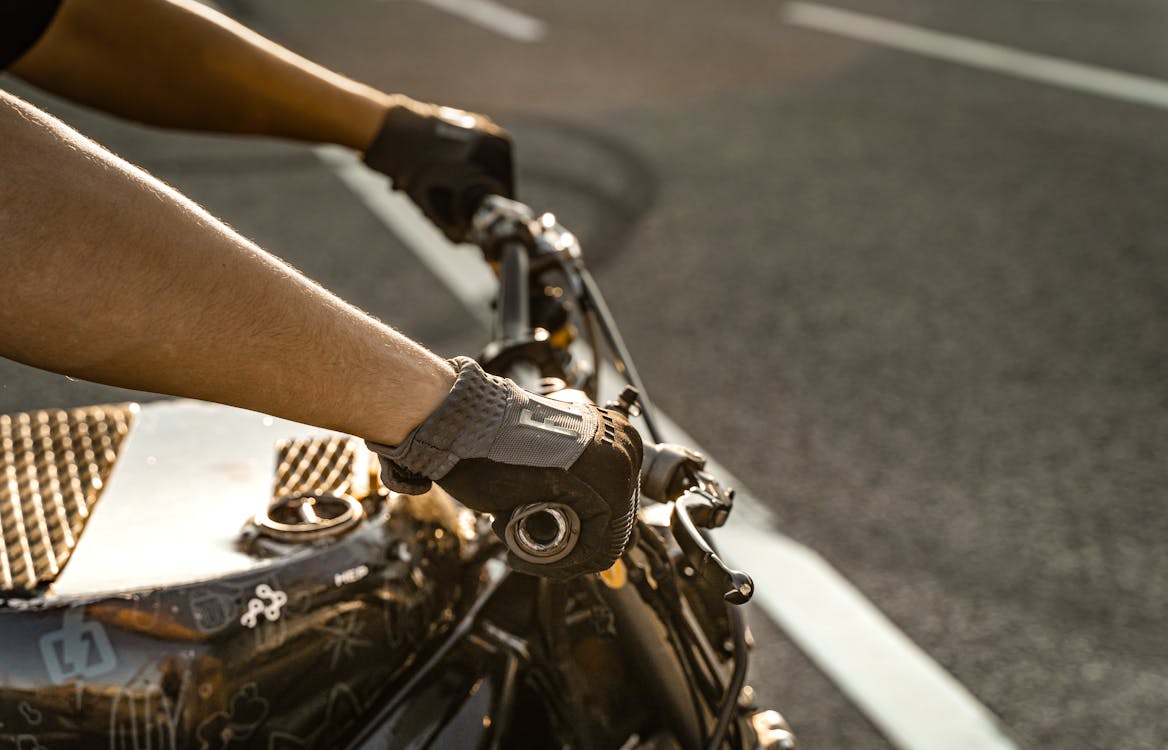
Hands go down first. It's human instinct — when you fall, you reach out to catch yourself. Without gloves, that means shredded palms, broken fingers, and damaged wrists. Motorcycle-specific gloves are reinforced at the palm and knuckles, often with slider pucks and wrist protection built in. They don't have to be bulky or uncomfortable — summer gloves with CE-rated knuckle protection are widely available and still offer serious protection over bare skin.
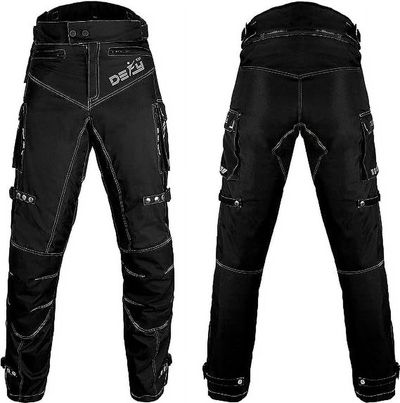
4. Pants
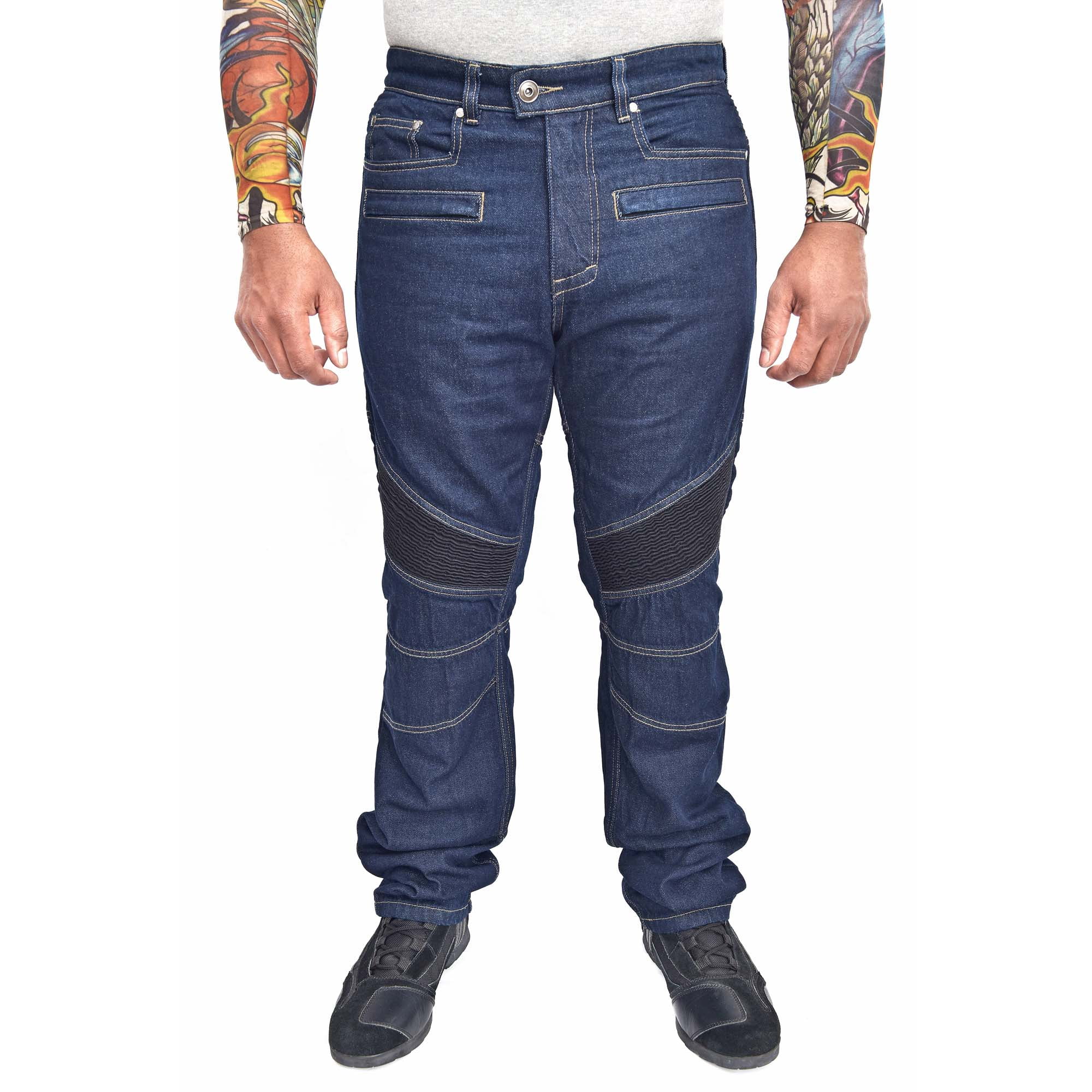
This is where many riders cut corners, and it's completely understandable — riding pants can feel like overkill on a short errand run. But your legs and hips take enormous punishment in a crash. Riding pants made from leather or reinforced textile include armor at the knees and hips, and some feature CE-rated hip protectors that can mean the difference between a bruise and a shattered pelvis.
If dedicated riding pants feel like too big a commitment, look into armored riding jeans — they look like regular denim but include kevlar or Dyneema lining and CE-rated armor. They're wearable all day and provide real protection.
5. Boots
Your feet and ankles are at serious risk in a crash — and even in a low-speed tip-over. Motorcycle-specific boots offer ankle support, sole stiffness to protect against crushing forces, and toe box reinforcement. They don't have to be tall, heavy motocross boots; plenty of low-profile, street-friendly options look like normal shoes but include the structural protection your feet need.
Gear for Every Budget
One of the most common objections to wearing full gear is cost, and that's a valid concern. Quality gear is an investment. But the good news is that protective riding gear exists at virtually every price point, and the used market is robust. Consider this: a solid entry-level helmet, jacket with armor, gloves, pants, and boots can be assembled for under $500 if you shop smartly. Compare that to a single emergency room co-pay — or a lifetime of chronic pain from a preventable injury.
- Helmets: Entry-level DOT/ECE certified options start around $100-$150.
- Jackets: Textile jackets with CE-rated armor are available from $150-$300 at the entry level.
- Gloves: Solid summer riding gloves start around $40-$60.
- Pants: Armored riding jeans can be found for $80-$150.
- Boots: Entry-level riding boots with ankle protection start around $80-$120.
The "It Won't Happen to Me" Problem
Experienced riders sometimes feel that their skill level reduces their gear requirement. This thinking has a fundamental flaw: most motorcycle crashes involve factors entirely outside the rider's control. A car that runs a red light. Gravel on a blind corner. A deer at dusk. No amount of skill prevents a crash that you didn't see coming, and your gear doesn't know — or care — how many years you've been riding.
New riders, on the other hand, sometimes skip gear because they're riding slowly and close to home. But statistics consistently show that a significant percentage of crashes happen within a few miles of the rider's home, in familiar territory, often at relatively low speeds. Low-speed crashes still cause serious injuries to unprotected riders.
Make It a Habit, Not a Decision
The easiest way to consistently wear gear is to stop making it a decision at all. Helmet, jacket, gloves, pants, boots — every time, before you touch the bike. Build the ritual. Lay your gear out the night before. Keep it accessible. Make gearing up as automatic as buckling a seatbelt. The days when you feel like skipping it — when you're running late, when it's hot, when the ride is short — are the days the habit matters most.
Riding is worth protecting. You are worth protecting. Wear the gear, y'all — every single ride.