Los Angeles Riders: California's 2026 Lane-Splitting Guidelines Are Here — What You Need to Know
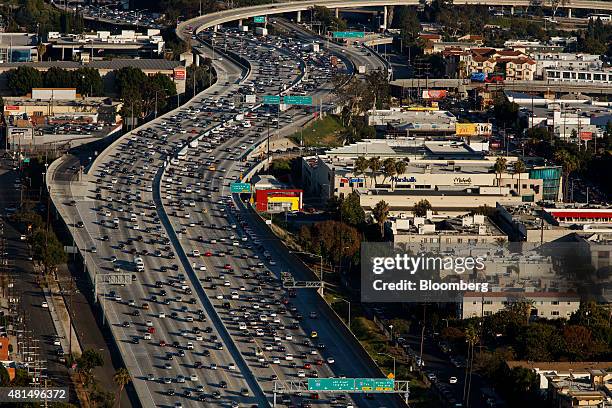
If you're one of the thousands of motorcycle commuters who thread through Los Angeles traffic every morning on the 405, the 101, or the gridlocked stretch of the 10 through Downtown, lane-splitting isn't just a convenience — it's practically a survival strategy. California remains the only state in the continental U.S. where lane-splitting is explicitly legal, and that distinction has long made it a rider's paradise compared to the rest of the country. But with the California Highway Patrol releasing updated lane-splitting guidelines for 2026, SoCal riders need to pay close attention to what's new, what's clarified, and what could get you pulled over if you're not up to speed.
A Quick Refresher: Lane-Splitting Is Legal in California — With Conditions
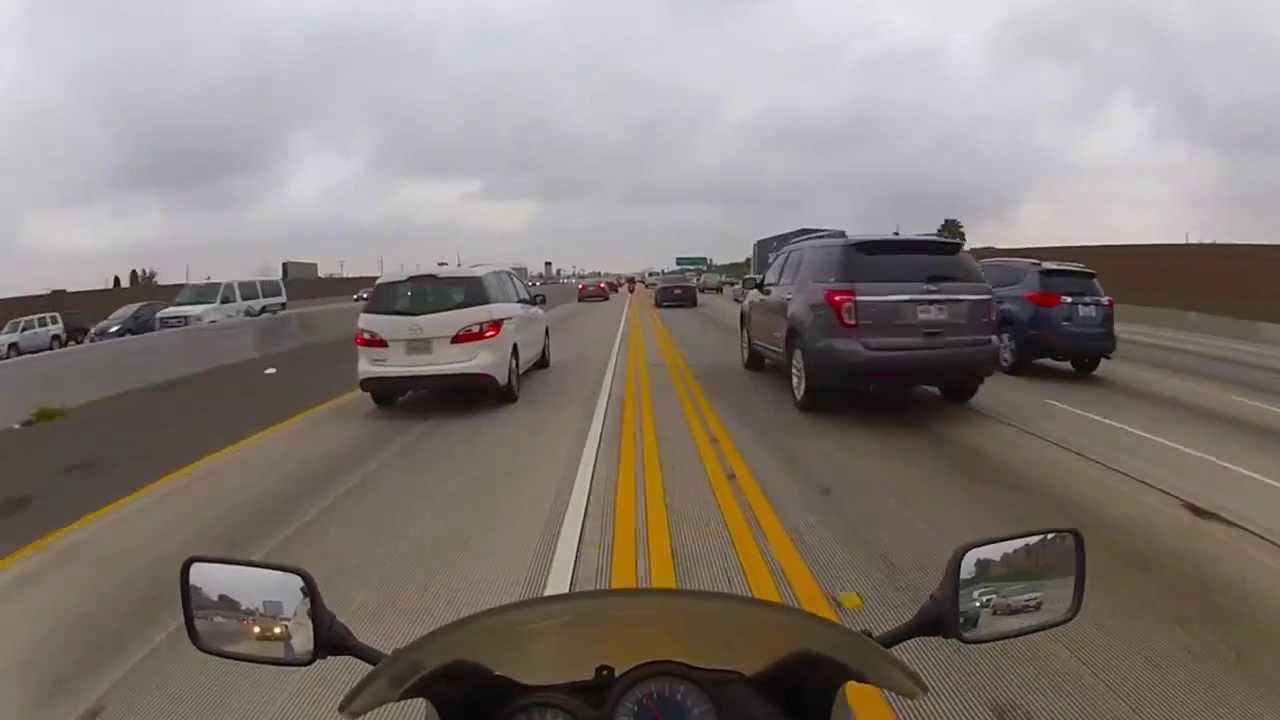
California formally legalized lane-splitting in 2016 under Assembly Bill 51, which authorized the California Highway Patrol to develop educational guidelines for safe lane-splitting behavior. Critically, the law itself does not set specific speed limits for the practice — instead, it delegates that guidance to the CHP. The 2018 guidelines that followed became the de facto rulebook for most California riders. The 2026 update refines and expands on those original guidelines, incorporating years of collision data, rider feedback, and input from traffic safety researchers.
It's important to note that lane-splitting — traveling between lanes of same-direction traffic — is distinct from lane-filtering (moving through stopped traffic at intersections), though riders and media often use the terms interchangeably. California's legal framework has historically focused on freeway lane-splitting, and the 2026 update continues that emphasis while adding new language around surface streets and construction zones.
What the 2026 Guidelines Change for SoCal Commuters
Speed Differential Clarification
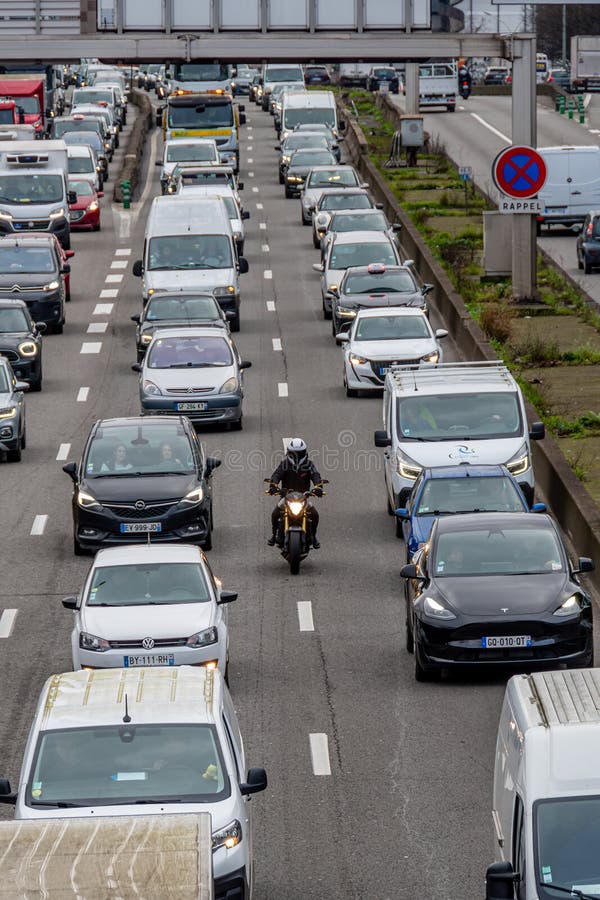
One of the most talked-about elements of the updated guidelines is a clearer articulation of the speed differential principle. The original 2018 guidelines suggested riders should not travel more than 10 mph faster than surrounding traffic when lane-splitting. The 2026 framework reaffirms this benchmark but adds important context: that 10 mph differential applies most safely when overall traffic is moving at 30 mph or below. At higher traffic speeds — say, when freeway traffic is flowing at 55 mph — the CHP guidance strongly discourages lane-splitting entirely, recommending riders simply travel with traffic instead. For Los Angeles commuters used to threading gaps at 70 mph on a relatively open freeway, this is a meaningful distinction worth internalizing.
Lane Positioning Guidance
The updated guidelines place stronger emphasis on which lanes are appropriate for splitting. The CHP continues to recommend that riders split primarily between the far-left lanes — lanes 1 and 2 — where drivers are generally more alert and less likely to make sudden lane changes. The 2026 update adds explicit caution about splitting in lanes adjacent to on-ramps and off-ramps, a particularly relevant note for LA freeways where interchange density is extremely high. If you're riding the Harbor Freeway or approaching the complex interchange at the 10/405, be especially conservative in those transition zones.
Construction Zones and Special Conditions
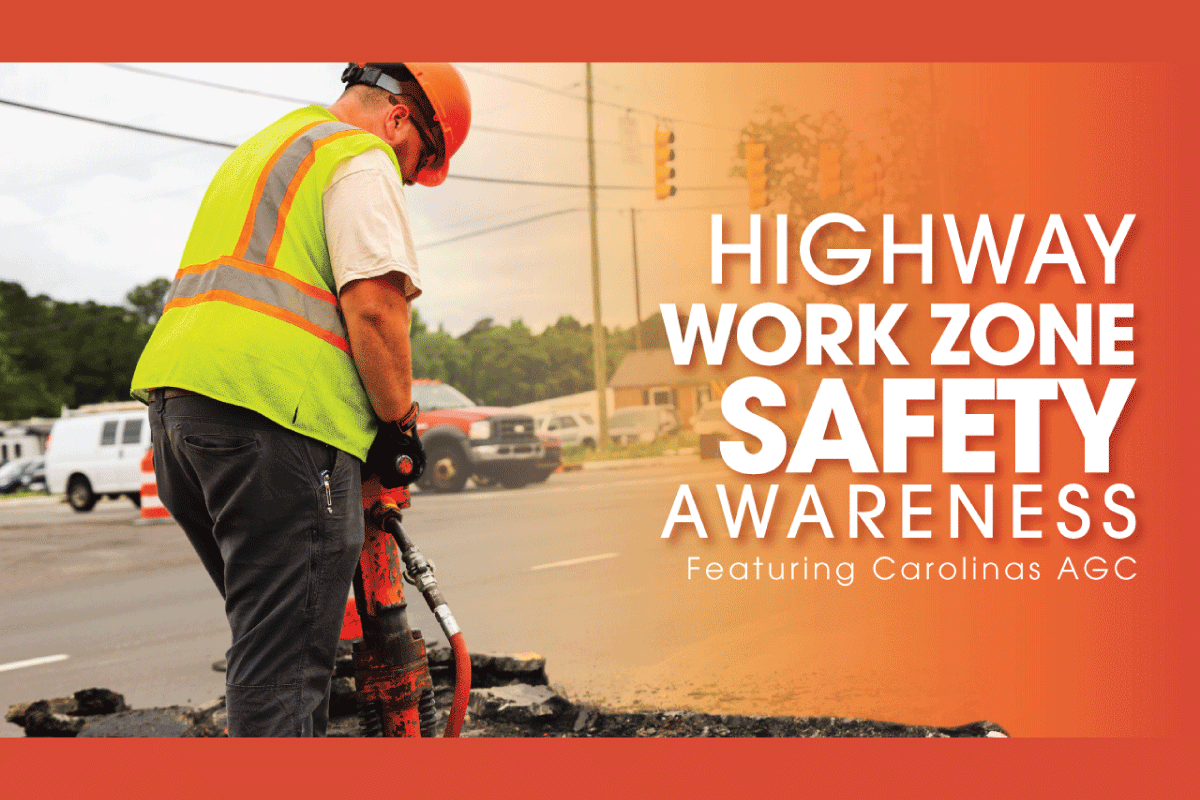
A new section in the 2026 guidelines addresses lane-splitting in active construction zones. The guidance is straightforward: don't do it. Narrowed lanes, unpredictable worker and equipment movements, and inconsistent road surfaces make construction zones genuinely dangerous for lane-splitting even by experienced riders. Given the scale of ongoing infrastructure work across Los Angeles — including various freeway expansion and repaving projects — this is guidance that directly applies to the local riding environment. Check for active construction on your regular commute routes and plan accordingly.
Nighttime and Low-Visibility Conditions
The updated framework also adds more explicit language around nighttime lane-splitting and riding in low-visibility conditions such as heavy rain or fog. While not outright prohibited, the guidelines note that the safety calculus changes significantly after dark or when weather reduces sight lines, as driver awareness of motorcycles drops considerably. For LA riders, this matters most in the early morning commute hours during the winter months when marine layer and marine fog can settle across coastal freeways like the PCH connector routes and the 105.
What Hasn't Changed
Despite the updates, the core legal framework remains intact. Lane-splitting is still legal. There is still no hard speed cap written into state law — the guidelines are educational, not statutory. Law enforcement uses the guidelines as a reference, but a CHP officer's determination of whether lane-splitting was "unsafe" involves situational judgment. This means riding with consistent good judgment, not just technical compliance with a number, remains your best legal protection. Keep your speed differential modest, stay visible, use your headlight at all times, and avoid splitting when you're fatigued, unfamiliar with a route, or riding in conditions that reduce your own reaction time.
Practical Tips for Staying Legal and Safe on LA Freeways
- Know your corridors: Certain LA freeways have predictable bottlenecks. The 405 through the Sepulveda Pass, the 110 approaching Downtown, and the 101 through Hollywood all have unique characteristics. Ride them enough to anticipate where drivers drift lanes unexpectedly.
- Watch for SUVs and trucks in lane 1: Larger vehicles have larger blind spots and are statistically more likely to be involved in lane-splitting incidents. Give them extra clearance.
- Use your high-beam strategically: In slow-moving stop-and-go traffic, a high-beam during daylight hours increases your visibility in mirrors significantly.
- Don't split when you're frustrated: LA traffic is infuriating. Emotional riding leads to aggressive speed differentials and poor gap judgment. If you're angry, don't split.
- Stay current with CHP publications: The official guidelines are available through the CHP website and are periodically updated. Check local rider organizations and the California Motorcyclist Safety Program for community-level updates and clarifications as the 2026 framework rolls out fully.
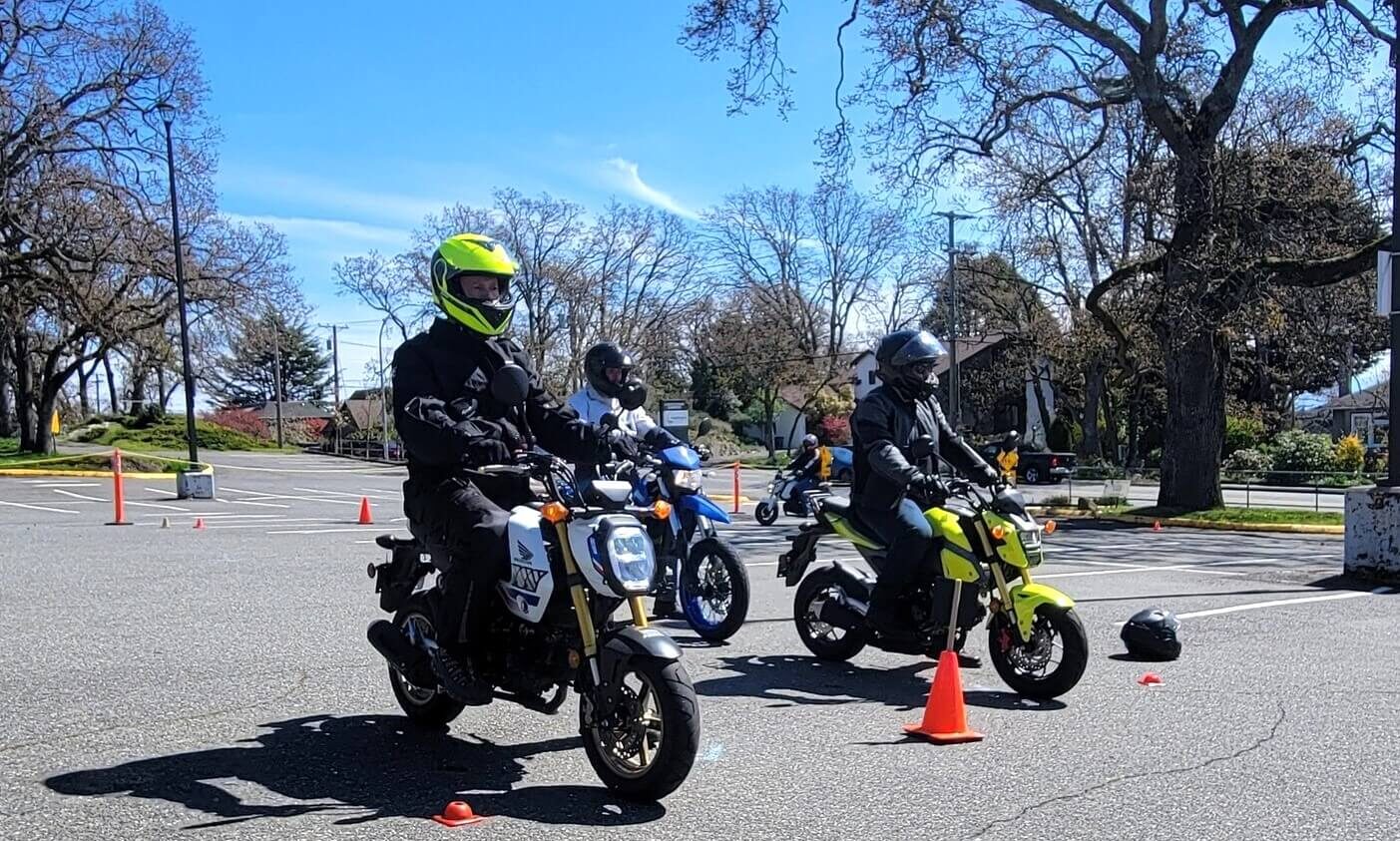
- Consider MSF or advanced training: The Motorcycle Safety Foundation and California-based training programs offer advanced street riding courses that directly address urban splitting scenarios. If you're new to commuting in LA traffic, a course investment pays dividends quickly.
The Bigger Picture for SoCal Riders
Los Angeles is, in many ways, the proving ground for lane-splitting policy in the United States. Other states are watching California's data and regulatory approach as they consider their own lane-filtering and splitting legislation. The 2026 guideline update reflects a maturing regulatory posture — one that takes the practice seriously enough to refine it rather than simply permit it and walk away. For the SoCal riding community, that's broadly good news. Clearer guidance protects riders legally, helps set community standards, and gives law enforcement a more consistent framework for enforcement decisions.
If you're unsure about specific details of the 2026 guidelines as they apply to your commute, check with local rider organizations such as the ABATE of California Southern California chapters or your local dealership's rider community board — many are already hosting informal briefings on the updates. Staying informed isn't just smart riding; in Los Angeles traffic, it's essential.