The Split Is Official: A New Era for Two Very Different Brands
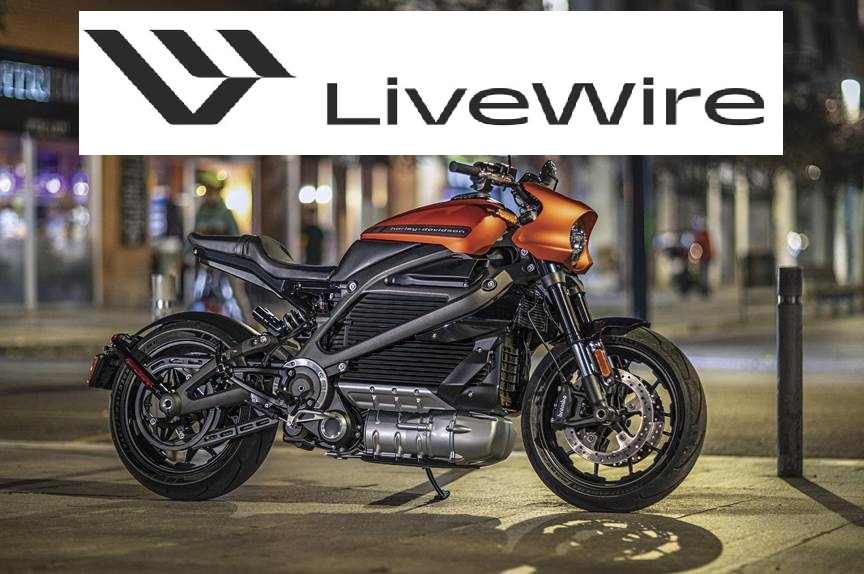
After years of speculation, mixed financial results, and an evolving electric vehicle market, Harley-Davidson has formally confirmed the complete brand separation from LIVEWIRE. What began as a bold attempt to future-proof the iconic American motorcycle company has evolved into something more pragmatic — two independent entities with distinct identities, customer bases, and product roadmaps. For riders watching the electric motorcycle space, this is one of the most consequential industry developments heading into 2027.
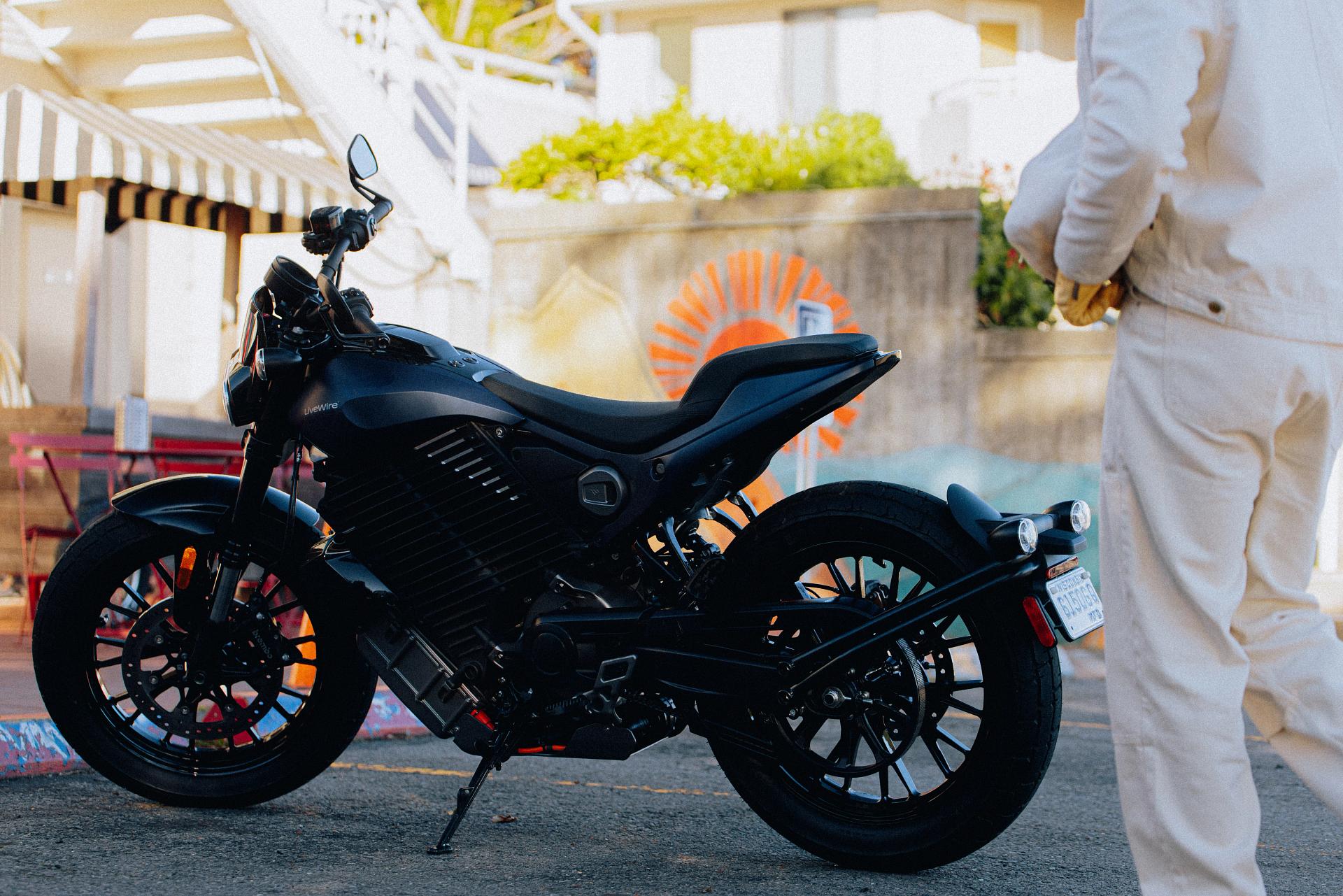
The separation means LIVEWIRE will now operate as a fully standalone electric motorcycle brand, no longer leaning on the Harley-Davidson name for credibility or distribution. Meanwhile, Harley-Davidson will double down on what it does best — big-displacement V-twin cruisers, touring behemoths, and the lifestyle ecosystem that's made it one of the most recognizable brands on the planet. On paper, the logic is clean. In practice, the implications for buyers run deep.
Why Did the Split Happen?
The roots of this decision go back to 2021, when LIVEWIRE was spun off as a separate publicly traded company through a SPAC merger. At the time, it was a bold move — the first public EV motorcycle company in the United States. But the market didn't respond with the enthusiasm Harley-Davidson had hoped for. LIVEWIRE's stock struggled, sales volumes remained modest compared to projections, and the brand found itself caught in an awkward middle ground: too premium for casual EV converts, and too unfamiliar for hardcore Harley loyalists.
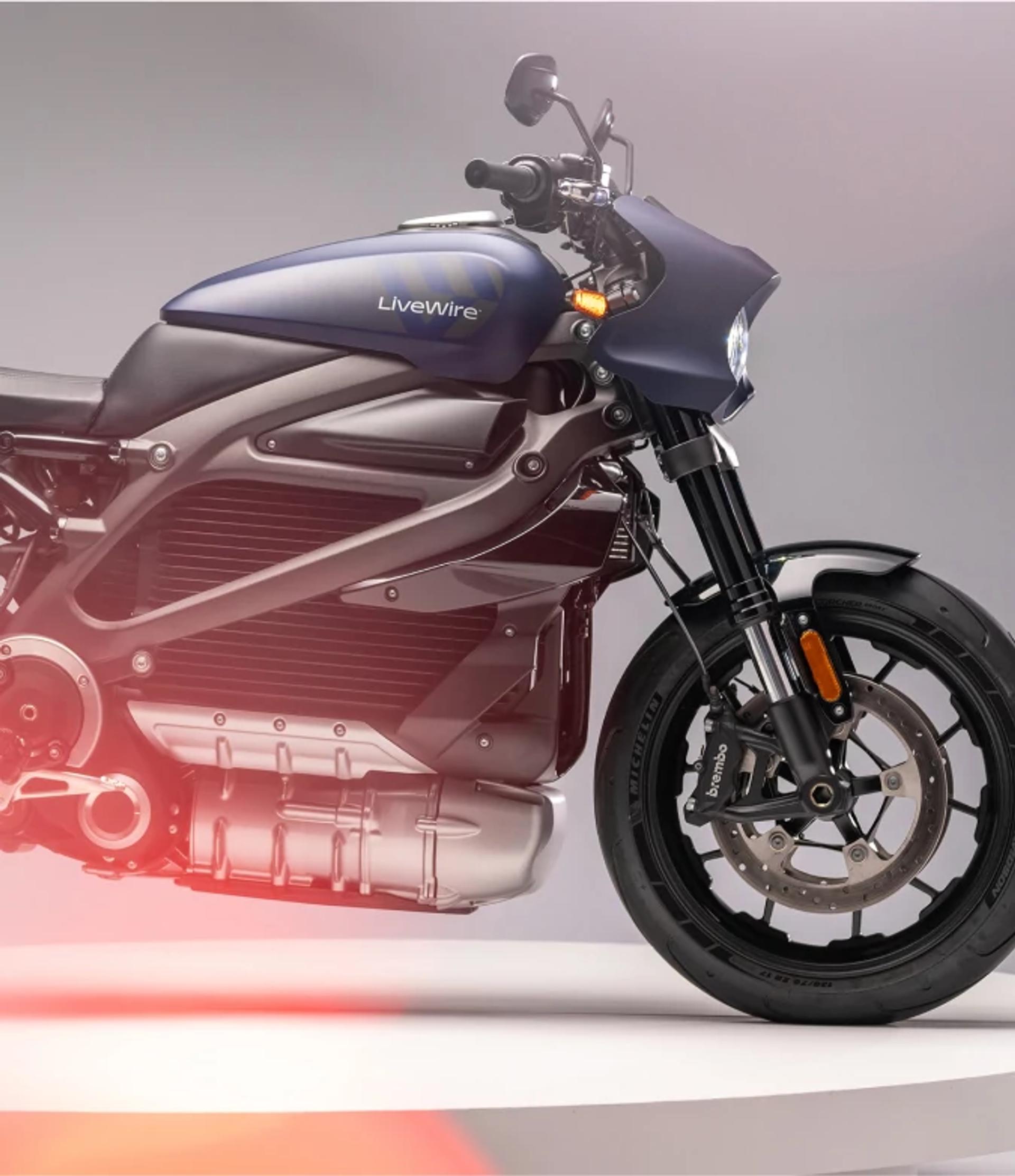
Internally, the dual-brand structure created friction. Harley's dealer network, built around wrenches, leather, and weekend rallies, wasn't the natural home for sleek electric street fighters. Marketing messaging was muddled. And as legacy automakers and dedicated EV startups poured billions into the segment, LIVEWIRE needed the freedom to move faster, pivot harder, and build an identity that wasn't tethered to a 120-year-old institution's legacy.
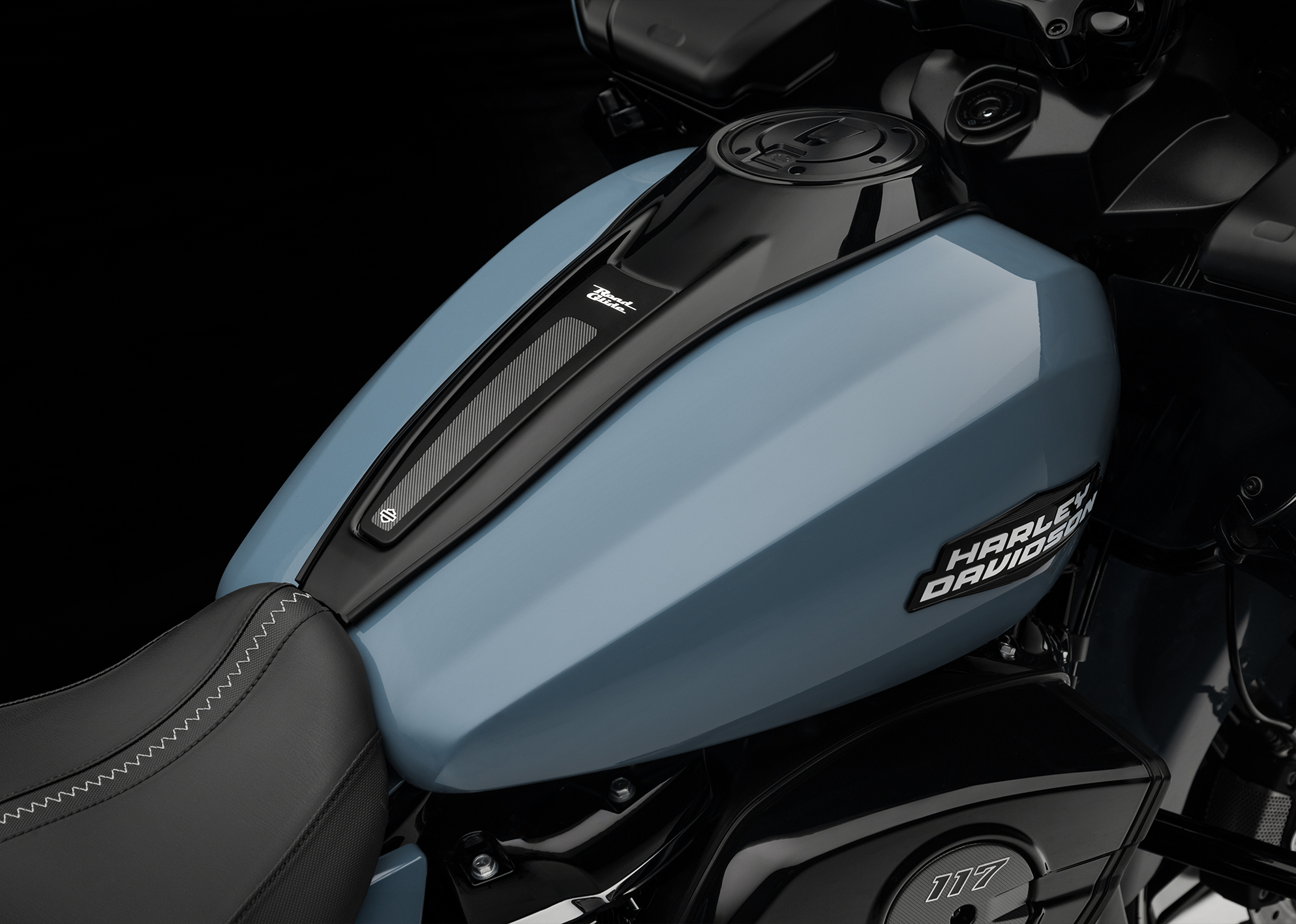
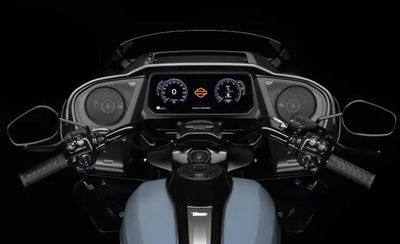
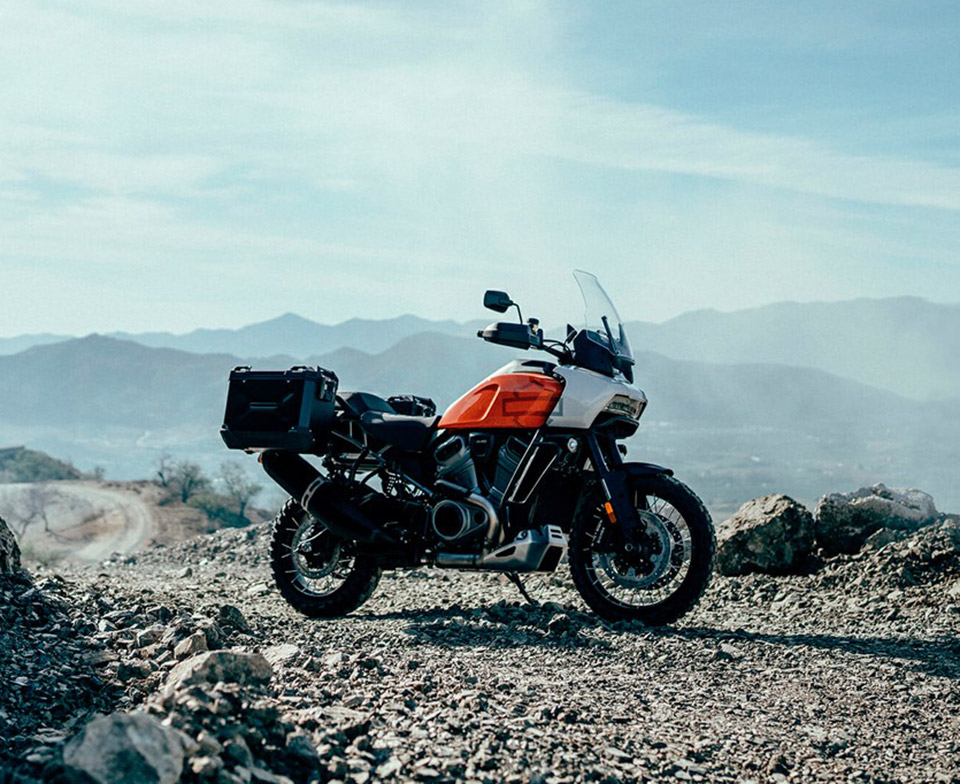
For Harley-Davidson, cutting the formal tie allows leadership to focus capital and attention on its core customers — riders who still line up for the new Road Glide and Pan America, not necessarily the next software update on a connected electric bike.
What LIVEWIRE Looks Like as a Standalone Brand in 2027
Flying solo gives LIVEWIRE something it's always needed: clarity. Without the Harley-Davidson umbrella, the brand is free to court a new generation of riders, urban commuters, and performance enthusiasts who may have actively avoided anything with a Bar and Shield logo. The rebrand isn't just cosmetic — it's structural.
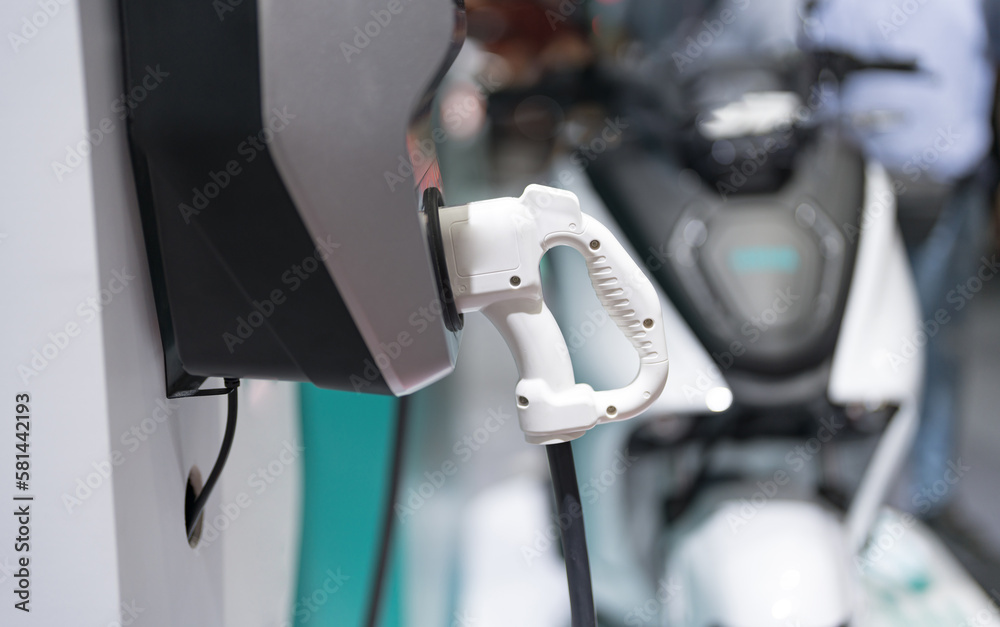
Expect LIVEWIRE's 2027 lineup to reflect a more aggressive push into multiple segments. The brand has already shown intent with models beyond its original flagship, exploring both performance-oriented street bikes and more accessible everyday riders. Without the Harley parent constraining the price ceiling or brand positioning, LIVEWIRE can theoretically compete more directly with Zero Motorcycles, Energica, and even the incoming wave of Asian electric manufacturers.
Key LIVEWIRE Models to Watch
- LIVEWIRE ONE — The brand's cornerstone model, a naked electric streetfighter that remains the benchmark for what LIVEWIRE builds. Expect an updated version with longer range and improved charging speeds for 2027.
- LIVEWIRE DEL MAR — The more affordable, street-oriented sibling that broadened the brand's accessibility. A second-generation model is anticipated with sharper pricing to compete in the mid-tier EV space.
- LIVEWIRE STACYC-influenced models — The brand's ownership of STACYC, the electric balance bike company for kids, hints at a longer vision of building EV riders from the ground up. Expect more crossover product thinking.
What Harley-Davidson's Future Looks Like Without the EV Weight
For traditional Harley riders, the separation may actually come as a quiet relief. The brand can now invest its identity fully in the combustion and hybrid future that its core demographic actually wants. There have been rumblings of Harley exploring hybrid powertrains as a bridge technology — something that could extend range and reduce emissions without abandoning the sound and feel that defines the Harley experience.
The 2027 Harley-Davidson lineup is expected to continue expanding the Pan America adventure series, refine the Sportster family, and introduce new touring variants under the Road Glide and Street Glide banners. The company has also been vocal about protecting and growing the custom and lifestyle segments — areas where no electric bike, regardless of brand, has yet made a significant dent.
Harley Models Continuing to Define the Brand
- Harley-Davidson Road Glide — Still the gold standard for long-haul American touring, with technology updates expected in 2027.
- Harley-Davidson Pan America — The adventure touring entrant that proved Harley could compete in new segments. A second generation is widely anticipated.
- Harley-Davidson Nightster — The sportier, stripped-back Sportster-family entry point that's drawing younger riders into dealerships.
What This Means If You're Shopping for an Electric Motorcycle in 2027
For buyers, the practical takeaway is straightforward: LIVEWIRE is now a pure-play electric brand competing on its own merits. That's actually a good thing. It means the product decisions, pricing, and dealer experience will be shaped entirely around the electric rider's needs — not balanced against what a V-twin touring customer expects when they walk into a showroom.
LIVEWIRE's independent dealer and service network will need to mature quickly. One of the persistent criticisms has been the limited number of LIVEWIRE-certified service points outside major metropolitan areas. As a standalone brand, fixing that gap becomes existential, not optional.
On the flip side, if you're a rider who's been curious about electric but still wants to keep one foot in the Harley world, that door hasn't fully closed. Harley has not ruled out eventual electric or hybrid products under its own name down the road. The separation is a strategic pivot, not a permanent philosophical divorce from electrification.
The Bigger Picture for the Electric Motorcycle Industry
The LIVEWIRE-Harley split sends a signal to the broader market: EV motorcycles need focused, dedicated brands to succeed — not electric divisions quietly managed inside legacy companies. We've seen this play out in the automotive world, where dedicated EV brands often outperform EV sub-lines from traditional manufacturers in terms of innovation speed and customer perception.
As 2027 approaches, the electric motorcycle segment is heating up with new entrants from Europe and Asia, improving battery technology, and a charging infrastructure that's finally starting to make long-distance electric riding viable. LIVEWIRE, now unencumbered, has a genuine opportunity to lead that conversation in North America. Whether it can execute on that opportunity — with the right products, the right price points, and the right riding experience — is the question the industry will be watching closely.
For riders, the advice is simple: watch this space carefully. The next 18 months will define whether LIVEWIRE emerges as a serious electric contender or a cautionary tale about the challenges of reinvention. Either way, the split is real, the stakes are high, and the road ahead for both brands is anything but predictable.