Harley-Davidson's Bold Hybrid Move: A New Chapter for the V-Twin
Harley-Davidson has long been synonymous with the thunderous rumble of its air-cooled V-twin engines — a sound and feel that has defined American motorcycle culture for over a century. But a newly filed patent is signaling that even the Motor Company isn't immune to the winds of electrification blowing through the industry. The patent, uncovered in filings with the United States Patent and Trademark Office, describes a parallel hybrid powertrain that integrates an electric motor directly alongside a conventional V-twin combustion engine. It's a significant development, and it raises plenty of questions for riders, enthusiasts, and industry watchers alike.
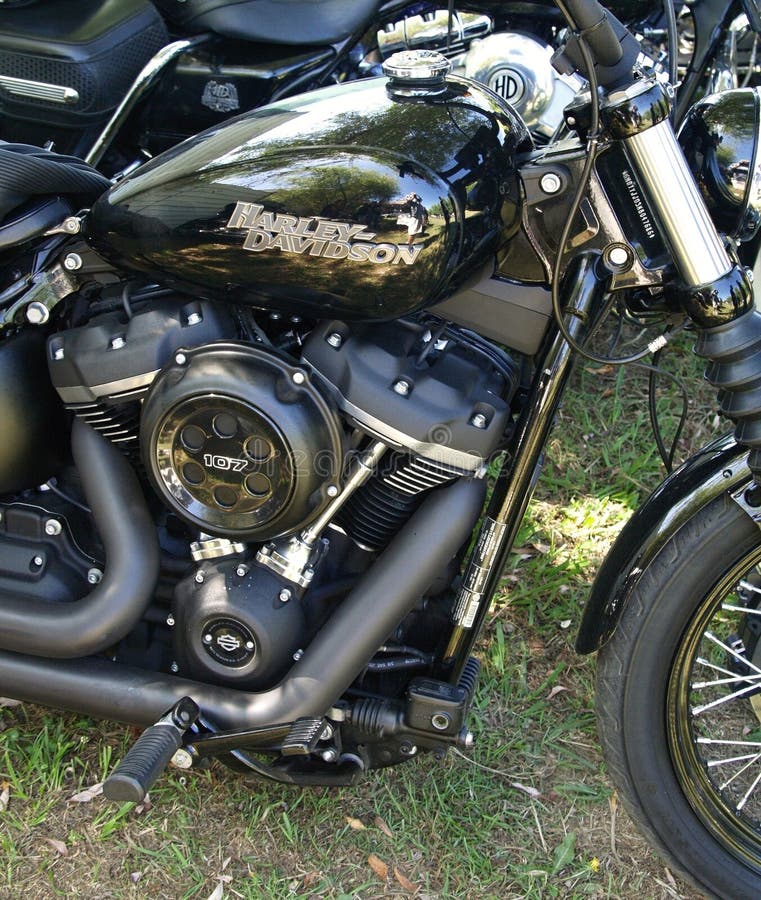
The iconic Harley V-twin engine
What the Patent Actually Describes
The patent details a hybrid drivetrain architecture in which an electric motor is positioned within the primary drive system — the same area that traditionally houses the compensator sprocket and primary chain drive on a Harley-Davidson Big Twin. This placement is clever because it allows the electric motor to assist, supplement, or even temporarily replace the combustion engine's output without requiring a complete redesign of the motorcycle's fundamental layout.
Technical illustration of a hybrid motorcycle drivetrain
In practical terms, this is a parallel hybrid configuration, meaning the combustion engine and electric motor can operate simultaneously or independently depending on riding conditions. The system appears to include regenerative braking capability, which would recapture kinetic energy during deceleration and feed it back into the battery pack — a feature already common in hybrid cars and electric motorcycles like those in Harley's own LiveWire lineup.
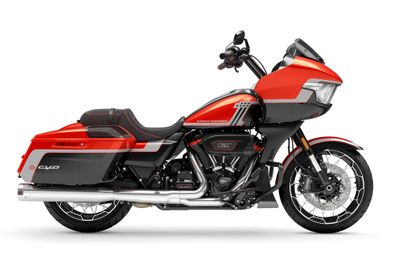
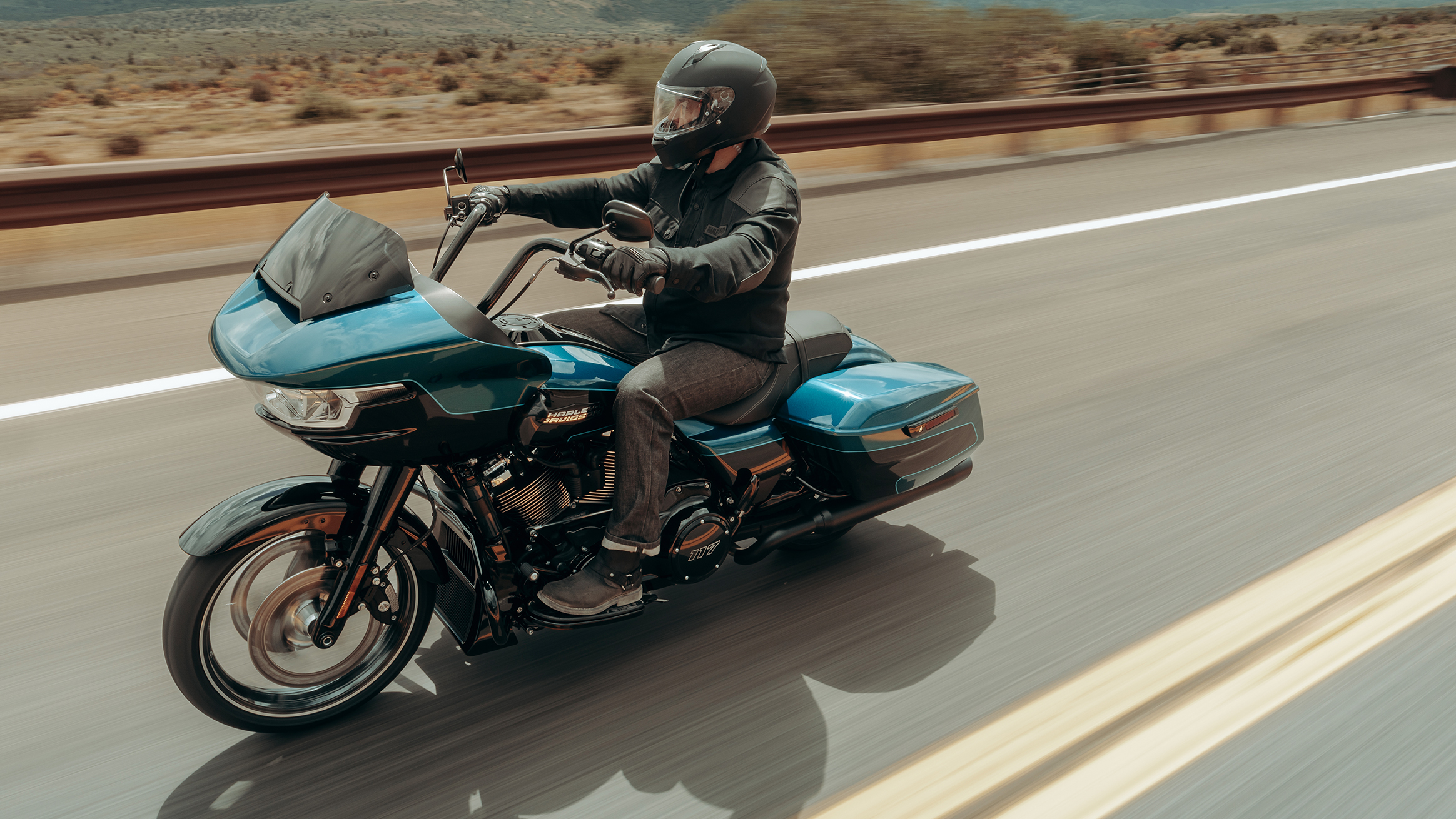
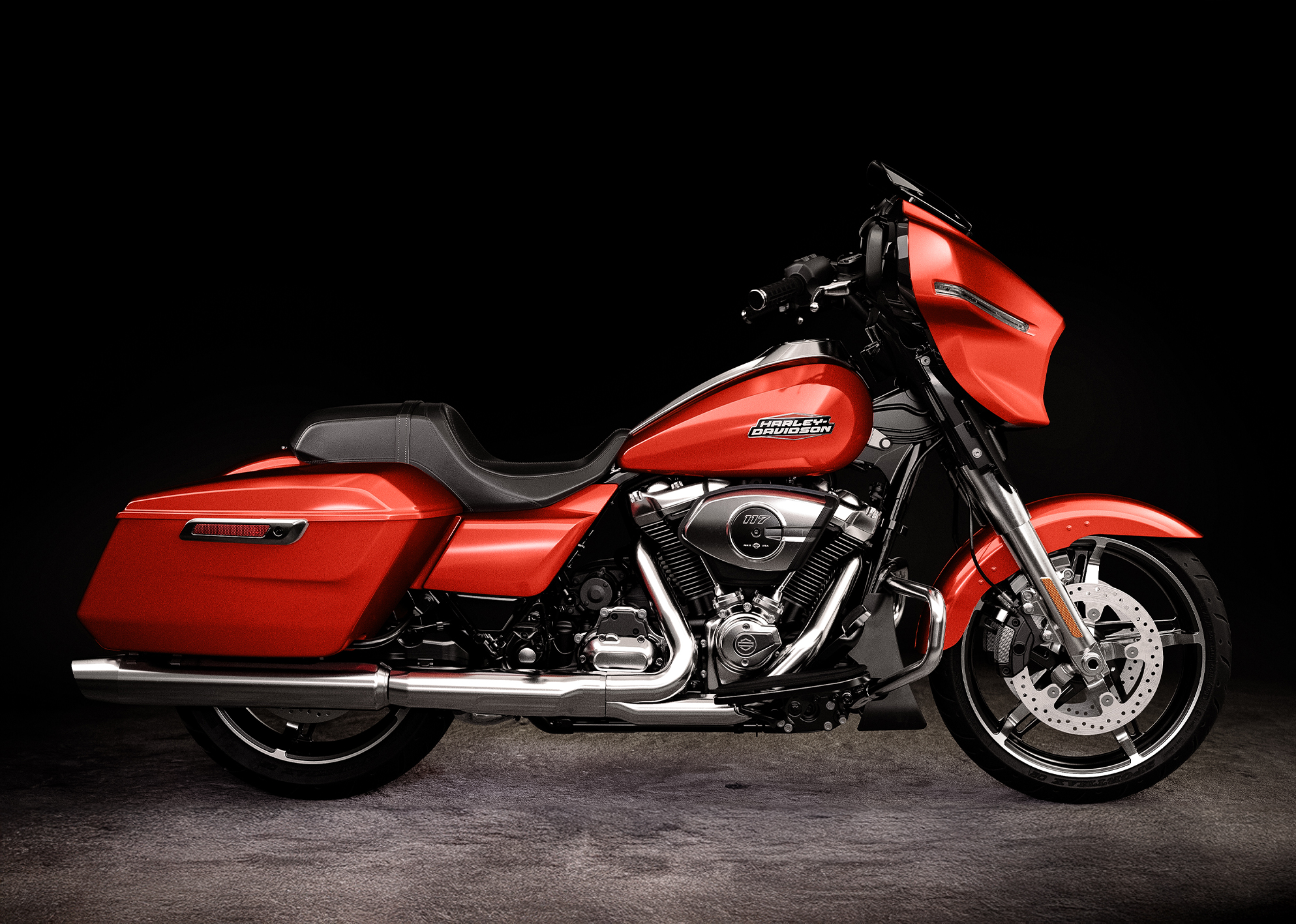
Harley touring model on the road to illustrate hybrid application
The patent also references a battery management system and control unit that would govern how power is distributed between the two sources, suggesting a level of electronic sophistication well beyond anything currently in Harley's combustion-engine lineup.
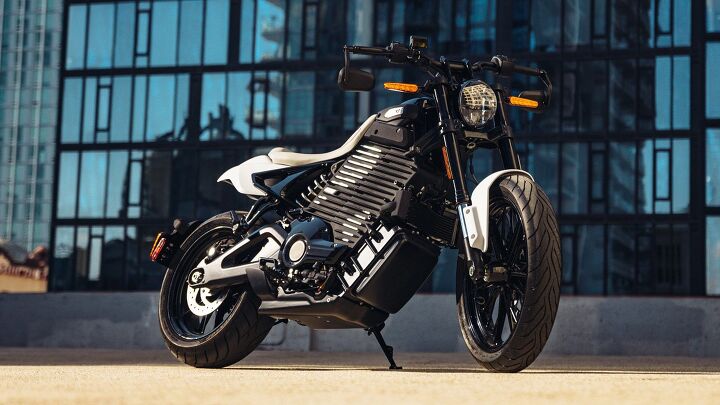
LiveWire electric motorcycle for brand connection section
Why Would Harley-Davidson Go Hybrid?
This is the question on every traditionalist's lips. Harley has spent years carefully managing the tension between innovation and heritage, and the introduction of a hybrid V-twin is about as bold a step as the brand has taken since launching the LiveWire electric motorcycle in 2019.
The motivations, however, are clear when you look at the broader industry landscape:
Tightening emissions regulations: Euro 5+ standards in Europe and increasingly strict EPA requirements in the United States are pushing all manufacturers to reduce tailpipe emissions. A hybrid system could allow Harley to meet these standards without abandoning the V-twin entirely.
Performance gains: Electric motors deliver instant torque at zero RPM. Paired with a V-twin's existing torque curve, a hybrid system could produce genuinely impressive low-end grunt — exactly the kind of performance Harley riders love.
Fuel efficiency: Harley's touring bikes, particularly the Road Glide and Street Glide models, are popular for long-distance travel. A hybrid system could meaningfully improve fuel economy on extended highway runs, reducing stop frequency on cross-country trips.
Appealing to new riders: Younger buyers increasingly expect electrification technology in their vehicles. A hybrid Harley could serve as a bridge, attracting riders who want modern tech without fully committing to a battery-only motorcycle.
What It Could Mean for the Riding Experience
Let's be honest — the most pressing question for any Harley rider reading this is simple: What will it feel like?
If implemented well, the hybrid powertrain could actually enhance the traditional Harley riding experience rather than dilute it. Imagine pulling away from a stoplight with the electric motor delivering an immediate surge of torque before the V-twin fully spools up. Or cruising through a noise-restricted area with the combustion engine in a low-load state, the electric motor quietly smoothing out the ride. On long touring stretches, the system could optimize fuel burn and reduce engine heat — a known complaint on hotter-running modern Harley engines.
Regenerative braking, if tuned correctly, could also add a subtle engine-braking feel that experienced riders may actually appreciate. However, Harley will need to be thoughtful here — too aggressive a regeneration setting could disrupt the smooth, flowing riding style that cruiser enthusiasts expect.
The added weight of a battery pack and electric motor is a legitimate concern, particularly for models like the Harley-Davidson Street Glide or Harley-Davidson Road Glide that are already on the heavier end of the spectrum. How Harley engineers balance the weight distribution will be critical to whether this system feels natural or cumbersome in the saddle.
The LiveWire Connection
It's worth noting that Harley-Davidson has already been developing electric powertrain expertise through its LiveWire brand, which operates as a separate entity. The LiveWire One and subsequent models have given Harley's engineers hands-on experience with battery management, electric motor integration, and the software systems needed to manage complex drivetrains. That knowledge is almost certainly informing this hybrid patent.
Rather than viewing the hybrid V-twin as a departure from Harley's identity, it might be more accurate to see it as a convergence of two paths the company has been walking in parallel — one rooted in combustion tradition, the other reaching toward an electric future.
Patents Don't Always Become Products — But This One Matters
It's important to keep perspective. Motorcycle manufacturers file patents constantly, and not every patent becomes a production motorcycle. Harley-Davidson has filed numerous patents over the years for technologies that never made it to showroom floors. However, the specificity and sophistication of this filing, combined with the regulatory pressures facing the industry, suggests this is more than just a speculative exercise.
Industry analysts have pointed out that a hybrid offering would neatly fill a gap in Harley's current lineup — sitting between the familiar combustion-engine models and the fully electric LiveWire bikes. It could also give dealers a compelling story to tell customers who are curious about electrification but not quite ready to let go of the V-twin sound and feel.
What Riders Should Watch For
If Harley does move this technology toward production, here are the key details to watch:
Which platform it debuts on: A Softail-based hybrid would target a different audience than a touring-oriented hybrid Road Glide.
Battery size and range: A small battery optimized for performance assist versus a larger pack aimed at extended electric-only range would represent very different product philosophies.
Sound engineering: Harley has trademarked its exhaust sound before. How the company manages the acoustic character of a hybrid V-twin will be as important as the performance numbers.
Pricing: Hybrid systems add cost. How Harley prices a hybrid model relative to its standard lineup will determine how many riders actually get to experience it.
The Bottom Line
Harley-Davidson filing a patent for a hybrid V-twin powertrain is not the end of the road for the internal combustion motorcycle — it's more like a fork in it. The brand is clearly exploring ways to evolve its most iconic asset without abandoning what makes it special. For riders, that's ultimately good news. More torque, better efficiency, and a path to regulatory compliance — all wrapped around the V-twin architecture that Harley's community has built decades of loyalty around. Whether it arrives in two years or five, this patent is a clear signal: the future of Harley-Davidson will have two power sources, and the journey is just getting started.