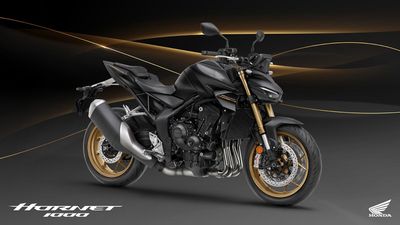
Honda's Bold New Patent: A V4 for Every Occasion
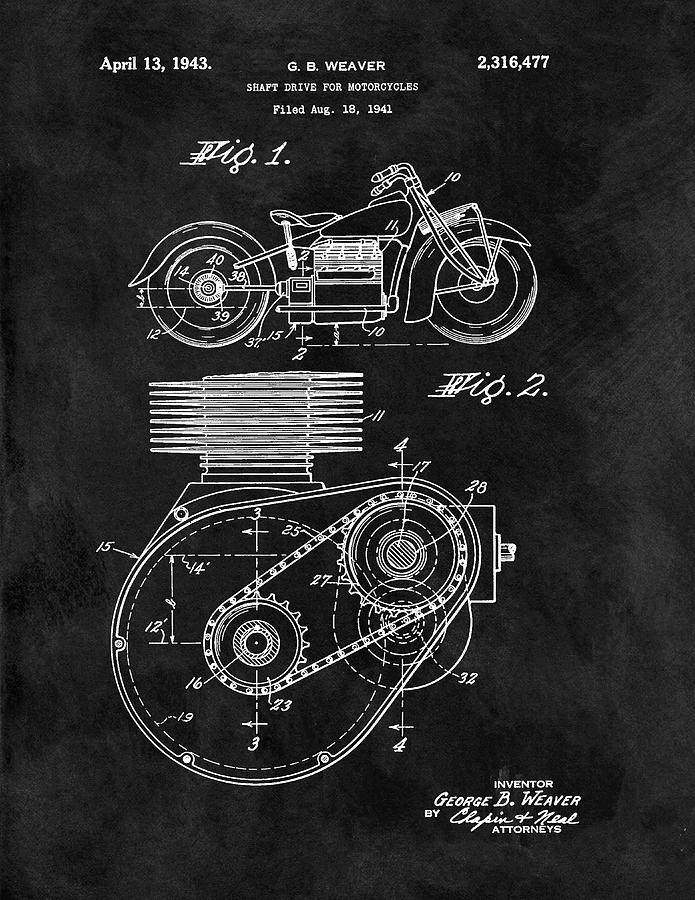
In a move that has sent shockwaves through the motorcycling world, Honda has officially filed a patent for a new V4 powertrain architecture intended to serve dual duty across two of its most iconic and commercially significant platforms — the CBR supersport series and the Africa Twin adventure range. While patent filings don't always guarantee production reality, Honda's history of translating core engineering patents into market-ready machines gives this one considerable weight. If the timeline holds, riders could be sitting astride something genuinely revolutionary by 2028.
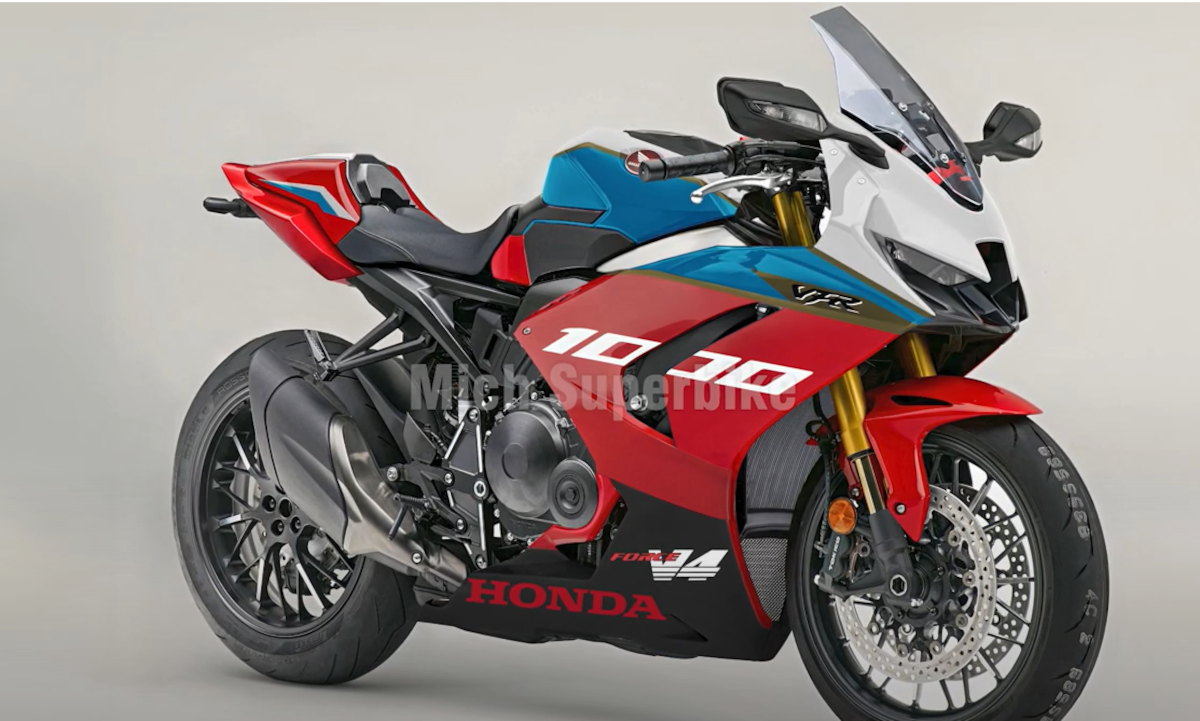
The patent documents, which have been reviewed by several industry analysts and patent-tracking publications, describe a compact, longitudinally mounted V4 configuration with a narrow angle between cylinder banks. This layout is notable because it allows the engine to be packaged tightly within a frame — a critical requirement for both a race-derived supersport machine and an adventure tourer where mass centralization and a manageable center of gravity are equally important.
What the Patent Actually Reveals
Patent language is deliberately broad, but several technical details stand out for those willing to read between the lines. The filing describes a shared crankcase architecture with interchangeable mounting points, suggesting Honda engineers have designed this engine from the ground up with platform flexibility as a primary goal rather than an afterthought. This is a fundamentally different approach from simply detuning a race engine for adventure use or bolting more displacement onto a street mill.
Key technical highlights from the filing include:
- Narrow-angle V4 configuration — estimated between 55 and 75 degrees, balancing primary vibration smoothness with packaging compactness
- Shared crankcase and bottom-end components — allowing economies of scale in manufacturing and easier parts sourcing across model lines
- Variable valve timing provisions — language in the patent suggests compatibility with Honda's existing VTEC-derived variable cam timing systems
- Modular electronics integration points — pre-engineered mounting and wiring provisions for different IMU, traction control, and ride-mode hardware packages
- Dual counterbalancer shaft provisions — allowing engineers to tune vibration characteristics differently for the supersport application versus the adventure touring context
Perhaps most intriguingly, the patent references differing stroke lengths achievable from the same bore spacing, implying Honda could produce multiple displacement variants — likely a higher-revving, smaller-displacement unit for the CBR and a longer-stroke, torque-focused version for the Africa Twin — without retooling the fundamental engine architecture.
Why a Shared Platform Makes Perfect Sense Right Now
On the surface, a high-revving supersport V4 and a long-travel adventure tourer seem like polar opposites. But from an engineering and business perspective, platform sharing has become the dominant strategy among major manufacturers navigating an increasingly complex regulatory and cost environment. Euro 5+ emissions standards, tightening noise regulations, and the sheer cost of developing clean-sheet powertrains are forcing manufacturers to think in platforms rather than individual models.
BMW has long done this across its GS and sport touring families. Ducati's Testastretta architecture has underpinned everything from the Panigale to the Multistrada for years. Honda, always methodical and typically unwilling to rush, appears to have been studying these approaches carefully. By investing heavily in one world-class V4 architecture now, the company positions itself to amortize that development cost across a much wider sales volume — ultimately delivering higher-specification engineering to riders at more accessible price points.
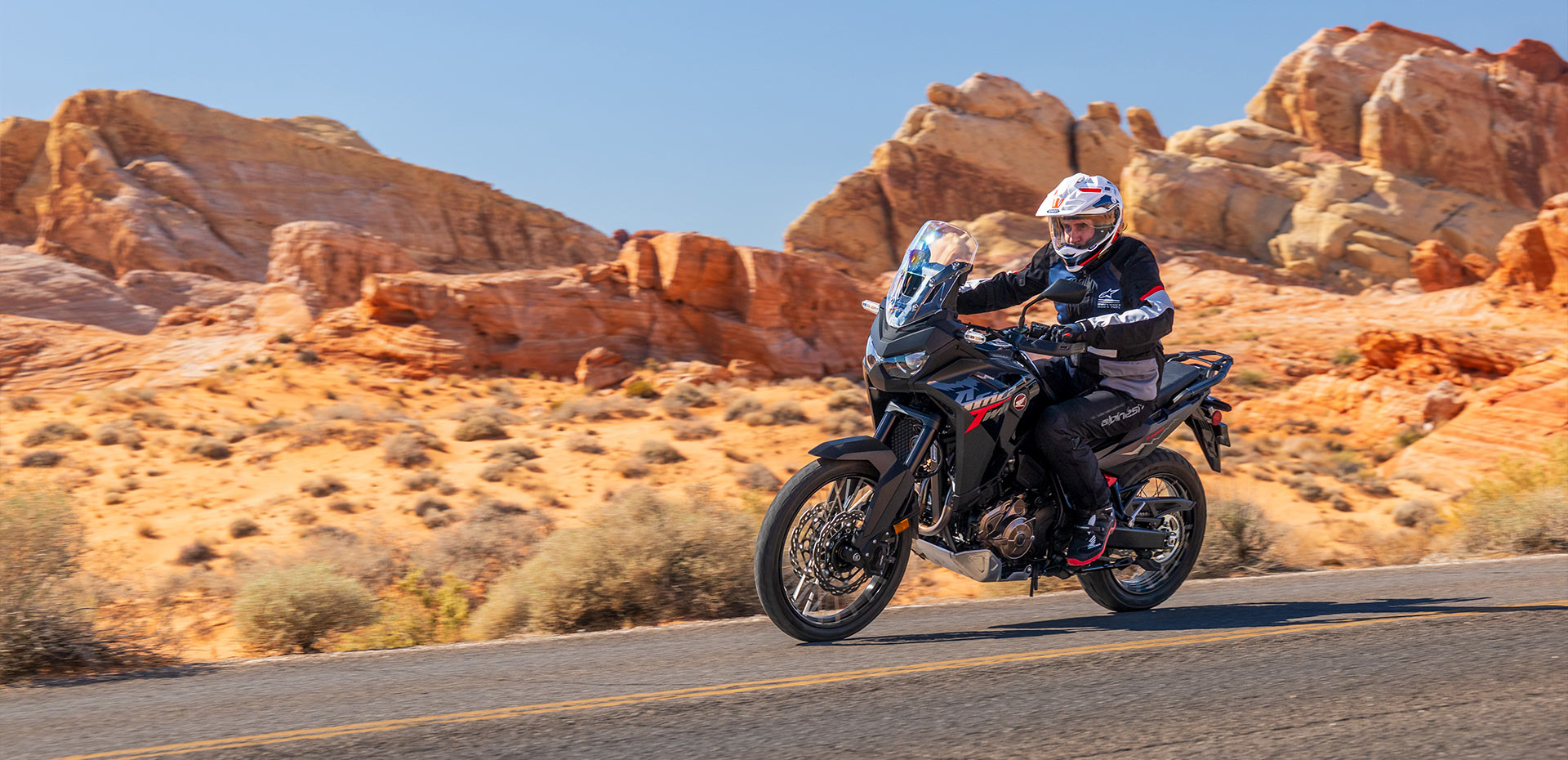
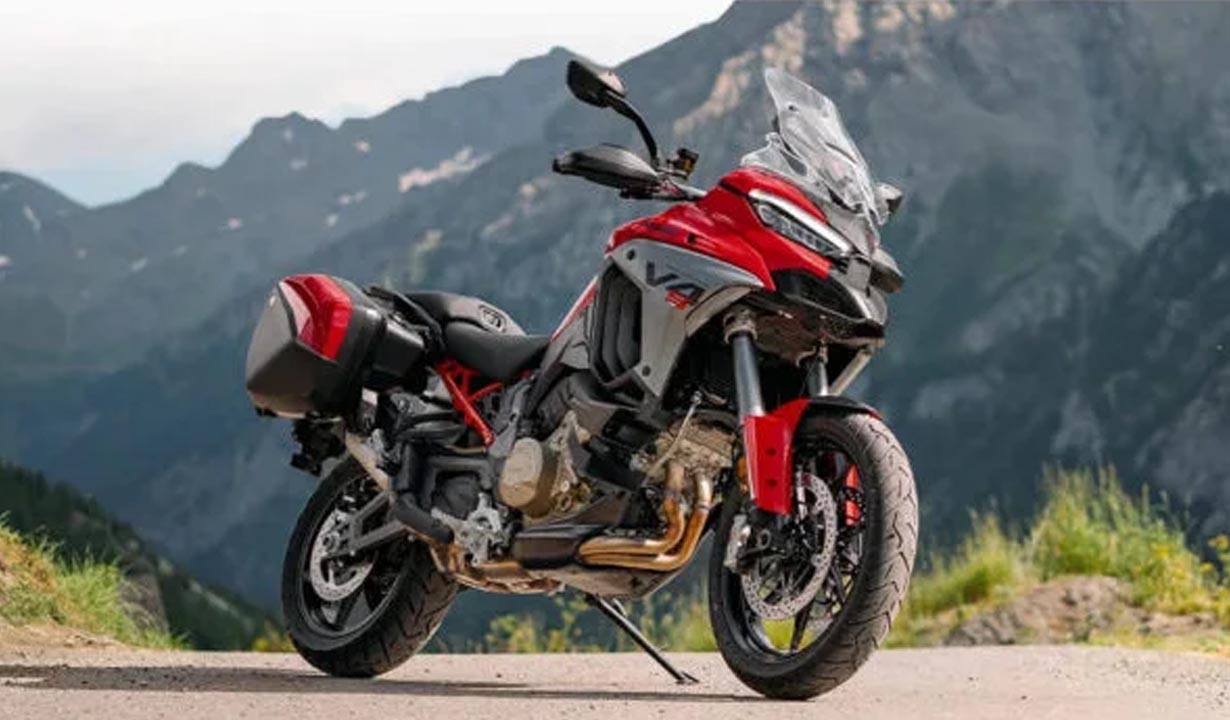
There's also a performance narrative at play. The current Africa Twin's parallel-twin engine is beloved for its character and reliability but has faced criticism from riders who want the sort of mid-range surge and top-end excitement that a V4 could provide, particularly as competitors like the Ducati Multistrada V4 and KTM's 1290 Super Adventure push power and technology benchmarks higher. A V4 Africa Twin would be a genuine statement of intent in that segment.
What This Means for the CBR Platform
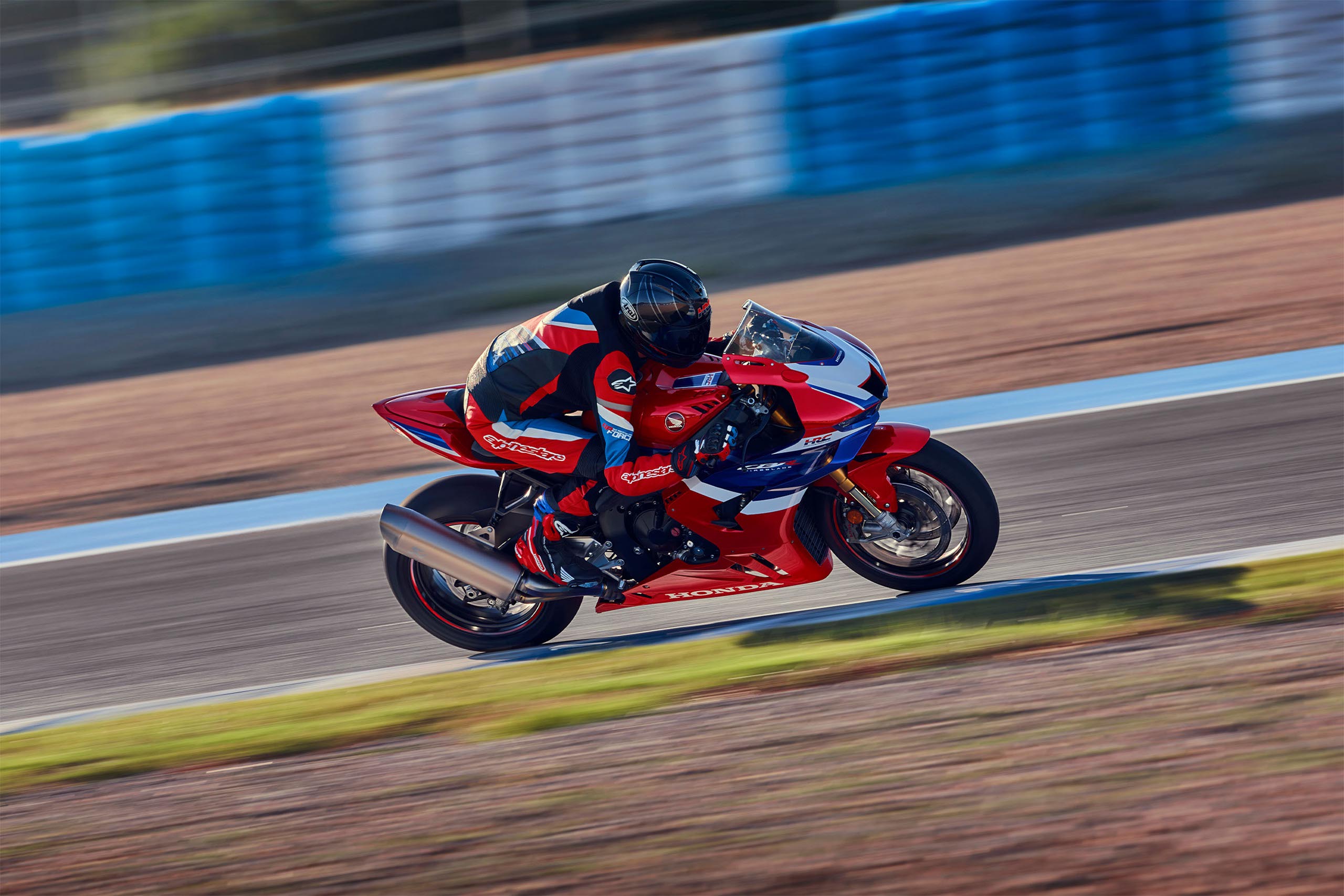
For the CBR faithful, the implications are equally significant. Honda's current CBR1000RR-R Fireblade already uses a V4 derived from RC213V MotoGP technology, but it sits at the extreme end of the market in both price and performance intensity. A new shared-architecture V4 could allow Honda to introduce a more accessible V4-powered CBR at a lower price point — perhaps reviving something in the spirit of the old CBR900RR in terms of approachability — while simultaneously pushing the Fireblade further toward pure track-day exotica.
There's genuine speculation in the community that Honda could use this architecture to slot in a mid-tier CBR, perhaps in the 800cc to 900cc displacement range, targeting the enormous pool of riders who want V4 character and sound without Fireblade-level track commitments or pricing. Whether Honda goes that direction or uses the architecture purely to refresh and evolve the existing Fireblade lineup remains to be seen.
Realistic Timeline: What 2028 Actually Means
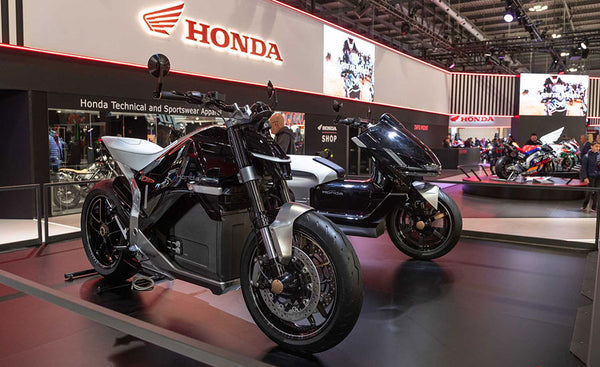
Honda's internal development cycles typically run five to seven years from early patent filing to showroom arrival for major platform initiatives. The fact that this patent is being filed now, with industry sources suggesting development mules have been spotted in testing, aligns reasonably well with a 2027 reveal and 2028 production launch window.
Riders should temper expectations accordingly. We are still several years away from any official announcement, and patent filings represent engineering intent rather than confirmed production decisions. Market conditions, regulatory changes, and internal strategic shifts can all alter the trajectory. However, the specificity of this patent — particularly the modular mounting provisions and variable displacement provisions — suggests this is not speculative research but active development work.
What Riders Should Watch For
- Official Honda announcements at EICMA 2025 or 2026 — typically Honda's preferred venue for major platform reveals
- Additional patent filings fleshing out frame geometry and suspension provisions for the dual-platform architecture
- Testing mule sightings, particularly of an Africa Twin-shaped machine making atypical sound signatures
- Honda Racing Corporation announcements that might hint at a road-going V4 adventure platform as a technology transfer exercise
The Bottom Line for Riders
Honda filing this patent is, at its core, a statement of ambition. The company that invented the modern adventure touring category with the original Africa Twin and rewrote the supersport rulebook with the CBR900RR is signaling that it intends to do both again — simultaneously, and with shared DNA. A world where one brilliantly engineered V4 heart beats inside both a razor-sharp supersport and a continent-crossing adventure machine isn't just good business. For riders, it could be the best of both worlds.
Keep your eyes on Honda's official channels and your diary clear for 2028. This one is worth waiting for.