A New Era for the Premier Class
MotoGP has never been shy about evolution, but the 2027 regulation overhaul represents one of the most significant structural shifts the championship has seen in over a decade. After months of negotiations between the Federación Internacional de Motociclismo (FIM), Dorna Sports, and the manufacturer assembly known as MSMA, the new technical regulations have been officially rubber-stamped and published. The paddock is already buzzing — and for good reason. These changes don't just tweak the formula; they fundamentally reimagine what a MotoGP machine looks like and how teams will build and race it.
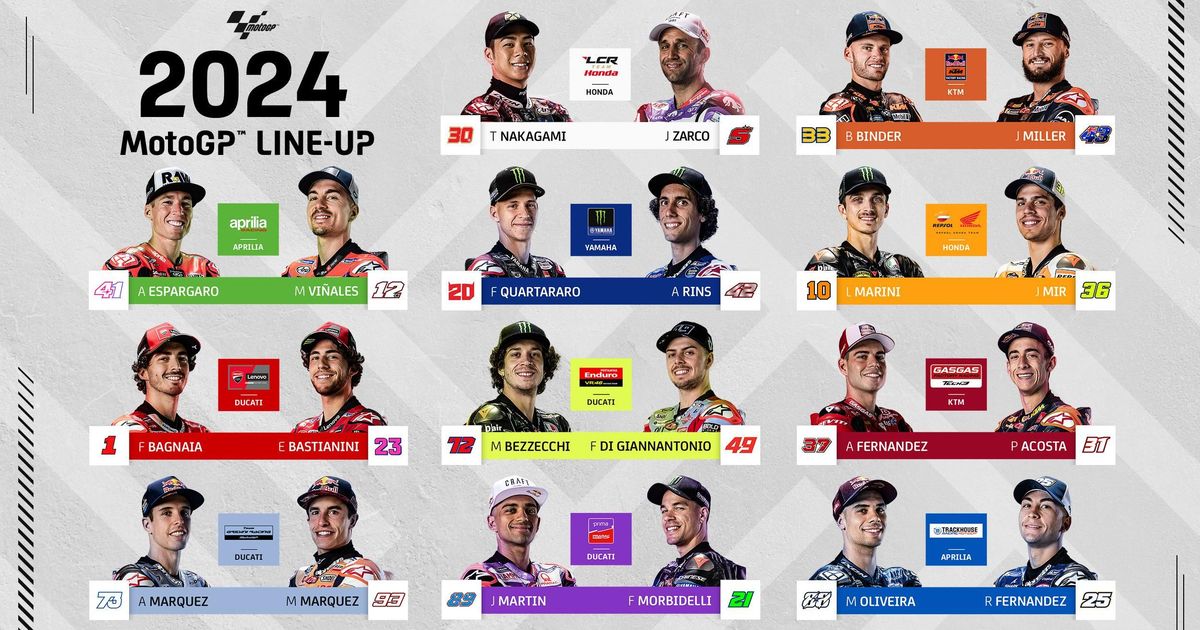
The motivations behind the overhaul are clear. In recent seasons, critics and fans alike have pointed to a growing performance gap between the front-running factory squads and the rest of the grid. Races have sometimes felt processional, with the top two or three manufacturers lapping in a different stratosphere compared to the satellites and independent entries. Dorna has long wanted tighter, more unpredictable racing — and the 2027 rules are their most ambitious attempt yet to make it happen.
The Key Regulation Changes Explained
Engine Displacement Reduction
Perhaps the most headline-grabbing change is a reduction in maximum engine displacement from the current 1000cc to 850cc. This is a dramatic move, and one that initially drew resistance from several manufacturers who had invested heavily in optimizing their existing inline-four and V4 architectures. The FIM argues that smaller displacement engines will naturally produce less raw horsepower — likely dropping peak power from the current 300-plus bhp range down toward the 250-270 bhp bracket — which should make the bikes more manageable, reduce tyre degradation, and allow a wider range of rider styles to be competitive.
Crucially, the cylinder count remains unrestricted within the new displacement limit, meaning manufacturers can still pursue inline-four, V4, or even inline-three configurations. This design freedom is intentional — the FIM wants to encourage innovation rather than simply mandating a one-size-fits-all solution.
Aerodynamic Restrictions
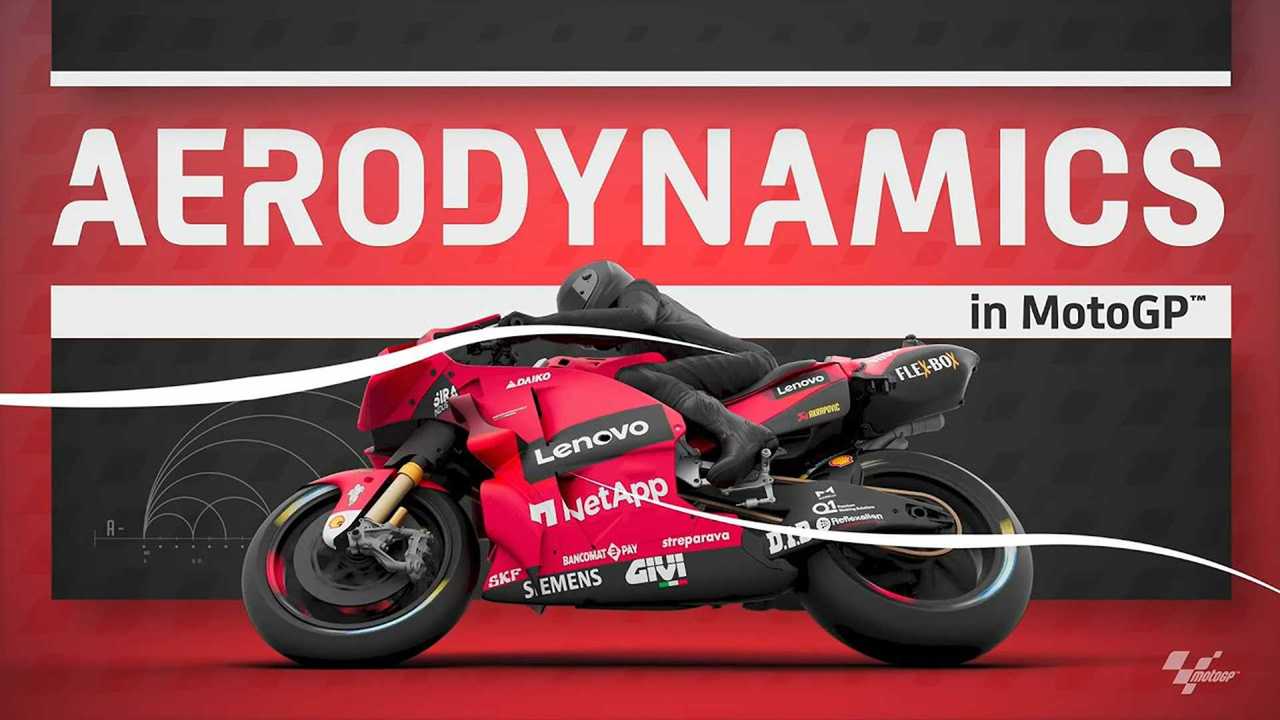
The aero wars of the 2020s have produced some extraordinary — and extraordinarily complex — machinery. Winglets, ride-height devices, and multi-element fairing systems have made modern MotoGP bikes deeply impressive pieces of engineering, but they've also contributed to an arms race that has inflated development costs and given factory teams an even greater advantage over their smaller rivals.
Under the 2027 rules, the total aerodynamic surface area permitted on each machine will be strictly limited and governed by a new standardised measurement protocol. Ride-height devices — the pneumatic systems that allow bikes to squat at the rear under acceleration — will be banned outright. The FIM has indicated that this single change alone is expected to significantly alter corner-exit dynamics and, consequently, racing lines and overtaking opportunities throughout a race distance.
Standardised Software and ECU Expansion
The spec ECU introduced in earlier seasons was a step toward levelling the electronics playing field, but manufacturers have still found ways to exploit proprietary software layers and sensor arrays. The 2027 regulations expand the scope of the standardised software package considerably, limiting the number of permitted custom parameters teams can run outside the shared ECU framework. Anti-wheelie, traction control, and engine braking mapping will all fall under tighter standardised control, meaning the difference between a factory Ducati and an independent Honda or Yamaha entry should, in theory, shrink noticeably.
Fuel Allowance and Sustainability Mandate
In a nod to broader industry trends, MotoGP 2027 will see the per-race fuel allowance reduced from 22 litres to 20 litres. More significantly, all machines must run on a fuel blend certified to contain at least 40% sustainable components — up from the current 40% target that has applied since the introduction of E40 fuels. By 2027, that requirement will be non-negotiable, bringing MotoGP in line with Formula 1's own sustainability commitments and reinforcing the championship's messaging around road relevance and environmental responsibility.
How the Grid Could Be Reshuffled
The burning question, of course, is what all of this means for the competitive order. Ducati has dominated the 2020s with remarkable consistency, and there's no doubt that the Italian manufacturer's engineering depth and rider roster give them a strong foundation heading into any regulatory reset. However, the displacement reduction and aerodynamic restrictions specifically target areas where Ducati's V4-powered machines have excelled — raw top-end power and aerodynamic downforce generation.
Honda and Yamaha, both of whom have endured difficult seasons relative to their historic standards, may find the reset more favourable. Both companies have enormous road-bike engineering departments capable of optimising smaller-displacement four-cylinder engines, and the restriction on complex aerodynamics arguably hurts the teams that have invested most in that direction. Aprilia and KTM, two manufacturers that have made enormous strides in recent seasons, will also be watching development windows carefully — both have the agility to adapt their engineering programs quickly.
What It Means for Satellite Teams and Independent Riders
For the satellite teams and their riders, the 2027 changes carry genuine excitement. Standardised software expansion and the aerodynamic cap directly address the two biggest areas where factory bikes have historically outrun their satellite counterparts. A rider on a year-old machine will still face disadvantages, but those disadvantages should be meaningfully smaller than they are today. That's good news for the mid-grid battles that often provide some of the most entertaining racing of any given weekend.
The Rider Reaction
Responses from the current crop of MotoGP stars have been mixed but broadly positive. Several top-ten regulars have welcomed the prospect of bikes that require greater rider input, suggesting that the removal of ride-height devices in particular will reward feel and instinct over data-driven mechanical grip. A handful of factory riders — protective of machinery they've spent years helping to develop — have expressed some reservations about losing tools they consider essential for safety margins. The FIM has responded by emphasising that safety analysis was central to every decision made during the regulation drafting process.
Looking Ahead to 2027
With two full seasons remaining under current regulations, teams now face a split focus: maximising performance in 2025 and 2026 while simultaneously redirecting significant engineering resource toward 2027 compliance. For the major manufacturers, this means parallel development programs of considerable expense. For fans, it means the next two seasons will likely see increasingly experimental testing — particularly around aerodynamic concepts that teams want to understand before the restriction window closes.
MotoGP's 2027 regulation reset is ambitious, well-intentioned, and certain to produce controversy before a single lap is turned under the new rules. But if it delivers what the FIM and Dorna are promising — closer racing, more manufacturers in contention, and a championship that any elite rider can win on any given weekend — then the paddock's growing pains will have been more than worth it. The countdown to 2027 starts now.