A Partnership That Could Redefine Electric Adventure Riding
The electric motorcycle world just got a massive shot of adrenaline. Zero Motorcycles, the California-based pioneer of street-legal electric bikes, and KTM, the Austrian off-road powerhouse behind some of the most celebrated adventure machines on the planet, have officially confirmed they are developing a shared electric off-road platform slated for launch in 2028. For adventure riders who have been watching the electric segment with cautious optimism, this is the announcement they've been waiting for.
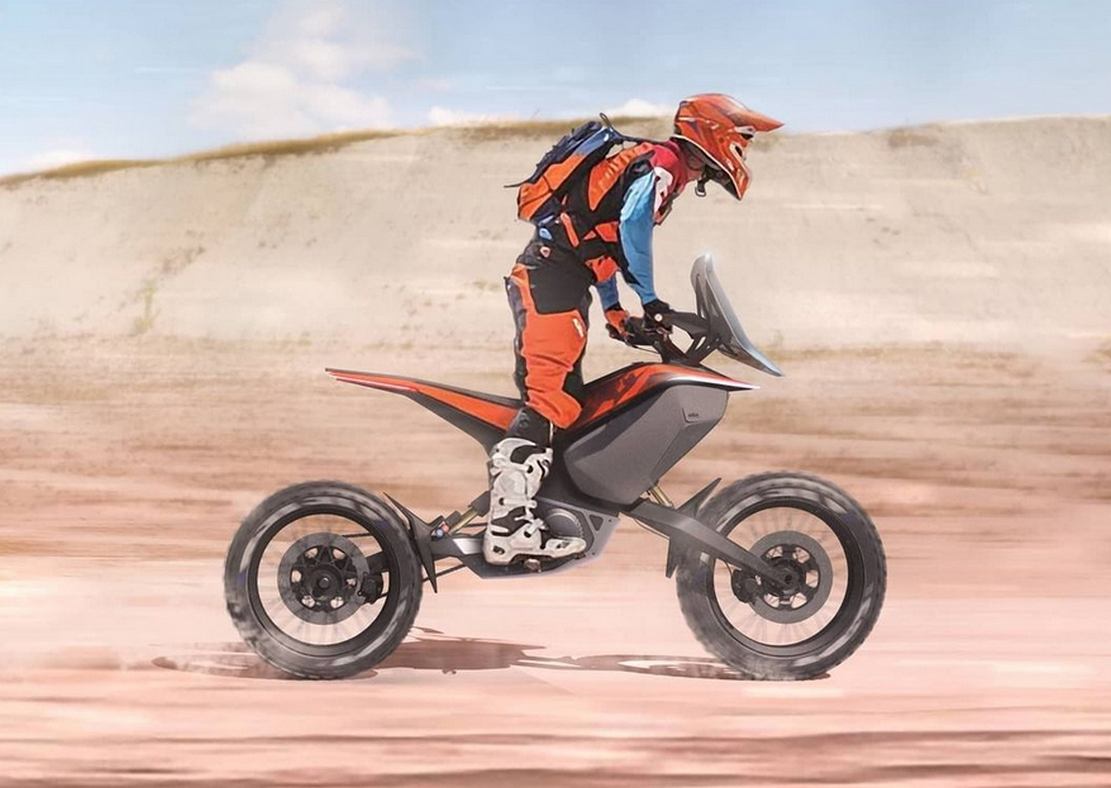
The two companies confirmed the partnership through a joint press release, stating that the collaboration will focus on a purpose-built electric platform designed specifically for off-road and adventure use cases — not an adaptation of an existing street platform. That distinction alone sets this apart from many of the electric adventure concepts we've seen in recent years.
What We Know About the Platform
Details are still emerging, but the official confirmation did shed light on several key technical and strategic pillars of the project.
A Ground-Up Electric Architecture
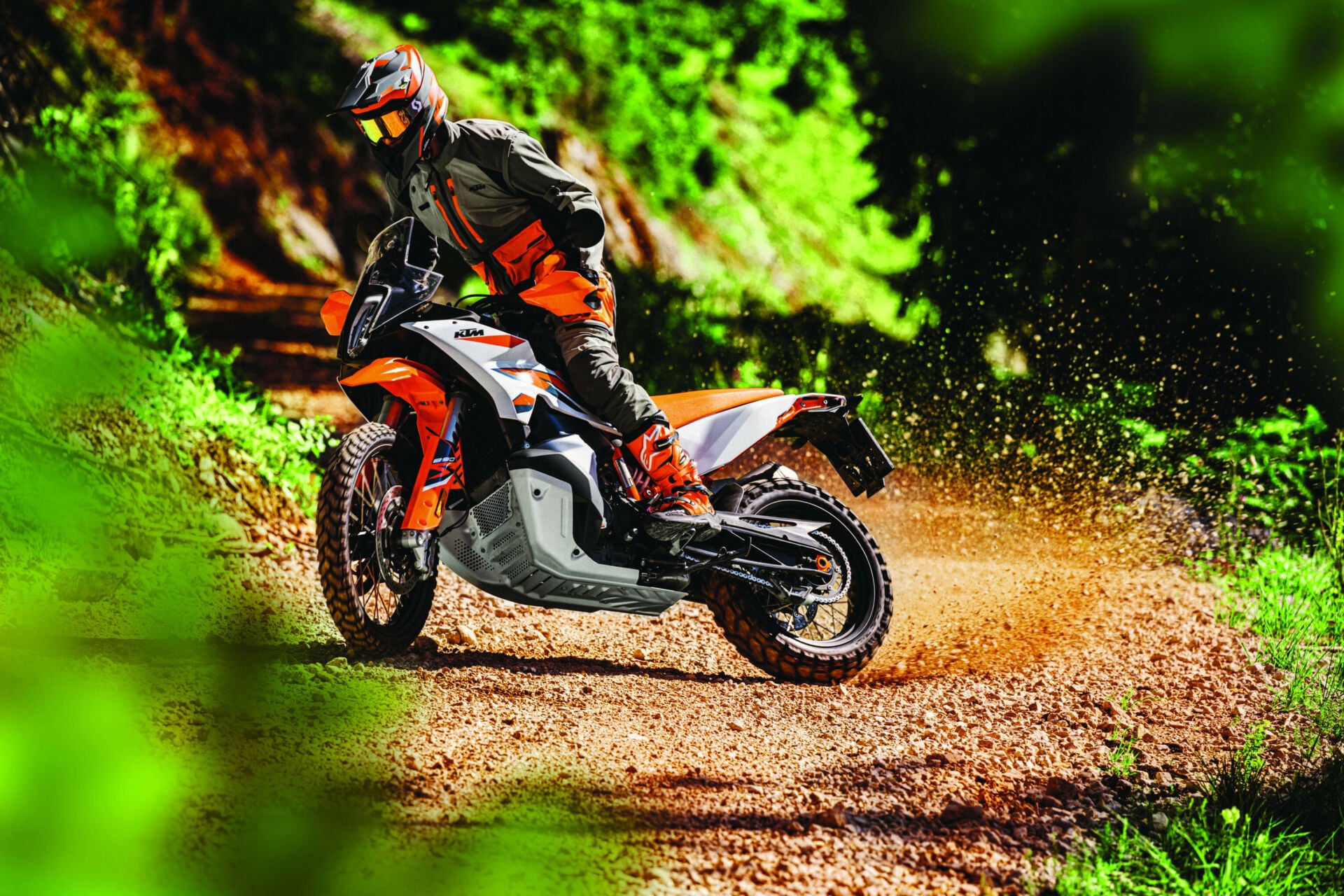
Perhaps the most important detail is that both companies have stressed this will be a clean-sheet design. Rather than grafting electric components onto a traditional chassis, the platform will be engineered from the ground up around the specific demands of off-road riding: low center of gravity, intelligent weight distribution, robust thermal management for sustained technical terrain use, and a suspension geometry optimized for trail and adventure applications.
Shared Development, Separate Identities
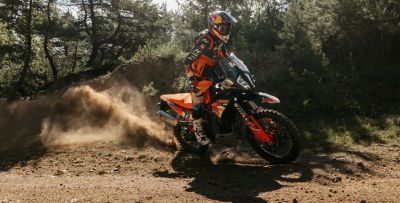
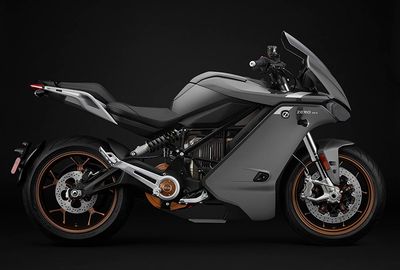
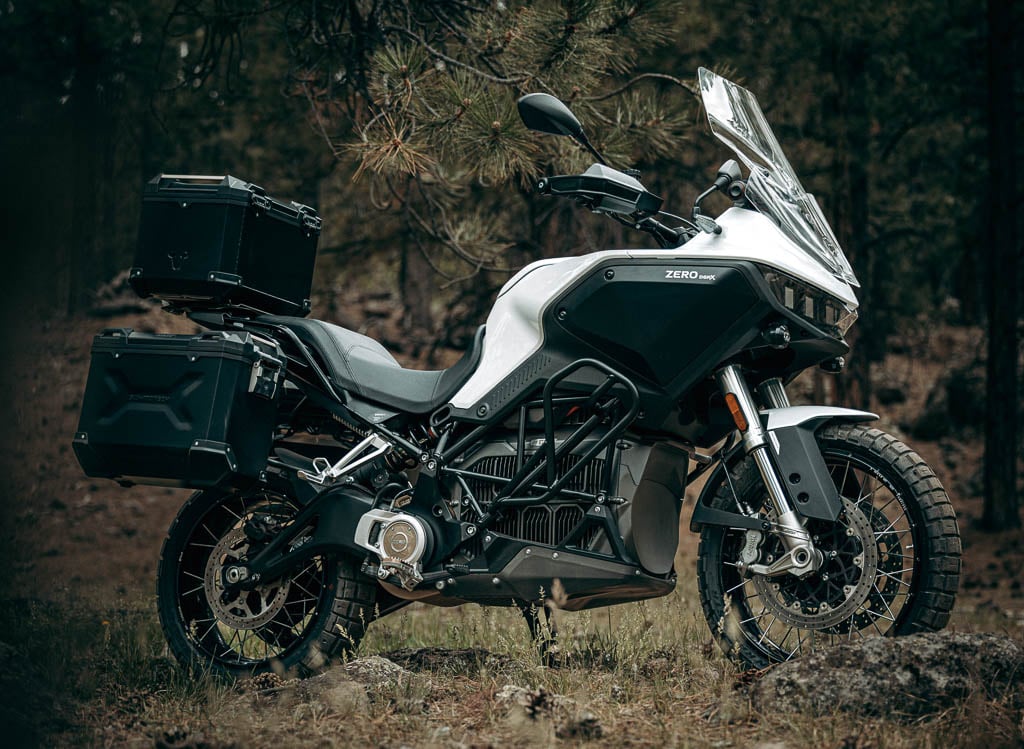
While the underlying platform will be shared, KTM and Zero have made clear that the resulting motorcycles will carry distinct identities. Expect KTM's output to align closely with its existing adventure and enduro DNA — think evolved versions of the experience offered by machines like the KTM 890 Adventure R and the hard-enduro-focused KTM 300 EXC. Zero's interpretation is expected to push further into the adventure-touring segment, potentially building on the direction established by the Zero DSR/X.

Battery and Range: Addressing the Elephant in the Room
Range anxiety remains the single biggest barrier to electric adoption in the off-road and adventure segment. Charging infrastructure in the backcountry is, unsurprisingly, nonexistent. Both companies have acknowledged this directly, stating the platform will prioritize energy density and efficiency above raw power output. While specific range figures have not been released, sources close to the development program suggest the platform targets a real-world off-road range of between 120 and 160 miles on a single charge — a significant leap over anything currently on the market for serious trail riding.
- Dedicated off-road electric architecture (not a street platform adaptation)
- Targeting 120–160 miles real-world off-road range
- Advanced thermal management for sustained use on technical terrain
- Shared platform, distinct brand executions from both KTM and Zero
- Launch window confirmed for 2028 model year
Why This Partnership Makes Sense
On the surface, Zero and KTM might seem like an odd couple. Zero has spent nearly two decades building its reputation primarily in the street and urban commuter segments, while KTM's blood runs orange with decades of Dakar victories, enduro championships, and the kind of off-road credibility that can't be manufactured. But look closer and the logic becomes compelling.
Zero brings deep expertise in electric drivetrain development, battery management systems, and regulatory compliance across global markets. KTM brings unparalleled knowledge of what off-road riders actually need from a chassis, suspension, and ergonomic standpoint. Neither company has fully cracked the electric adventure segment on its own. Together, they're addressing their respective blind spots.
It's also worth noting the broader context. KTM's parent company, Pierer Mobility, has been navigating significant financial restructuring over the past year. A shared development platform dramatically reduces the capital expenditure required to bring a credible electric adventure product to market, spreading risk and cost across two well-funded brands.
What It Means for Adventure Riders
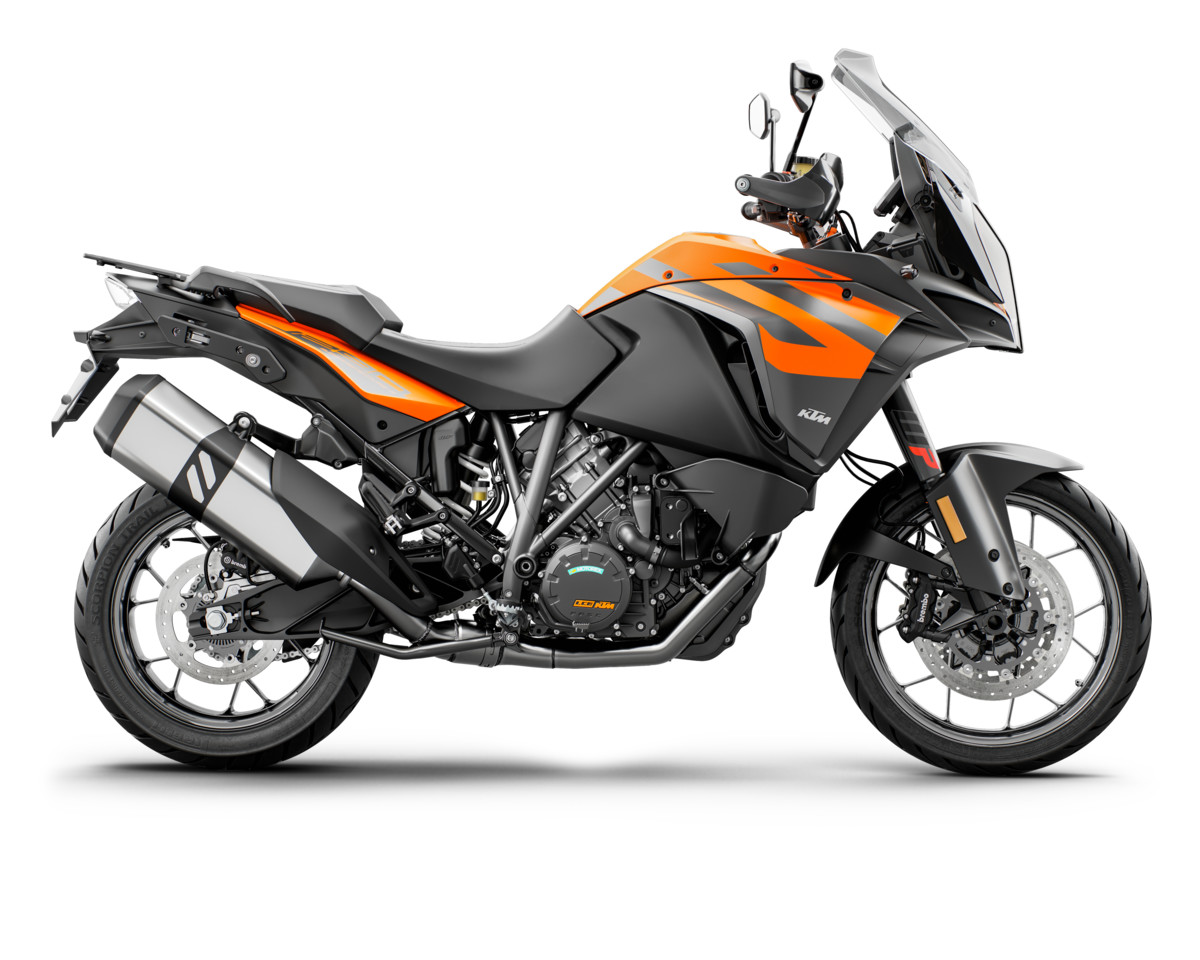
If you're an adventure rider currently riding something like the KTM 1290 Super Adventure S or eyeing the electric segment from a distance, this announcement should carry real weight. Here's why:
Credibility Through Collaboration
The biggest criticism of electric adventure bikes to date hasn't been the technology itself — it's been the lack of off-road pedigree behind the brands attempting to build them. When KTM puts its name on an off-road electric platform, the community listens. KTM doesn't make machines that compromise on trail capability, and that reputation will be on the line with every unit sold under this partnership.
A Rising Tide for the Segment
A serious platform from two established players will inevitably accelerate development across the entire electric off-road segment. Competitors will be forced to respond. Suppliers will scale up battery and motor production. Charging infrastructure conversations will become more urgent. This partnership isn't just good news for future KTM and Zero owners — it's good news for everyone interested in where electric adventure riding is headed.
The 2028 Timeline Is Realistic
Some industry observers initially questioned whether a 2028 launch was achievable. But given that both companies are confirming the partnership now, with what appears to be significant development work already underway, a 2028 model year debut is entirely plausible. That gives the program roughly three years of public development time — more than sufficient for a platform this well-resourced.
Unanswered Questions
For all the excitement, plenty of critical details remain undisclosed. Pricing has not been discussed, and given the cost of current electric adventure hardware, this will be a defining factor in mainstream adoption. Charging speed and connector standards for international markets also remain open questions, as does whether the platform will support modular or swappable battery configurations — a feature many off-road riders have specifically requested.
We also don't yet know how KTM's dealer network and Zero's direct-sales model will coexist in markets where both brands operate. That commercial tension, if unresolved, could complicate the ownership experience for consumers.
The Bottom Line
The Zero and KTM electric off-road platform announcement is the most consequential development in electric adventure motorcycling to date. It brings together the two companies perhaps best positioned to actually deliver on the promise of a capable, credible, and range-sufficient electric machine for riders who go beyond the pavement. The 2028 debut feels like a long way off — but in the context of motorcycle development cycles, it's right around the corner. Start adjusting your expectations, and your riding ambitions, accordingly.