Why Heated Gear Has Become a Winter Riding Essential
Cold weather riding used to mean layering up until you could barely turn your head and hoping for the best. Heated motorcycle gear has changed that calculus completely. Modern heated jackets, gloves, and vests use low-voltage carbon fiber or micro-alloy heating elements powered by your bike's battery or a dedicated power bank, delivering targeted warmth right where your body needs it most. The technology has matured significantly in recent years, and 2026's lineup proves it—but not all products are created equal.
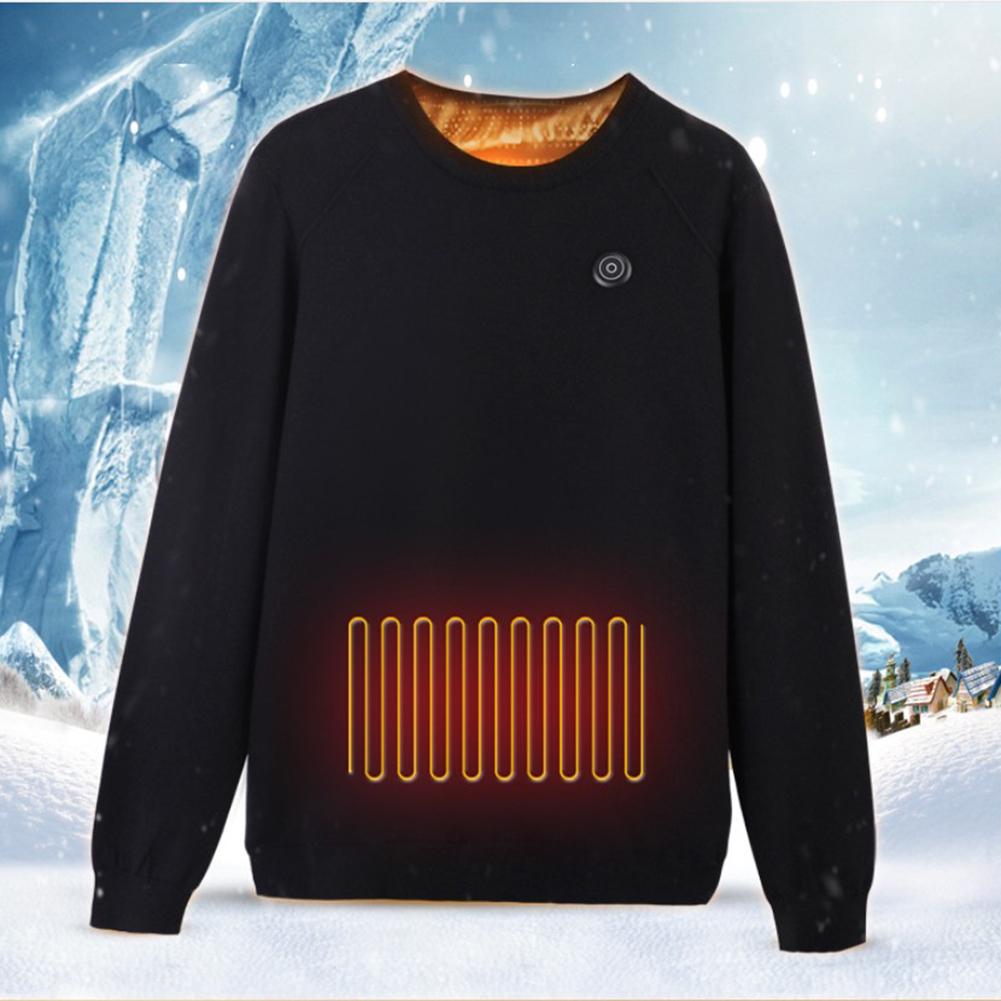
To give you a genuinely useful buying guide, we tested nine products across a full riding season: three heated jackets, three pairs of heated gloves, and three heated vests. Our testers logged rides in temperatures ranging from -5°C (23°F) to 8°C (46°F), covering urban commutes, motorway runs, and mountain passes. We evaluated heat output, battery life, build quality, fit, ease of use, and value for money. Here's what we found.
What to Look For in Heated Motorcycle Gear
Before diving into the results, it's worth understanding the key specifications that separate good heated gear from great heated gear.
- Heating zones: More zones mean more targeted warmth. Look for gloves that heat both the back of the hand and the fingers, and jackets that cover the chest, back, and collar.
- Power source compatibility: Most gear connects to your bike's 12V system via a SAE or DIN connector, but battery-powered options offer flexibility for multi-bike riders or pillion passengers.
- Heat settings: At minimum, you want three heat levels. The best gear offers five or more, with a clear LED or app-based indicator so you know what setting you're on at a glance.
- Waterproofing: Heated gear that gets wet and fails isn't just uncomfortable—it's a safety hazard. Look for at least IPX4 water resistance on all electrical components.
- Layering compatibility: Heated liners and vests need to sit close to the body to work efficiently, while still fitting under your outer jacket without restricting movement.
Best Heated Jacket: Gerbing Ava 2.0 Women's / Gerbing Temecula 2.0 Men's
Gerbing has been in the heated gear business longer than almost anyone, and the 2026 versions of their flagship jackets show exactly why they've maintained their reputation. The Temecula 2.0 (men's) and Ava 2.0 (women's) feature seven heating zones—chest, back, collar, and both sleeves—with a five-level controller that's glove-friendly and genuinely easy to operate at speed. Heat-up time from cold is under 60 seconds on the highest setting, and even on level two, warmth is perceptible within two minutes.
The outer shell is a durable 600D polyester with a waterproof membrane and CE-rated armor at the shoulders, elbows, and back. The fit is tailored without being restrictive, and the integrated wiring is routed cleanly so there are no snagging hazards. At around $349, it's a significant investment, but the build quality suggests it will outlast several riding seasons. Our testers unanimously ranked this as the warmest and most versatile jacket in the test.
Runner-Up: Klim Resistance Heated Jacket Liner
If you already own a high-quality outer shell and just want to add heat, the Klim Resistance liner is outstanding. It's thinner than a dedicated heated jacket, which means less bulk, but it pushes impressive heat through four primary zones. The fit under a Klim or other slim-cut jacket is excellent. The trade-off is that it lacks armor integration, so you're relying entirely on your outer layer for protection.
Best Heated Gloves: Keis G601 Heated Gloves
Cold hands are the number one reason riders cut trips short in winter, and the Keis G601 gloves address that problem comprehensively. They heat across the entire hand—including individual finger segments—using a carbon fiber element network that distributes warmth evenly rather than concentrating it in one spot. The gauntlet design integrates with a jacket sleeve, and the cuff strap provides a solid seal against wind intrusion.
We tested these in sustained temperatures around -3°C on a two-hour motorway run, and finger sensation remained comfortable throughout. The gloves connect to bike power via a neat coiled lead that doesn't snag on controls, and battery backup units are available separately for days when you're away from the bike. At roughly $189, they're mid-range in price but top-tier in performance. The only criticism is that the palm padding, while adequate, doesn't match what you'd find on a premium unheated touring glove.
Budget Pick: Venture Heat Heated Motorcycle Gloves
For riders who want to dip their toes into heated gloves without the higher price tag, Venture Heat's entry-level offering delivers solid performance at around $89. Heat is concentrated on the back of the hand and doesn't extend fully into the fingers, but for commuting in 2°C to 8°C conditions, they're more than adequate. Build quality is noticeably lower than the Keis, and we'd expect the heating elements to require replacement after two or three seasons of heavy use.
Best Heated Vest: Warm & Safe Flex-Heat Vest 2.0
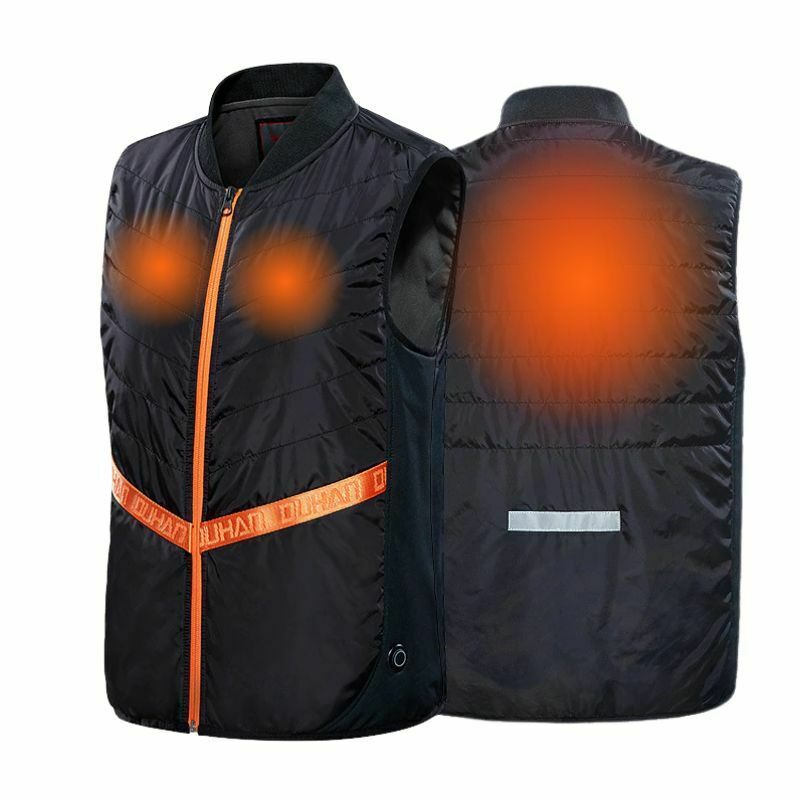
A heated vest might seem like a compromise, but there's genuine riding science behind the concept: keeping your core warm keeps blood circulating to your extremities. The Warm & Safe Flex-Heat Vest 2.0 is the best implementation of this idea we tested. It covers the full chest and back with carbon fiber heating panels, fits over a base layer under a jacket without adding meaningful bulk, and runs efficiently enough that it draws only about 3.5A at full power—low enough to run continuously without stressing your charging system.
The five heat settings are managed by a single button controller that clips to a jacket zipper pull within easy reach. We found the vest particularly effective for long touring days when you want consistent background warmth without the cost or complexity of a full heated jacket. At $149, it represents outstanding value, especially for riders who already own quality gloves and just need to address core warmth.
Tips for Getting the Most From Heated Gear
- Check your charging system first. Running multiple heated items simultaneously can draw 8–12A or more. Make sure your bike's alternator and battery can handle the load before investing in a full heated kit.
- Use a dedicated wiring harness. Tap into a switched power source with an inline fuse rather than improvising connections. A good harness costs $20–$40 and protects both your gear and your bike's electrics.
- Start on a lower setting. It's tempting to blast the heat immediately, but starting on a moderate setting and adjusting as needed extends element life and prevents overheating discomfort.
- Store gear flat or loosely rolled. Heating elements can crack if compressed tightly over long storage periods. A breathable gear bag is ideal.
The Bottom Line
Heated motorcycle gear in 2026 has reached a level of reliability and performance that makes cold-weather riding genuinely enjoyable rather than merely survivable. Our top picks—the Gerbing jackets, Keis gloves, and Warm & Safe vest—form a complete heated system that will keep you comfortable in nearly any winter condition. Budget options from Venture Heat prove you don't have to spend a fortune to benefit from the technology. Whatever your budget, investing in quality heated gear is the single most effective upgrade you can make to your cold-weather riding experience.