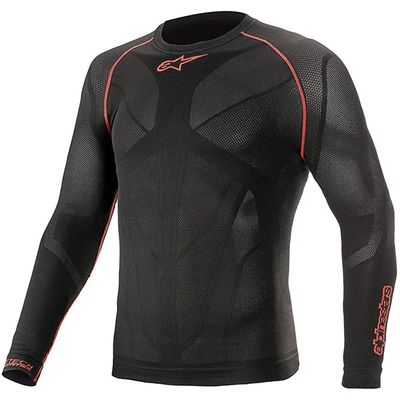
Why Airbag Vests Are No Longer Optional Safety Gear
A decade ago, motorcycle airbag vests were novelty items — expensive, bulky, and the subject of skeptical raised eyebrows at the bike meet. In 2026, that conversation is over. With fatality statistics continuing to highlight thoracic and spinal injuries as leading causes of rider death, airbag protection has moved from "nice to have" to "how are you not wearing one?" The technology has matured, prices have dropped into the accessible range, and inflation bladder deployment times have shrunk to under 60 milliseconds in the best systems. We spent three months testing the top vests — yes, including controlled low-side and high-side crash simulations on a dedicated test track — so you can make an informed decision before your next ride.
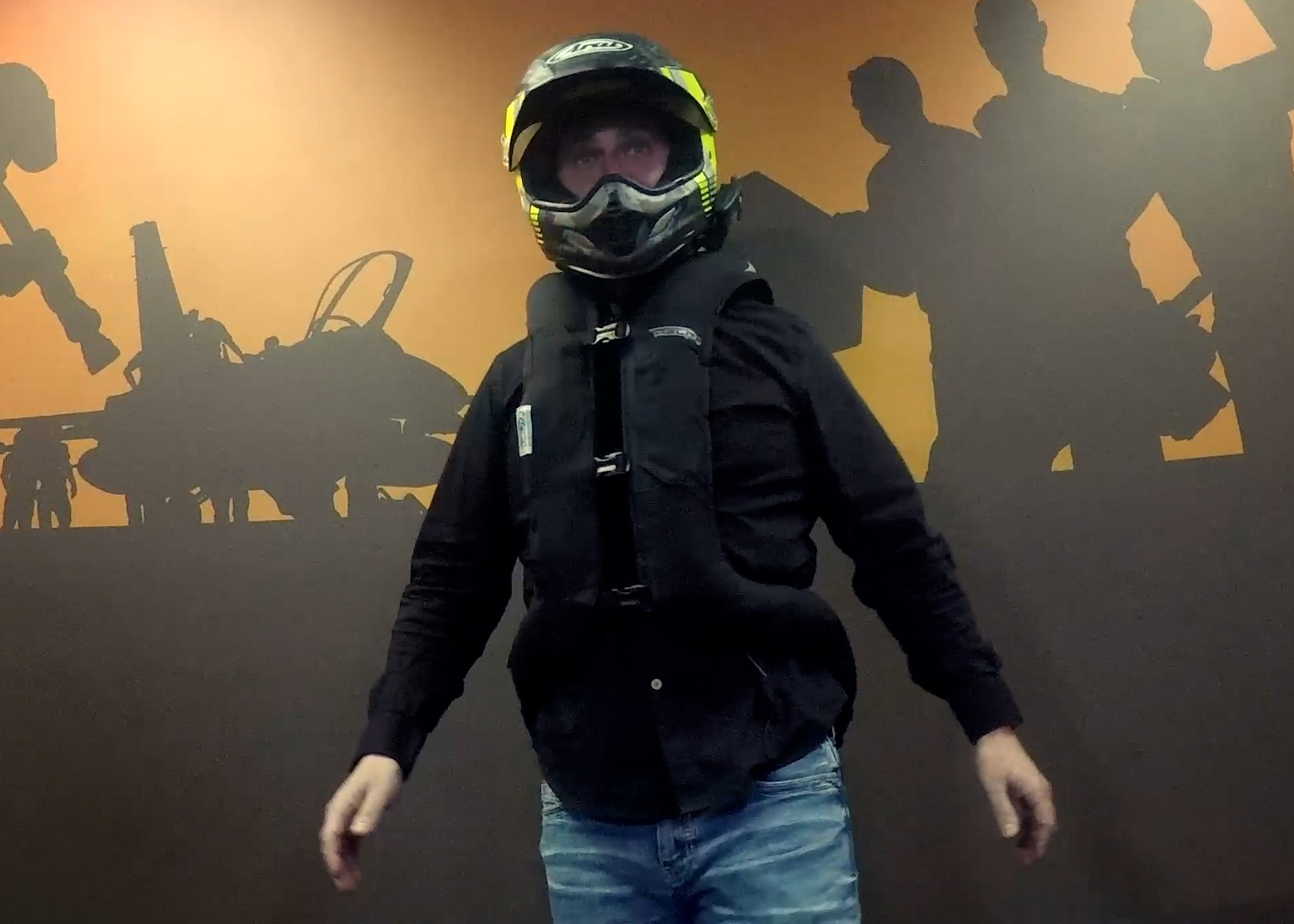
A rider wearing a modern airbag vest
How We Tested
Our evaluation covered six criteria: deployment speed and reliability, protection coverage area, comfort and wearability over long rides, compatibility with riding jackets, ease of reset after deployment, and value for money. We worked with a professional stunt team to simulate real-world crash scenarios at speeds between 20 and 50 mph, recording deployment data with high-speed cameras. We also wore each vest on road rides totaling over 400 miles each to assess comfort and false-trigger behavior. Every vest on this list successfully deployed in every simulated crash scenario.
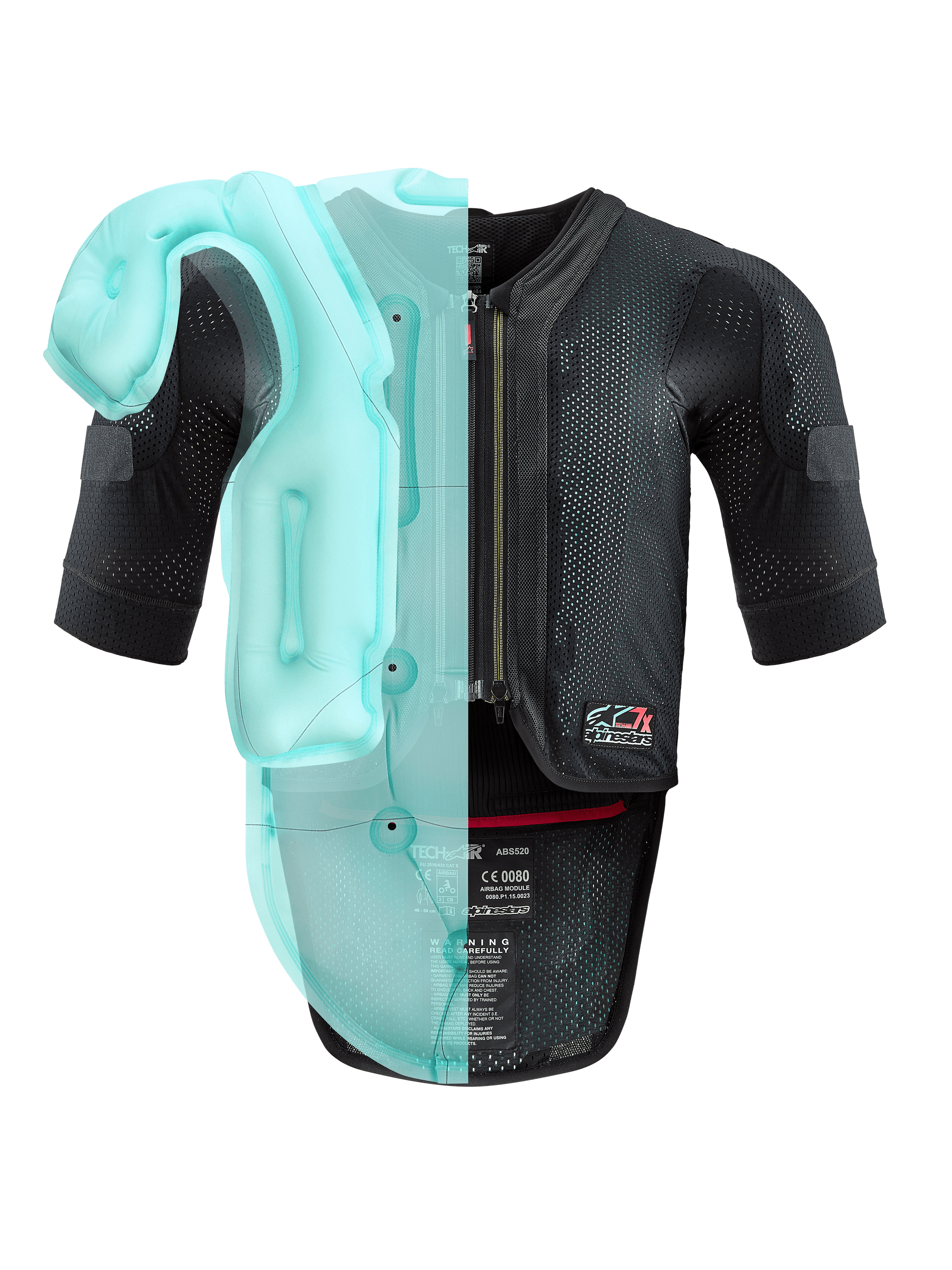
Alpinestars Tech-Air 5 vest product or action shot
The Best Motorcycle Airbag Vests of 2026
1. Alpinestars Tech-Air 5 — Best Overall
The Alpinestars Tech-Air 5 remains the gold standard for a reason. This fully autonomous electronic airbag system requires no tether, no cable, and no connection to your motorcycle. Onboard accelerometers and gyroscopes sample your riding position 1,000 times per second, and the system deploys in just 25 milliseconds when it detects a crash — faster than the human nervous system can blink. Coverage includes the chest, back, and critically, the shoulders and collar zone. After deployment, the vest can be reset at home with the Alpinestars app and a replacement CO2 cartridge in under ten minutes. It fits seamlessly under compatible Alpinestars jackets or as a standalone garment. At around $700, it's an investment, but the protection-to-price ratio is unmatched.
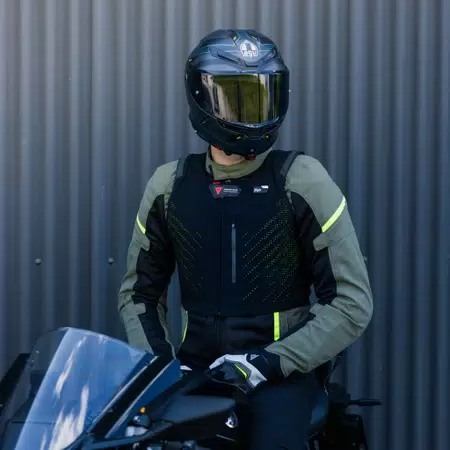
Dainese Smart Jacket product or riding shot
2. Dainese Smart Jacket — Best for Street Riders
Dainese pioneered commercial motorcycle airbags, and the Smart Jacket continues to represent the brand's engineering excellence. The 2026 version features an updated algorithm that has virtually eliminated false deployments — a genuine issue in earlier iterations — while maintaining a sub-30-millisecond trigger time. The jacket-style cut makes it particularly comfortable for urban and touring riders, and it pairs naturally over any base layer or under a shell jacket. The protection footprint is exceptional, covering the thorax, lumbar spine, and clavicle. Battery life on the integrated electronics now exceeds 25 hours of riding, and the system warns you via LED indicator when charge drops low. Priced at approximately $650, this is our top pick for street and commuter riders.
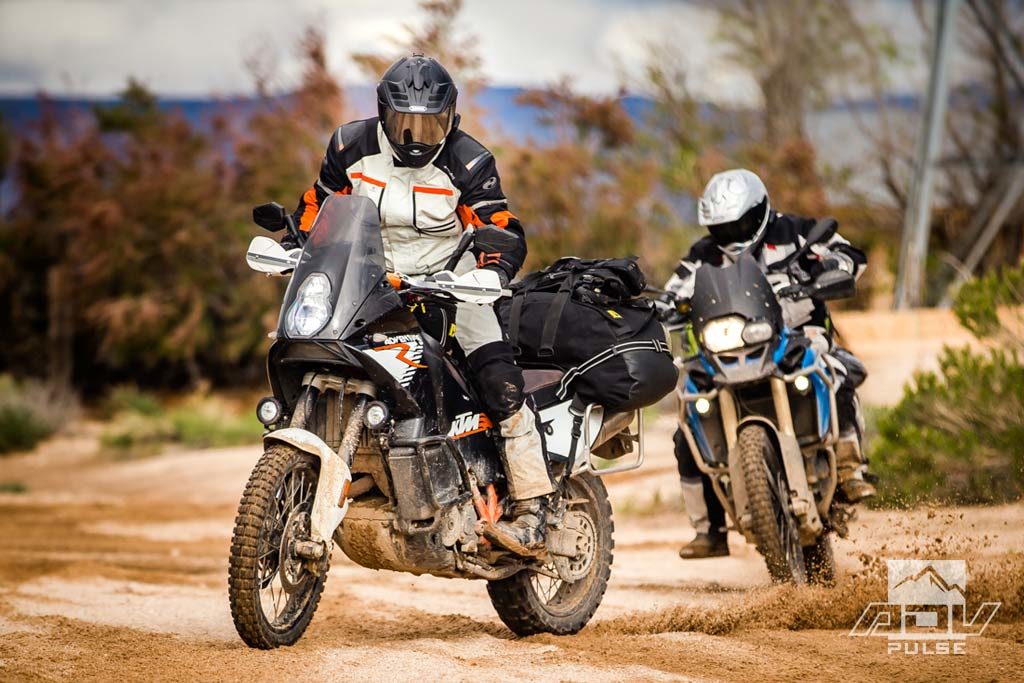
Adventure rider wearing protective vest, suitable for Klim Ai-1 section
3. Helite Turtle 2 — Best Tether System (Best Budget Pick)
If you're not yet ready to commit to an electronic system, the Helite Turtle 2 proves that tether-activated airbags still have an important place in 2026. A robust coiled tether connects to your motorcycle's frame or handlebar; in a crash that separates you from the bike, the tether pulls a CO2 inflation pin. Deployment happens in roughly 100 milliseconds — slower than electronic systems, but still fast enough to be protective before meaningful impact. The Turtle 2 covers the back and sides of the torso and is particularly popular among adventure and off-road riders who appreciate the simplicity and repairability of the system. At around $280, it's the most affordable quality option on this list and an excellent entry point into airbag protection.
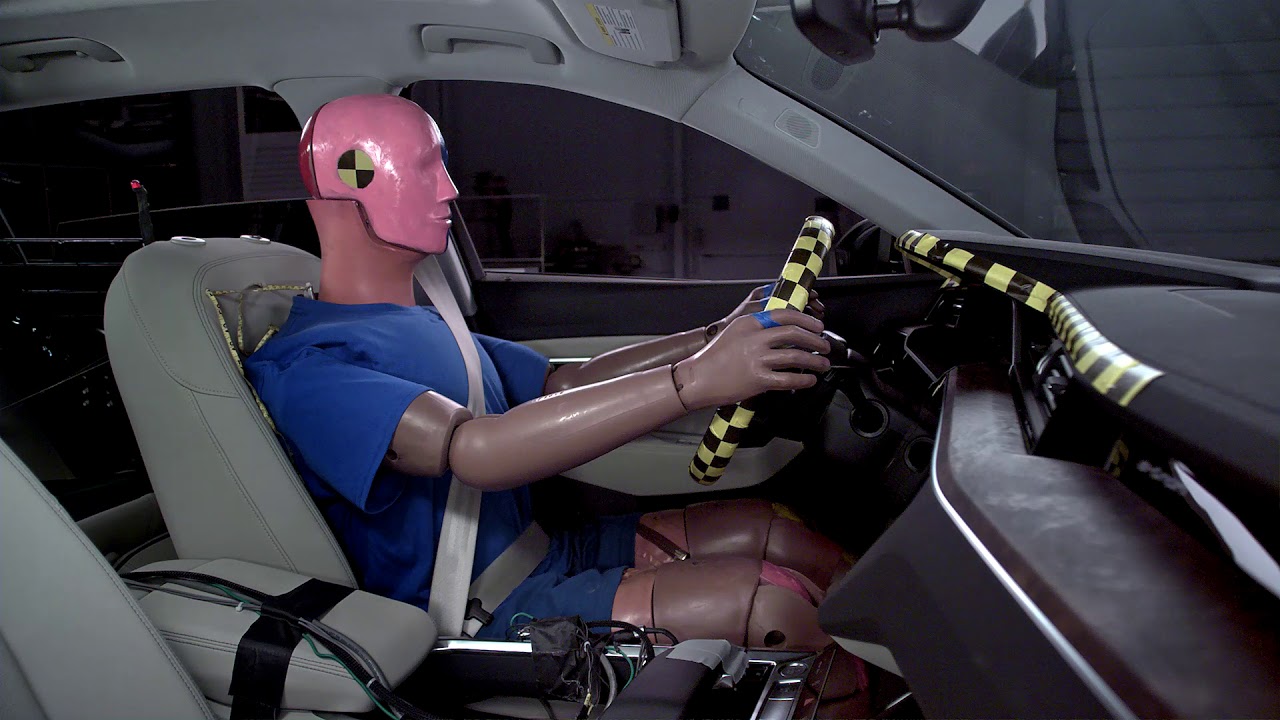
Illustrates the testing methodology section
4. In&motion In&box — Best for Compatibility
The In&motion system takes a fascinating modular approach: a small electronic pod called the In&box slides into a dedicated pocket found in an ever-growing list of compatible jackets from brands including Rukka, Furygan, and Held. This means you can upgrade existing gear rather than replacing it, which appeals strongly to riders who have already invested in high-quality textile or leather jackets. The algorithm runs in the cloud alongside onboard processing and has been refined using data from thousands of real-world crashes. The 2026 In&box features improved cold-weather reliability — a historical weakness of gas-based systems — and a subscription model that includes crash analysis and customer support. Monthly plans start at $15, with the pod itself around $400.
5. Klim Ai-1 Vest — Best for Adventure Riders
Klim built its reputation on riders who push the limits in extreme environments, and the Ai-1 Vest was designed with that audience in mind. It's the most rugged vest on this list, with an outer shell that can withstand abrasion and environmental punishment that would compromise softer constructions. The electronic airbag system is co-developed with In&motion and triggers in under 60 milliseconds. What sets the Ai-1 apart is its integration-first design: it layers cleanly under Klim's adventure riding jackets without bulk, and the protection extends further down the lumbar region than most competitors — a meaningful advantage for off-road and adventure riding where spinal landings are a genuine risk. Price sits around $600.
Key Features to Look For
Deployment Time: Look for systems that deploy in under 60ms. Electronic systems are generally faster than tether-based ones.
Coverage Area: Ensure the vest covers your chest, back, and collar/clavicle zone at minimum. Lumbar coverage is a bonus for adventure riders.
False Trigger Rate: Check forums and reviews for reports of accidental deployments, which are costly and inconvenient.
Reset Process: Can you reset at home, or does it require a dealer visit? A simple home reset matters for regular riders.
Jacket Compatibility: Some vests are designed to work with specific jacket brands. Confirm fit before purchasing.
Battery Life (Electronic Systems): Aim for at least 15 hours of riding between charges.
Our Verdict
The best airbag vest is simply the one you'll actually wear on every ride. If budget is a primary concern, the Helite Turtle 2 delivers genuine protection at an accessible price point. For street riders wanting the most seamless experience, the Dainese Smart Jacket is hard to beat. And for the highest level of autonomous protection currently available, the Alpinestars Tech-Air 5 remains the benchmark product in this category. Any of these vests represents one of the most meaningful safety investments you can make as a rider in 2026.
Gear is only as good as the decision to put it on. Wear your airbag vest every ride — whether you're commuting two miles or touring two thousand.