Why Every Rider Needs a Dash Cam in 2026
Dash cams are no longer a novelty for motorcyclists — they're fast becoming essential safety gear. Whether you're dealing with a hit-and-run driver, disputing an insurance claim, or simply capturing a stunning Sunday ride through the mountains, a quality motorcycle dash cam pays for itself the first time you need it. The market has exploded over the past two years, and with so many options promising 4K clarity and military-grade waterproofing, we decided to cut through the marketing noise with a real-world test.
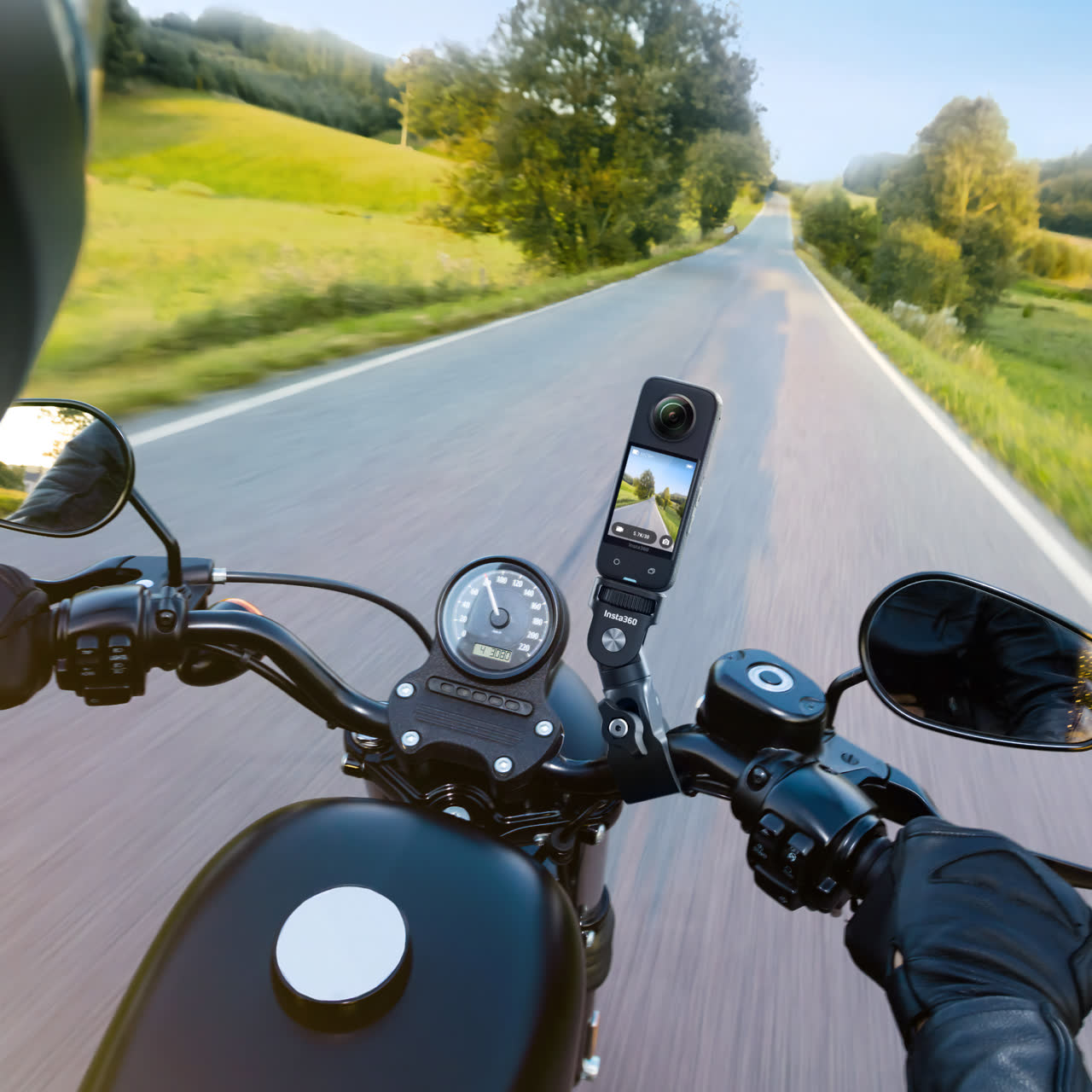
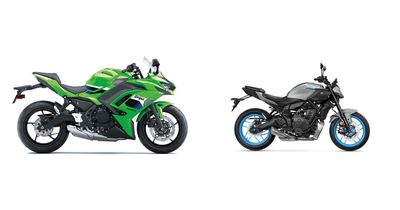
Over six weeks, we mounted 10 different dash cams across a fleet of bikes — including sport bikes, adventure tourers, and naked streetfighters — and put every system through 500 miles of varied riding. We tested on sun-baked freeways, rain-soaked mountain roads, vibration-heavy backroads, and stop-and-go city traffic. Here's what we found.
Our Testing Methodology
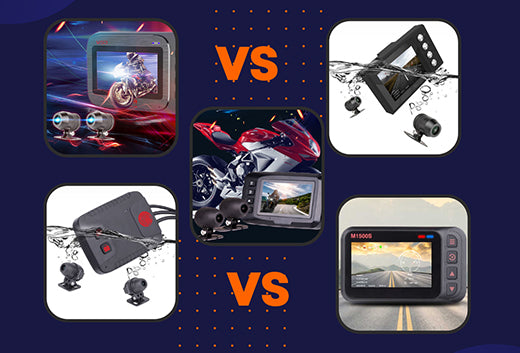
Each camera was evaluated across five core criteria: video quality (day and night), weather resistance, vibration stability, ease of installation, and value for money. We paid particular attention to how cameras handled the specific challenges of two-wheel life — engine vibration, narrow handlebars, extreme heat from direct sun exposure, and the constant risk of rain. We also tested loop recording reliability, battery backup during short stops, and how each unit performed when a simulated impact triggered its G-sensor.
The Top Performers
1. Viofo MT1 — Best Overall
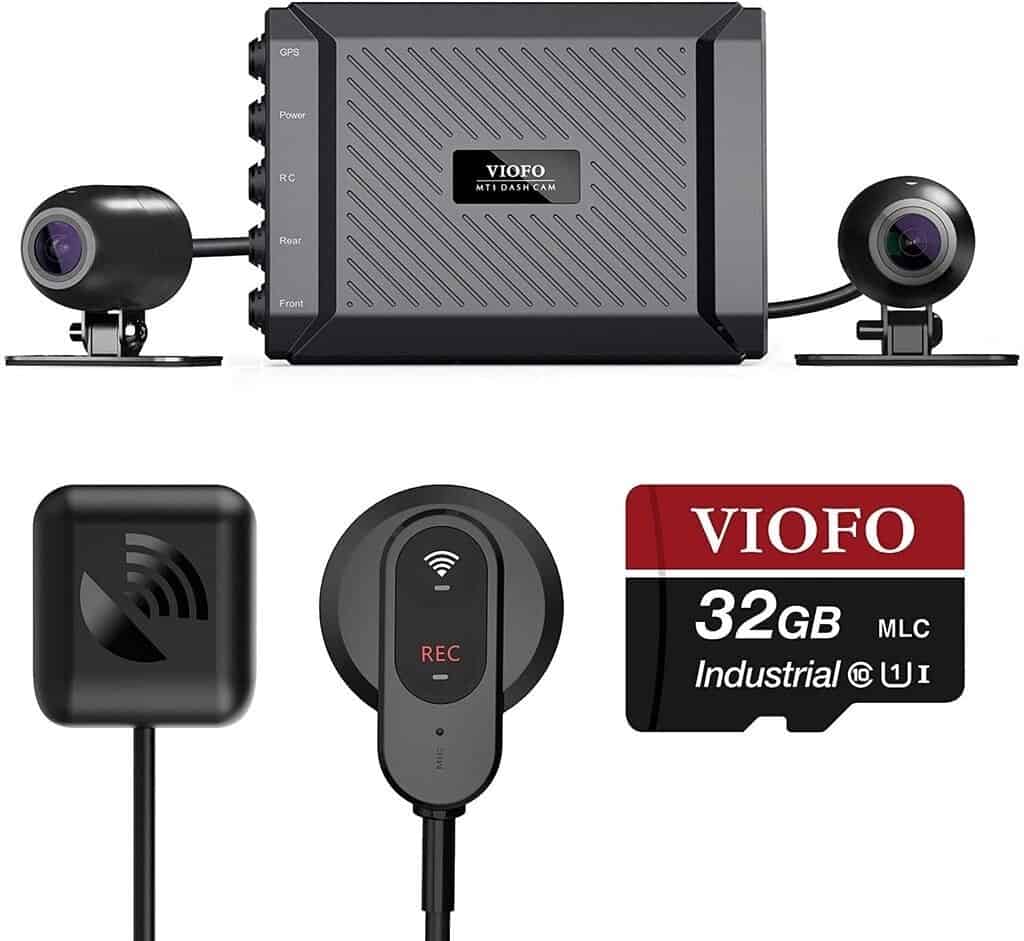
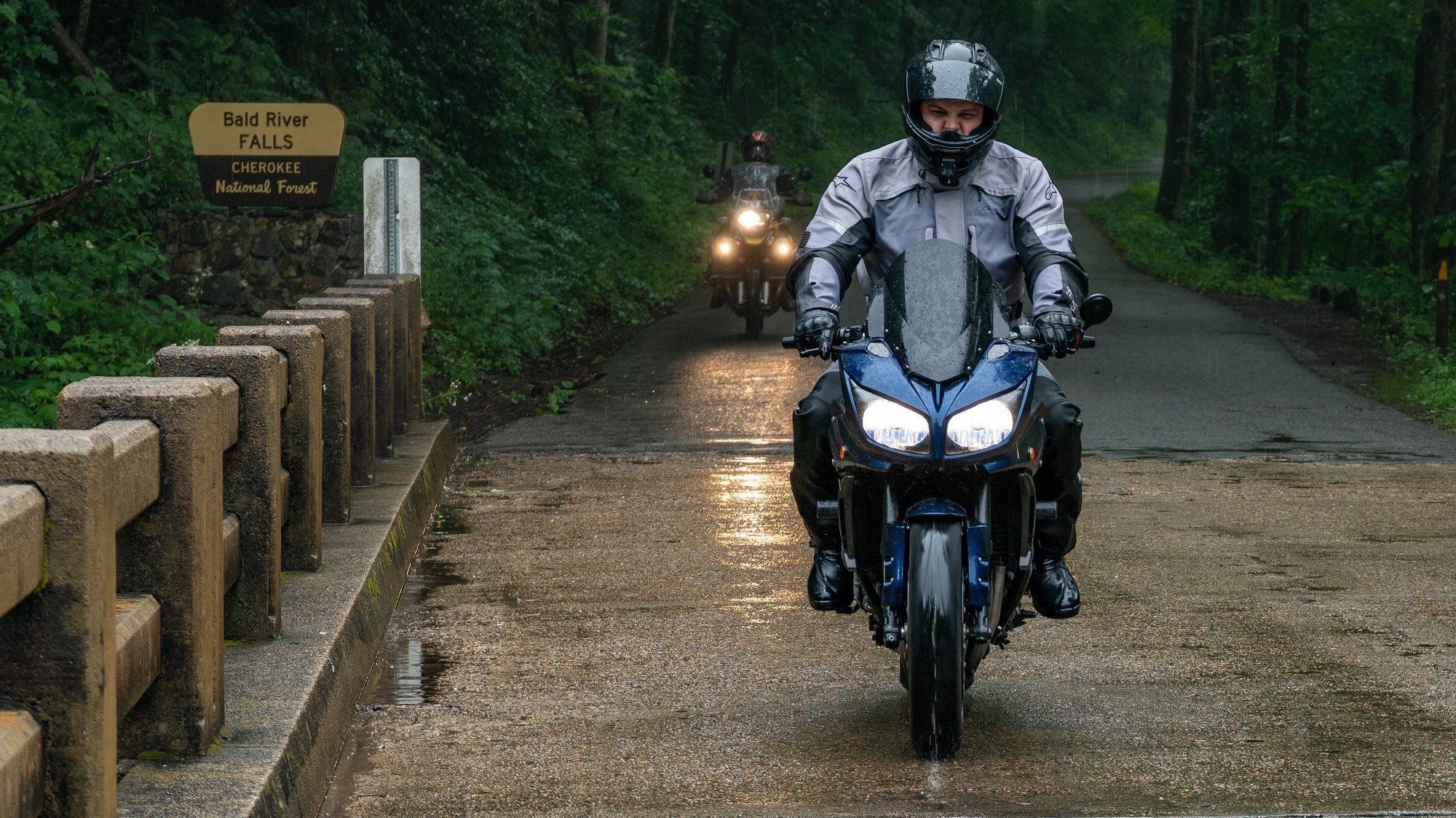
The Viofo MT1 topped our test with genuinely impressive 4K front footage, a rock-solid Sony STARVIS 2 sensor that handled night riding better than anything else in the group, and a dual-channel setup that gives you front and rear coverage without a rats' nest of wiring. The magnetic mount system made swapping between bikes effortless, and after two full days of rain riding in the mountains, the unit showed zero signs of water ingress. Battery-free hardwire installation keeps things clean, and the companion app is genuinely intuitive. At around $280 for the dual-channel kit, it's not cheap — but it's the one we'd buy with our own money.
2. Innovv K6 — Best for Adventure Tourers
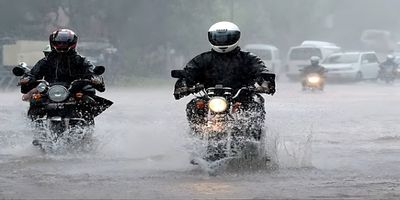
If you spend serious time on an adventure tourer racking up miles in remote terrain, the Innovv K6 is purpose-built for you. Its fully separated camera and DVR design means the recording unit can be tucked safely under your seat or in a pannier, well away from the elements, while slim 1080p cameras mount discreetly front and rear. GPS logging with speed overlay worked flawlessly throughout our test, and the system survived a genuine downpour at highway speed without a hiccup. Firmware updates have dramatically improved the companion app since launch, making this a much stronger package in 2026 than it was at release.
3. Garmin Dash Cam 20 Motorcycle Edition — Best Plug-and-Play
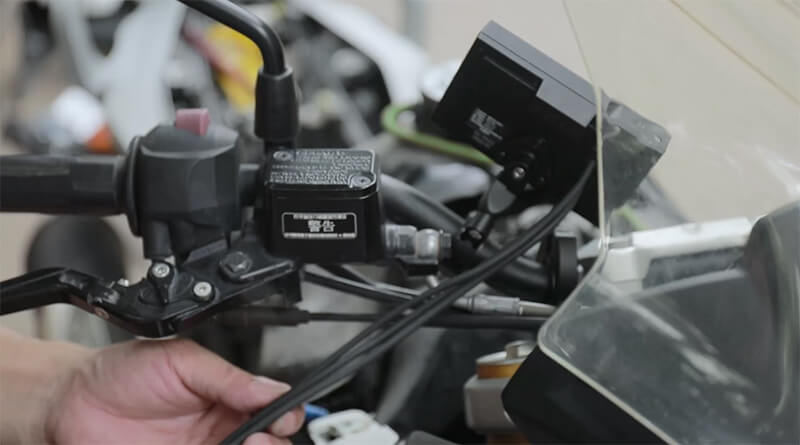
Garmin's motorcycle-specific unit wins on sheer ease of use. If you want something that works straight out of the box with minimal fuss, this is your camera. Voice control works surprisingly well even through a full-face helmet, and Garmin's automatic incident detection is among the most reliable we tested — it flagged every simulated impact without a single false positive trigger during normal spirited riding. Video quality sits just below the Viofo in outright resolution but is more than sufficient for insurance and legal purposes. The price is premium, but Garmin's customer support and warranty service are second to none.
4. Sena Momentum Pro — Best for Sena Ecosystem Riders
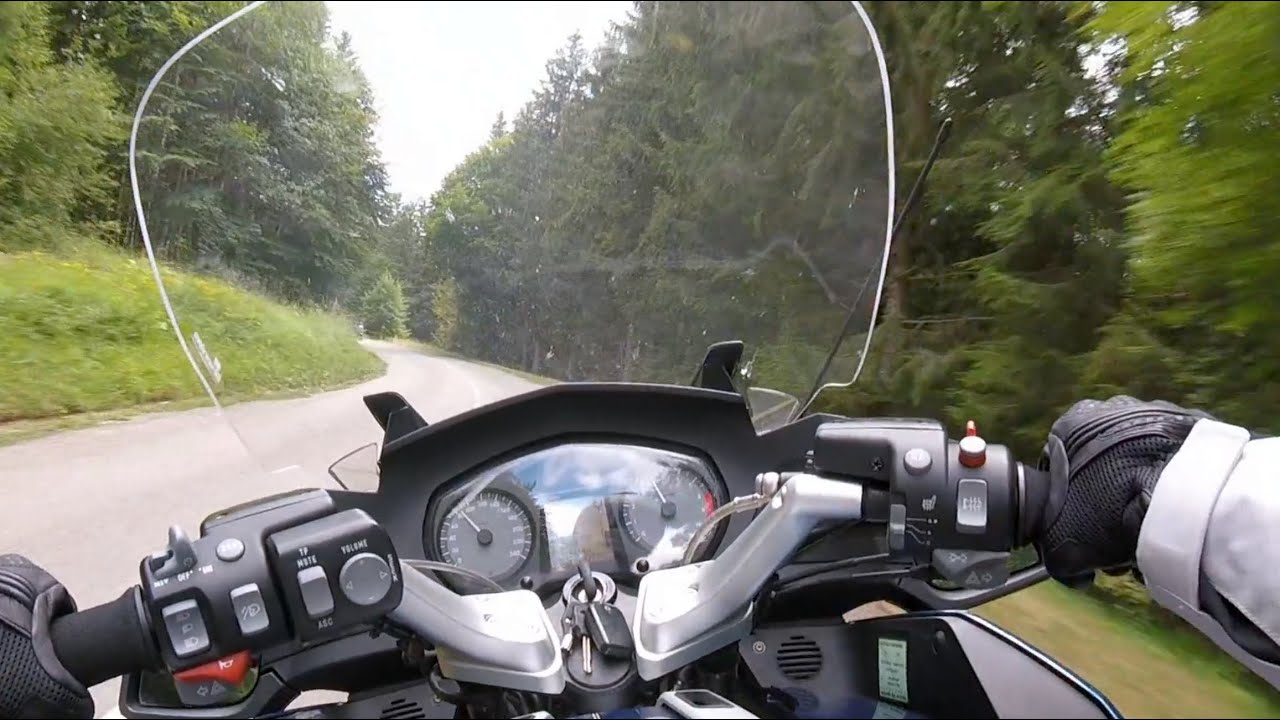
Already running a Sena communication system? The Momentum Pro integrates seamlessly with your existing setup, sharing a single app and allowing you to review footage directly through your Bluetooth mesh network. It's the best-integrated camera in the test for connected riders, though it does sacrifice some raw video quality compared to the top two picks. The 1440p footage is solid, the wide-angle lens captures impressive lane context, and the battery management system is smarter than most competitors.
Middle of the Pack
Several cameras landed in credible but not exceptional territory. The Thinkware M1 delivered consistent 2K footage and a reliable parking mode — useful if your bike lives on a city street — but its mounting system frustrated our testers with its lack of adjustability. The BlackVue DR770X-2CH Motorcycle offered exceptional cloud connectivity and remote live streaming, which is genuinely useful for fleet operators or travelers wanting to check on a parked bike, but its price-to-performance ratio felt stretched compared to the Viofo. The UCLEAR Moto Cam impressed with its audio sync capabilities for content creators but proved overly sensitive to vibration on our rougher test roads, producing jello-effect distortion on technical backroads.
The Ones to Avoid
Three cameras in our test failed to meet the basic standards we'd expect for motorcycle use. One budget unit's adhesive mount failed completely within 200 miles under direct summer sun heat. Another offered impressive spec-sheet numbers but produced footage so crushed by aggressive compression that detail was lost in exactly the high-contrast lighting scenarios — bright sun, dark shadows — where you most need clarity. A third simply couldn't survive sustained rain, fogging internally after the first wet day despite claiming an IP67 rating. We're not naming these to be cruel, but riders deserve to know that marketing claims on budget cameras frequently don't hold up to real-world use.
What to Look for When Buying
- True weatherproofing: Look for an IP67 rating minimum, and treat IP65 claims with skepticism until proven otherwise.
- Vibration compensation: Electronic image stabilization (EIS) is essential — optical stabilization alone won't cut it on rough roads.
- Loop recording with G-sensor lock: Ensures your card doesn't fill up, but critical incident footage is always protected automatically.
- Dual-channel capability: Front-only recording leaves you blind to rear-end incidents. Invest in dual coverage.
- Hardwire kit compatibility: Battery-powered cameras struggle in extreme heat and cold. A hardwired setup is more reliable long-term.
- Night performance: Test or research low-light performance specifically — this is where budget cameras fall apart fastest.
Final Verdict
After 500 miles and six weeks of testing, the Viofo MT1 is our clear recommendation for most riders. It delivers the best combination of video quality, weather resistance, ease of use, and value in 2026. Adventure riders spending big miles in remote conditions should look seriously at the Innovv K6, while riders already invested in the Sena ecosystem will find the Momentum Pro a seamless fit. Whatever you choose, please choose something — the roads are unpredictable, and having footage when you need it can make an enormous difference to your safety, your finances, and your peace of mind.