Why Your Helmet Audio Setup Matters More Than Ever in 2026
Motorcycle communication technology has evolved at a staggering pace. What was once a luxury reserved for long-distance tourers has become an essential safety and convenience tool for riders of every stripe. In 2026, the best helmet intercom and speaker combos offer seamless smartphone integration, real-time rider-to-rider communication, active noise cancellation, and audio quality that rivals premium earbuds — all while keeping your hands on the bars and your eyes on the road.
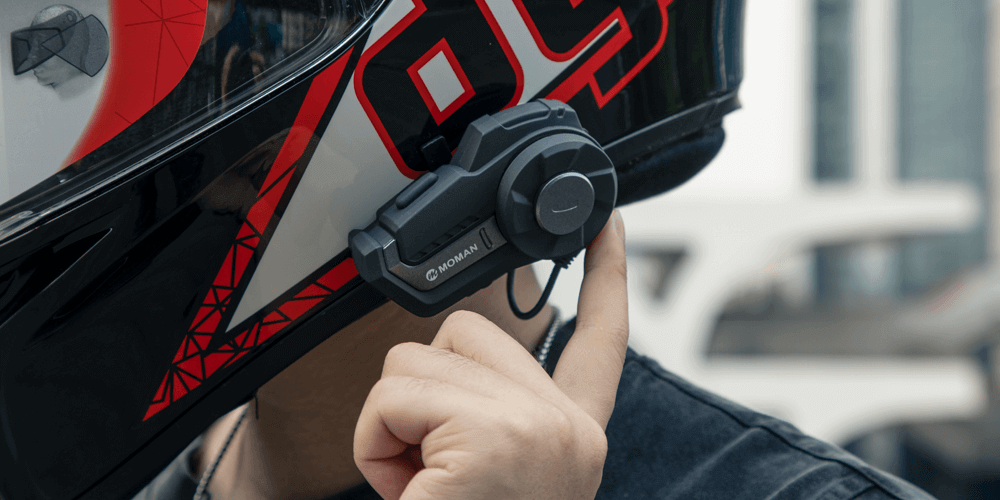
To find the setups that actually deliver on those promises, we spent six weeks testing 10 integrated audio systems across a wide range of real-world conditions: sustained highway cruising at 70–80 mph, stop-and-go city traffic, group rides with four or more connected riders, and even a rainy commute or two. We evaluated sound clarity, wind-noise suppression, ease of pairing, battery life, intercom range, and overall value. Here's what we found.
How We Tested
Each unit was mounted into a mid-range full-face helmet and evaluated by two riders simultaneously — one experienced tourer, one daily commuter — over a minimum of 200 miles of combined riding per system. We tested music playback, GPS audio from a connected phone, rider-to-rider intercom, and phone call quality. We noted setup time, button ergonomics with gloves on, and how well each system handled wind buffeting at speed.
Top Picks: The Best Intercom and Speaker Combos of 2026
1. Sena 50S — Best Overall
The Sena 50S continues to set the benchmark in 2026. Its Mesh Intercom 2.0 technology allows up to 24 riders to stay connected simultaneously with virtually no perceptible lag. Sound quality through the upgraded HD speakers is genuinely impressive — music felt full-bodied even at highway speeds, and voice clarity during intercom use was natural and fatigue-free. The new wind-noise algorithm in the latest firmware noticeably reduced buffeting artifacts that plagued earlier versions. Battery life hit 13 hours in our real-world testing, which is excellent. Setup via the Sena app is intuitive, and the glove-friendly jog dial remains one of the best input methods in the category.
2. Cardo Packtalk Neo — Best for Group Rides
Cardo's Dynamic Mesh Communication (DMC) has long been the gold standard for multi-rider connectivity, and the Packtalk Neo refines it further. We connected six riders seamlessly in under two minutes, and the intercom held strong across nearly a mile of separation in open terrain. Audio quality is warm and clear, and the Natural Voice Operation worked reliably for controlling music and calls without button presses. The Neo's slim profile also integrates cleanly into most modern helmet liner pockets.
3. Sena 30K — Best Budget Mesh Option
For riders who want Mesh connectivity without the flagship price tag, the Sena 30K punches well above its cost. Speaker clarity is a step below the 50S, but still very usable for navigation and communication. Intercom range of up to 2 km in open conditions is competitive, and the eight-rider group capacity covers most real-world scenarios. If you're outfitting a riding club on a budget, this is the system to standardize on.
4. Midland BT Next — Best Value for Solo Riders
The Midland BT Next isn't trying to compete with premium mesh systems — it's a clean, no-frills Bluetooth unit that handles music, phone calls, and GPS audio beautifully. The 40mm speakers delivered the best music reproduction of any system we tested at lower speeds and in city traffic. Battery life of 15 hours was the longest in our test field. If you ride alone and primarily want great audio rather than multi-rider intercom, this is exceptional value.
5. UClear Motion Infinity 2 — Best Active Noise Cancellation
UClear has doubled down on its ANC technology, and the results are striking. On long highway stretches above 65 mph, the Motion Infinity 2 reduced wind noise fatigue more effectively than any other system we tested. Conversations felt effortlessly clear even without reducing speed. The tradeoff is a slightly bulkier speaker unit and a shorter intercom range, but for touring riders who spend hours on the open road, the acoustic comfort is worth it.
6. Cardo Freecom 4+ — Best for Helmet Compatibility
Not every helmet has deep speaker pockets, and the Freecom 4+'s slim speaker design slots into even tight-fitting full-face lids without issue. Sound quality is solid if not spectacular, and the JBL-branded speakers offer a notable step up in audio tuning over the previous generation. This is also one of the easier units to install for riders who aren't technically inclined.
Key Features to Compare Before You Buy
- Mesh vs. Bluetooth Intercom: Mesh technology (used by Sena and Cardo's flagship lines) maintains a self-healing network between riders, making it far more reliable for groups than traditional point-to-point Bluetooth pairing.
- Speaker Size and Placement: Larger 40mm or 45mm speakers generally deliver better bass and overall volume, but only if your helmet's speaker pockets can accommodate them without pressing against your ears.
- Wind Noise Cancellation: Look for systems with active DSP (Digital Signal Processing) noise reduction rather than passive foam wind shields alone — the difference at highway speed is substantial.
- Battery Life: Aim for at least 10 hours of real-world use, not manufacturer claims, especially if you're planning multi-day tours.
- App Integration: A well-designed companion app makes firmware updates, intercom pairing, and audio EQ adjustments dramatically easier. Both Sena and Cardo have mature, reliable apps in 2026.
- Range: Marketing range figures assume ideal open conditions. In practice, expect 30–40% reduction in urban environments with buildings and traffic.
City vs. Highway: What Changes in Your Requirements
City riders prioritize quick pairing, reliable phone call quality, and voice command support for navigation — you need to stay alert and hands-free in dense traffic. Highway and touring riders care more about wind-noise suppression, sustained battery life, and multi-rider intercom stability over longer distances. Several systems on our list excel in one environment but compromise in another, so knowing your primary use case before buying is essential.
Installation Tips for Any System
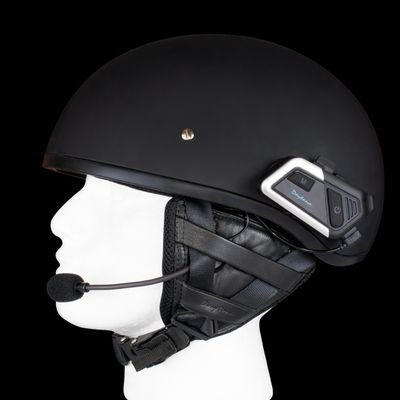
Regardless of which unit you choose, take time during installation to position speakers as close to your ears as possible without contact pressure — even a few millimeters of alignment can dramatically affect audio quality. Route cables cleanly through the helmet liner to prevent wind-catching loops, and always run a firmware update before your first ride. Most systems ship with older firmware that lacks recent improvements.
Our Recommendation
For most riders in 2026, the Sena 50S delivers the best all-around experience — excellent sound, reliable mesh connectivity, long battery life, and a mature ecosystem. Group riders who prioritize intercom stability and have riding partners on Cardo units should look at the Cardo Packtalk Neo instead, as its cross-brand compatibility has improved significantly. Solo commuters who want premium audio above all else will love the Midland BT Next. Whatever your riding style, integrated helmet audio in 2026 is better than it has ever been — there's a system on this list that will make every mile sound better.