The Desert Doesn't Lie: Finding the Best Motorcycles for Dry-Climate Riding in 2026
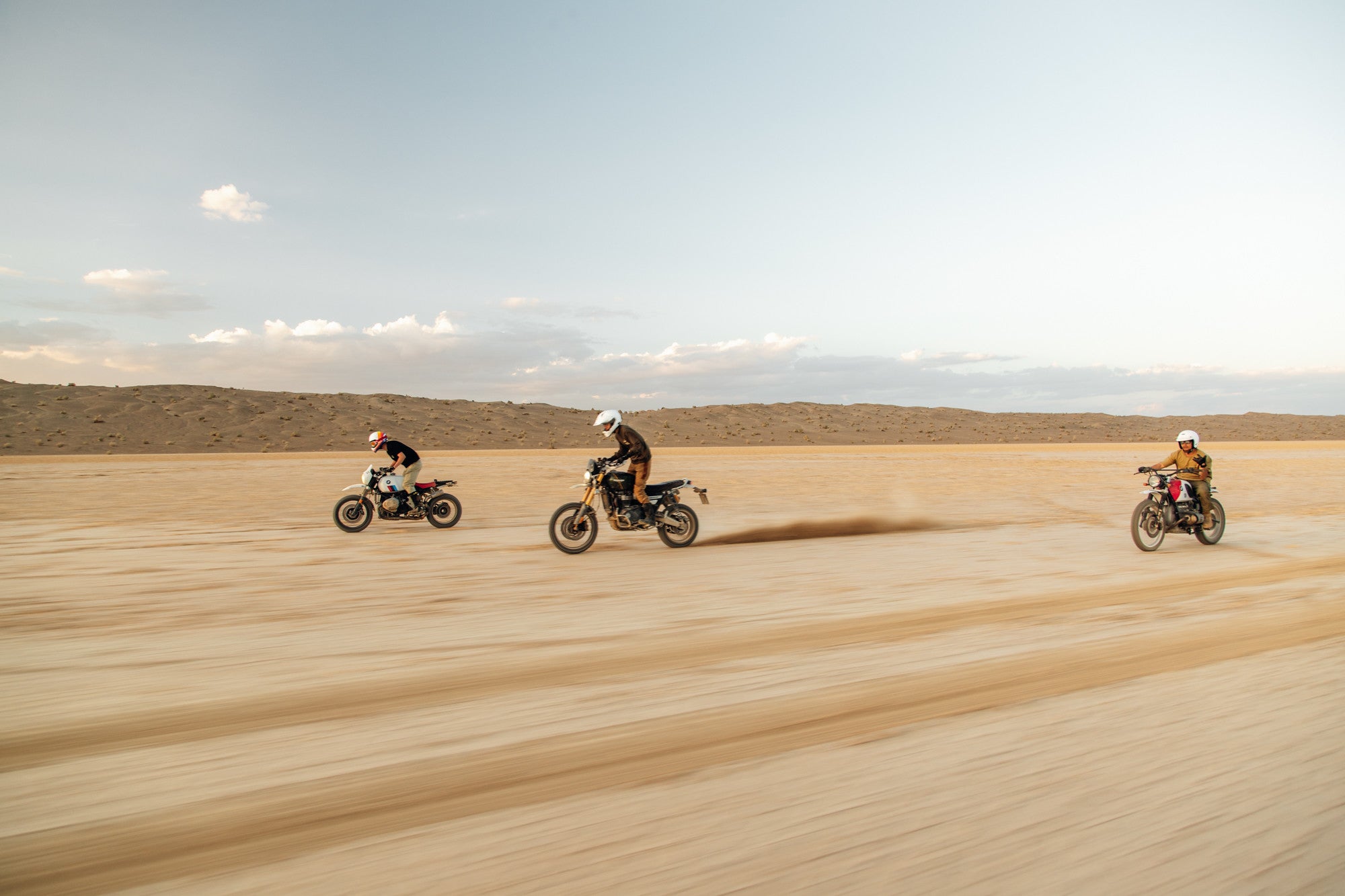
There is nowhere on earth more honest than a desert. Strip away the trees, the shade, the forgiving loam, and what you're left with is unfiltered heat, unpredictable terrain, and a machine that either rises to the challenge or quietly falls apart. We loaded up a trailer with eight motorcycles, pointed it toward the American Southwest, and spent two weeks riding through sand washes, caliche hardpack, rocky ridgelines, and long stretches of nothing but sky and dust. The mission: find the best motorcycles for desert riding heading into 2026.
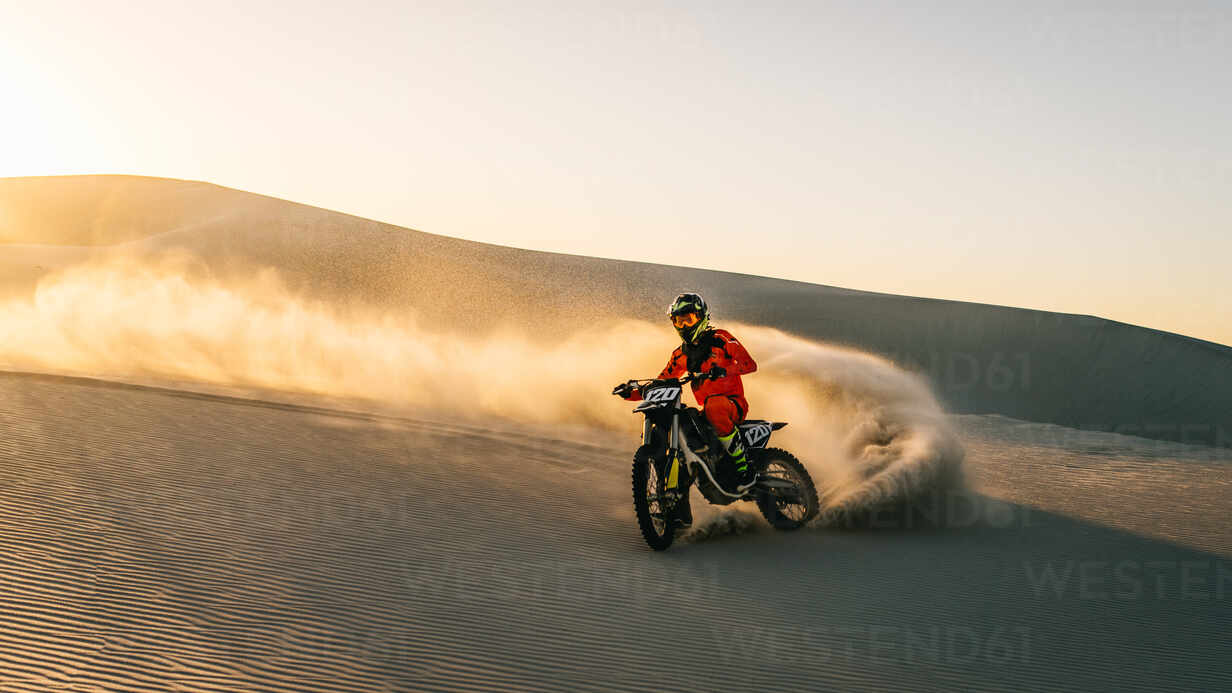
Our test parameters were simple but brutal. Each bike faced loose sand, firm desert hardpack, technical rocky sections, extended high-speed straights, and full-day rides in temperatures ranging from 95 to 112 degrees Fahrenheit. We evaluated heat management, suspension performance, ergonomics for long hauls, wind protection, engine character, and that intangible quality — confidence in the unpredictable. Here's what we found.
The Contenders: Eight Machines, One Desert
Our test roster included a deliberate mix of categories, because desert riding is not one-dimensional. We brought adventure bikes, scramblers, dual-sports, and one pure off-road machine to understand how each philosophy handles the dry-climate challenge.
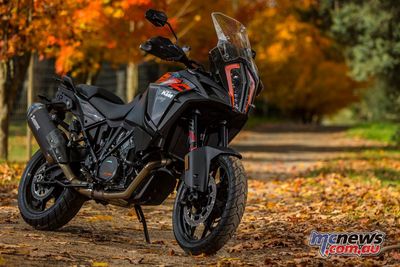
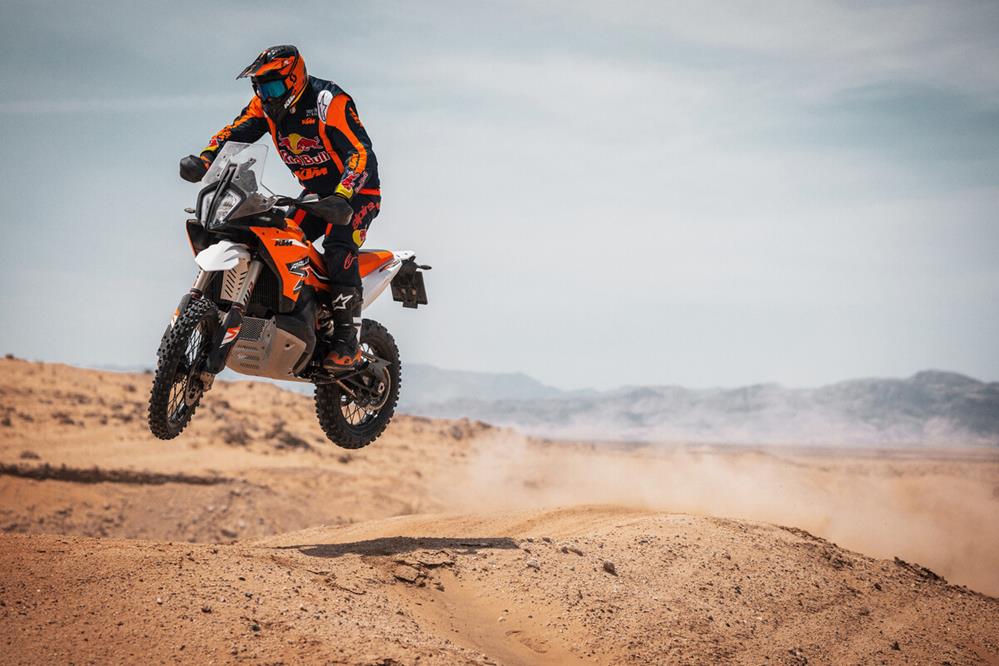
1. KTM 890 Adventure R — The Desert Benchmark
If you drew a motorcycle specifically for the desert and handed it to an engineer, they'd hand you back something close to the KTM 890 Adventure R. The WP XPLOR suspension — 48mm forks up front and a linkage-free PDS shock out back — absorbed every rocky slab and rutted wash with composed authority. The 889cc parallel-twin runs crisp and responsive in the heat, and KTM's heat management has improved significantly for 2026 with revised cooling channels that kept thigh-scorching to a minimum even at low speeds in technical terrain. Tall riders will adore the commanding ergonomics. Our only quibble: fuel range requires planning on longer remote stretches.
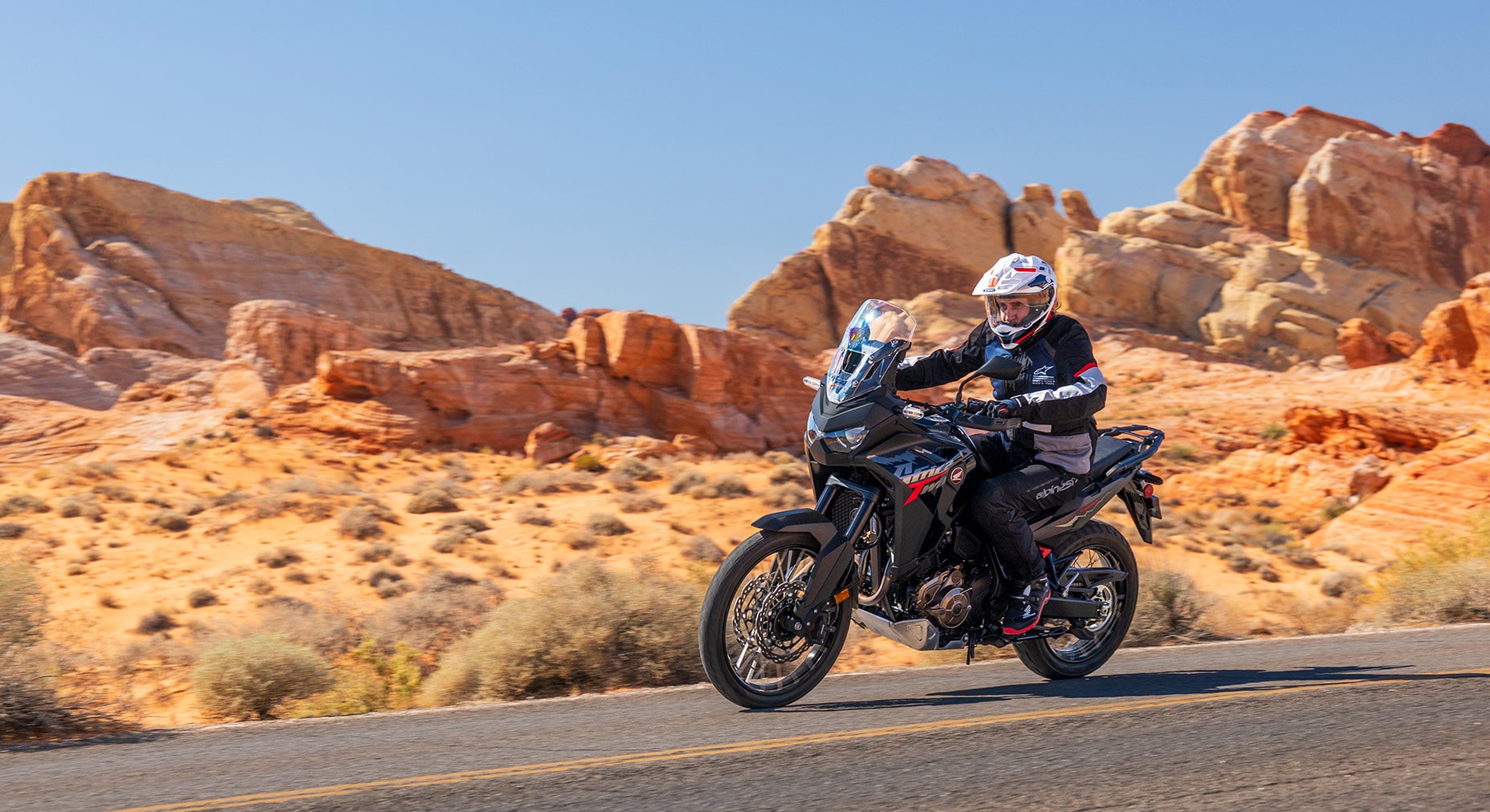
2. Honda Africa Twin Adventure Sports — Long-Haul Desert King
The Honda Africa Twin Adventure Sports earns its place as the choice for riders who mix serious adventure with long-distance comfort. The 1084cc parallel-twin delivers smooth, linear torque that makes sand riding intuitive rather than intimidating. Honda's Automatic DCT transmission, now in its most refined iteration, proved surprisingly brilliant in loose sand — no clutch fumbles during slow-speed technical sections. The large fuel tank, excellent wind protection, and thoughtful ergonomics make multi-day desert expeditions feel manageable. It's heavier than pure off-road options, and you'll feel that weight in tight switchbacks, but as a do-everything desert tourer, few bikes match it.
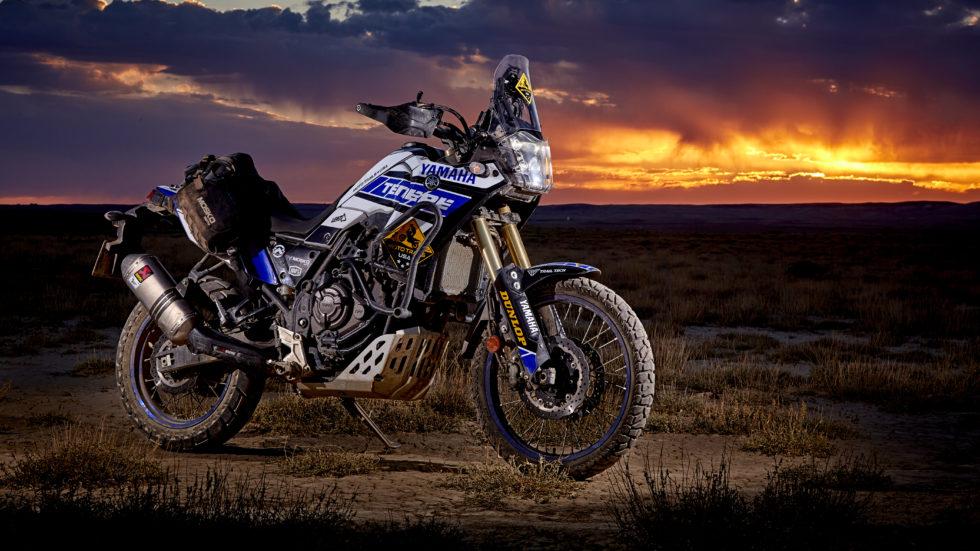
3. Yamaha Ténéré 700 — The People's Desert Weapon
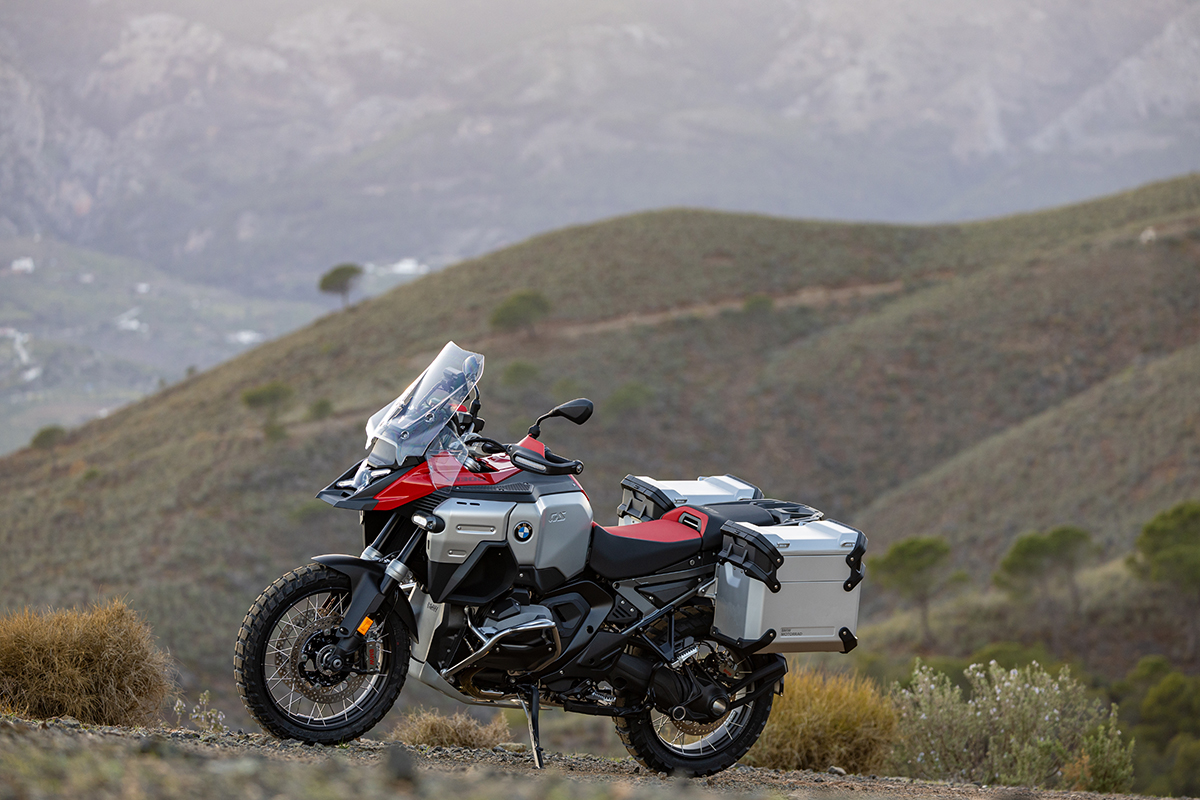
Year after year the Yamaha Ténéré 700 proves its desert credentials, and the 2026 version is the best yet. The 689cc CP2 engine is a masterclass in torque delivery — broad, predictable, and confidence-inspiring when you're managing wheel spin across shifting sand. The suspension, now with improved damping control on higher-spec variants, handles rough hardpack with aplomb. It's lighter than most adventure bikes in this class, which translates to reduced fatigue over long days. Simplicity is its superpower: fewer electronics to worry about means more attention on riding. At its price point, the Ténéré 700 remains one of the best values in desert-capable motorcycles.
4. BMW R 1300 GS — Desert Tourer Redefined
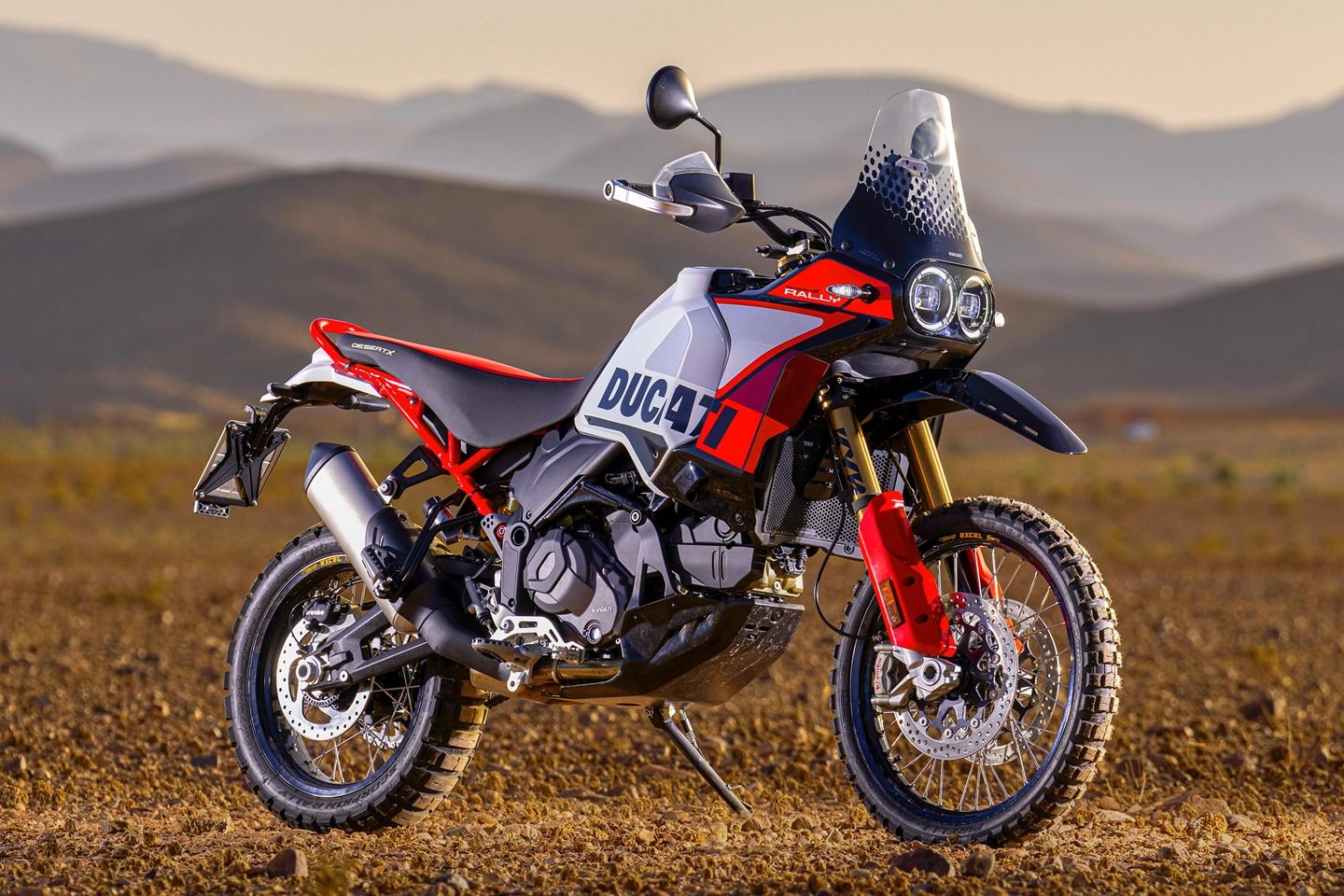
The all-new BMW R 1300 GS brought a dramatic weight reduction and a sharper, more aggressive character to a nameplate long associated with globetrotting luxury. The boxer twin now produces 145 horsepower with improved thermal efficiency — a meaningful advancement for desert use. The Dynamic Suspension Adjustment handled transitions from hardpack to sand remarkably well, and the semi-active setup reduces rider fatigue over hours of corrugated dirt roads. This is a large, premium motorcycle and every dollar shows. If budget is no object and you want air-conditioned-hotel comfort with genuine off-road capability, the R 1300 GS is the answer.
5. Royal Enfield Himalayan 450 — The Underdog Impresses
Perhaps our biggest surprise of the test, the Royal Enfield Himalayan 450 punched well above its weight class throughout. The 452cc liquid-cooled single delivers 40 horsepower in a lightweight, manageable package that invited riders of all experience levels to explore more aggressively. Desert temperatures didn't faze the engine, and the upright ergonomics were genuinely comfortable over 200-mile days. The suspension is not class-leading, but it is honest and predictable. For newer off-road riders or those on tighter budgets seeking a genuine desert experience, the Himalayan 450 is a remarkable entry point.
6. Ducati DesertX — Italian Passion Meets Desert Performance
The Ducati DesertX is the most emotionally stirring motorcycle in our test. The 937cc Testastretta engine delivers a visceral soundtrack and impressive top-end power, while the Marzocchi suspension handles desert terrain with a sophistication that rewards skilled riders. Ducati's 2026 updates include revised ride modes better optimized for mixed surface riding. It runs warmer than its competitors and requires a bit more rider awareness in slow technical sections, but push through those limitations and the DesertX rewards with an experience no other motorcycle in this group can match for sheer excitement.
7. Suzuki V-Strom 800DE — The Practical Desert Companion
The Suzuki V-Strom 800DE won our award for Most Underrated Desert Bike. The 776cc parallel-twin delivers accessible power with outstanding fuel economy — critical when fuel stops are 150 miles apart. The 19-inch front wheel, KYB suspension, and wire-spoke wheels give it genuine off-road credibility, while the wind protection and upright seating position make it a genuine all-day companion. It won't excite you the way the DesertX does, but it won't strand you either. Reliability and practicality are its defining traits, and the desert punishes those who forget that.
8. Kawasaki KLX300SM — The Wild Card
We included the Kawasaki KLX300 as our dedicated lightweight off-road entrant, and it delivered a completely different perspective on desert riding. Effortless in sand, flickable on technical rocky sections, and unbothered by heat given its simple air-cooled architecture, the KLX300 reminded us why lightweight dual-sports still have a devoted following. You won't tour on it comfortably, but for pure desert fun and access to trails larger bikes cannot navigate, it's irreplaceable.
Key Factors for Desert Riding Success
- Heat management: Liquid-cooled engines with well-routed exhaust and fairing designs that channel heat away from the rider matter enormously above 100°F.
- Suspension travel: More travel means more comfort over washboard and rocks. Look for at least 8 inches front and rear for serious desert use.
- Wheel size: A 21-inch front wheel significantly improves sand and loose surface tracking.
- Fuel range: Desert infrastructure is sparse. Prioritize bikes with 200+ mile range or plan your fuel strategy meticulously.
- Weight: Every unnecessary pound becomes a liability when you drop the bike in deep sand far from assistance.
Our Final Verdict
For most riders seeking the ultimate desert motorcycle in 2026, the KTM 890 Adventure R takes the top spot by balancing off-road performance, heat management, and ergonomics at a level no competitor quite matches. The Yamaha Ténéré 700 earns our Best Value award and isn't far behind in raw capability. If long-distance comfort is paramount, the Honda Africa Twin Adventure Sports remains the desert tourer benchmark. Whatever you choose, the desert will test you — make sure your motorcycle is ready for the conversation.