Why Open-Face Helmets Still Matter in 2026
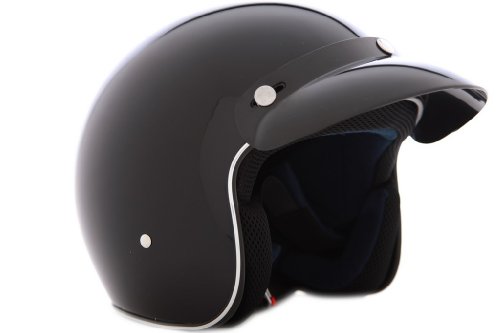
Full-face helmets get most of the glory, and for good reason — they offer maximum protection and aerodynamic efficiency. But three-quarter lids, also known as open-face helmets, remain a staple for millions of riders worldwide. They offer unobstructed peripheral vision, natural airflow across the face, and a connection to the road that full-face wearers simply don't experience. For urban commuters, café racer enthusiasts, cruiser riders, and anyone who values comfort on shorter trips, the open-face helmet is often the smarter, more enjoyable choice.
For this roundup, we tested nine helmets across a combined total of over 1,200 miles — splitting time evenly between dense city riding (stop-and-go traffic, low-speed maneuvering) and highway stints at sustained speeds of 65–80 mph. We evaluated each lid on safety certification, build quality, fit and retention, ventilation, noise levels, visor quality, and overall value. Here's what we found.
What We Looked For
- Safety certification: All helmets on this list carry at minimum DOT certification; most also carry ECE 22.06 approval, the current gold standard for global helmet safety.
- Fit and comfort: A helmet that doesn't fit well won't protect you — and it won't stay on your head for more than a short ride.
- Ventilation: Open-face helmets should breathe well at low speeds. We tested at both city and highway paces.
- Noise levels: Even without a chin bar, wind noise varies significantly between designs. We took notes at speed.
- Visor quality: Scratch resistance, UV protection, ease of swapping, and optical clarity all matter here.
- Value: We tested helmets ranging from under $100 to over $600 to find options at every price point.
Our Top Picks at a Glance
After exhaustive testing, five helmets rose above the rest. We've broken them into categories to help you find the best match for your riding style and budget.
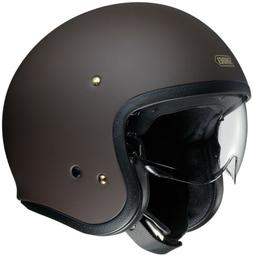
Best Overall: Shoei J·O 2
The Shoei J·O 2 is the helmet we kept reaching for when it was our turn to go out. It carries ECE 22.06 certification, features Shoei's AIM+ shell construction for excellent impact absorption, and wraps it all in one of the most refined interior liners we've ever pulled over our heads. The multi-density EPS liner is well-shaped for a wide variety of head shapes, and the cheek pads are plush without creating pressure points on longer rides. Ventilation through the top vents was genuinely impressive even at city speeds, and at highway pace the helmet remained stable without the neck fatigue that cheaper open-face designs can cause. The integrated sun visor drops smoothly and offers superb optical clarity. At around $550 street price, it's an investment — but it's the kind of helmet you buy once and keep for years.
Best Value: Bell Custom 500
Bell's Custom 500 has been a benchmark in the cruiser and café racer world for years, and the refreshed 2026 version earns its reputation again. Priced around $160, it packs a DOT-certified polycarbonate shell, genuine leather interior trim, and a clean, classic aesthetic that looks just as good on a bobber as it does on a retro scrambler. The fit runs slightly narrow at the temples, so riders with rounder head shapes should try before they buy — but if the fit works for you, this helmet delivers far beyond its price point. It doesn't have an integrated sun visor, so you'll want to pair it with quality shades or a clip-on visor for highway use.
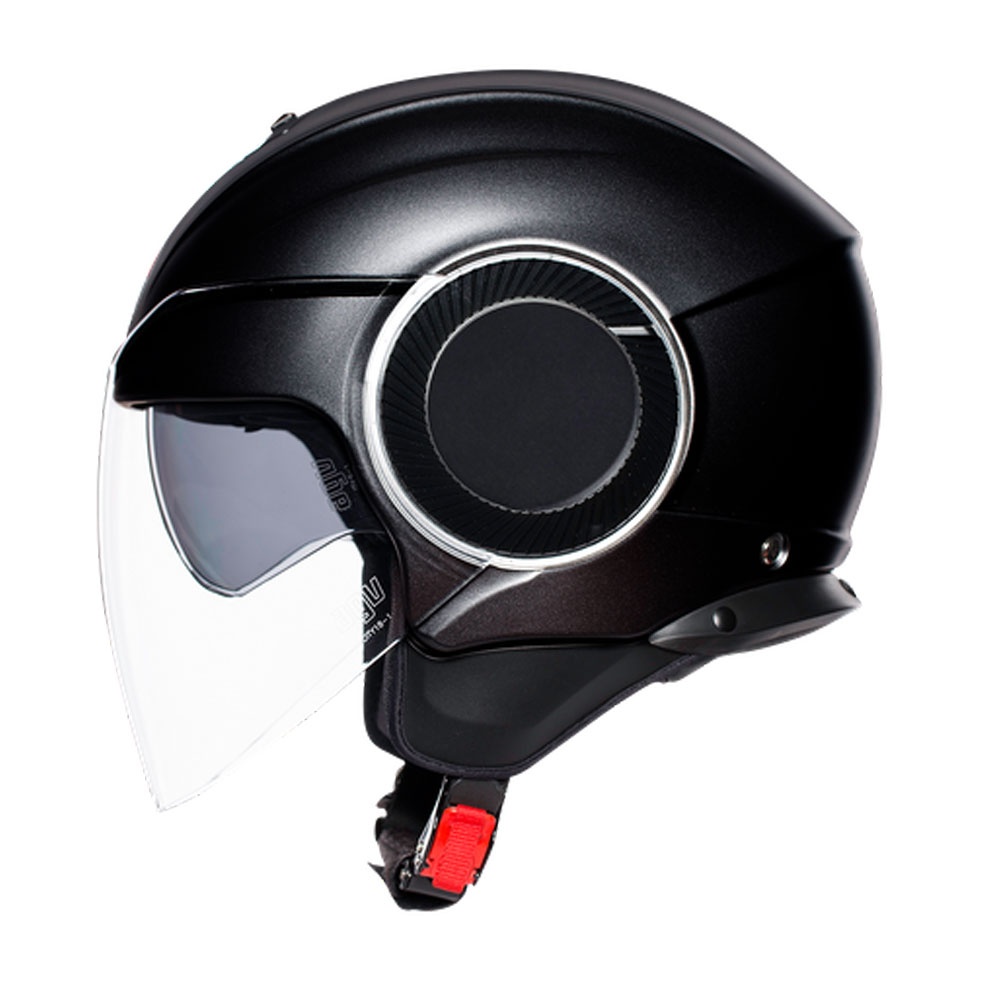
Best for City Commuters: AGV Orbyt E2206
If most of your miles are urban, the AGV Orbyt is your helmet. The wide eye port gives you exceptional peripheral vision at intersections, and the ventilation system — featuring a large forehead intake and internal channeling — keeps air moving even when you're idling in traffic. The integrated drop-down visor is a city commuter's best friend, snapping into position quickly when you ride into direct sun and retracting just as easily when you hit a tunnel. The Orbyt carries ECE 22.06 certification and is built from a composite fiber shell that's both lightweight and sturdy. At around $340, it sits comfortably in the mid-range and punches above its weight class.
Best for Highway Riding: Schuberth O1
Schuberth has long been known for engineering helmets with unusually low wind noise, and the O1 open-face brings that same acoustic discipline to the three-quarter format. At highway speeds, the difference is noticeable: the O1 is significantly quieter than most competitors at 70 mph thanks to its precision-molded outer shell, which is designed in conjunction with an in-house wind tunnel. The retention system is firm and confidence-inspiring at speed, eliminating the buffeting that can make cheaper open-face helmets feel unstable. Optional Schuberth-specific Sena SC1 communication integration makes it an easy choice for touring riders who want open-face freedom on long rides. Street price is approximately $600.
Best Budget Pick: Vega Helmets XTS
Under $90 and DOT certified, the Vega XTS won't win any awards for materials or refinement — but it fits surprisingly well for the price, the integrated drop-down sun visor actually works, and the interior padding is more comfortable than the spec sheet suggests. For new riders building their kit on a budget, or for experienced riders who want a beater helmet for quick errands, the XTS is the pick. Don't expect it on the highway at sustained speeds, but for city use it does its job admirably.
Helmets That Didn't Make the Cut — and Why
Four of the nine helmets we tested fell short of our recommendations. Common failure points included excessive wind noise at highway speeds, poor visor optical clarity with noticeable distortion at the edges, interior padding that deteriorated quickly or caused pressure points after 45 minutes of riding, and retention systems that allowed too much movement under aggressive braking. We won't name the underperformers here — helmet testing exists to protect riders, not to shame brands — but our advice is to always try a helmet on in person before purchasing, and to be skeptical of open-face designs that lack independent ECE or SHARP safety ratings.
Tips for Buying an Open-Face Helmet
- Know your head shape: Most helmet brands cater to intermediate oval shapes. If you have a round oval or long oval head, look for brands that specifically address this — AGV and Arai are known for offering a wider range of internal shapes.
- Don't ignore ECE 22.06: It's the toughest independent safety standard currently in wide use. A DOT sticker alone isn't enough.
- Pair it with the right eyewear: Open-face helmets demand quality eye protection. UV-rated goggles or photochromic sunglasses make a significant difference in riding comfort and safety.
- Check the visor replacement process: Visors scratch. Make sure the one on your helmet can be replaced easily and that replacement visors are readily available.
- Wear a balaclava on cold days: The open chin design that makes these helmets great in summer becomes a liability in cold weather. A thin balaclava or neck gaiter solves the problem quickly.
The Bottom Line
Open-face helmets are very much alive in 2026, and the best options have never been better — safer, quieter, and more comfortable than ever before. If you're choosing one helmet from this list, the Shoei J·O 2 is the easiest recommendation we can make: it simply does everything right. But whatever your budget or riding style, there's a strong three-quarter lid here for you. Ride safe, ride connected, and keep that visor clean.