Honda's Big Hornet Grows Up — And Gets Mean
There's a moment on the back straight of a tight technical circuit when you crack open the throttle on the 2027 Honda CB1000 Hornet and everything clicks. The inline-four sings past 8,000 rpm, the front wheel hovers with intent, and you suddenly understand exactly what Honda was trying to build. This isn't the polished, restrained CB1000R of years past. This is something sharper, something hungrier — and after seven days and roughly 1,400 kilometres split between mountain roads and track sessions, we're convinced it might be the most exciting naked bike Honda has produced in a decade.
What's New for 2027
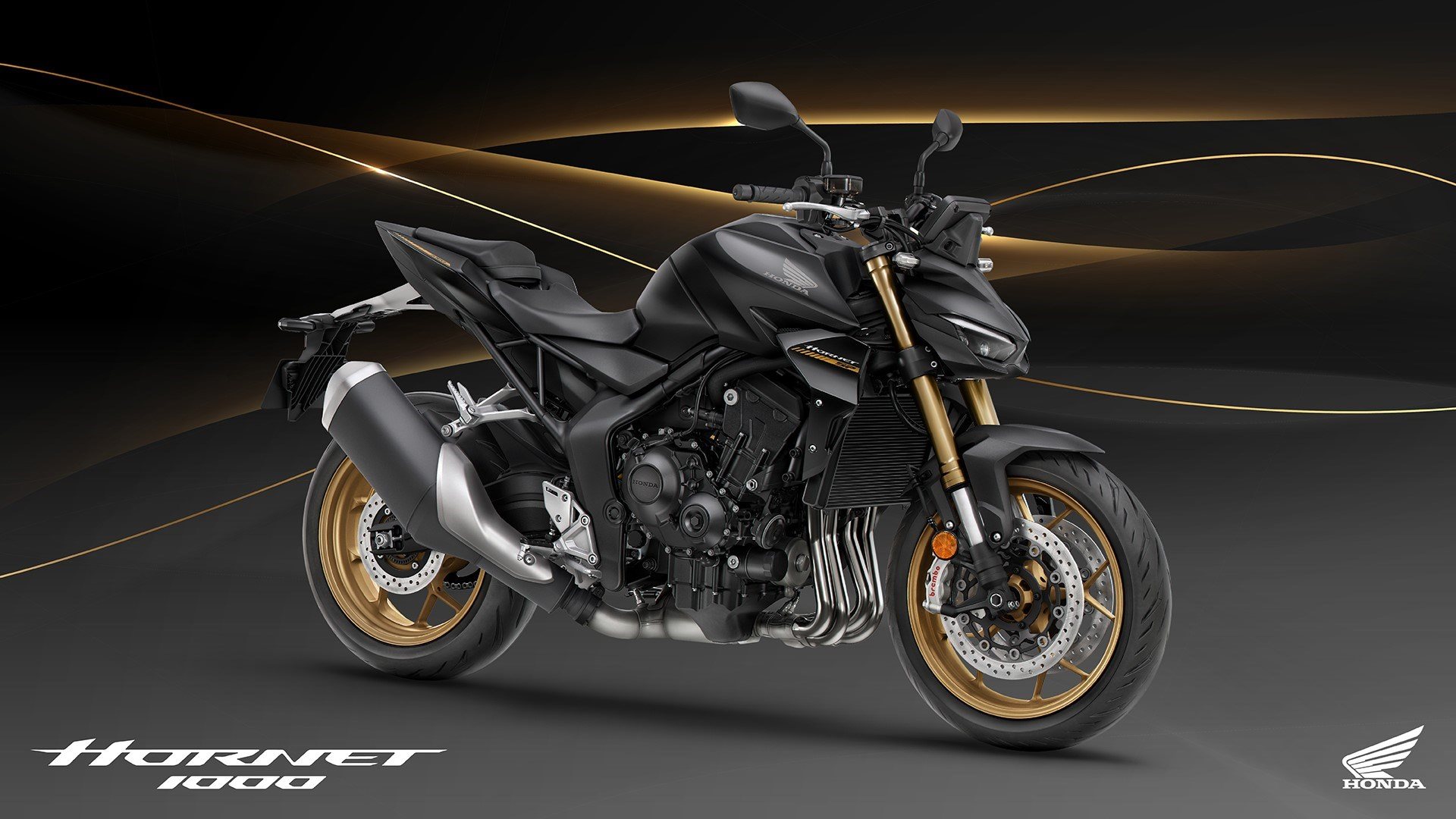
Honda hasn't simply reshuffled the deck for the 2027 model year. The CB1000 Hornet receives a comprehensively revised 998cc inline-four engine, now producing a claimed 150 horsepower and 104 Nm of torque. That's a meaningful step up from previous iterations, and crucially, the power delivery has been retuned to feel more immediate in the low-to-mid range where street riding actually happens. A new ride-by-wire throttle body system feeds directly into a five-axis IMU that governs Honda's Selectable Torque Control, Wheelie Control, and an updated Honda Cornering ABS that now works with greater sensitivity at lean.
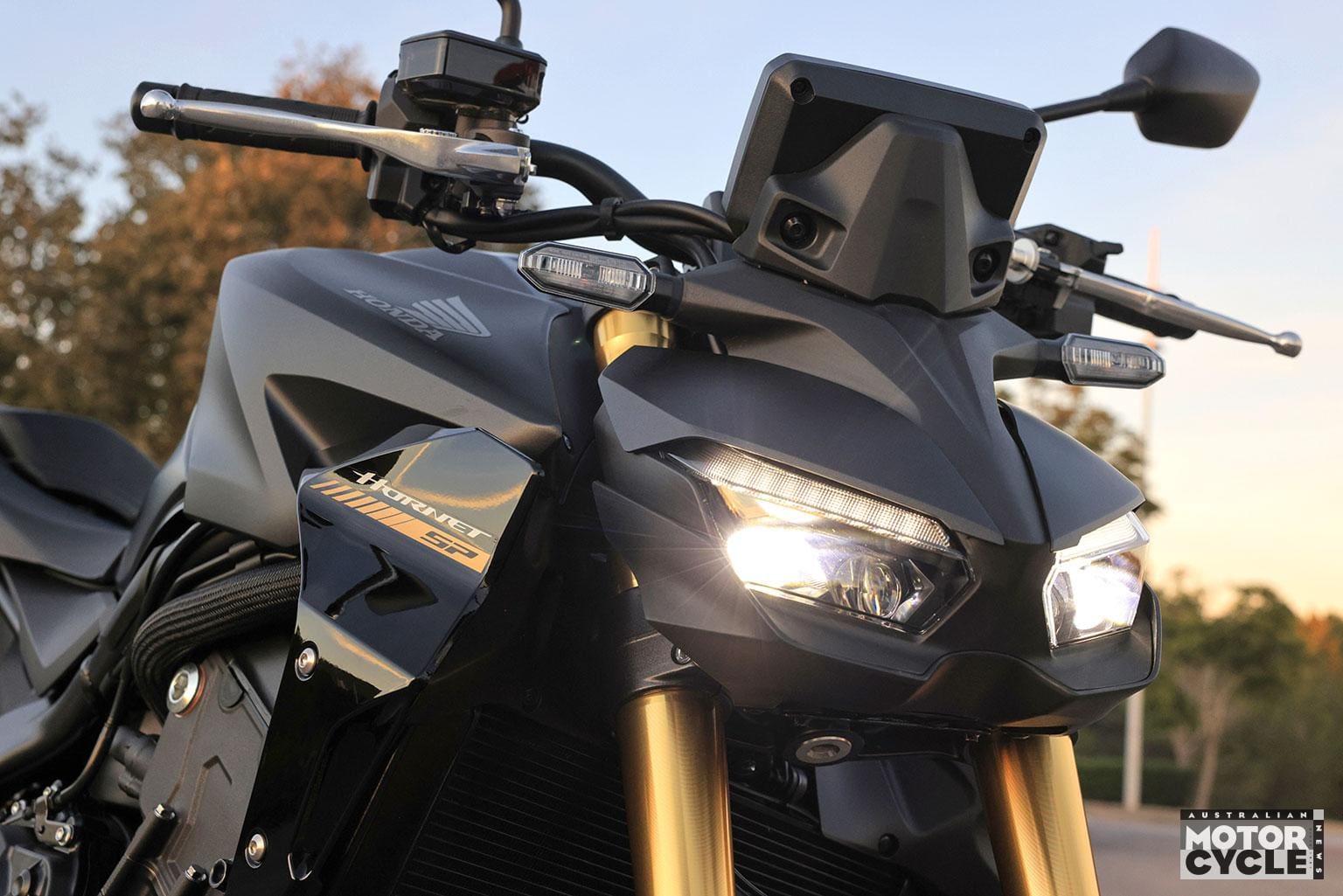
Visually, the 2027 Hornet is unmistakably aggressive. Honda's designers have given it a trellis-style subframe, an angular headlight cluster inspired by the SP versions of its CBR superbikes, and an exhaust system that exits high on the right side, MotoGP-style. It looks purposeful without tipping into the kind of overwrought styling that dates badly. The colour options — Graphite Black and a striking Tricolour Red-White-Blue heritage scheme — both land well in person.
On the Road: Living With the Hornet Day to Day
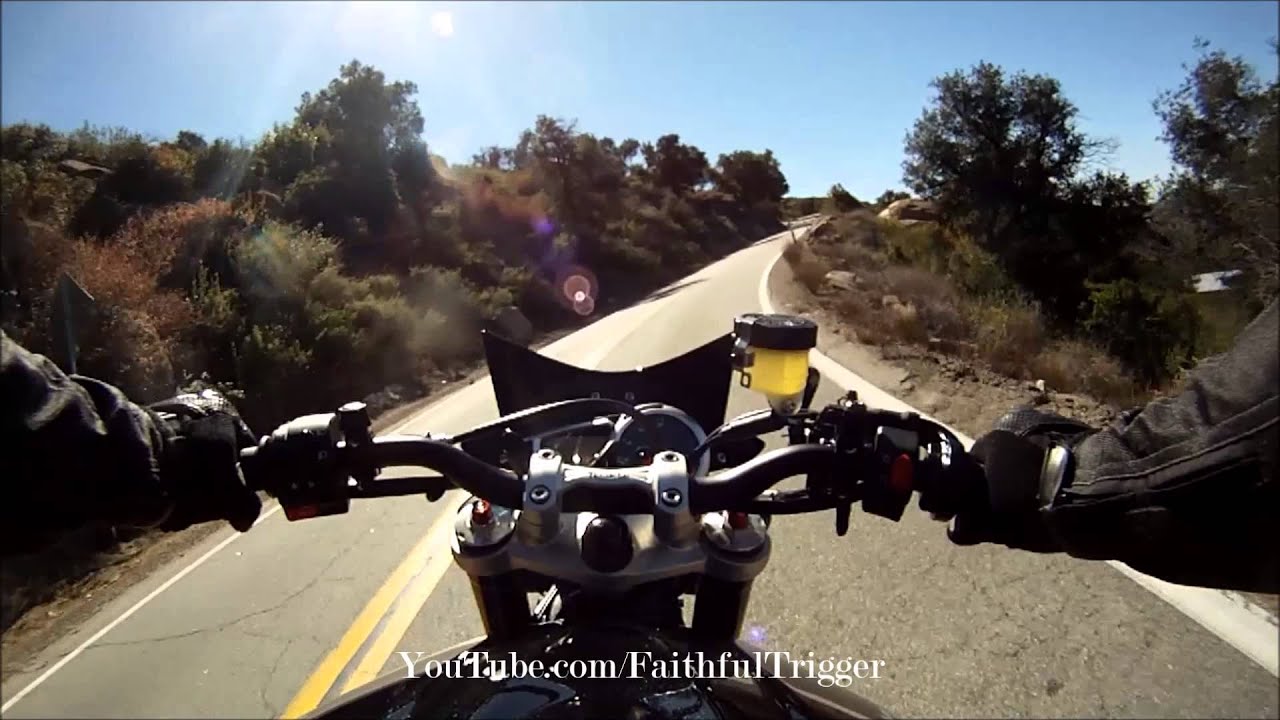
Our road riding loop covered a mix of urban commuting, motorway cruising, and the kind of flowing B-road work that defines the genre. The CB1000 Hornet acquits itself impressively across all three, though its personality is unmistakably tilted toward the twisty stuff.
In the city, the Hornet is more manageable than its power output might suggest. Honda's standard Urban riding mode softens throttle response and introduces a light-clutch assist that makes filtering and low-speed manoeuvring genuinely stress-free. The upright ergonomic triangle — wider bars than the outgoing CB1000R, a slightly lower seat at 820mm, and mid-set pegs — puts you in a commanding position without the hip strain that plagues longer naked bike sessions. We'd still appreciate a more adjustable screen, because at motorway speeds above 120 km/h, buffeting becomes noticeable after an hour.
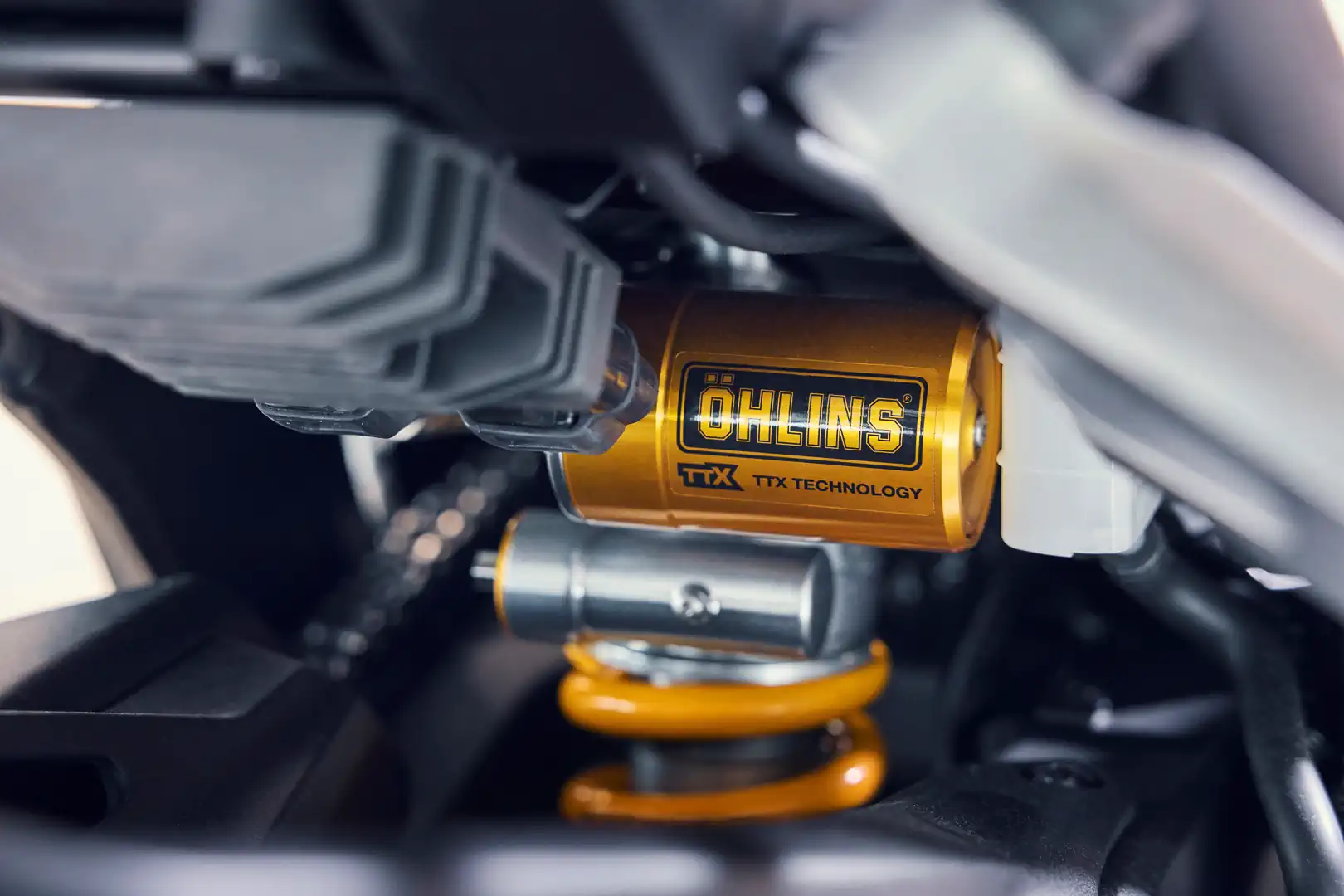
Switch to Sport mode and the character transforms convincingly. Throttle response sharpens, the quickshifter (standard fit across all variants) becomes crisper in both directions, and the Showa Separate Function fork — adjustable for preload, rebound, and compression — starts to communicate what the front wheel is doing with real precision. The rear Showa monoshock is similarly adjustable and struck a balance between compliance and control that impressed our test riders across varying road surfaces.
On Track: Where the Hornet Finds Its True Self
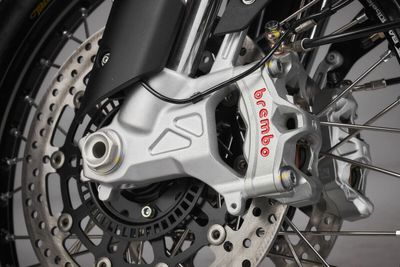
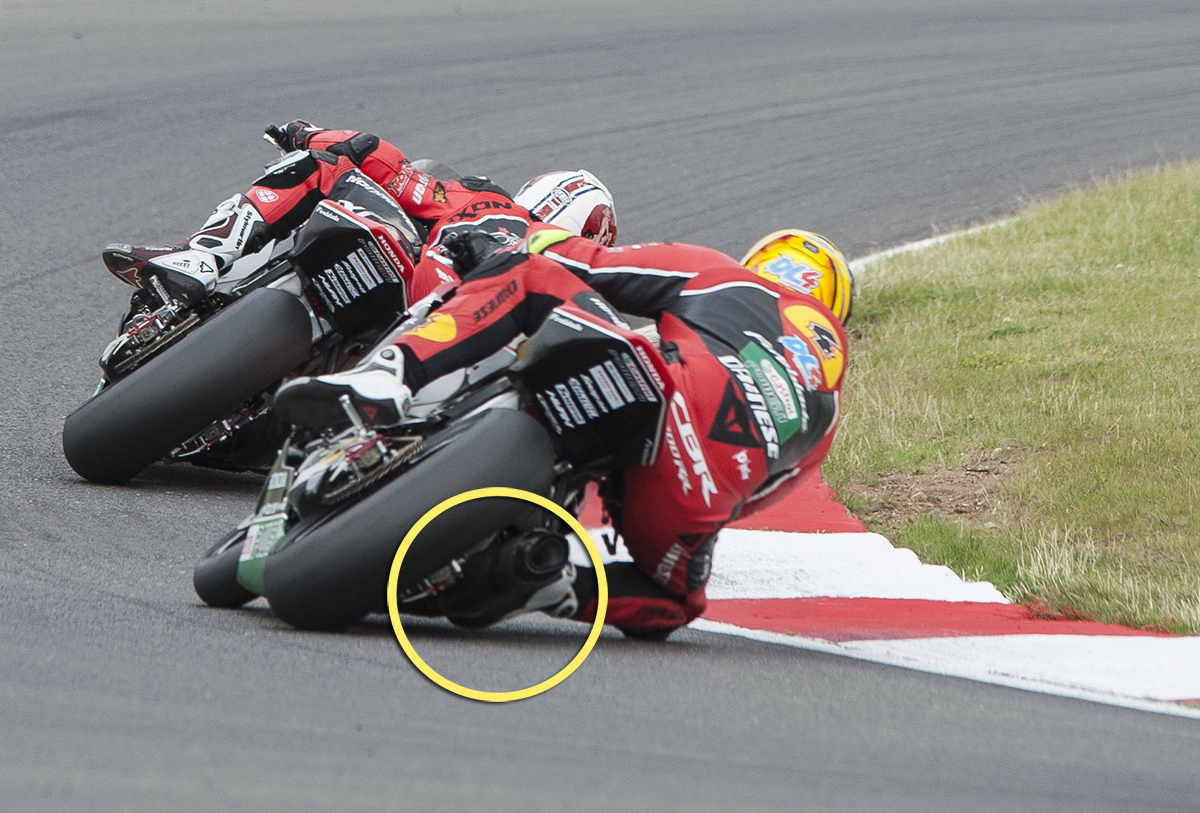
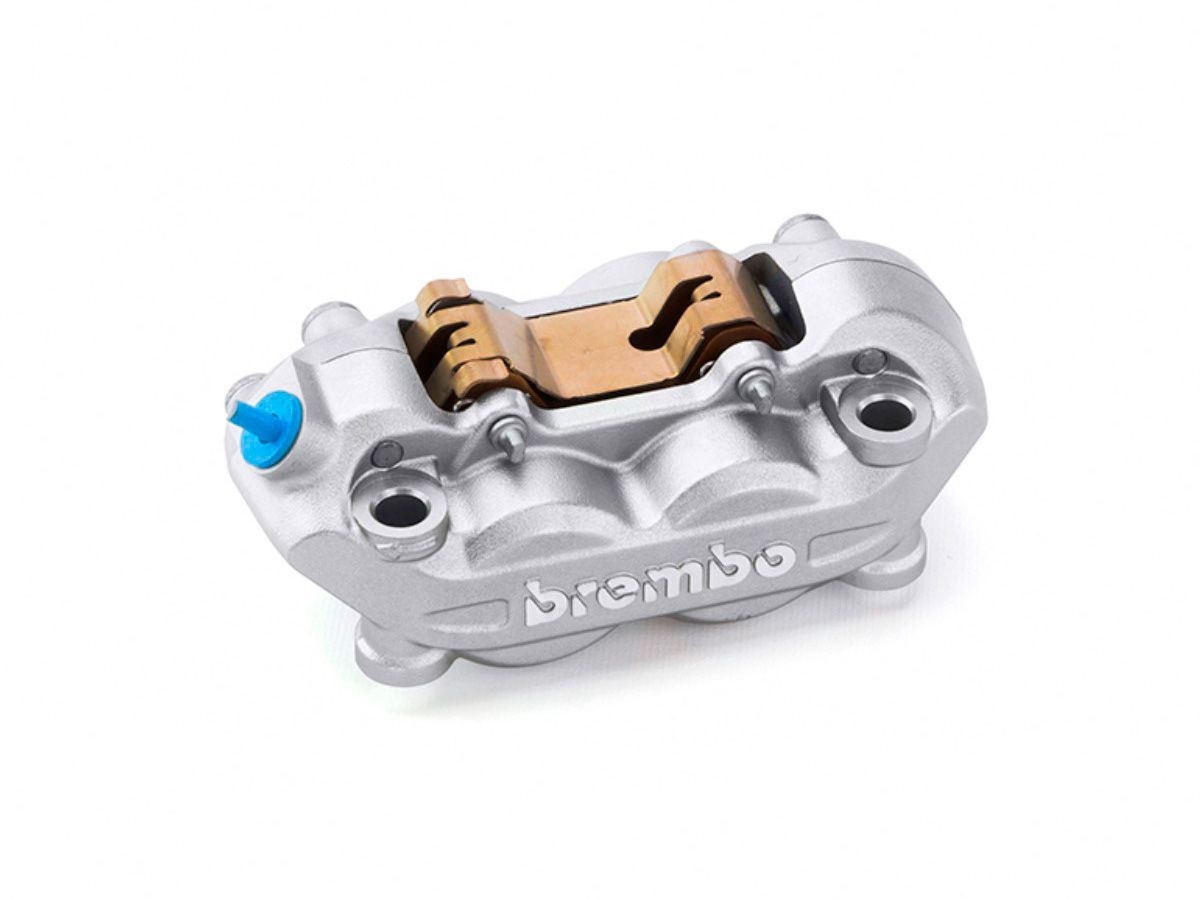
Two full track days gave us the chance to properly exploit what the CB1000 Hornet's chassis and engine are capable of. The verdict is straightforward: this is a naked bike that rewards commitment. The 41mm Showa front fork resists dive under hard braking better than we anticipated, and the radially mounted Brembo four-piston calipers offer outstanding feel with excellent power. Brake a little deeper than feels comfortable, and the cornering ABS intervenes with almost no drama — just a slight pulsing in the lever and the bike remains stable.
Mid-corner, the Hornet feels planted and adjustable. You can trail brake further than most street-oriented naked bikes allow, and the chassis responds predictably when you open the throttle early. The 17-inch wheels shod in Michelin Power 6 tyres (standard fit) provide excellent feedback, and the IMU-governed traction control steps in with a subtlety that modern systems have taken years to achieve. It never feels nannying; it feels like a safety net you occasionally brush.
The engine, however, is the headline story on track. Honda's engineers have worked hard on the midrange surge between 5,000 and 9,500 rpm, and the result is an inline-four with genuine character rather than the clinical linearity that sometimes makes the format feel antiseptic. There's a distinct step in power delivery around 7,200 rpm that urges you to hold gears longer and rev harder. Above 10,000 rpm the Hornet pulls fiercely toward its 12,000 rpm redline. By the end of our second track day, we were riding it like a proper sport bike — and the Hornet never felt out of its depth.
How It Compares to the Competition
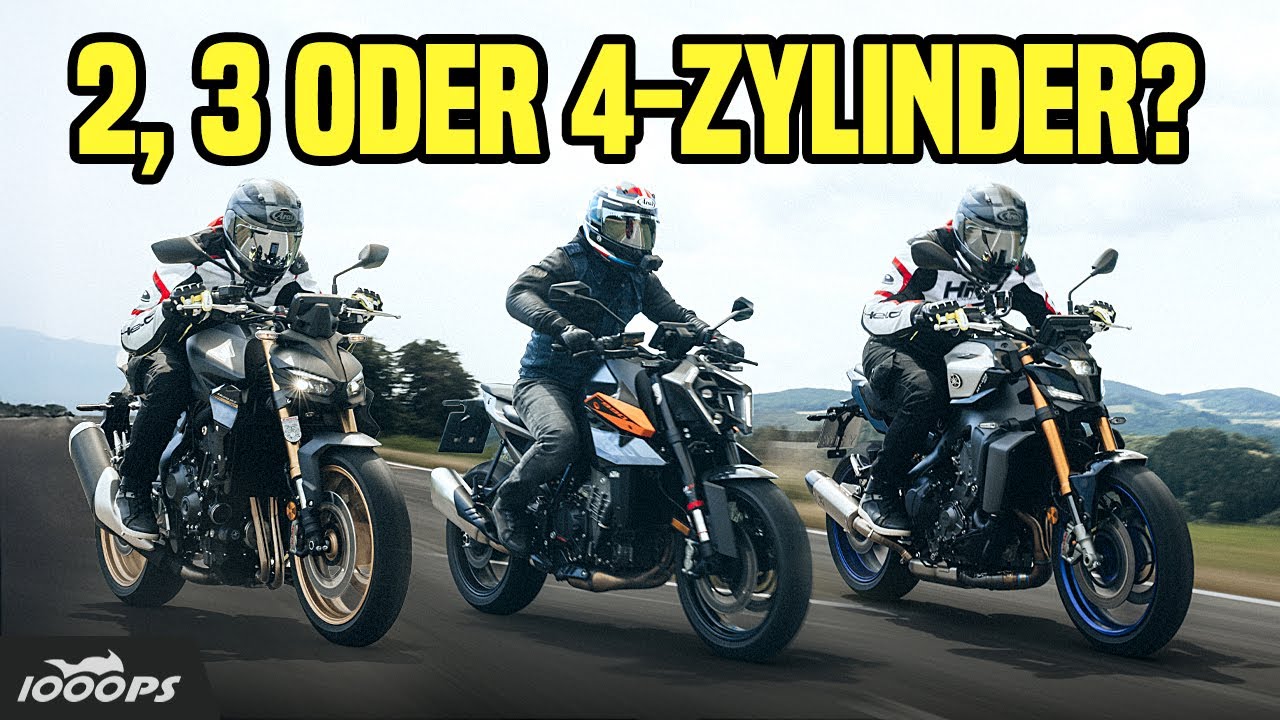
The 2027 CB1000 Hornet enters a fiercely contested segment. Here's how it stacks up against its key rivals:
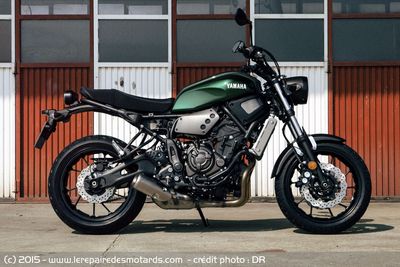
- Yamaha MT-10: Still the standard-setter for crossplane character and raw aggression, but the Hornet now matches it for outright power and surpasses it in rider-assistance sophistication.
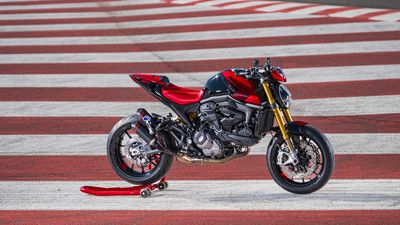
- Ducati Streetfighter V2: More exotic feel and V-twin soul, but at a notably higher price point and with greater ownership complexity.
- KTM 990 Duke: Lighter, more focused, and arguably more exciting in isolation — but the Honda offers broader everyday usability and Honda's unimpeachable reliability reputation.
- BMW S 1000 R: German precision and four-cylinder firepower, though the S1000R sits in a higher price bracket and prioritises track performance over street character.
Pricing and Variants
Honda is offering the CB1000 Hornet in two configurations for the 2027 model year. The standard variant arrives with the full electronics package, Brembo brakes, Showa fully adjustable suspension, and Michelin Power 6 tyres as standard. The SP variant adds Öhlins Smart EC semi-active suspension, a dedicated track data logging interface, and enhanced colour options at a premium over the base price. Both represent strong value for what's on offer, and Honda's dealer network and parts availability remain industry-leading advantages that shouldn't be overlooked.
Final Verdict
After a week that took us from gridlocked city streets to the pit lane exit of a proper circuit, the 2027 Honda CB1000 Hornet emerges as a genuinely rounded, genuinely thrilling package. It doesn't have the V-twin theatrics of a Ducati or the almost-too-intense edge of the KTM, but it has something arguably more valuable: an ability to be exactly as exciting as you want it to be, every single time you ride it. Honda has clearly listened to the criticism that its naked bikes could feel sterile and safe. The CB1000 Hornet is neither. It's fast, communicative, well-equipped, and — most importantly — deeply satisfying to ride. Yes, this is the most exciting naked bike Honda has built in a decade. We're already looking forward to getting back on it.