The Flat Tracker Fantasy Meets Real-World Riding
When Indian Motorcycle first dropped the FTR 1200 back in 2019, it sent a lightning bolt through the flat track-inspired segment. The bike looked like it rolled straight off a Wrecking Crew race trailer, and riders responded with enthusiasm. Fast forward to 2026, and the FTR Sport represents the most refined, most capable evolution of that original vision. But does it live up to the hype — or is it just another style-over-substance play dressed in flat track clothing? After 500 miles split between urban streets, twisty mountain roads, and two sessions on a genuine dirt track, we have a definitive answer.
What's New for 2026
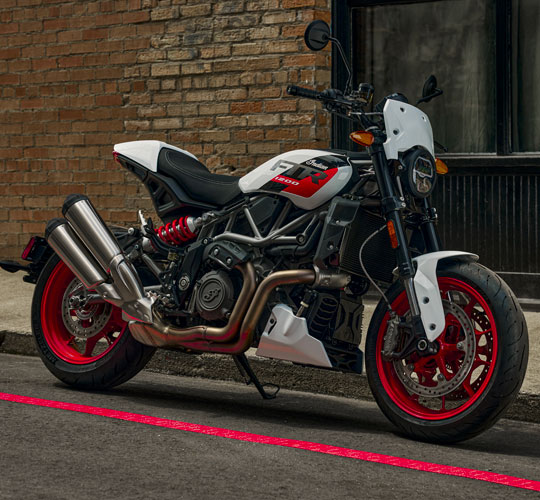
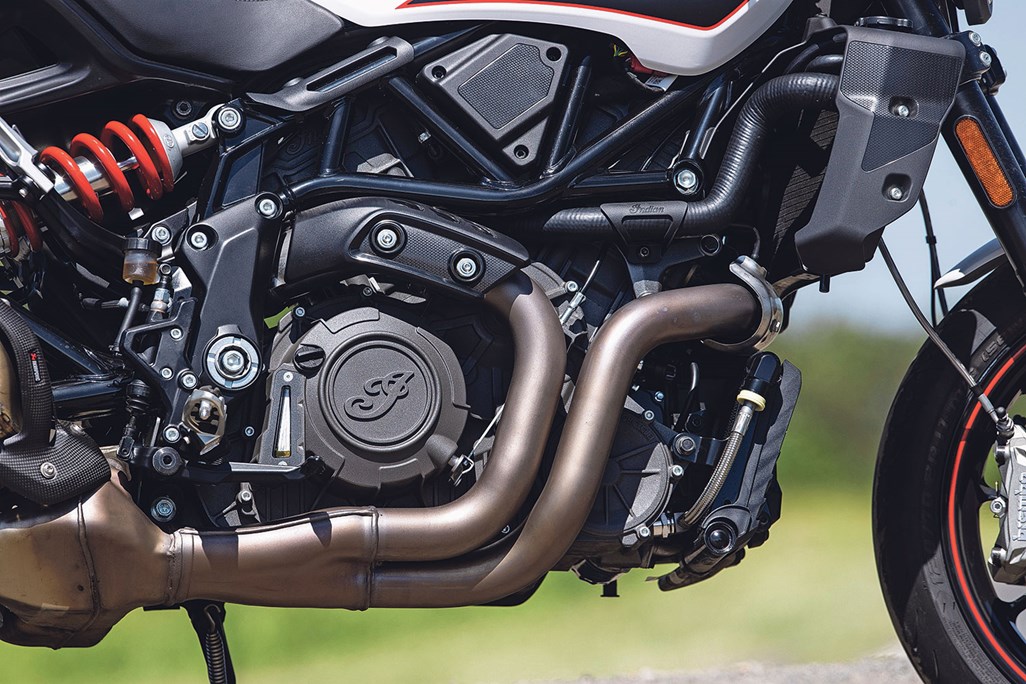
Indian hasn't merely slapped a new sticker kit on last year's model. The 2026 FTR Sport arrives with meaningful updates across several key areas. The 1203cc liquid-cooled V-twin — shared in lineage with the Scout platform — receives revised fueling maps optimized for both low-end punch and high-rpm pull, resulting in a claimed 123 horsepower and 87 lb-ft of torque. Riders who felt the previous generation was slightly soft in the midrange will notice an immediate difference when cracking the throttle out of corners.
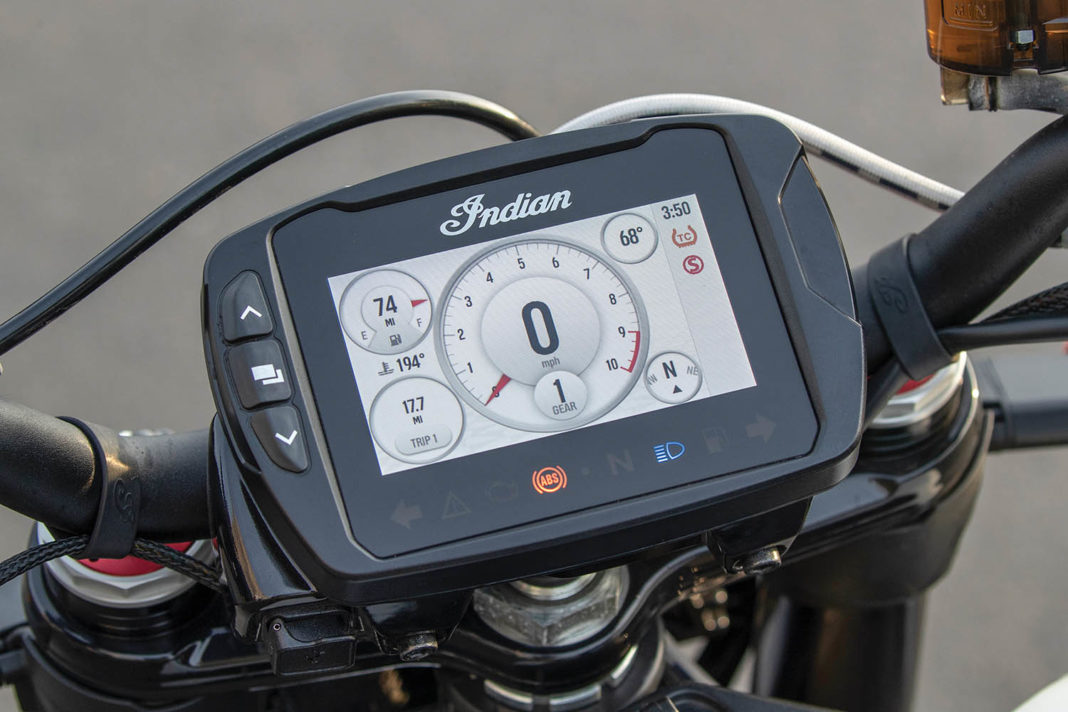
- Suspension Overhaul: Öhlins fully adjustable units front and rear replace the previous semi-active setup on the Sport trim, offering 5.5 inches of travel — enough to absorb hardpack ruts without wallowing on pavement.
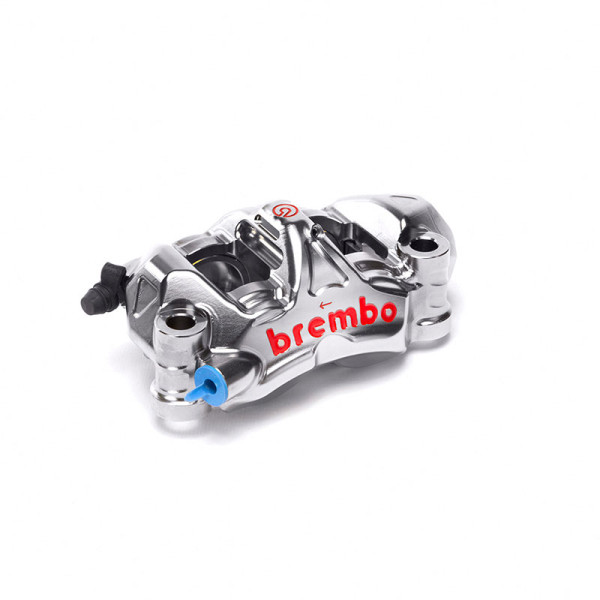
- Braking: Brembo M4.32 monobloc calipers grip 320mm rotors up front, with Cornering ABS and a new Dirt Track mode that deliberately allows rear wheel slip.
- Ergonomics: The handlebar sweep has been widened by 20mm and raised 15mm, dramatically improving leverage for standing and low-speed maneuvering on loose surfaces.
- Tires: Dunlop Sportmax GPR-300 rubber is standard for street duty, with an optional Dunlop D605 semi-knobby fitment available for riders planning regular dirt excursions.
- Electronics Suite: Five riding modes — Sport, Standard, Rain, Dirt, and an all-new Sand mode — plus launch control and a torque-vectoring rear wheel spin limiter.
First Impressions: Throwing a Leg Over
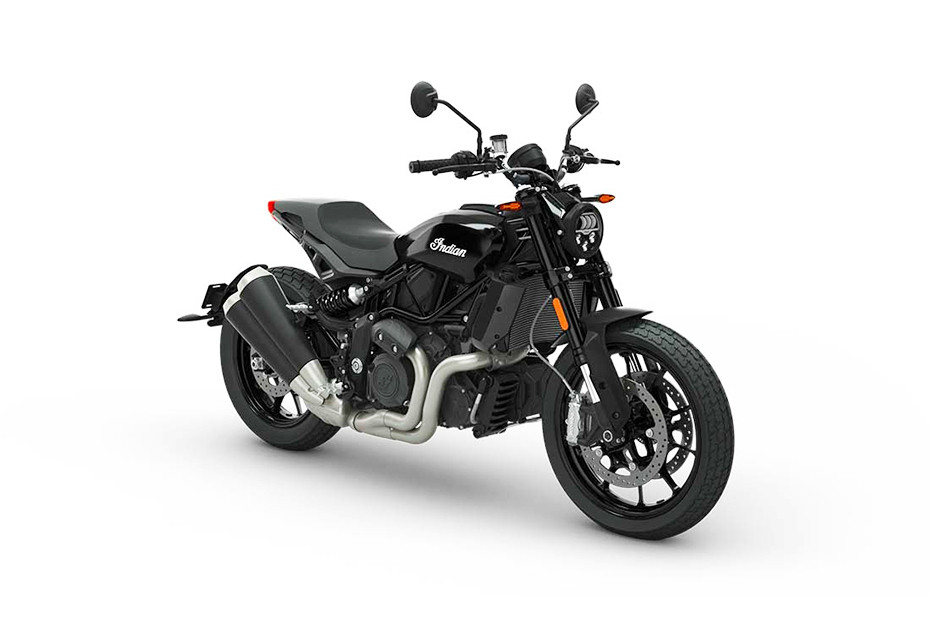
The FTR Sport wears its flat track DNA unapologetically. The upright riding position places you high and commanding, the tank is narrow between your knees, and the foot peg position is just slightly rearward of center — a deliberate nod to race geometry. At 489 pounds wet, it's not a featherweight, but the low center of gravity from that underslung exhaust system means the bike feels lighter than the spec sheet suggests once you're moving. Seat height sits at 31.7 inches, making it accessible to a wide range of rider heights.
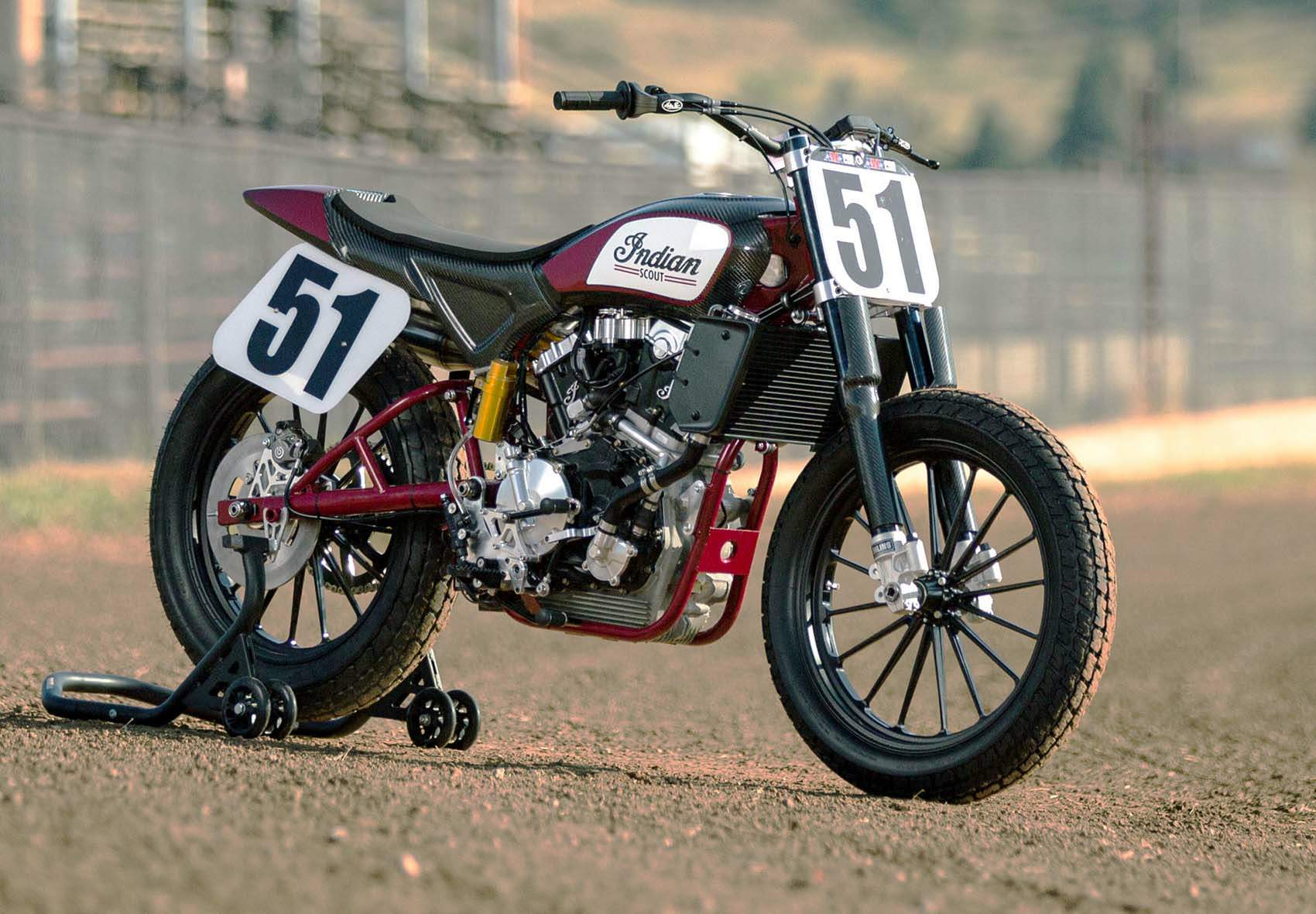
Visibility from the cockpit is excellent. The 4.3-inch TFT display is crisp even in direct sunlight, and navigation integration through the Ride Command app syncs seamlessly via Bluetooth. Fit and finish on our test unit — finished in a stunning two-tone Thunder Black Smoke over Sagebrush — was impeccable, with quality that rivals bikes at significantly higher price points.
Street Performance: Confident, Playful, Addictive
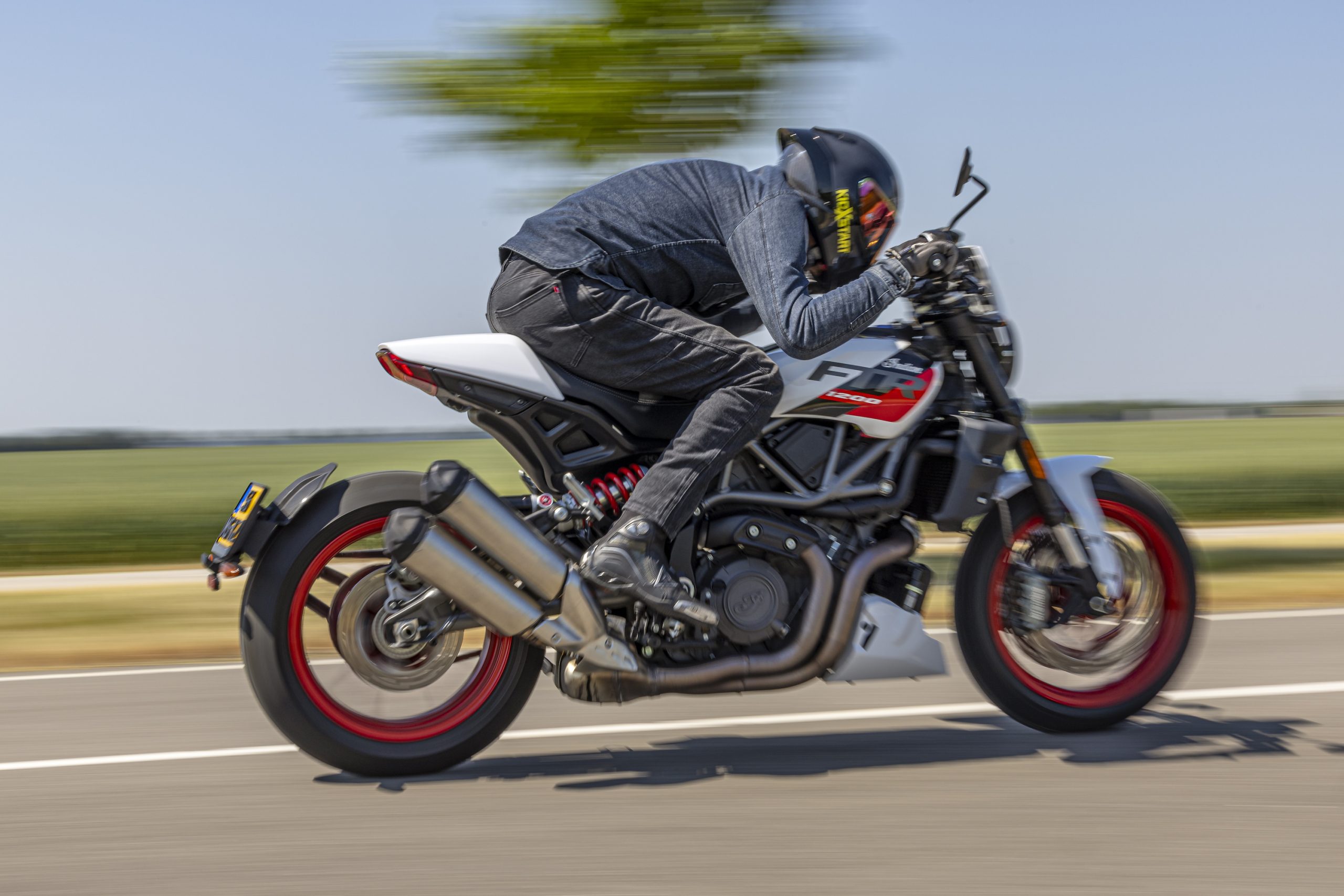
On the street, the 2026 FTR Sport is an absolute riot. The V-twin's character is distinctly different from inline-four competitors: there's a muscular, rhythmic pulse to the power delivery that rewards smooth throttle inputs and punishes ham-fisted riding in the best possible way. In Sport mode, the engine responds with urgency from 3,000 rpm onward, pulling cleanly to the 9,500 rpm redline with a soundtrack that turns heads at every stoplight.
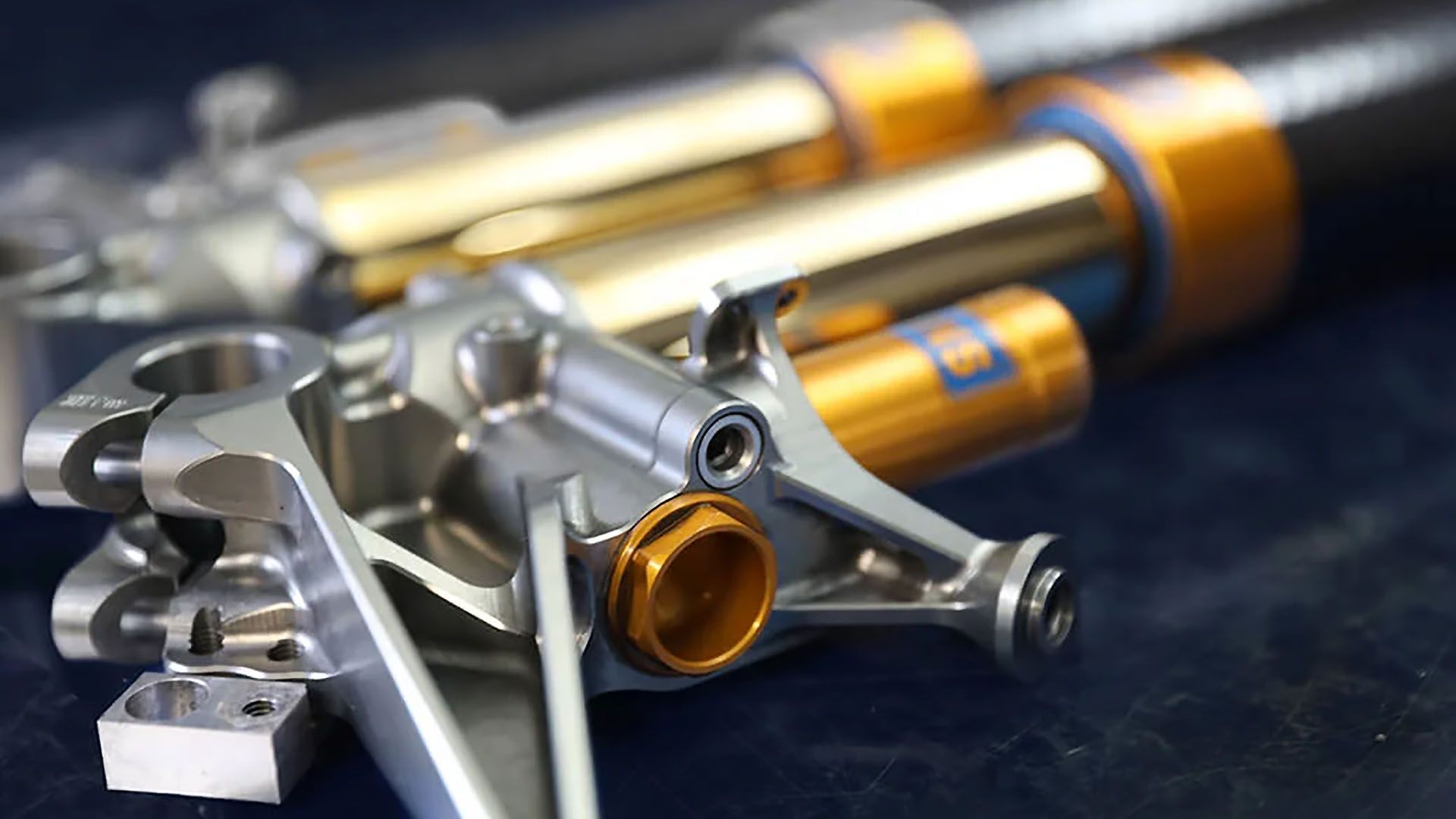
Through a 40-mile mountain canyon loop we ran three times over two days, the FTR Sport proved surprisingly capable as a canyon carver. The Öhlins suspension kept the chassis planted through mid-corner bumps that would have unsettled lesser bikes, and the Brembo stoppers inspired genuine confidence on late, hard braking. Ground clearance at 6.2 inches is adequate for spirited street riding, though the pegs will remind you of their limits if you push aggressively in tighter switchbacks. Fuel economy averaged a respectable 44 mpg over our street miles, giving a practical range of around 140 miles on the 3.4-gallon tank — the one genuine limitation for longer touring days.
Dirt Track: Where the Story Gets Interesting
This is the section most reviewers gloss over, because most reviewers test these bikes exclusively on pavement. We didn't. Two sessions at a local quarter-mile dirt oval revealed something genuinely surprising: the FTR Sport is not pretending to be a dirt bike. It actually is one — within limits.
Switching to Dirt Track mode loosens the rear wheel slip threshold dramatically. The Öhlins suspension absorbs the hardpack chatter and loose material without the harsh deflection you'd expect from street-biased components. The wider handlebar becomes essential here — you're standing and weighting the outside peg through sweeping turns, exactly as a proper flat tracker demands. With the optional semi-knobby Dunlops fitted, hook-up on the clay oval was impressive, and the bike's willingness to slide the rear predictably gave even intermediate dirt riders confidence to explore the throttle.
That said, this is not a substitute for a dedicated flat track race machine. Weight is the limiting factor off-pavement — 489 pounds demands respect when things go sideways unexpectedly. But for riders who want to experience the culture, the sensation, and the genuine skill-building that flat track offers without buying a second dedicated machine, the FTR Sport makes a genuinely compelling case.
Who Is This Bike For?
The 2026 Indian FTR Sport occupies a specific, valuable niche. It is the ideal choice for urban riders who want a machine with real visual presence and an exciting street personality, but who also crave occasional dirt excursions at flat track schools, beginner oval events, or gravel adventure routes. It is not a full dual-sport, not a supermoto, and not a dedicated race machine — but it draws from all three disciplines in a way that feels cohesive rather than compromised.
The Bottom Line
At a base MSRP of $14,999 for the Sport trim, the 2026 Indian FTR Sport asks a fair price for what it delivers. The Öhlins suspension, Brembo brakes, comprehensive electronics, and refined engine character represent genuine value in a segment that often trades on aesthetics alone. After 500 miles across asphalt and dirt, we can confirm: the FTR Sport is not hype. It's one of the most characterful, entertaining motorcycles available in 2026, full stop. If you've been tempted by the flat track aesthetic but wondered whether the bike backs up the look — wonder no more.