The Wait Is Over: Royal Enfield Goes Big With the Himalayan 650
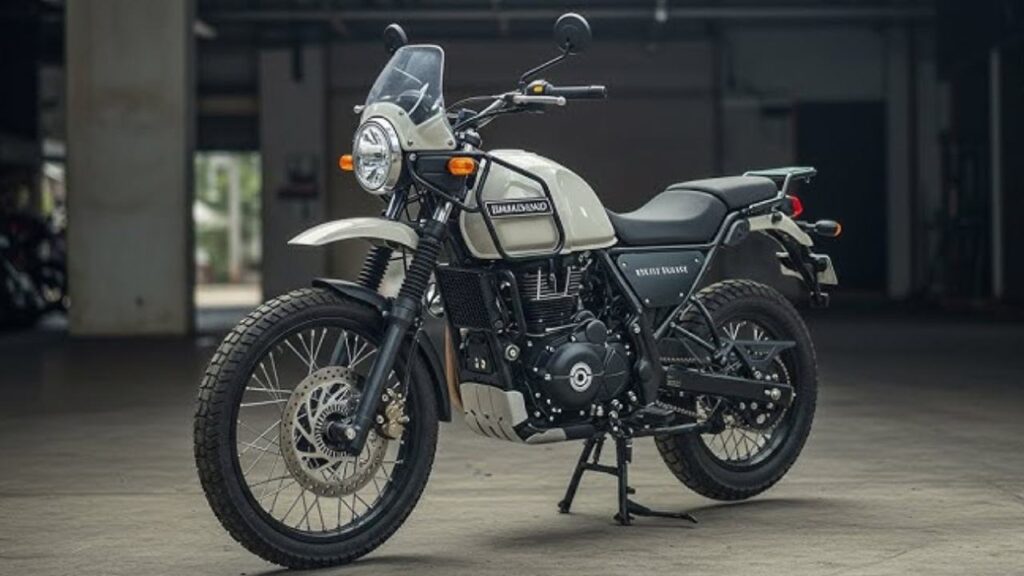
When Royal Enfield unveiled the Himalayan 450 in 2023, the riding world sat up and took notice. It was a genuinely capable machine that punched well above its price point. But there was always a question hovering in the air: what if they built one with more displacement, more power, and more touring chops? That question now has an answer, and after spending 800 miles across two weekends of mixed terrain riding — canyon roads, fire trails, interstate stretches, and everything in between — we're ready to give you our honest, first-ride assessment of the 2026 Royal Enfield Himalayan 650.
Engine and Performance: The Heart of the Matter
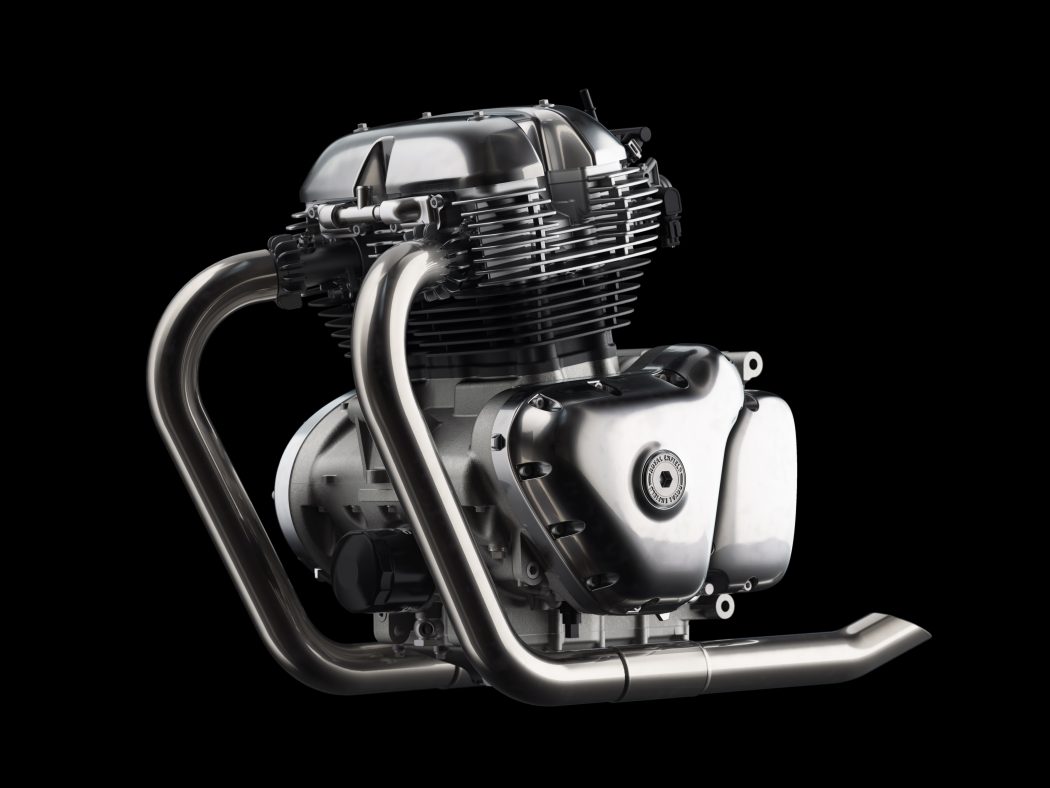
The Himalayan 650 borrows its parallel-twin engine architecture from the Interceptor 650 and Continental GT 650, but this is a thoroughly re-tuned unit. Royal Enfield engineers have optimized the 648cc air-cooled parallel twin for low-to-mid range torque delivery — exactly what adventure riders want when picking through technical terrain or passing confidently on the highway. Peak output sits at approximately 47 horsepower and 52 Nm of torque, with the torque curve deliberately broad and accessible from as low as 3,500 rpm.
On the road, this translates into a bike that feels effortlessly muscular without being intimidating. Overtaking maneuvers on two-lane roads require minimal downshifting. Throttle response is smooth and predictable — a critical trait on loose gravel where abrupt power delivery can catch you out. The gearbox is slick, with well-defined gates and a light clutch pull that makes urban filtering or technical slow-speed work genuinely pleasant. We did notice a slight hesitation during cold starts that Royal Enfield says will be addressed before production finalization, so take that minor gripe with appropriate context.
Chassis, Suspension, and Ride Quality
Royal Enfield has built the Himalayan 650 around a new tubular steel frame with a longer wheelbase than the 450 variant, giving the bike a planted, confidence-inspiring feel at highway speeds without sacrificing low-speed maneuverability. Suspension is handled by 43mm upside-down forks at the front — a significant upgrade over the smaller sibling — and a preload and rebound-adjustable monoshock at the rear. Travel is generous at 200mm front and 180mm rear, putting this bike in genuine competition with the midsize adventure segment leaders.
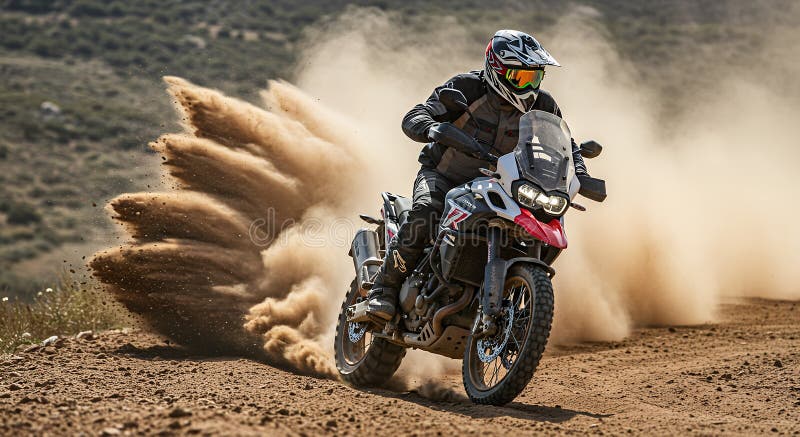
Over a mix of broken tarmac, packed dirt, and some genuinely rough forest roads, the suspension absorbed imperfections willingly. Heavier riders or those planning to carry panniers may want to dial in some extra preload on the rear shock, but out of the box the setup feels well-balanced for a rider in the 150–180 pound range. Ground clearance checks in at 230mm, which is enough to clear most trail obstacles you'd realistically encounter on an adventure tour.
Wheels and Tires
The Himalayan 650 ships with 21-inch front and 17-inch rear spoked wheels, which is smart packaging — you retain the ability to run tubeless tires (the rims are tubeless-compatible) while having the spoke flex advantage on rough surfaces. Stock rubber is a Ceat dual-sport compound that performed admirably on hardpack and gave adequate feedback on wet tarmac. Serious off-road riders will likely swap to a more aggressive knobbly, but for adventure touring with occasional dirt, the stock tires are genuinely competent.
Technology and Rider Aids
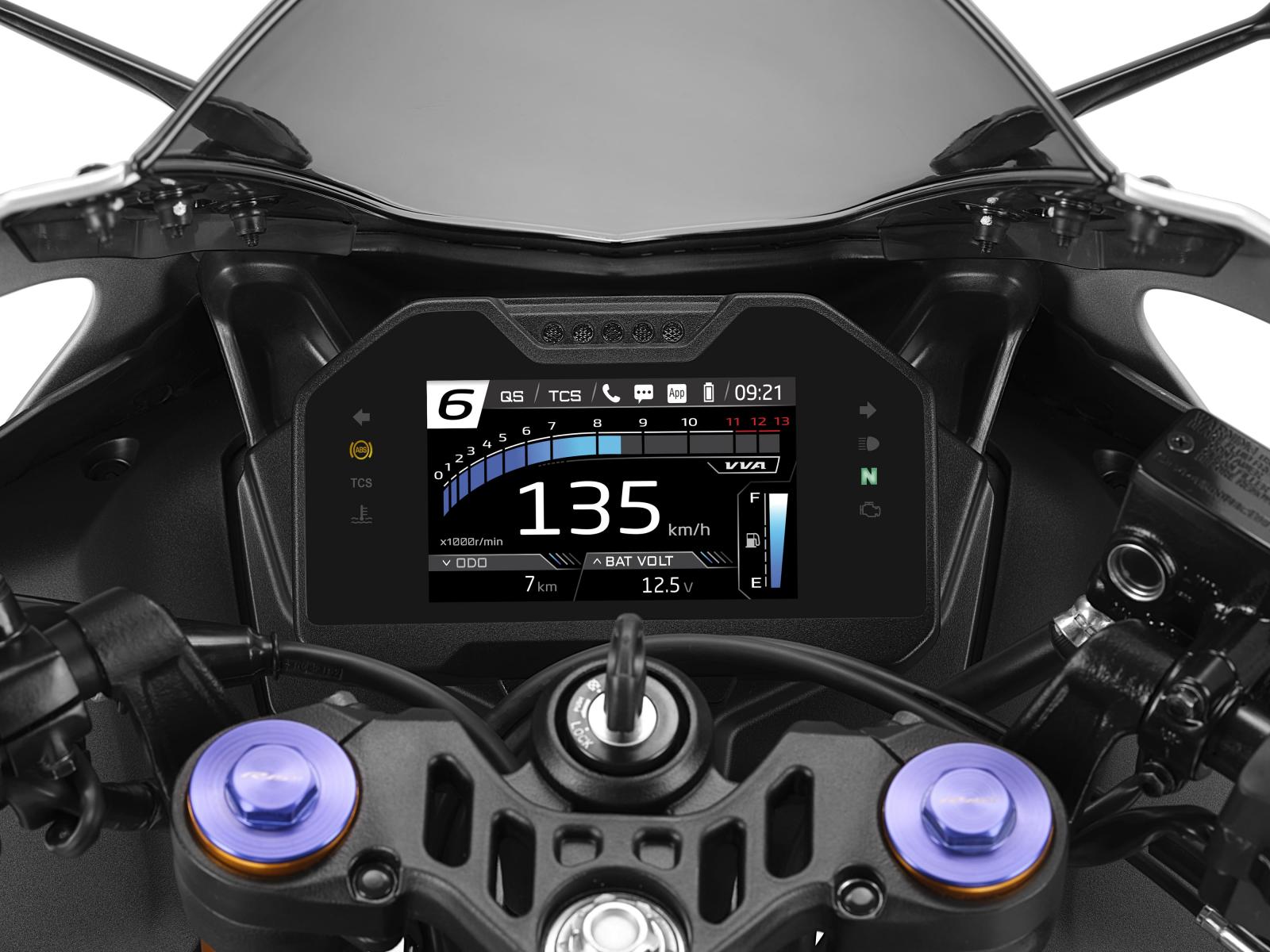
This is where the Himalayan 650 makes a real statement. Royal Enfield has equipped the bike with a 4-inch TFT color display that pairs with their RE app via Bluetooth, offering turn-by-turn navigation, call and music controls, and ride data logging. The interface is clean and legible in direct sunlight — something that cannot be said for every competitor in this space.
- Dual-channel ABS: Standard, with an off-road mode that allows rear wheel slip for controlled braking on loose surfaces
- Traction control: Two-stage system with a switchable off mode for dirt riding
- Ride modes: Road, Off-Road, and Rain — each altering throttle mapping and TC sensitivity
- USB-C charging port: Integrated into the instrument cluster housing
- Tripper navigation pod: Standard fitment, not an accessory add-on
The absence of cornering ABS is the one notable omission at this price point, and it's worth flagging for riders who do a lot of twisty mountain riding. That said, the standard dual-channel ABS is well-calibrated and intervenes smoothly rather than abruptly.
Ergonomics and Comfort
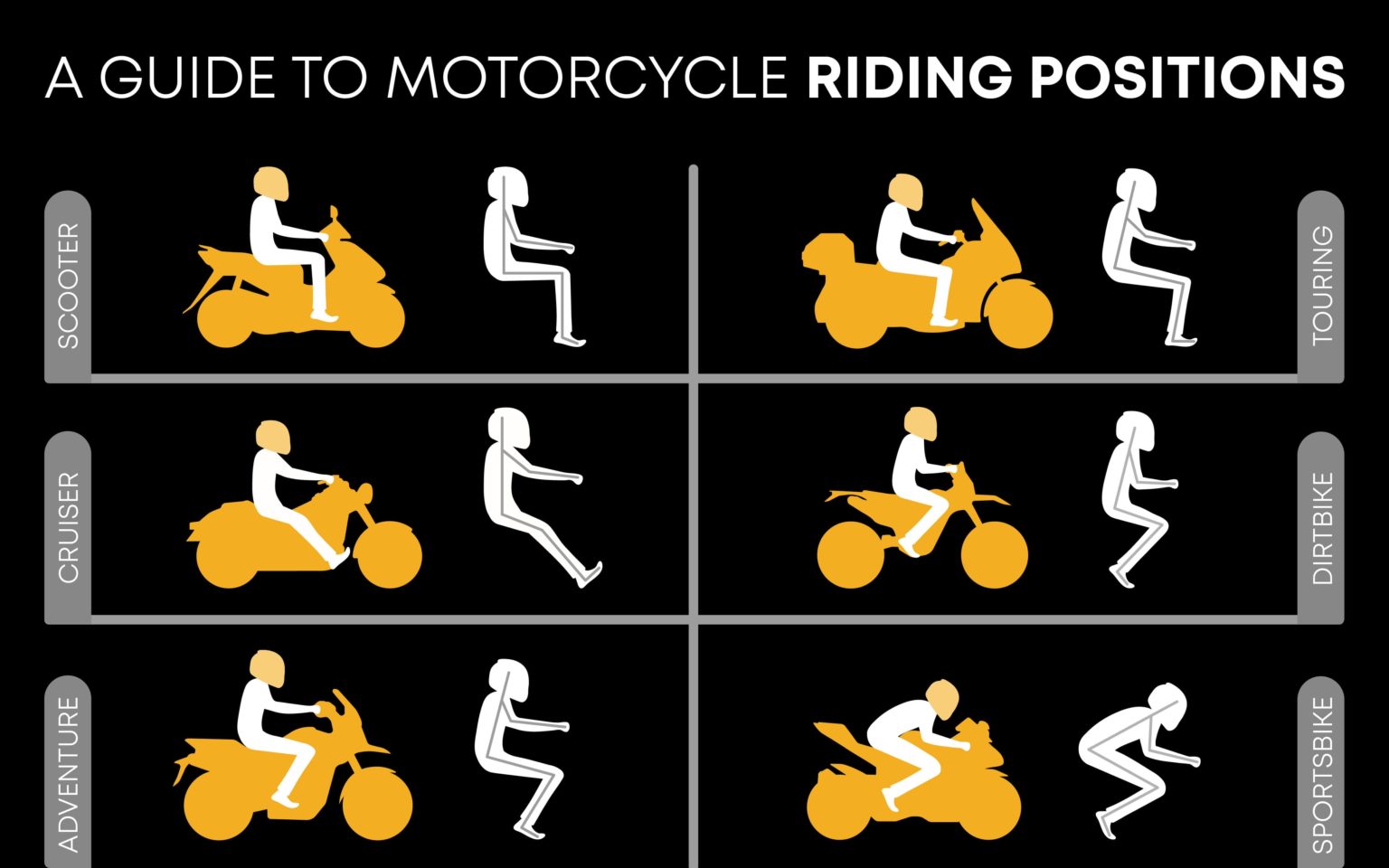
The Himalayan 650 sits taller than its 450 sibling, with a seat height of 825mm that should work well for average to tall riders. A lower seat option (800mm) will be available as a dealer-fit accessory at launch. The handlebar sweep is wide and high, giving a commanding view of the road ahead and reducing wrist fatigue on long days. The seat itself is genuinely comfortable — a firm yet supportive foam that held up well over a four-hour riding session without the dreaded numbness that plagues so many adventure bike saddles.
Wind protection from the stock flyscreen is adequate for speeds up to around 70 mph, beyond which buffeting becomes noticeable. A taller touring screen will be offered through Royal Enfield's accessory catalog, and we'd recommend it for regular highway riders. Passenger accommodation is better than average for the segment, with solid grab handles and a reasonably padded pillion seat.
How Does It Stack Up Against the Competition?
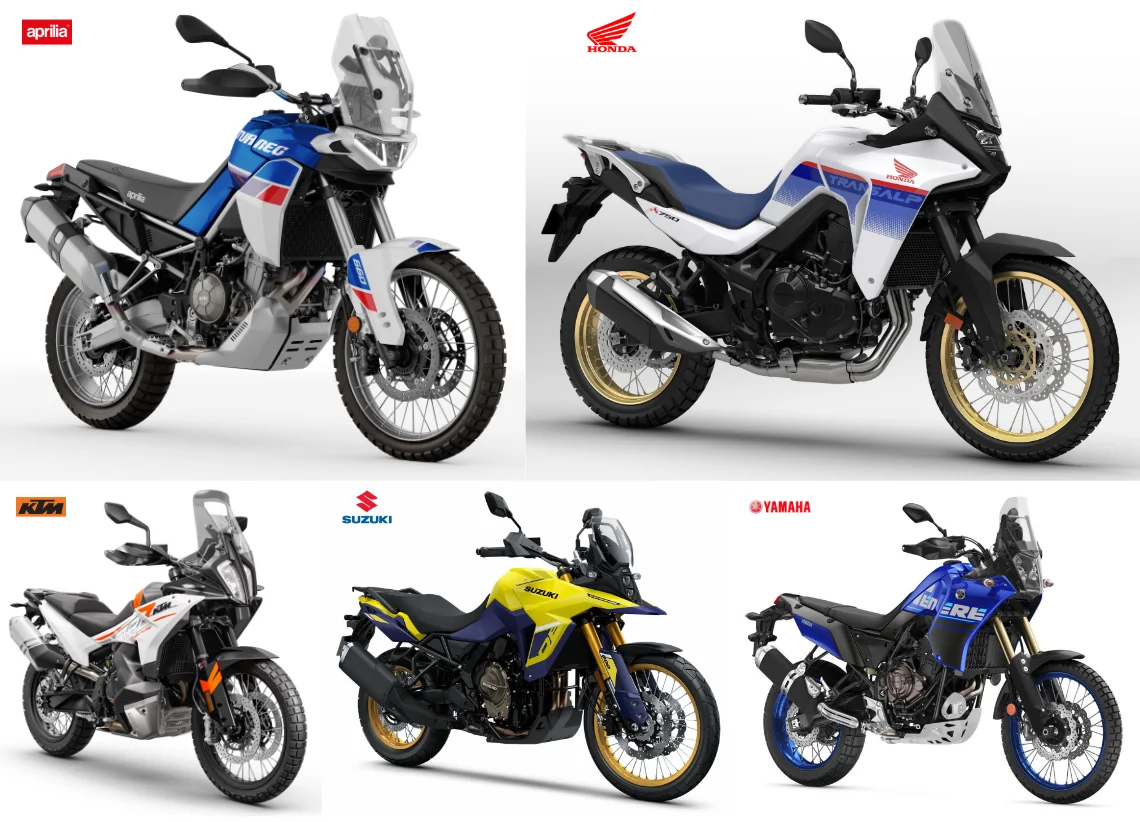
The Himalayan 650 enters a fiercely contested segment. Riders will rightly compare it against the Royal Enfield Himalayan 450, the Triumph Tiger Sport 660, the Honda CB500X, and the Kawasaki Versys 650. Against these alternatives, the RE Himalayan 650 competes on price, character, and off-road capability in a way that few of its rivals can match simultaneously. The Triumph Tiger Sport 660 has the edge on outright road performance, but the Himalayan 650 undercuts it meaningfully on price and beats it comprehensively in off-road ability.
Final Verdict
After 800 miles across varied conditions, the 2026 Royal Enfield Himalayan 650 emerges as a remarkably well-rounded machine that delivers on the promise of the Himalayan nameplate at a larger scale. It's not perfect — the windscreen could be taller, cornering ABS would be welcome, and we'd love to see heated grips as standard — but at its anticipated price point in the $6,500–$7,500 range, it offers a level of capability, technology, and character that is genuinely difficult to match. If you've been waiting for a do-it-all adventure bike that won't break the bank and carries some real soul with it, your wait may finally be over.