Setting the Stage: Suzuki Goes All-In on Sport Touring
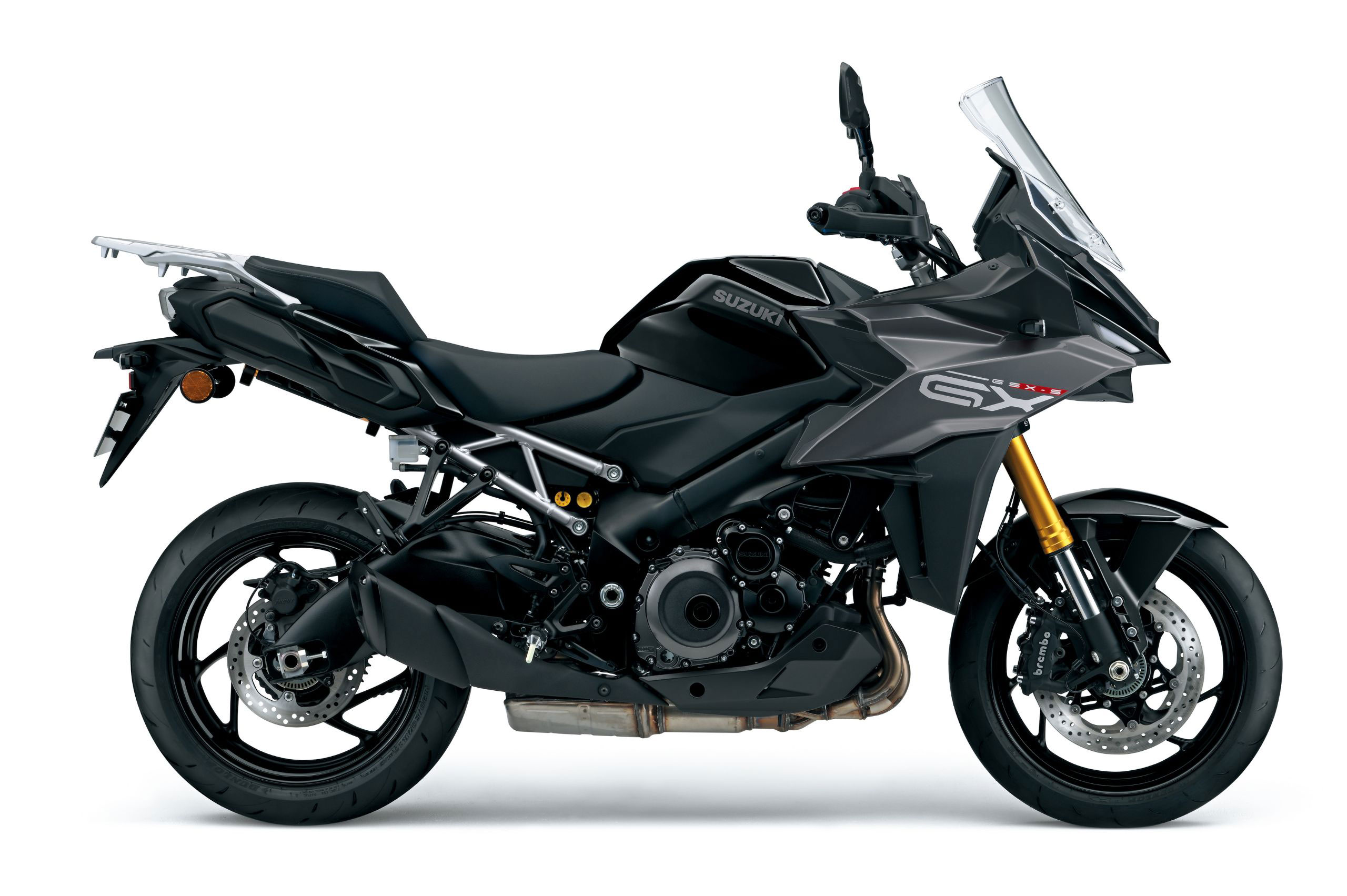
Suzuki has been playing it safe for years. While rivals like Yamaha and Kawasaki refined and re-refined their sport touring lineups into genuinely compelling all-rounders, Suzuki focused on keeping the GSX-S1000 naked sharp and the V-Strom adventure segment well-fed. The GSX-S1000GX, introduced for 2024 and substantially updated for 2026, is the brand's clearest statement yet that it wants a real seat at the sport touring table. We spent six days riding from Denver, Colorado to the Oregon Coast and back — through canyon roads, interstate slabs, mountain passes, and everything in between — to find out if that statement has any teeth.
What's New for 2026
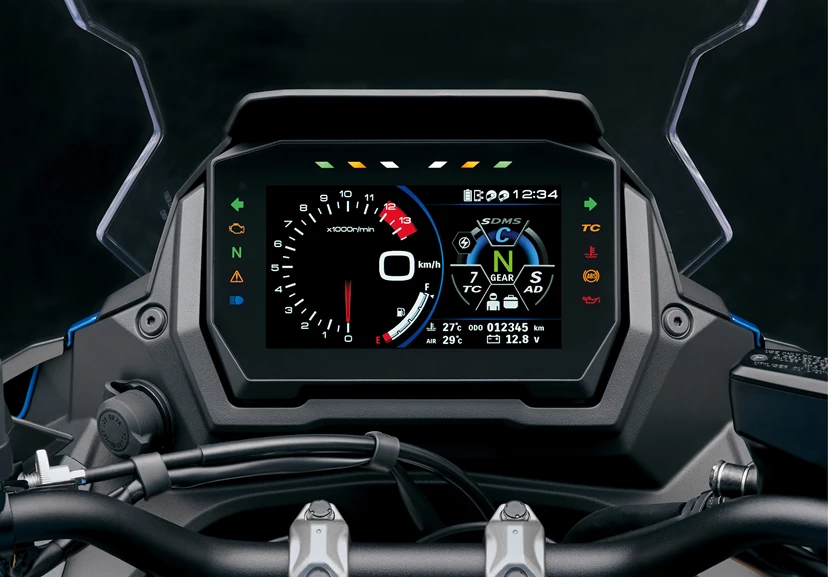
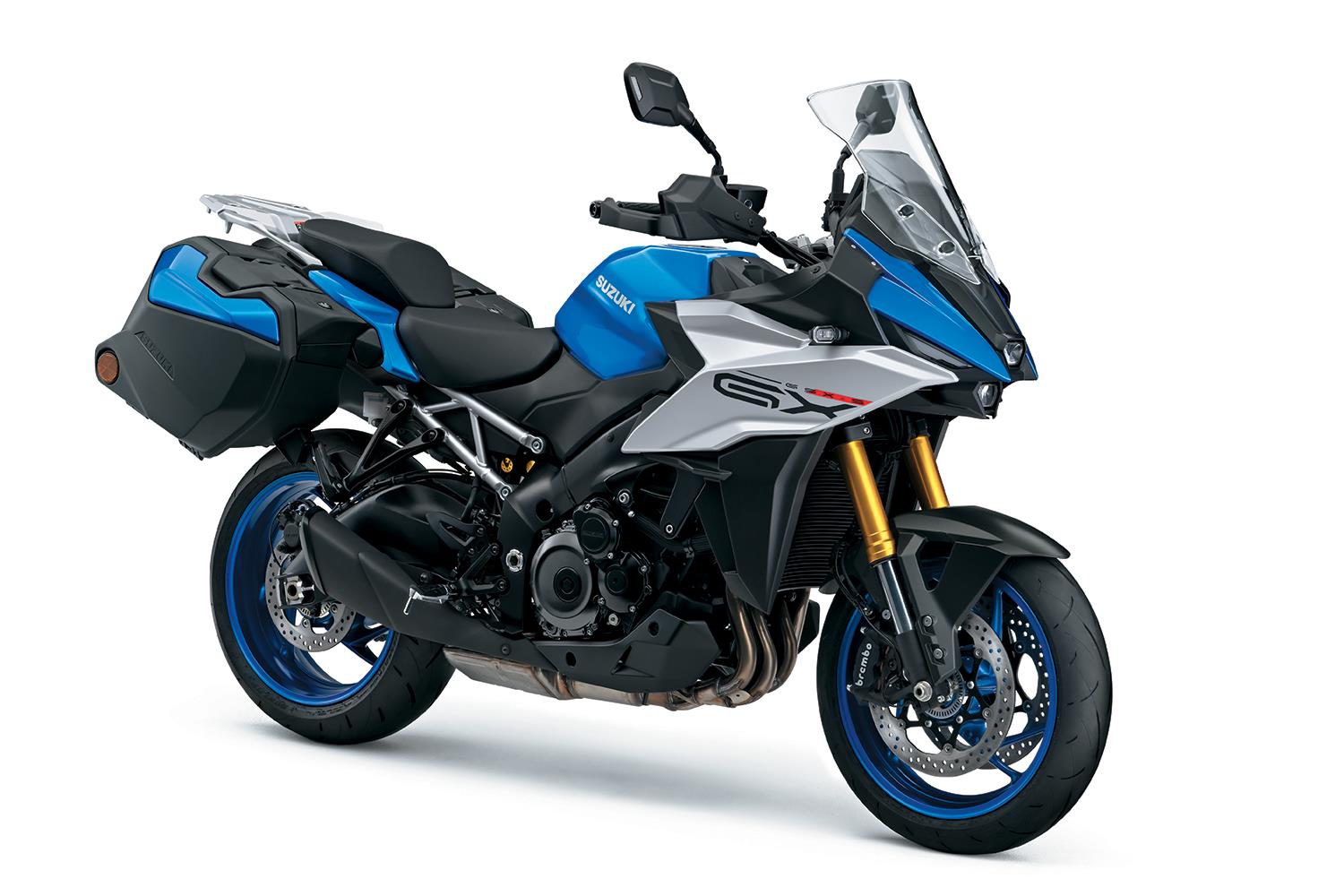
The 2026 GSX-S1000GX isn't a ground-up reinvention, but Suzuki hasn't been idle. The most meaningful update is a revised IMU that now feeds a more sophisticated cornering ABS and traction control suite — bringing it meaningfully closer to what the Tracer 9 GT has offered for a couple of years. Riders also get a new six-axis inertial measurement unit enabling lean-sensitive interventions that feel genuinely transparent rather than intrusive. Suzuki has also updated the TFT display interface, which is now larger at 7 inches and integrates Apple CarPlay and Android Auto for the first time on any GSX-S model. Wind protection has been improved via a taller, electrically adjustable windscreen with a wider range of travel, and the seat has been redesigned with firmer high-density foam that, based on our six-day test, is noticeably more comfortable on long days.
Engine: The 999cc Inline-Four That Keeps Giving
If you've ridden any recent GSX-S1000, you already know the heart of this machine. The 999cc DOHC inline-four produces a claimed 150 horsepower and 106 Nm of torque, with a broad, usable spread that rewards both lazy highway cruising and aggressive canyon carving. For 2026, Suzuki has tweaked the fueling maps in the A and B riding modes to reduce the low-speed snatchiness that occasionally annoyed riders in the original GX. The result is a motor that pulls cleanly from idle and builds to a genuinely exciting top-end rush without ever feeling like it's trying to kill you. On a long interstate stretch through Nevada, sixth gear at 75 mph felt relaxed and refined. Flip it into Sport mode on a canyon road and the same motor transforms into something with real urgency. The quickshifter, standard on the GX, works consistently in both directions and is one of the better units in this class.

Chassis and Handling: Confidence With Purpose
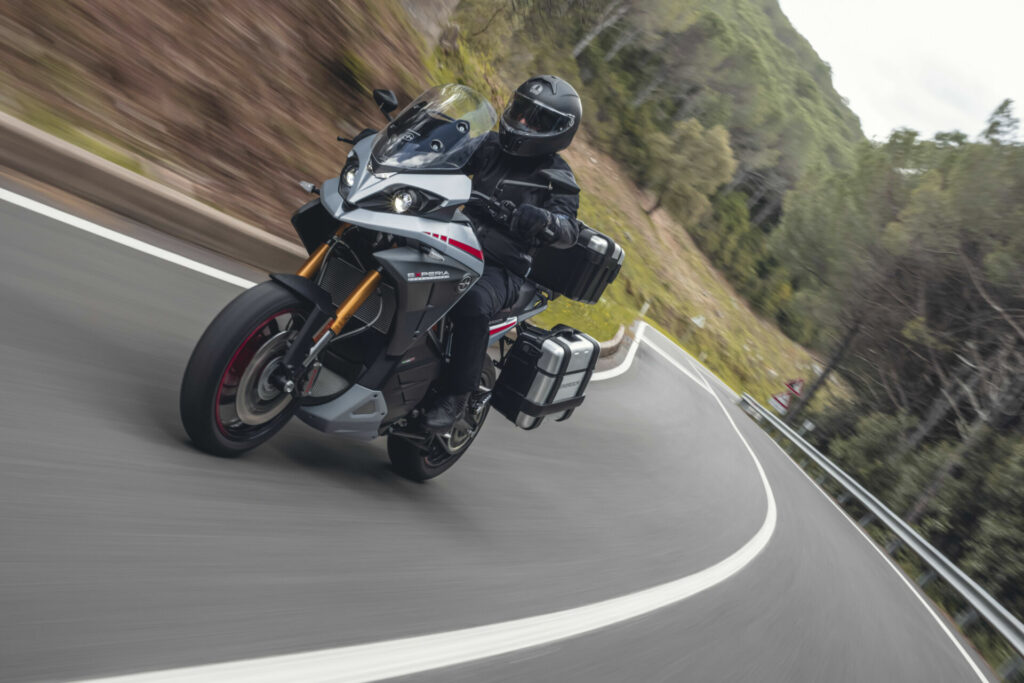
The GX rides on fully adjustable KYB suspension front and rear — a spec that undercuts competitors like the Ninja 1000SX, which uses less sophisticated dampers at this price point. The setup is well-balanced from the factory, though sport touring riders who run two-up or carry luggage will want to firm up the rear preload. Steering is precise without being nervous, and the 17-inch wheels wrapped in Bridgestone Battlax Sport Touring T32 tires deliver grip and feedback that inspire confidence well before you approach their limits. Through the tight switchbacks of the Oregon Cascades, the GX felt planted and predictable — not quite as flickable as a pure sport bike, but more eager than you might expect from a loaded tourer. Ground clearance is adequate for sport riding, though hard charging riders may find the pegs touching down before the tires run out of grip.
Comfort and Ergonomics: Six Days in the Saddle
This is where the 2026 GX makes its strongest case. The revised seat is genuinely excellent — we completed a 280-mile day with only one fuel stop and arrived without the numbness that plagues so many sport tourers in this class. The riding position is upright enough to eliminate wrist strain on long days but aggressive enough that you never feel disconnected from the machine on twisty roads. Wind protection from the adjustable screen is good for riders up to about six feet tall; taller riders may still find some turbulence at highway speeds. Heated grips are standard, and the heated seat option, now factory-fitted on the top trim, is a worthwhile addition for early morning mountain riding. Passenger accommodation is above average, with a well-padded pillion seat and usable grab handles.
Technology and Electronics
The 2026 GX is the most electronically sophisticated Suzuki street bike to date. Beyond the updated IMU and cornering ABS, riders get:
- Four riding modes (A, B, C, and a fully customizable mode)
- Suzuki Drive Mode Selector Plus with adjustable power, engine braking, and traction control levels
- Bidirectional quickshifter
- 7-inch TFT with Apple CarPlay and Android Auto
- Tire pressure monitoring
- Cruise control
- LED lighting throughout
The CarPlay integration is the headline addition, and it works well for navigation — though the touchscreen is not glove-friendly, making voice commands the smarter choice on the move. One genuine criticism: Suzuki still hasn't integrated blind-spot monitoring or adaptive cruise control, features that are beginning to appear on premium European tourers and that would strengthen the GX's case considerably.
Luggage and Practicality
The GX comes standard with 28-liter hard panniers that mount cleanly to the frame without the clunky afterthought feel of some bolt-on systems. They're not the largest in class — the Tracer 9 GT's optional panniers hold more — but they're well-sealed and open easily with one hand while wearing gloves. A top case is available as a dealer-fit accessory. For our cross-country run, the stock panniers held everything we needed for a week on the road with careful packing.
How It Stacks Up: Tracer 9 GT and Ninja 1000SX
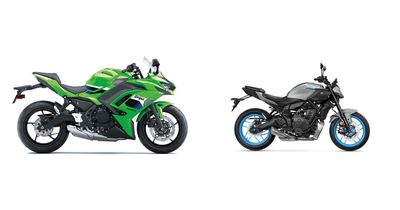
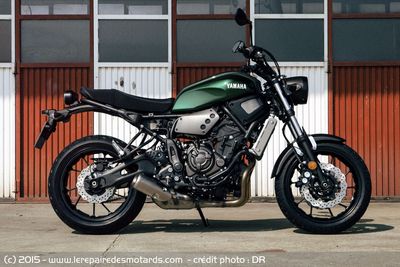
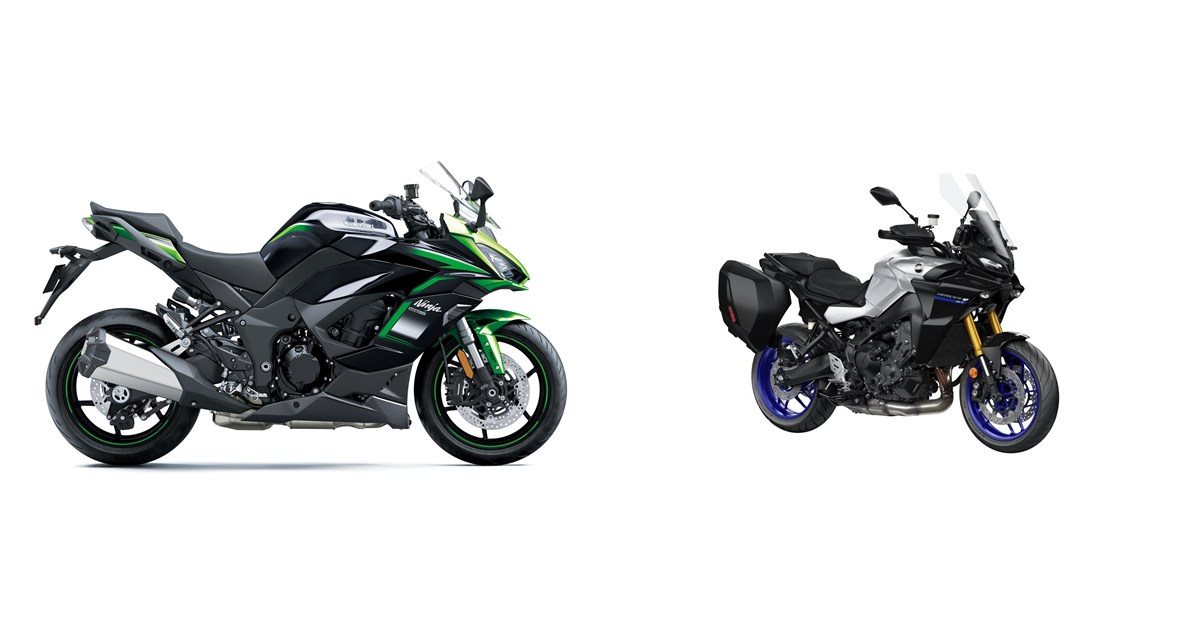
The Yamaha Tracer 9 GT remains the benchmark in this segment for good reason — its semi-active suspension system is class-leading, its ergonomics are superb, and its overall polish is hard to fault. The GX undercuts it slightly on price and matches it in most areas, though the Yamaha's suspension technology still has an edge in adaptability. Against the Kawasaki Ninja 1000SX, the Suzuki wins clearly on electronics sophistication and wind protection, though the Ninja's sharper styling and strong dealership network keep it competitive. The GX sits comfortably between these two rivals — not quite the best at any single thing, but arguably the most well-rounded package when you account for price, comfort, and technology together.
Verdict
After 1,800 miles and six days of hard use, the 2026 Suzuki GSX-S1000GX has earned genuine respect. It's more comfortable than we expected, more electronically sophisticated than any previous Suzuki, and genuinely rewarding to ride fast or slow. It doesn't dethrone the Tracer 9 GT outright — Yamaha's semi-active suspension and overall refinement still lead the class — but it's close enough to make the buying decision genuinely difficult. If you value the combination of sport performance, touring comfort, and cutting-edge connectivity, the GX deserves a serious look and a long test ride before you commit to anything else in this segment.