Still the One to Beat?
When Triumph launched the original Trident 660 back in 2021, it sent a clear message to the middleweight street segment: a well-sorted, fun, and accessible motorcycle doesn't have to cost a fortune or compromise on feel. Five years on, the 2026 Triumph Trident 660 SE arrives with a suite of refinements that Triumph describes as evolutionary rather than revolutionary — and after five days and nearly 800 miles split between urban commuting and open-road blasts, we're inclined to agree. But evolution, done right, is sometimes all you need.
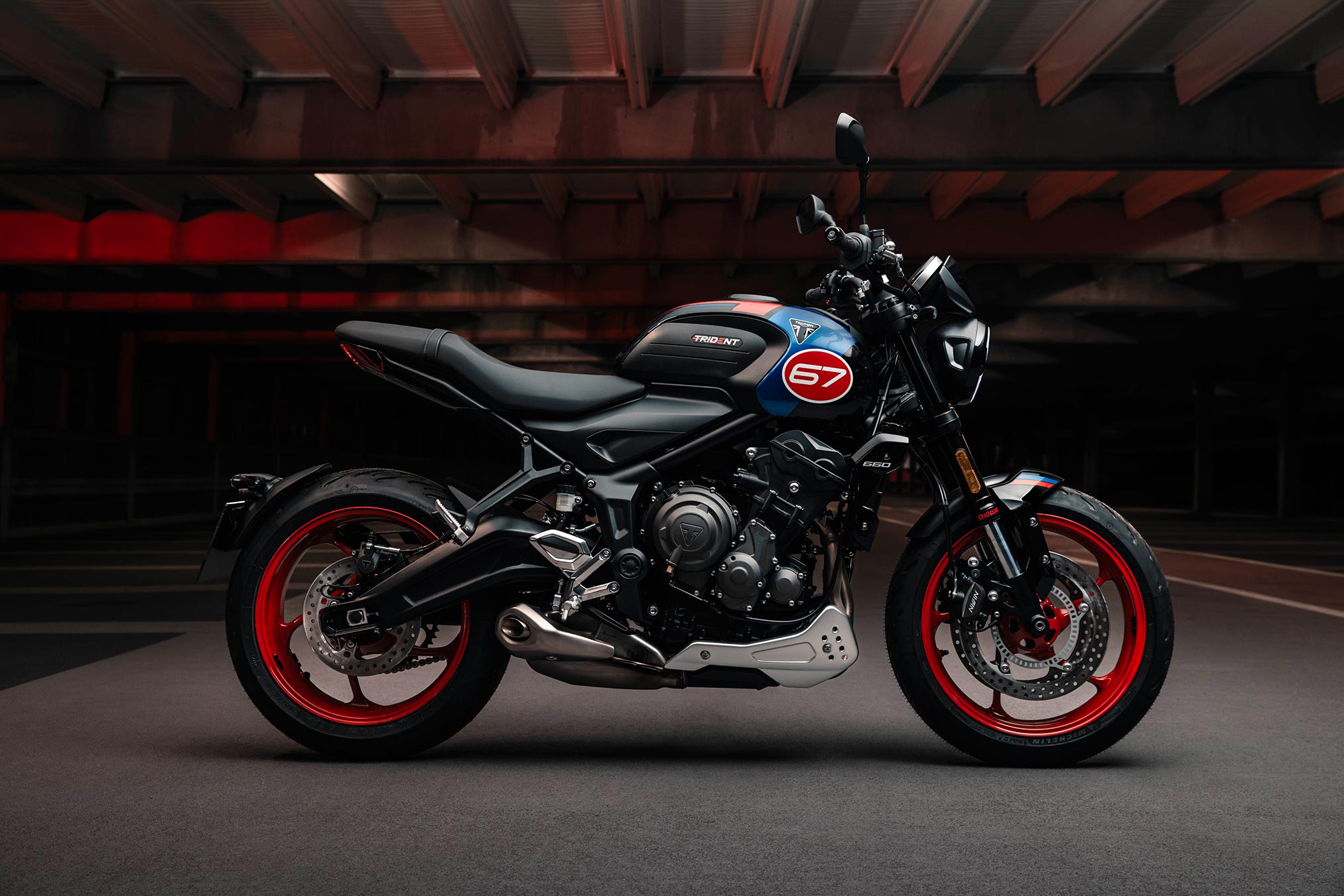
What's New for 2026
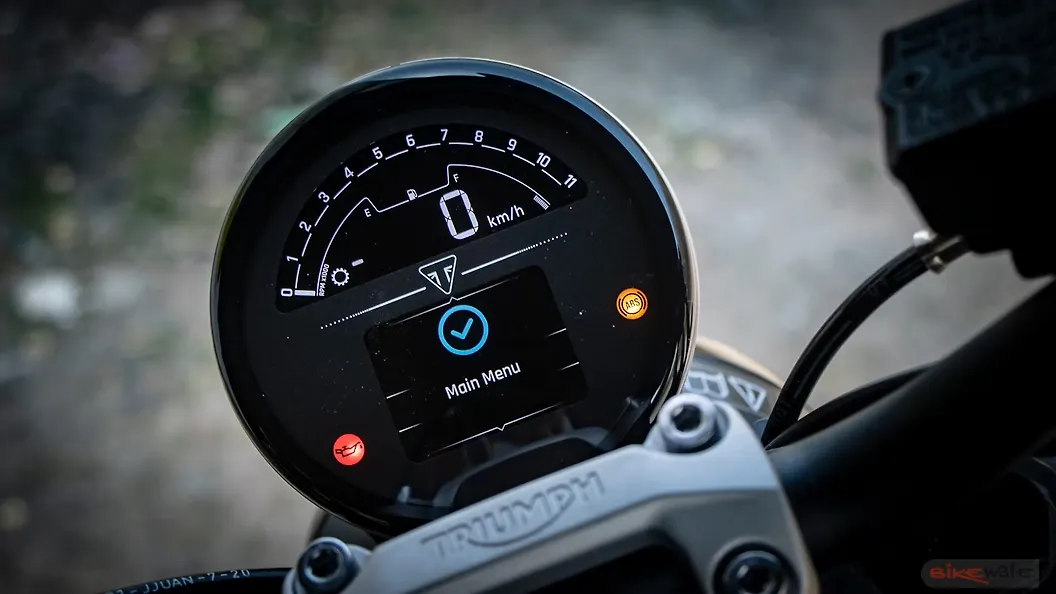
The SE trim level is the headline addition for 2026, slotting above the standard Trident 660 and offering riders a more premium package without jumping to full-fat supersport money. The updates include a revised quickshifter unit that now operates both up and down (a genuine quality-of-life upgrade), a new five-inch TFT color display with improved glare resistance and turn-by-turn navigation integration, revised suspension settings front and rear, and a wider choice of SE-exclusive colorways including the striking Sapphire Black and Carnival Red two-tone we had on our test bike.
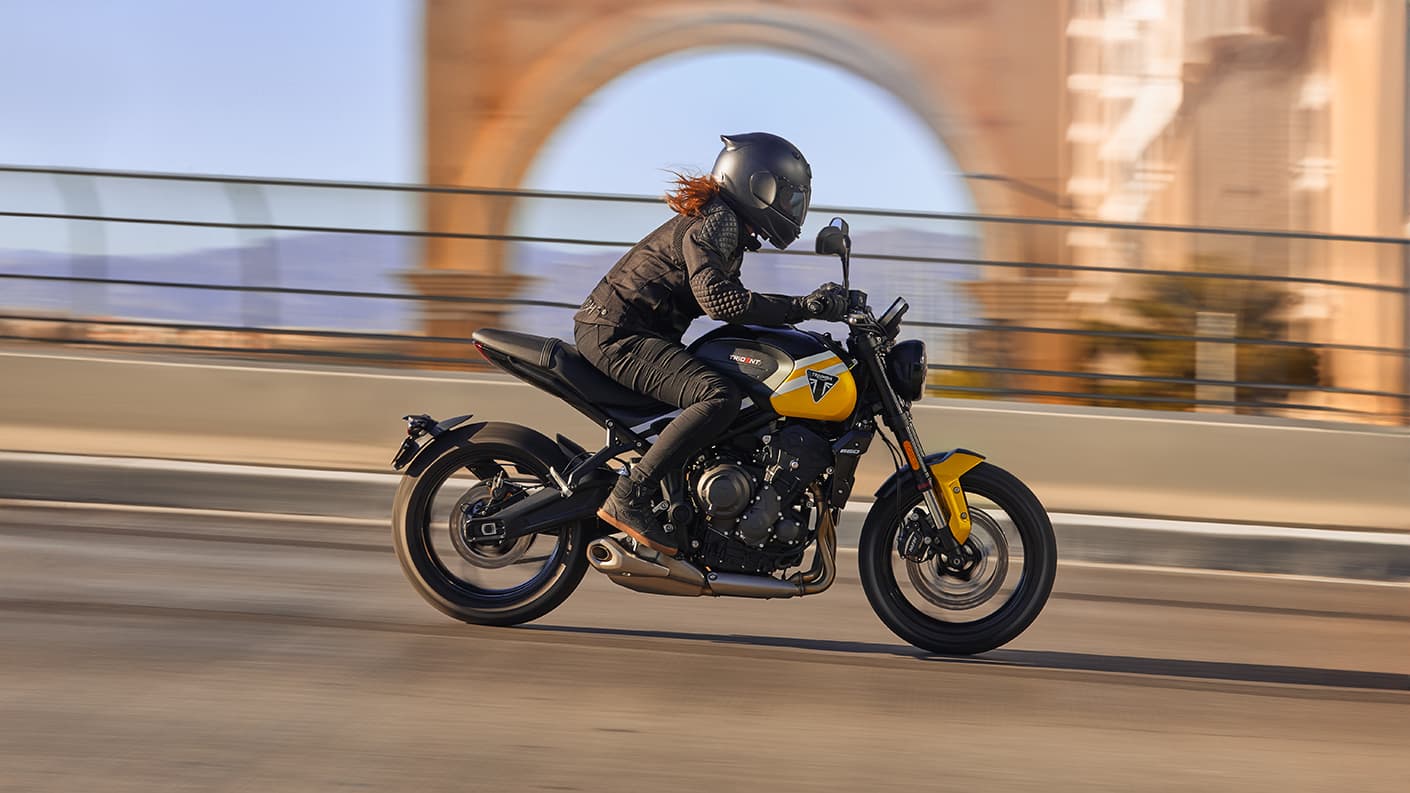
Mechanically, the 660cc inline triple engine remains fundamentally unchanged — and that's absolutely the right call. Triumph has, however, recalibrated the fueling in the low-to-mid throttle range, smoothing out what was occasionally an abrupt off-idle response in the standard model. The result is a more linear power delivery that makes city riding noticeably more relaxed.
City Life: The Commute Test
Days one through three were pure urban punishment. We used the Trident 660 SE as a daily commuter across a major metropolitan area, covering everything from stop-and-go highway on-ramps to tight downtown streets with aggressive taxi drivers and the occasional rogue cyclist. This is exactly the kind of environment where a middleweight like the Trident either proves its worth or exposes its weaknesses.
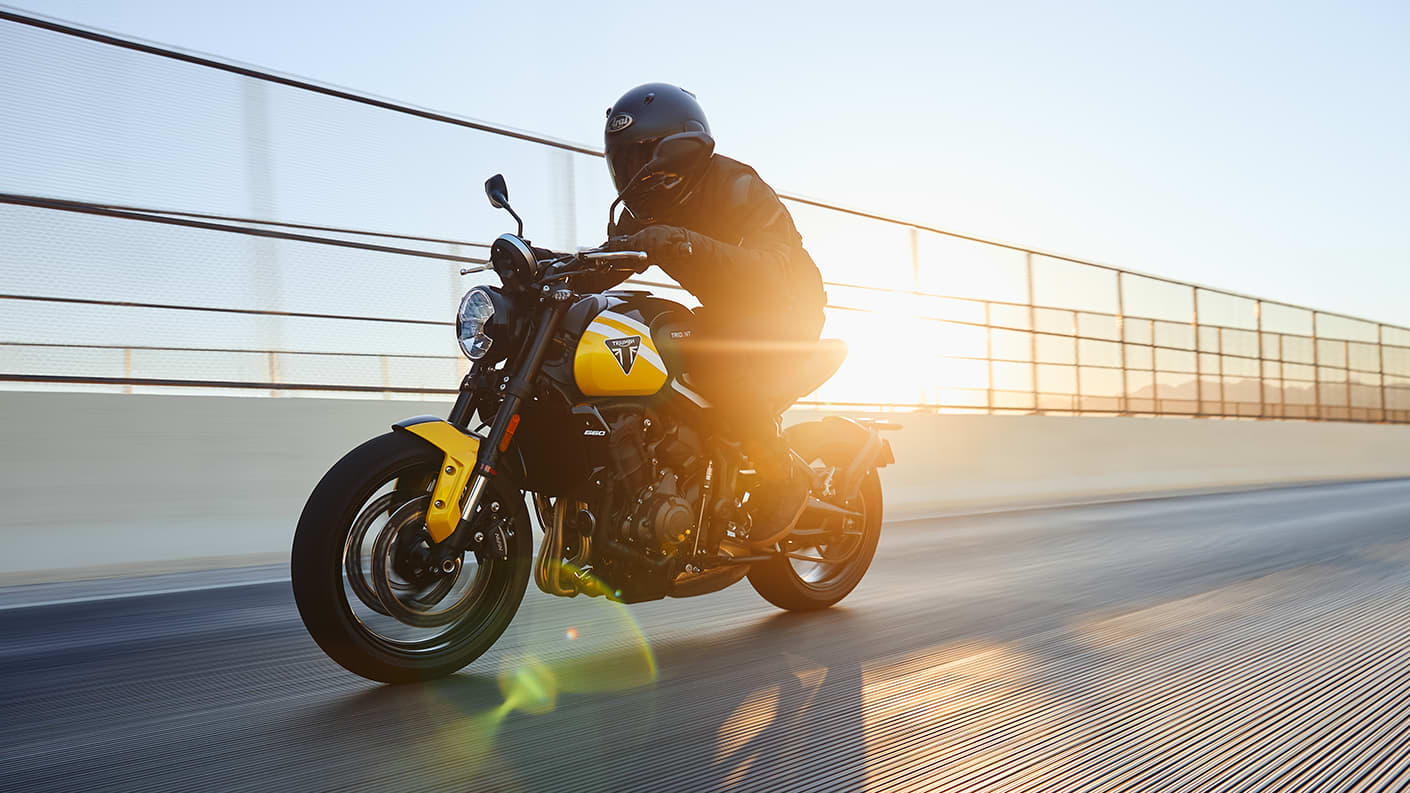
It proved its worth — emphatically. The revised fueling meant traffic-light launches were smooth and predictable, and the low seat height of 805mm (31.7 inches) gave shorter riders the confidence to plant a foot at stoplights without drama. The upright riding position keeps the wrists and lower back comfortable during extended stop-and-go sessions, and the relatively narrow profile of the parallel-triple engine means the bike slips through gaps with surprising ease for its 189kg wet weight.
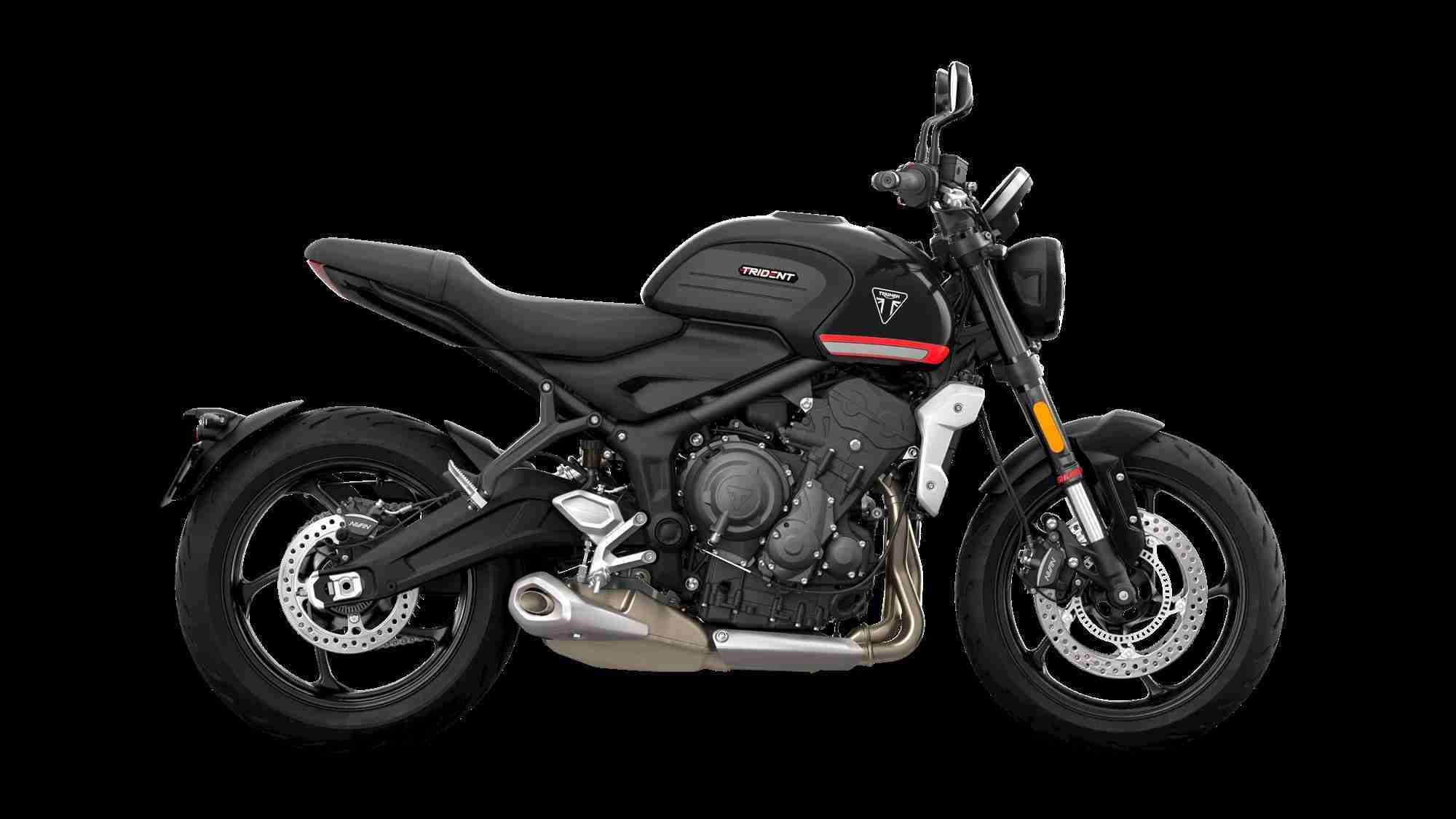
The new quickshifter deserves special mention here. In the city, where you're constantly hunting for the right gear in unpredictable traffic, the ability to both upshift and downshift clutchless is genuinely transformative. It's smooth enough that we sometimes forgot it was there — which is exactly the point. The updated TFT display is bright and readable even under direct midday sun, and the simplified menu structure means you're not fumbling through sub-menus at traffic lights.
Ergonomics and Comfort at Low Speed
- Seat height: 805mm — accessible for a wide range of inseams
- Handlebar position: slightly higher than the outgoing model, reducing wrist load
- Footpeg placement: neutral, neither sportily rear-set nor overly forward
- Engine heat management: well-contained even in slow traffic on a warm day
Open Road: Where the Triple Sings
Days four and five were the reward. We pointed the Trident 660 SE toward a mix of flowing A-roads and motorway stretches to see how it coped with sustained higher-speed riding — historically the area where smaller-displacement middleweight bikes begin to feel stretched.
The 660cc triple produces 81hp at 10,250rpm and 64Nm of torque at 6,250rpm — numbers that look modest on paper but feel lively in practice, particularly between 5,000 and 9,000rpm where the inline triple's characteristic mid-range surge really comes alive. There's a distinctly mechanical, purposeful soundtrack to the engine note at highway pace that feels more characterful than many rivals in this class, including the Yamaha MT-07 and the Honda CB650R.
Cruising at motorway speeds feels relaxed rather than strained. Wind protection from the small fly-screen is, predictably, minimal — taller riders will feel the blast more acutely — but for distances under 200 miles in a sitting, we found it perfectly manageable. The revised suspension tuning, featuring a slightly softer front compression damping and a revalved rear shock, has noticeably improved high-speed stability over imperfect road surfaces. Where the original Trident could feel a touch nervous over motorway expansion joints at speed, the SE floats through with more composure.
Handling and Dynamics
The Trident 660 SE continues to use a traditional tubular steel frame with a relatively long wheelbase for the class, giving it a planted, stable feel that rewards riders who are newer to the segment while still being engaging for more experienced hands. Corner entry is predictable, mid-corner balance is neutral, and the Metzeler Sportec M7 RR tires fitted as standard provide excellent feedback in both wet and dry conditions. We caught one wet morning during our test and felt confident throughout.
Braking performance from the Nissin radial-mount calipers biting twin 310mm discs up front is strong and progressive, and the single-channel cornering ABS (now standard even on the base model) intervenes smoothly when it does get involved. Cornering ABS is one of those features that makes you feel safer without ever making you feel managed — the best kind of rider aid.
Value Proposition: Where the SE Sits
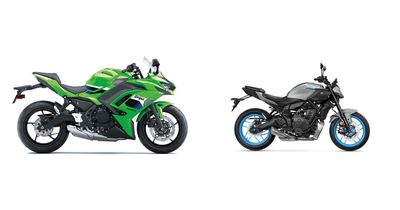
The 2026 Triumph Trident 660 SE comes in at a price point that positions it above budget middleweights like the Royal Enfield Interceptor 650 and directly challenges more established names like the Kawasaki Z650 and the Yamaha MT-07. On pure specification and finish quality, the SE justifies its position. The TFT display, bi-directional quickshifter, cornering ABS, and the quality of the switchgear and paint finish all feel several rungs above the price tag.
Triumph has also maintained a strong dealer network and a well-regarded servicing ecosystem, which matters for long-term ownership in a way that spec sheets can't always capture.
Verdict
Five days and five hundred-plus miles confirmed what we suspected: the 2026 Triumph Trident 660 SE is not a reinvention of a formula that was already working — it's a careful, confident improvement of it. The city-to-highway versatility is genuinely impressive, the engine character remains one of the best arguments for buying an inline triple in this displacement class, and the SE's added technology layers make the overall package feel properly premium without alienating the rider it's aimed at.
If you're in the market for a middleweight street bike that can commute Monday to Friday and still put a grin on your face on a Sunday morning run, the Trident 660 SE deserves to be at the very top of your shortlist. It still owns this segment — and the 2026 updates only tighten its grip.