The XSR900GP Lands in Korea: A Retro Racing Sensation
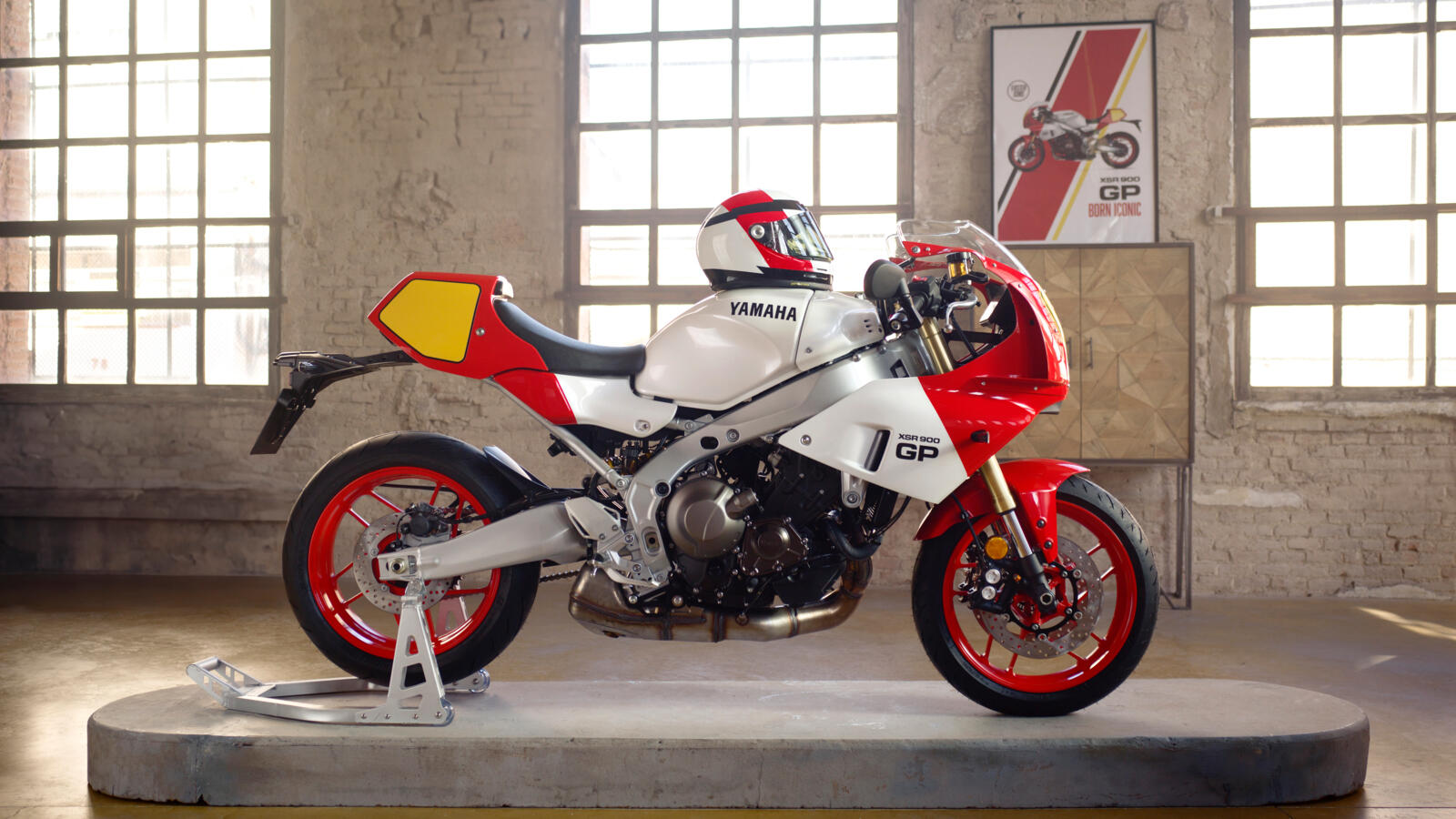
When Yamaha unveiled the XSR900GP, it was a love letter to the iconic YZR500 grand prix racers of the 1970s and 1980s. Wrapped in full GP-inspired bodywork, powered by a thoroughly modern triple-cylinder engine, and priced for the premium segment, it was always going to turn heads worldwide. In South Korea, where motorcycle culture is evolving rapidly and sport-retro machines command genuine passion, the XSR900GP has landed with considerable fanfare — and no small amount of scrutiny.
Korean Market Context: Why the XSR900GP Fits
South Korea's motorcycle scene has matured significantly over the past decade. Riders in Seoul, Busan, and the provincial cities have moved well beyond commuter mindsets. The local market now embraces premium European and Japanese machinery with enthusiasm, and style-forward bikes — particularly those with a racing heritage narrative — sell exceptionally well. Brands like Ducati, Triumph, and BMW have all seen strong growth, and Yamaha has been working hard to position itself at the premium end of the spectrum.
The XSR900GP slots neatly into this trend. Korean riders appreciate craftsmanship, visual storytelling, and performance credibility. A bike that evokes the golden age of Grand Prix racing while packing modern electronics and a punchy 890cc CP3 engine checks virtually every box for the aspirational Korean enthusiast. Yamaha Korea officially launched the model with test ride events in Seoul and at the Inje Speedium circuit, giving media and customers an early taste — and the reception was warm from the start.
Pricing and Availability in South Korea
The XSR900GP entered the Korean market at approximately 16,990,000 KRW (roughly $12,500–$13,000 USD at current exchange rates), positioning it above the standard XSR900 but well below the full-faired supersport competition. For reference, a Ducati Monster or Triumph Speed Triple RS would sit considerably higher, making the Yamaha's entry point feel competitive for what is, visually at least, a far more dramatic machine.
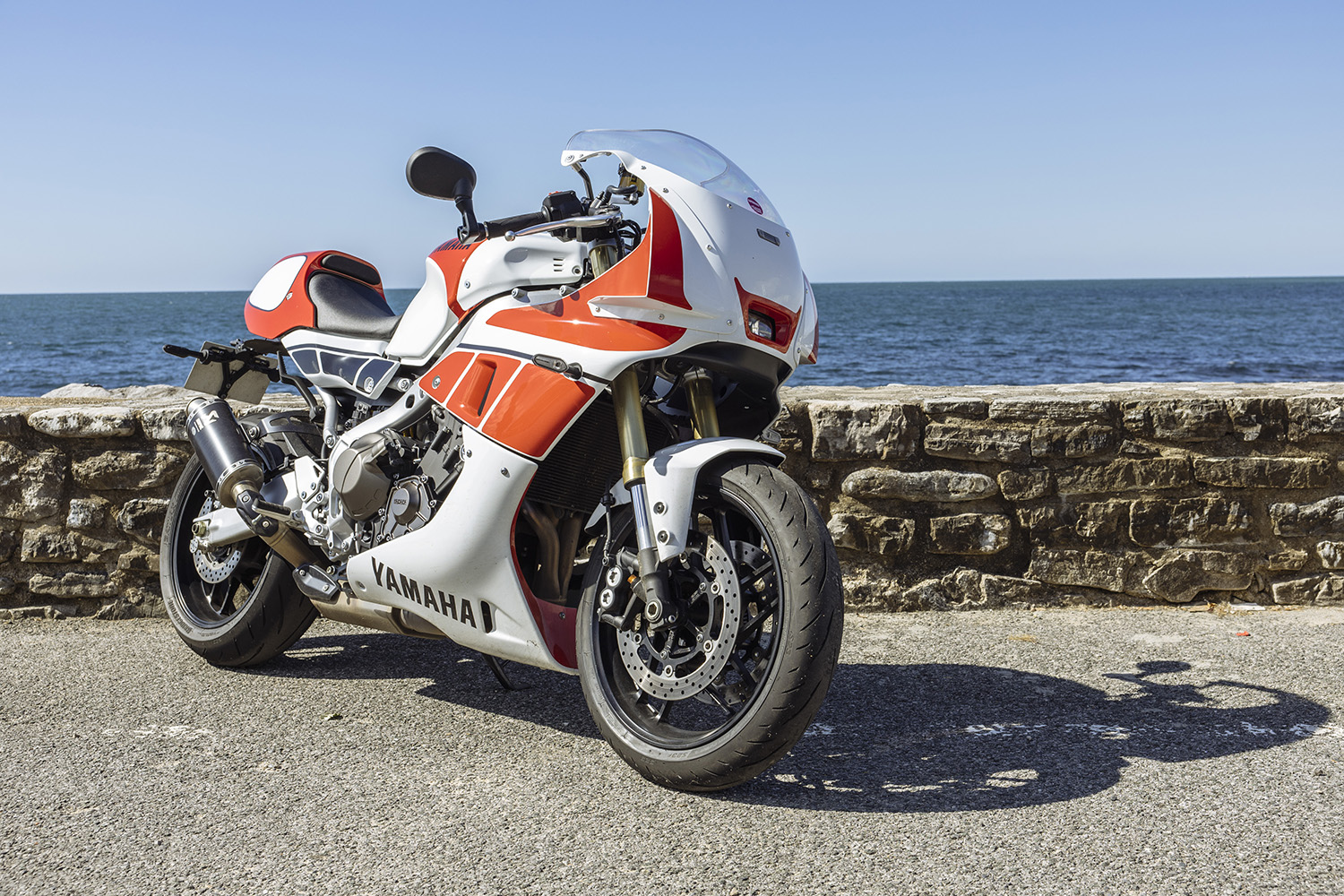
Inventory at launch was tight, as it was in most global markets. Yamaha Korea allocated initial stock carefully between key dealers in Seoul's Gangnam and Mapo districts, as well as major regional dealerships. Waiting lists formed quickly, with some buyers reporting waits of two to three months for their preferred color — the iconic white and red GP livery being the most sought-after option.
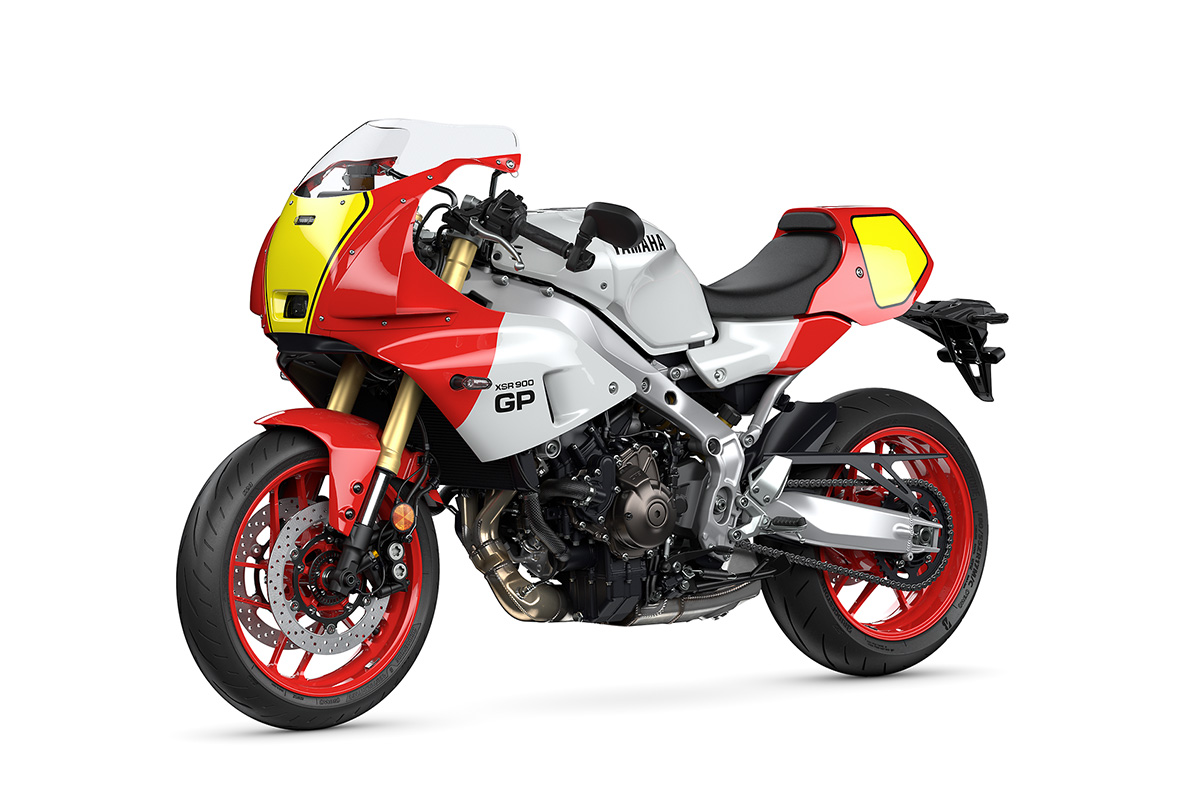
How Korean Riders Are Experiencing It on the Road
South Korea offers a diverse riding environment. Seoul's congested urban arteries are challenging for any large-displacement machine, but Korean riders often escape to the sweeping mountain roads of Gangwon Province, the coastal highways of the East Sea route, or dedicated sport riding venues. The XSR900GP, it turns out, adapts to these environments differently — and riders have been vocal about both its strengths and its compromises.
Urban Riding
In the city, the XSR900GP's full fairing and committed riding position divide opinion. The low, wide handlebars borrowed from its GP-bike inspiration make filtering through Seoul traffic an exercise in patience rather than agility. Several Korean reviewers noted that while the bike is mechanically manageable — the CP3 engine pulls smoothly at low RPM and the clutch is light — the riding ergonomics demand physical engagement that isn't always welcome in stop-and-go conditions. The narrow seat, praised for its racing aesthetic, becomes a friction point on longer commutes.
Mountain and Weekend Roads
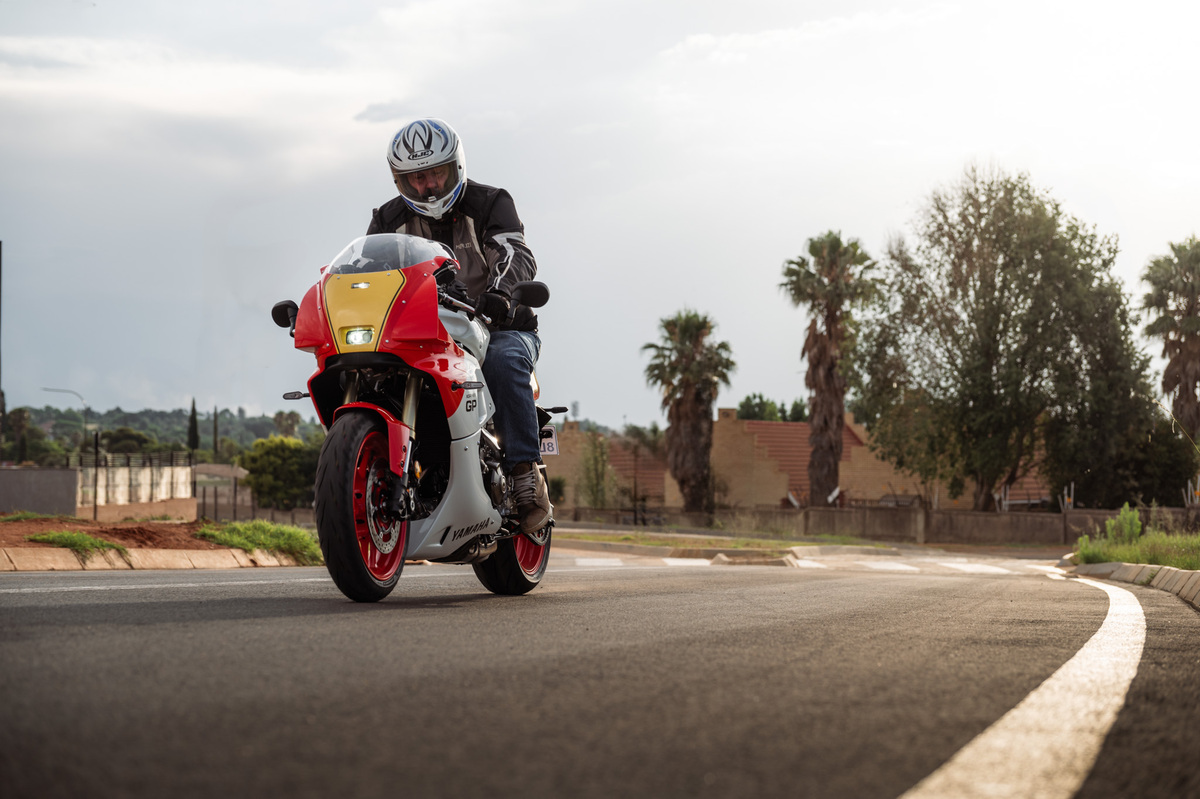
Where the XSR900GP truly earns its keep in Korea is on the country's incredible network of mountain passes and coastal roads. The 119bhp CP3 triple sings at the high RPM range that these roads invite, and Korean riders have been particularly effusive about the engine's mid-range grunt — that characteristic Yamaha triple torque that hits hard between 5,000 and 9,000 rpm. The six-axis IMU, cornering ABS, and multiple riding modes give even less experienced sport riders a safety net that encourages confidence.
Korean riding community forums and YouTube channels have documented impressive weekend rides on the XSR900GP along routes like the Daegwallyeong Sky Road and the Inje mountain circuit roads. The consensus is clear: this bike rewards an enthusiastic rider on technical tarmac and delivers a sensory experience — the sound of that triple at full chat, the retro visuals, the planted chassis — that few machines at this price point can match.
Community Reception and Social Media Impact
Korean motorcycle culture has a vibrant online community, and the XSR900GP has become a genuine social media phenomenon in the country. Instagram accounts and YouTube channels dedicated to Korean motorcycle touring have featured the bike extensively, and its photogenic fairing design means it performs exceptionally well in content. This visual appeal is not a trivial commercial factor — Korean buyers, like enthusiasts globally, are influenced heavily by how a machine photographs and how it represents personal identity.
- NaverCafe riding clubs have organized group rides specifically themed around the XSR900GP
- Korean YouTube reviewers with hundreds of thousands of subscribers have given it mostly four and five-star assessments
- Track day popularity at Inje Speedium and Korea International Circuit has been notable, with owners bringing the bike to circuit events
- Customization culture is emerging, with local shops already offering exhaust upgrades, seat modifications, and fender eliminators
The Criticisms: What Korean Riders Would Change
No honest assessment of the XSR900GP in Korea would be complete without acknowledging the critiques. Korean riders are discerning consumers, and several consistent themes emerge from community feedback. The wind protection, while better than a naked bike, is imperfect at Korean highway speeds. The seat height and forward riding position are noted as a challenge for shorter riders — a demographic consideration that matters in Korea. Some riders have also flagged that the full fairing makes the engine run warm in Seoul's summer heat, requiring patience in dense traffic.
Aftermarket support, while growing, is still developing compared to the depth available for the standard XSR900 or the MT-09 platform. Korean accessory suppliers are catching up, but buyers seeking OEM-quality touring additions may find the catalog thin for now.
Verdict: A Strong Fit for Korean Motorcycle Culture
The XSR900GP has found a receptive audience in South Korea precisely because Korean riders understand and appreciate what it represents. It is not trying to be the most practical machine or the fastest on paper — it is offering an emotional, heritage-driven riding experience wrapped in credible performance technology. In a market that increasingly values exactly that combination, Yamaha has timed this launch well.
For Korean riders who spend their weekdays dreaming of weekend mountain passes and their weekends living that dream, the XSR900GP is a compelling, visually spectacular, and genuinely capable companion. It has earned its place on Korean roads — and judging by the waiting lists, plenty of local riders already agree.