The Middleweight Sport Bike War Heats Up in 2026
There has never been a better time to shop for a middleweight sport bike. The segment that was once dominated by aging inline-fours has been completely reinvented, and in 2026 three machines stand at the top of the pile: the Kawasaki Ninja 500, the Yamaha YZF-R7, and the Aprilia RS 660. We secured examples of all three, mapped out a two-week riding itinerary that mixed twisty mountain roads, motorway stretches, and urban commuting, and set out to find the definitive all-rounder. Spoiler: the answer is more nuanced than you might expect.
Meet the Contenders
Kawasaki Ninja 500
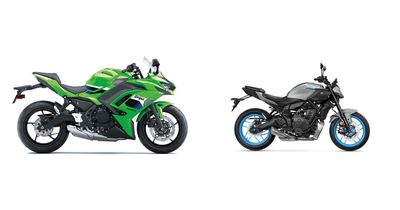
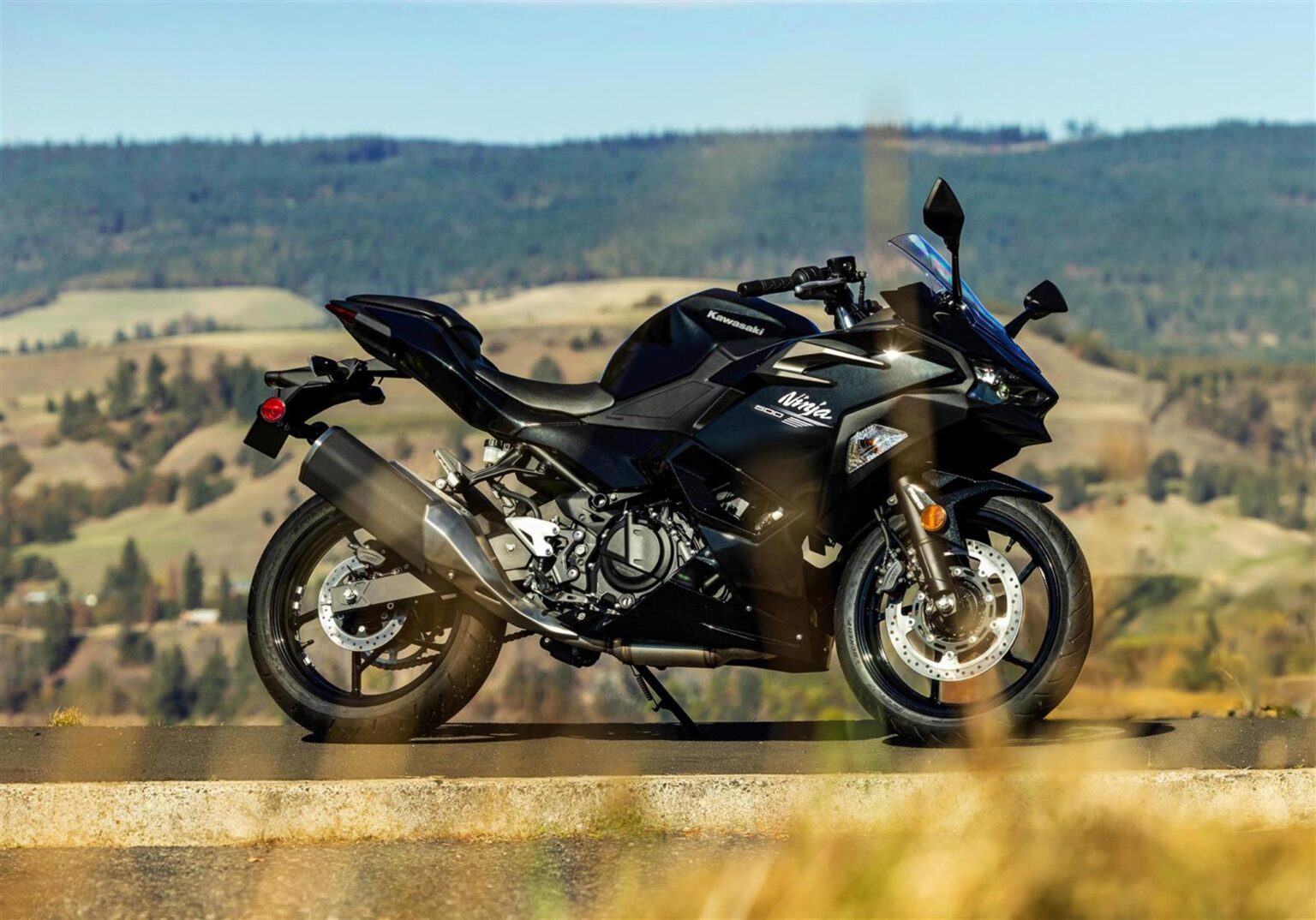
Kawasaki's Ninja 500 returns for 2026 with subtle refinements to its electronics package and revised suspension damping settings. Powered by a 451cc parallel-twin producing around 45 horsepower, the Ninja 500 punches above its displacement class through a combination of light weight — just 168 kg wet — and a chassis borrowed directly from the brand's supersport lineage. It remains the most accessible entry point of the trio, both in price and in the approachability of its power delivery, yet it never feels underpowered when the road opens up.
Yamaha YZF-R7
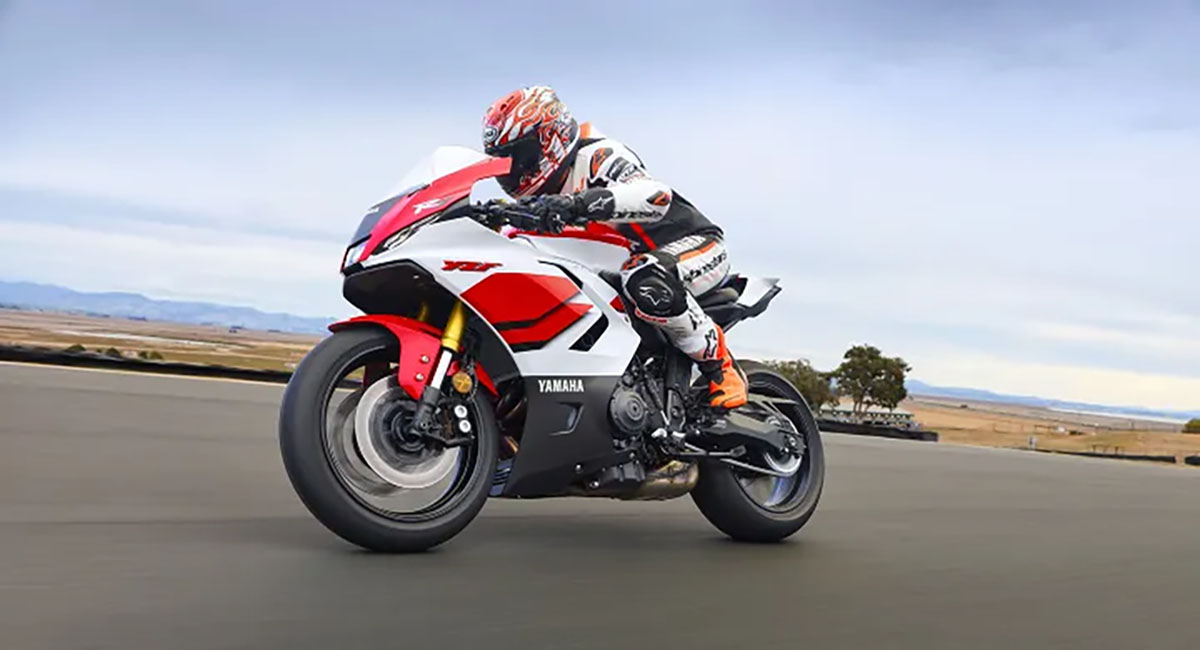
The YZF-R7 continues to be Yamaha's spiritual successor to the legendary R6, and its 689cc CP2 parallel-twin engine needs no introduction. In 2026 form it produces 73 horsepower and pairs that output with a quickshifter, traction control, and Yamaha's revised Ride by Wire throttle system. The R7 is the heaviest of the group at around 188 kg wet, but it carries its weight low and confidently, rewarding riders who are willing to push the pace. If you've graduated from a learner bike and want something that grows with you, the R7 makes a compelling argument.
Aprilia RS 660
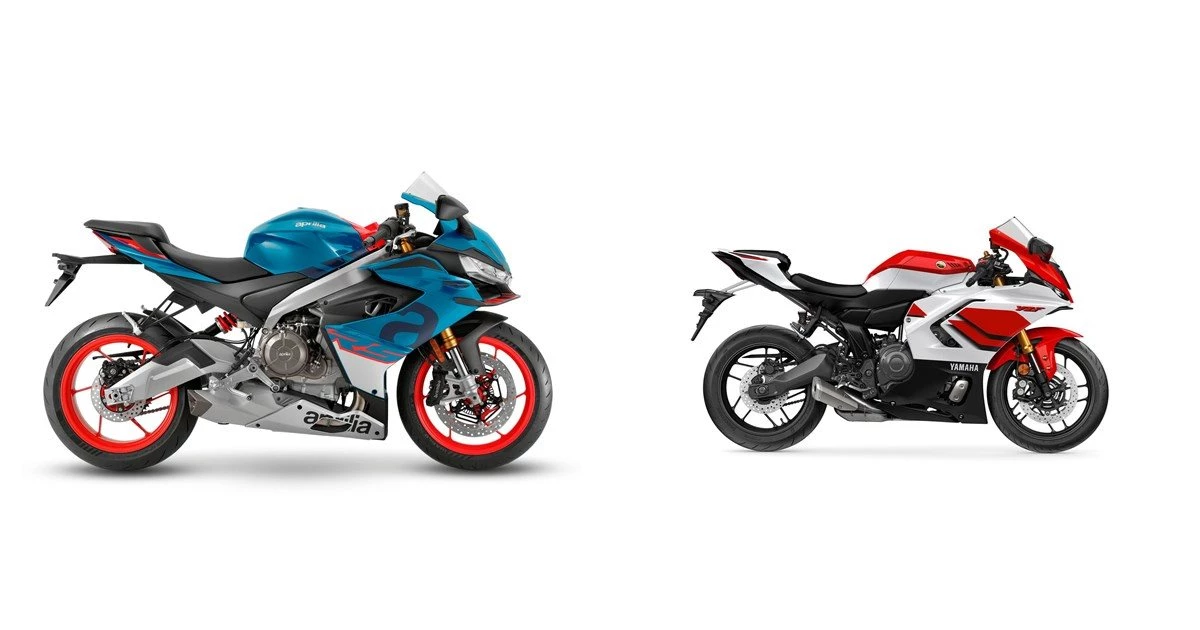
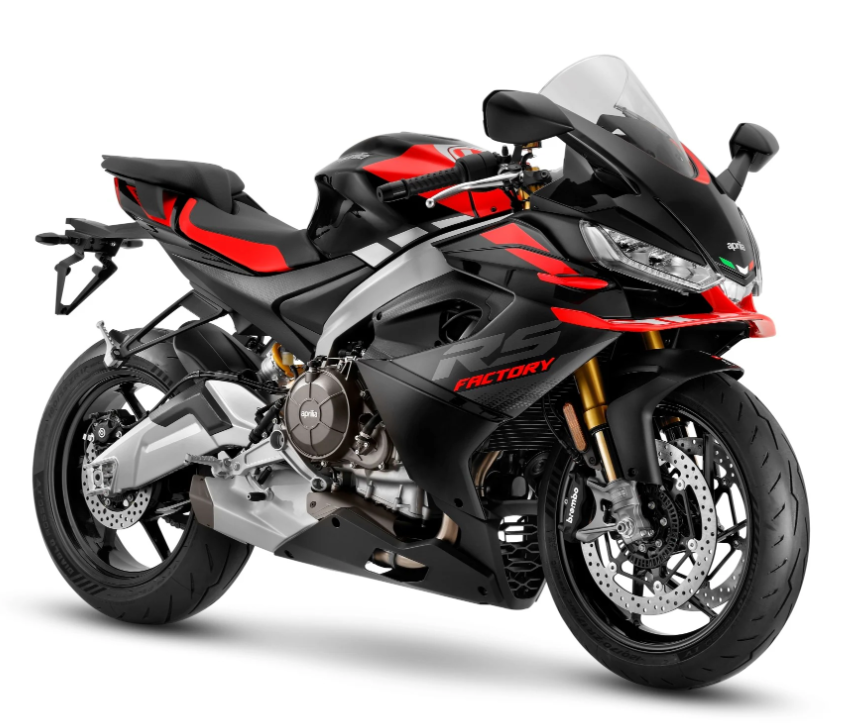
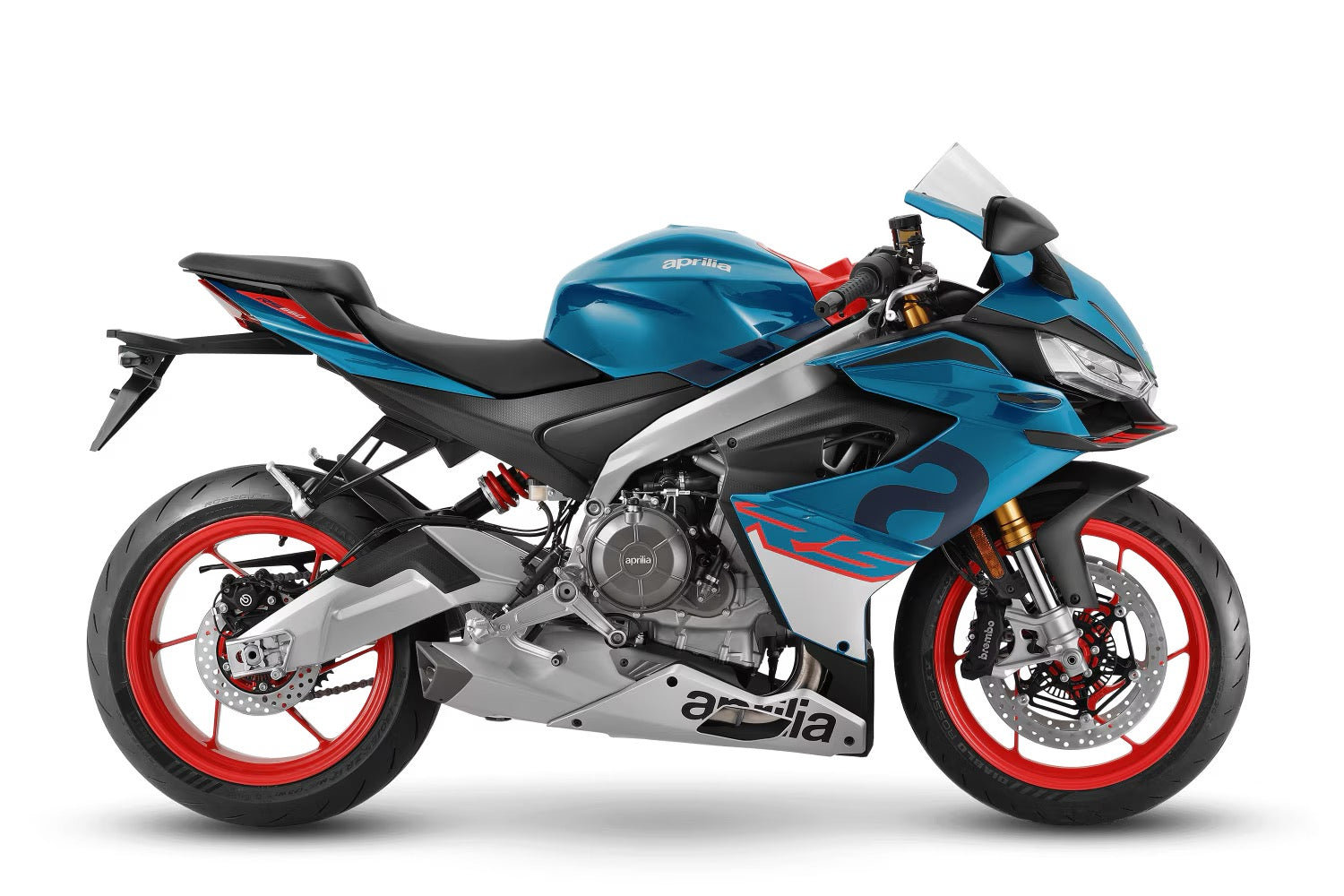
The RS 660 is the exotic of the group, and it knows it. Aprilia's 659cc parallel-twin engine delivers 100 horsepower — a significant margin over both rivals — and is wrapped in a chassis and electronics suite that borrows heavily from the brand's MotoGP program. Six-axis IMU, multiple riding modes, cornering ABS, and a launch control system all come standard in 2026. At roughly €10,500 in European markets, it's also the most expensive, but the question is whether that premium translates to real-world riding satisfaction.
On the Road: How They Actually Feel
Everyday Riding and Commuting
We started each morning with the same 25-kilometer urban commute, filtering through traffic and dealing with slow-moving junctions. This is where the Ninja 500 immediately won hearts. Its light clutch action, forgiving throttle, and narrow profile made lane splitting feel effortless. The upright-ish ergonomics — more aggressive than a naked but less extreme than a full crouch — kept rider fatigue at bay over 45-minute stints. The R7 is manageable in traffic but asks more of the rider; its clutch is heavier and the riding position demands engagement. The RS 660, despite its premium status, impressed us here too thanks to a smooth ride-by-wire throttle and the ability to dial back to its mildest Commute mode, which softens everything appreciably.
Canyon Carving and Sport Riding
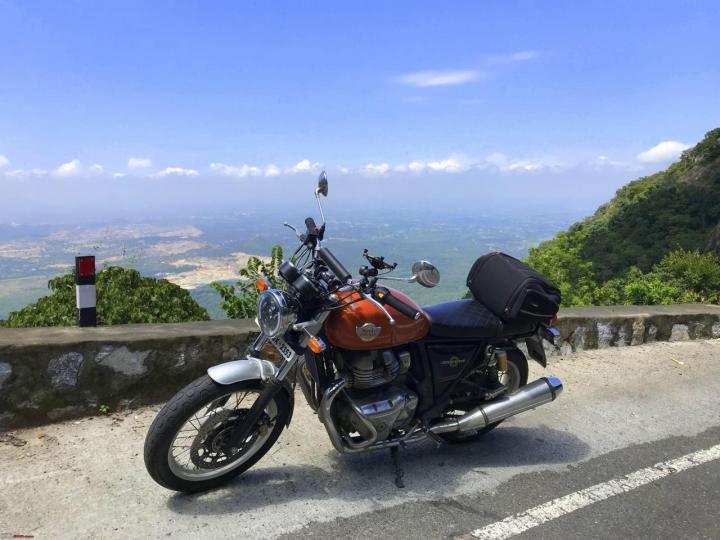
Out on our favourite mountain loop, the hierarchy shifted dramatically. The RS 660 was in a class of its own. That 100-horsepower twin pulls with genuine urgency from 5,000 rpm onward, and the chassis communicates so much information through the bars that you find yourself pushing limits you'd never approach on the others. It steers with an almost telepathic precision, and the cornering ABS and traction control work so transparently that you stop thinking about them entirely. The YZF-R7 was the runner-up in outright sport performance, offering a more mechanical, analogue experience that many experienced riders will actually prefer. There's a rawness to the CP2 engine that feels deeply satisfying when you're revving it hard into corners. The Ninja 500 held its own surprisingly well given the power deficit — its light weight means you can carry corner speed effectively — but the engine does run out of breath above 120 km/h in a way the others don't.
Long-Distance Comfort
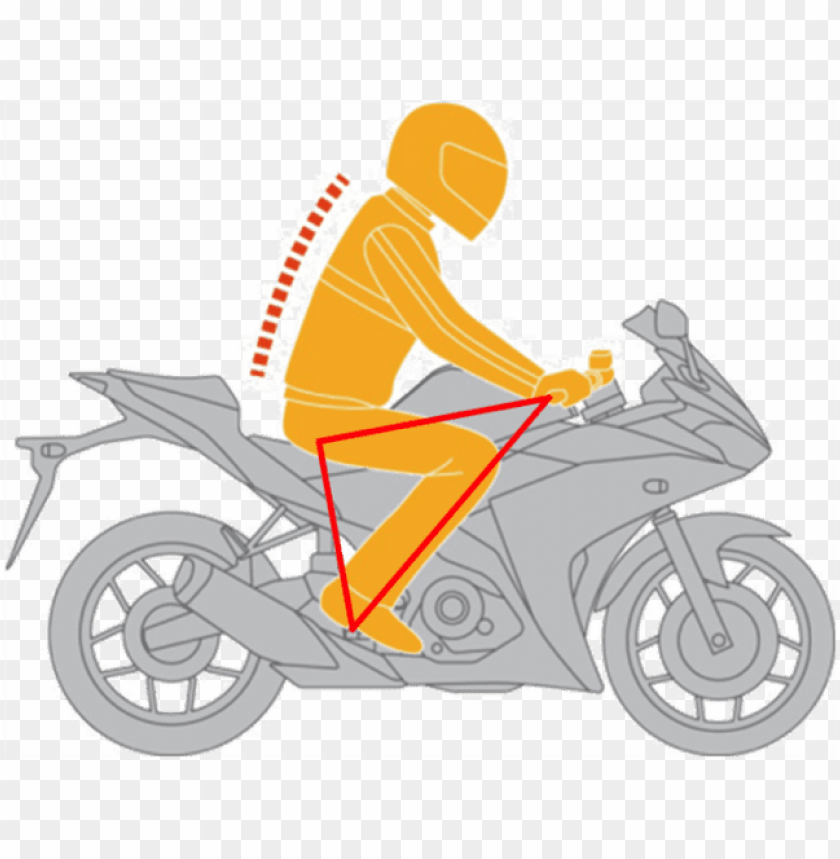
We also completed a 300-kilometer motorway transfer day, and this exposed the differences most starkly. The Ninja 500 was genuinely comfortable; its wind protection is decent for the class and vibration through the bars was minimal. The R7 was acceptable but began to tire wrists and lower back after two hours at 130 km/h. The RS 660 surprised us negatively here — its aggressive crouch and stiff suspension calibration meant we arrived with sore backs, despite the technology on board. If you tour regularly, the Ninja 500 and even the R7 edge ahead of the Aprilia.
Specs That Matter: A Quick Comparison
- Kawasaki Ninja 500: 451cc parallel-twin, ~45 hp, 168 kg wet, ~£5,999 / €6,799
- Yamaha YZF-R7: 689cc parallel-twin, 73 hp, 188 kg wet, ~£8,299 / €8,999
- Aprilia RS 660: 659cc parallel-twin, 100 hp, 169 kg wet, ~£9,999 / €10,499
Value for Money
The Kawasaki Ninja 500 is a staggering amount of motorcycle for the money. New riders and budget-conscious buyers who want real sport bike styling and handling without the financial or physical intimidation of a bigger machine will struggle to find better value anywhere in the market. The Yamaha YZF-R7 occupies the sweet spot for experienced riders who want a capable, characterful machine that doesn't demand constant management. The Aprilia RS 660, while genuinely exceptional, only justifies its premium if sport riding is your primary use case — and even then, its touring and commuting limitations mean you're paying for a focused tool rather than a rounded companion.
The Verdict: Which Is the Best All-Rounder of 2026?
After 14 days and nearly 2,000 kilometers, our verdict is clear — with an asterisk. The Yamaha YZF-R7 earns the all-rounder crown by the narrowest of margins. It delivers enough sport performance to satisfy riders who push hard on weekends, enough comfort for longer journeys, and a level of mechanical engagement that keeps the experience rewarding across every type of road. It's the bike that you'll pick up the keys for on a grey Tuesday morning just as eagerly as on a sunny Sunday afternoon.
The Aprilia RS 660 is the better sport bike — full stop — and if your riding is 80 percent twisty roads and 20 percent everything else, it's the machine to buy. The Kawasaki Ninja 500 is arguably the most impressive achievement of the three: it punches so far above its price point that recommending it feels almost obligatory for newer riders or those on a tighter budget. All three deserve a place in showrooms, and all three deserve a test ride. But if you can only pick one, the R7 is the bike that does it all.