The High-Stakes World of Track-Focused Full-Face Helmets
Choosing a premium track helmet is one of the most personal—and most consequential—decisions a rider can make. The Shoei RF-1400, AGV Pista GP RR, and Arai Corsair-X sit at the absolute pinnacle of street-legal, track-capable lid technology, each commanding prices north of $700 and backed by decades of MotoGP-derived engineering. We wore all three across 30 days of track sessions, canyon carving, and daily commutes to give you the most thorough comparison on the market heading into 2026.
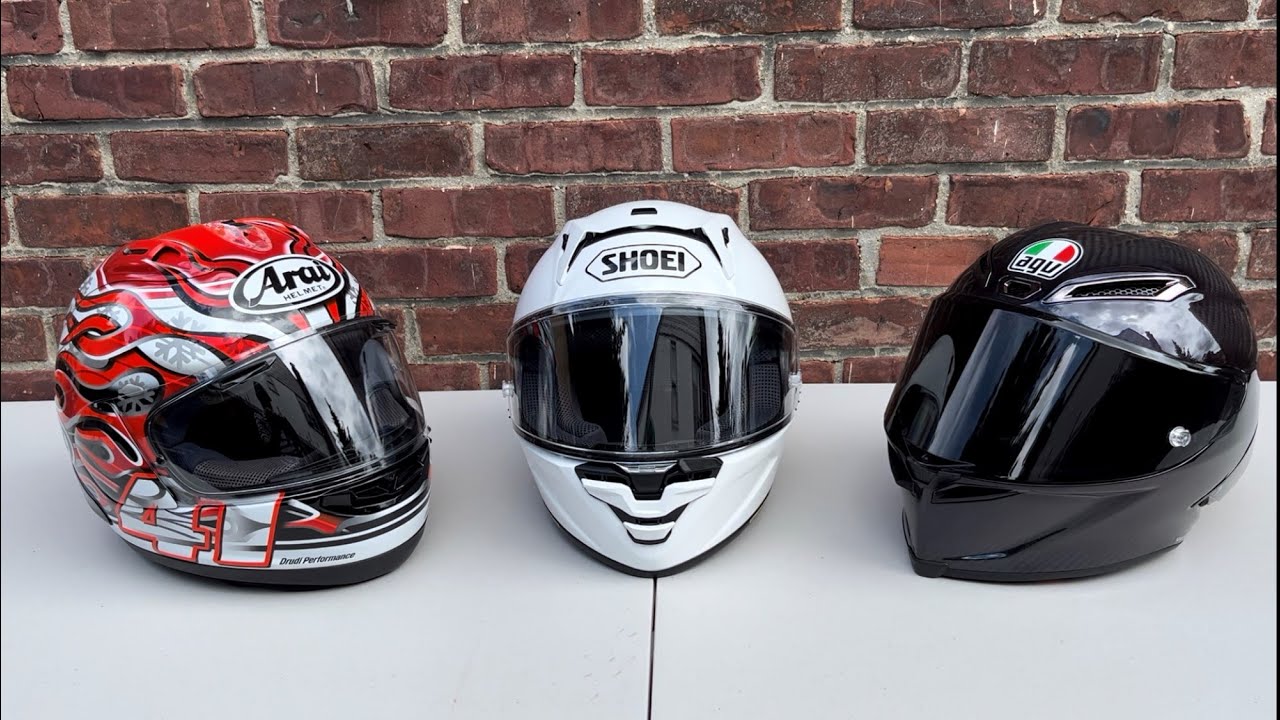
Meet the Contenders
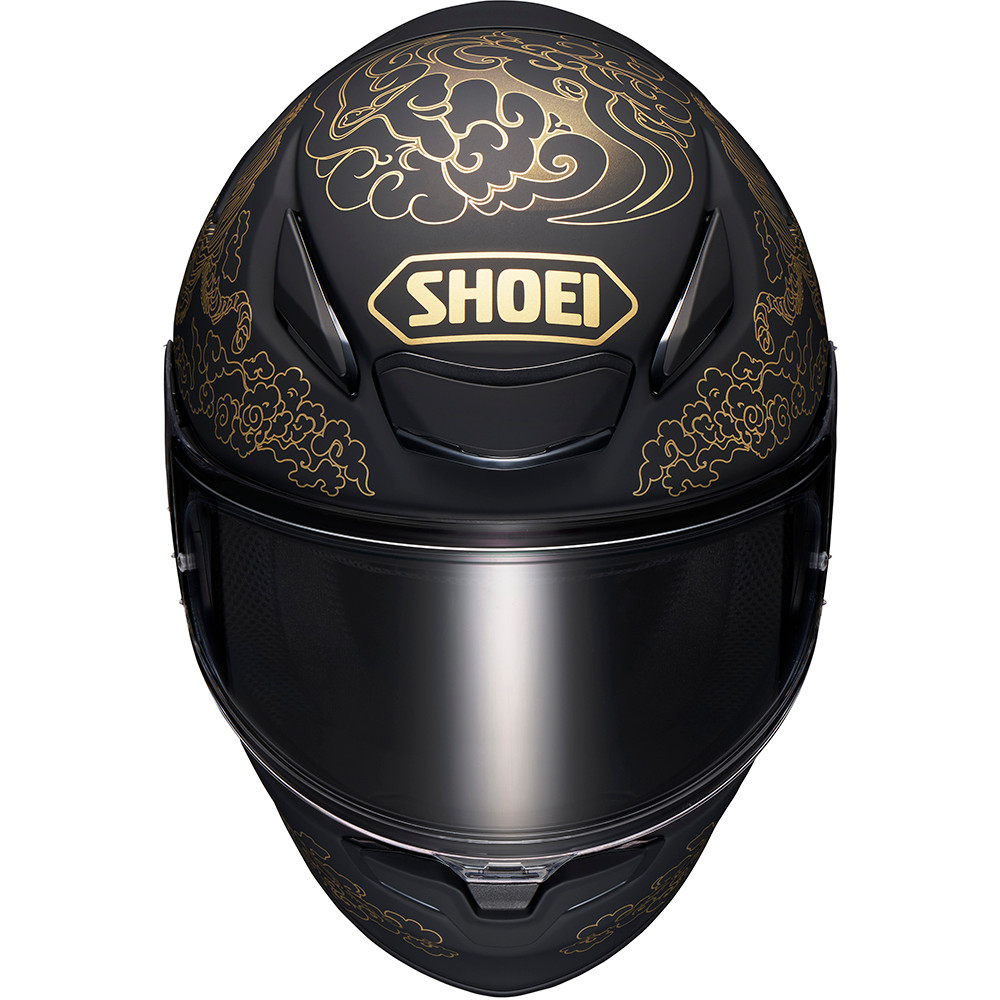
Shoei RF-1400 — The Precision Instrument
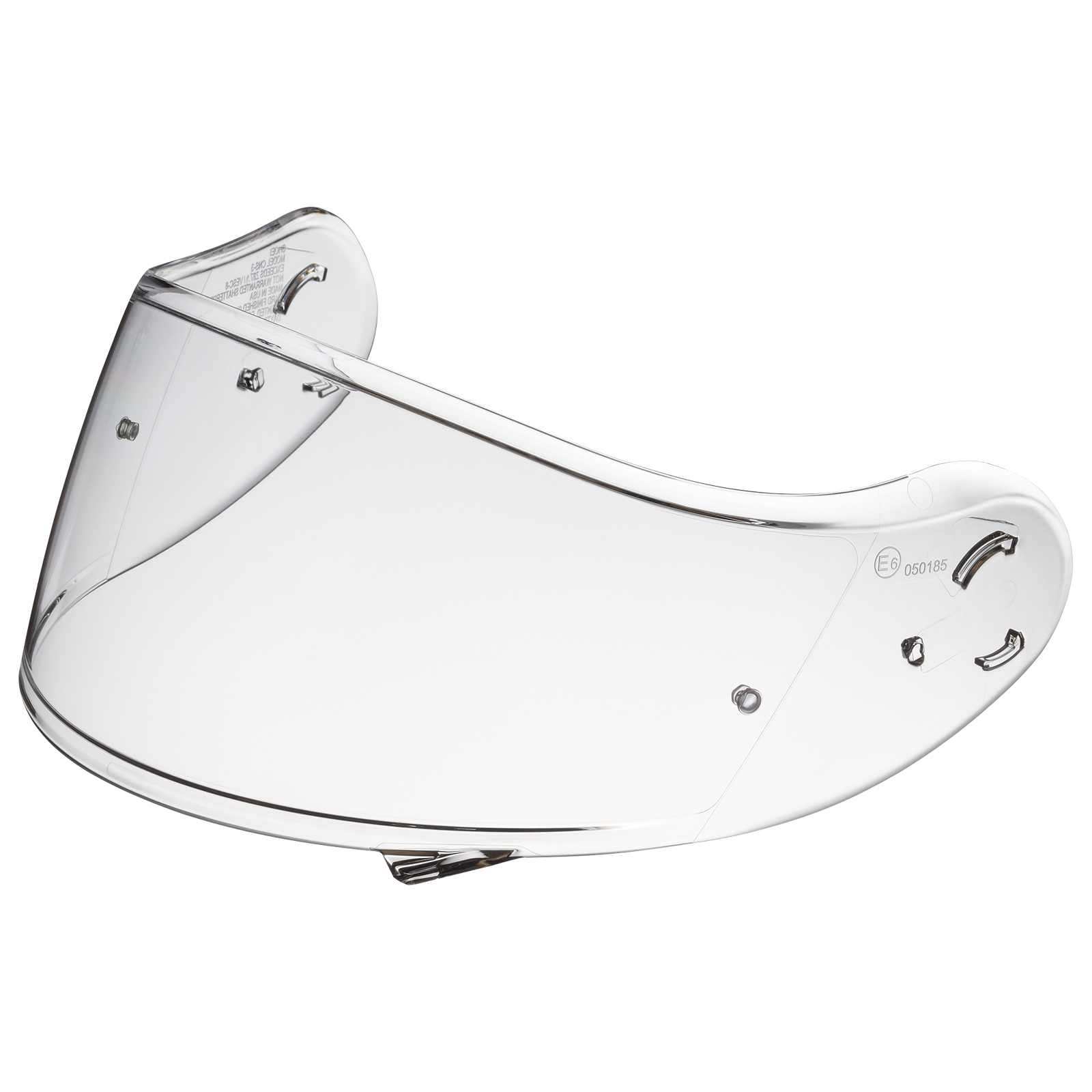
Shoei's RF-1400 represents the Japanese brand's most aerodynamically advanced road helmet to date. Built on an AIM+ multi-composite shell, it carries both DOT and ECE 22.06 certifications and is available in four shell sizes to optimize fit across a wide range of head shapes. The integrated Motion Energy Distribution System (MEDS) is designed to manage rotational impact forces, and the new CNS-1 Pinlock-ready faceshield offers a massive field of view with virtually zero optical distortion. At $749 MSRP, it's the most affordable of our trio—but don't let that fool you.
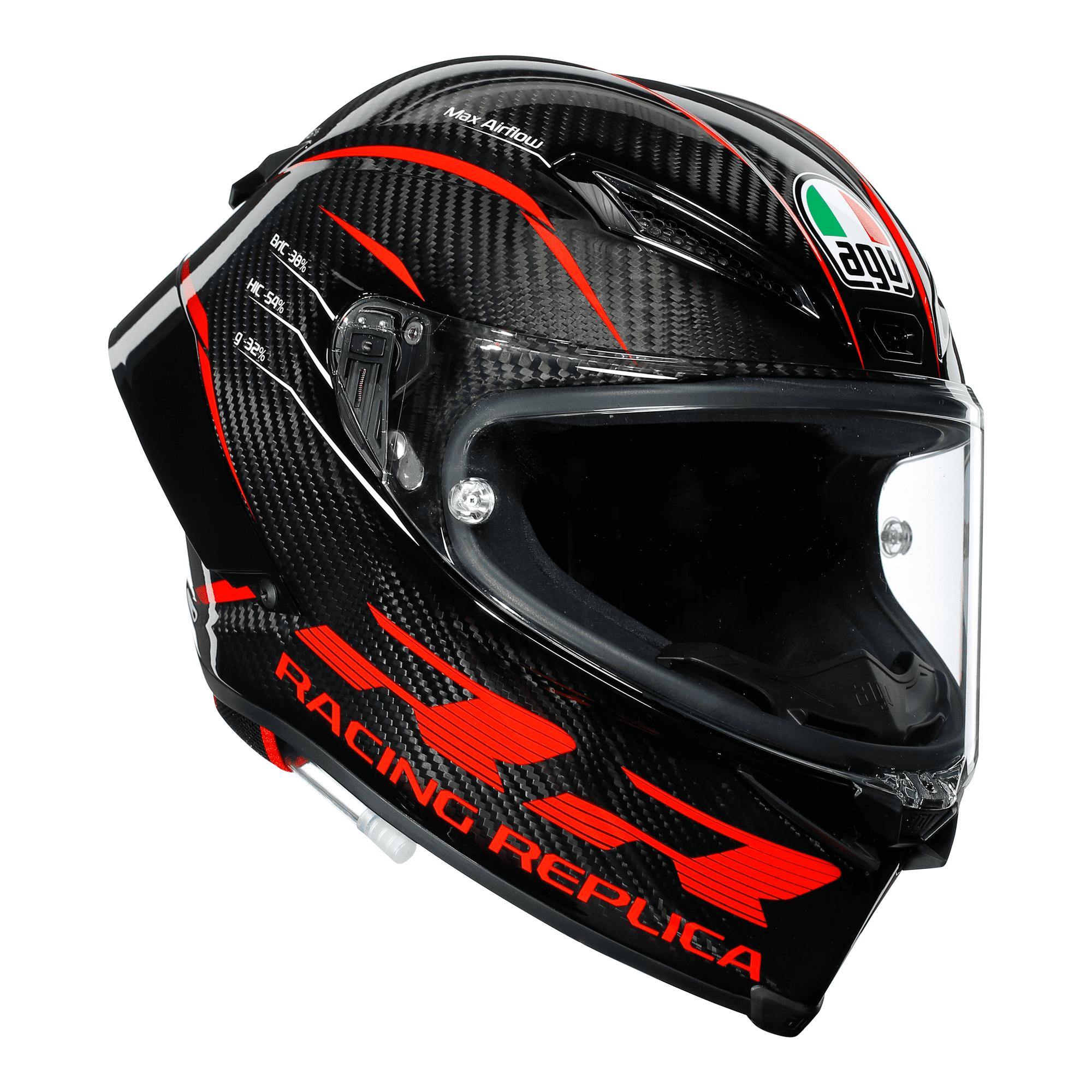
AGV Pista GP RR — The Racing Purebred
Born directly from the carbon fiber lids worn by Valentino Rossi and Francesco Bagnaia, the AGV Pista GP RR is the closest thing to a genuine MotoGP helmet you can legally wear on the street. Its full carbon fiber shell is extraordinarily light—tipping the scales at just 1,350 grams in medium—and the integrated spoiler, massive chin vent, and aggressive aerodynamic profile make it feel like it belongs on the grid at Mugello. At $1,299, it's the most expensive helmet here, and it wears that price tag with confidence. It holds both FIM homologation and ECE 22.06 certification.
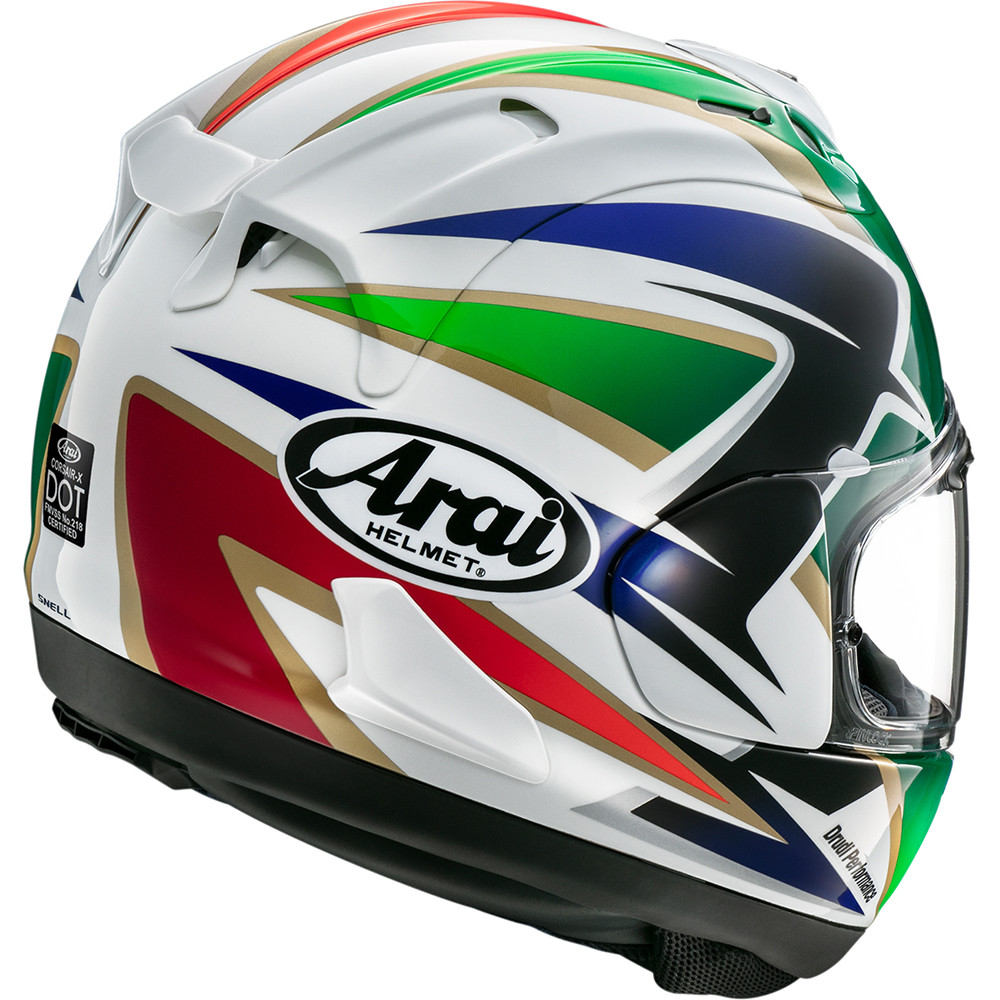
Arai Corsair-X — The Craftsman's Choice
Arai has never chased trends, and the Corsair-X embodies that philosophy. Hand-assembled in Japan from Arai's proprietary Super Fiber composite laminate, it's engineered around the brand's Peripheral Belt System and round-shape philosophy, which prioritizes glancing-blow energy dispersal over rigid impact resistance alone. SNELL 2020 and ECE 22.06 certified, the Corsair-X retails for approximately $899 and has been the helmet of choice for road racers and track-day enthusiasts for nearly two decades. Its evolution is deliberate and measured—but the refinements are meaningful.
Fit and Comfort: Living With These Helmets Daily
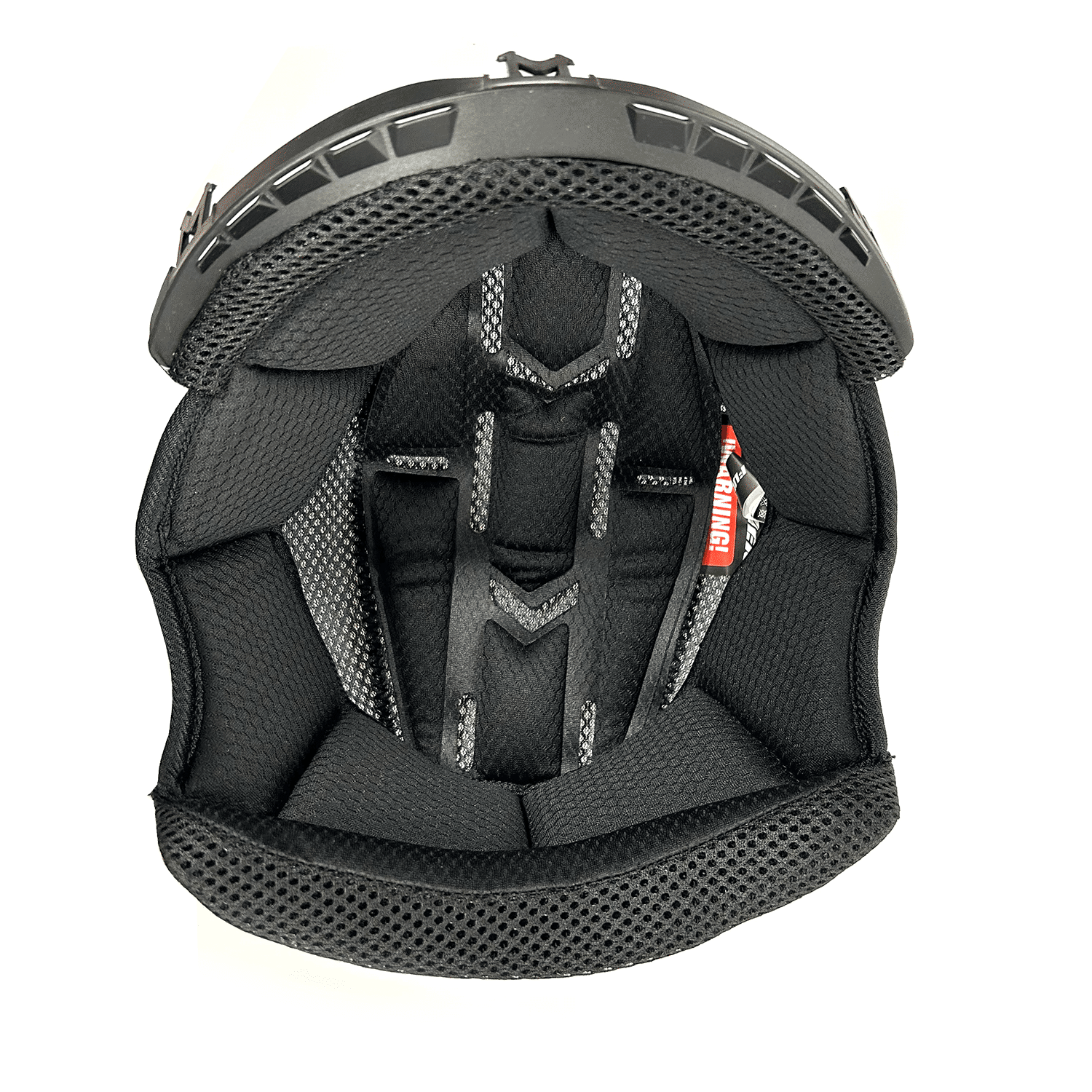
Fit is everything in a track helmet, and each of these lids takes a distinct approach. The Shoei RF-1400 accommodates a slightly oval head shape and uses a plush, moisture-wicking liner that feels immediately comfortable out of the box. After 30 days, the liner had broken in beautifully with minimal hot spots. The Arai Corsair-X, with its rounder shell geometry, suits riders with a more round or intermediate oval head shape, and the 3D contoured cheek pads create a firm, cocoon-like embrace that many track riders specifically seek out. The AGV Pista GP RR fits snugly with a slightly oval profile closer to the Shoei, though the carbon shell has less give than the composite alternatives—expect a longer break-in period, particularly in the cheeks and crown.
Noise levels varied considerably. The Shoei was the quietest of the three at highway speeds, aided by its refined aerodynamic shell and well-engineered chin curtain. The AGV was the loudest, a byproduct of its race-focused aerodynamics that prioritize downforce over wind noise attenuation. The Arai split the difference, producing moderate wind noise that track riders will find acceptable but daily commuters might notice on long interstate stretches.
Ventilation: Keeping Cool When It Counts
On a sweltering track day, ventilation can be the difference between sharp focus and heat-induced fatigue. The AGV Pista GP RR excels here—its massive forehead intake and multi-channel internal ducting create a noticeable throughput of fresh air, even when sitting stationary on the grid. Arai's Corsair-X uses a deceptively effective five-port system that delivers consistent airflow at speed, though it's less impressive when stopped. The Shoei RF-1400's ventilation is the most refined day-to-day performer, offering excellent control and a quiet airflow that works well across both track and street riding environments.
Aerodynamics and Stability
At speeds above 100 mph, helmet aerodynamics become a genuine safety and ergonomics issue. The AGV Pista GP RR is the undisputed champion in this category—its integrated rear spoiler creates measurable downforce that keeps the helmet planted even at triple-digit speeds, and the aggressive chin bar channels air away from the rider's chest with surgical precision. The Arai Corsair-X's round shape produces excellent stability with virtually no lift or buffeting, a result of its carefully engineered profile rather than external aerodynamic devices. The Shoei RF-1400 performs admirably but shows slightly more movement at extreme speeds than the other two—acceptable for street riding, but noticeable on a fast track.
Visor Optics and Ease of Use
All three helmets use high-quality shields with excellent optical clarity, but each has its quirks. The Shoei's CNS-1 shield is tool-free to remove and swap, offers a wide field of view, and integrates seamlessly with Shoei's excellent Pinlock anti-fog insert. The AGV's visor mechanism is smooth but requires slightly more deliberate operation than the Shoei. The Arai Corsair-X uses the brand's VAS-V Pro Shade System, which allows fitment of an internal drop-down sunshade—a feature the other two lack—making it uniquely versatile for changing light conditions throughout a long track day.
Safety Ratings and Impact Protection Technology
- Shoei RF-1400: DOT FMVSS No. 218, ECE 22.06, with MEDS rotational energy management
- AGV Pista GP RR: ECE 22.06, FIM homologation — does not carry SNELL certification
- Arai Corsair-X: DOT FMVSS No. 218, SNELL 2020, ECE 22.06 — the only triple-certified helmet in this comparison
For riders who require SNELL certification for WERA, CCS, or club racing, the Arai Corsair-X is the only choice in this group. The AGV's FIM certification is arguably the highest standard in professional racing but is less commonly required at amateur track days in North America.
Value and Verdict
After 30 days and hundreds of miles, here's where we landed. The AGV Pista GP RR is the most technically impressive helmet of the three—if you want the closest possible experience to a factory MotoGP lid and you spend serious time at the track, it justifies its premium price with unmatched aerodynamics, exceptional ventilation, and a pedigree that's impossible to ignore. The Arai Corsair-X is the helmet we'd choose for the rider who splits time between track days and street riding, values SNELL certification, and wants a helmet that will last a decade with proper care. Its craftsmanship and safety credentials are beyond reproach. The Shoei RF-1400 is the everyday hero—quieter, more comfortable for longer wear, and meaningfully less expensive than the Arai while offering similar real-world performance for most riders. It's our pick for the rider who wants a track-capable, street-refined helmet without compromise.
The best helmet is always the one that fits your head correctly, suits your riding style, and meets the certification requirements of wherever you ride. But if forced to choose just one for the complete package in 2026, the Arai Corsair-X earns our highest overall recommendation by the narrowest of margins—a testament to the relentless quality that Arai has built its reputation on for over 70 years.