The Premium Helmet Showdown: Why We Did This
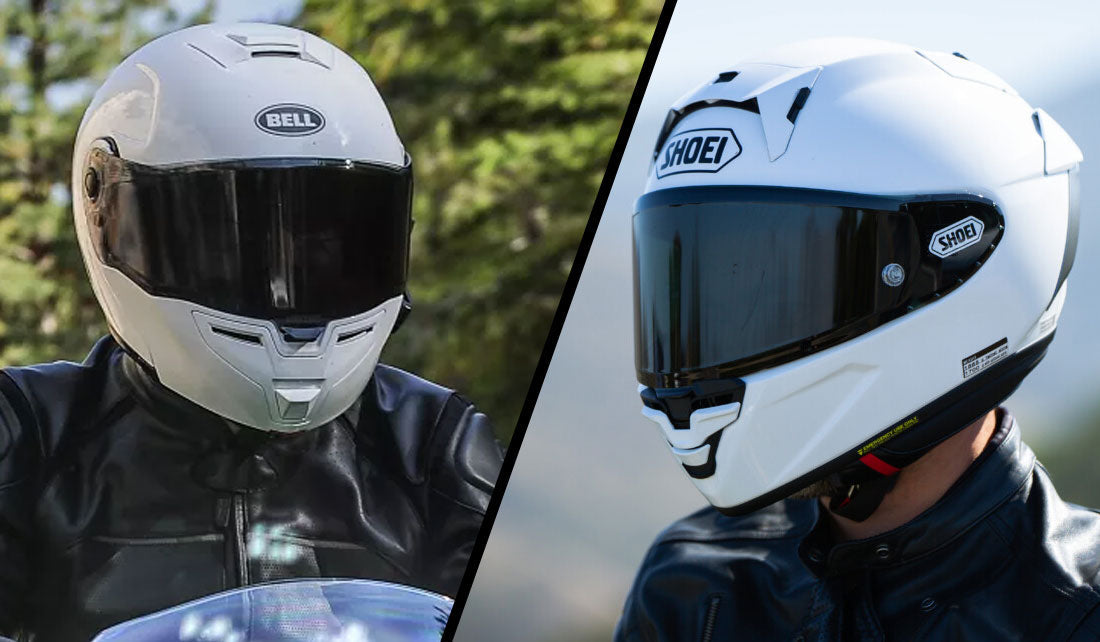
Spending $600, $700, or even $900 on a motorcycle helmet is not a decision most riders take lightly. Yet the premium helmet market is more competitive than ever heading into 2026, with Shoei, Arai, and Bell each pushing their flagship offerings to new heights. Rather than rely on spec sheets and showroom floor impressions, we committed to something more demanding: 30 consecutive days of real-world riding across highway commutes, canyon carving, and weekend touring, rotating between the Shoei RF-1400, the Arai Corsair-X, and the Bell Race Star Flex DLX. The result is the most honest, sweat-soaked comparison we've ever published.
Meet the Contenders
Shoei RF-1400
Shoei's RF-1400 has been the benchmark sport-touring helmet for several years, and the 2026 version refines that legacy with an updated AIM+ shell construction, a revised ventilation channel system, and the company's excellent CWR-F2 visor with Pinlock 120 anti-fog compatibility. It comes in multiple shell sizes to ensure the fit is genuinely proportional to your head, not just stretched or compressed foam. MSRP runs approximately $699 for solid colors.
Arai Corsair-X
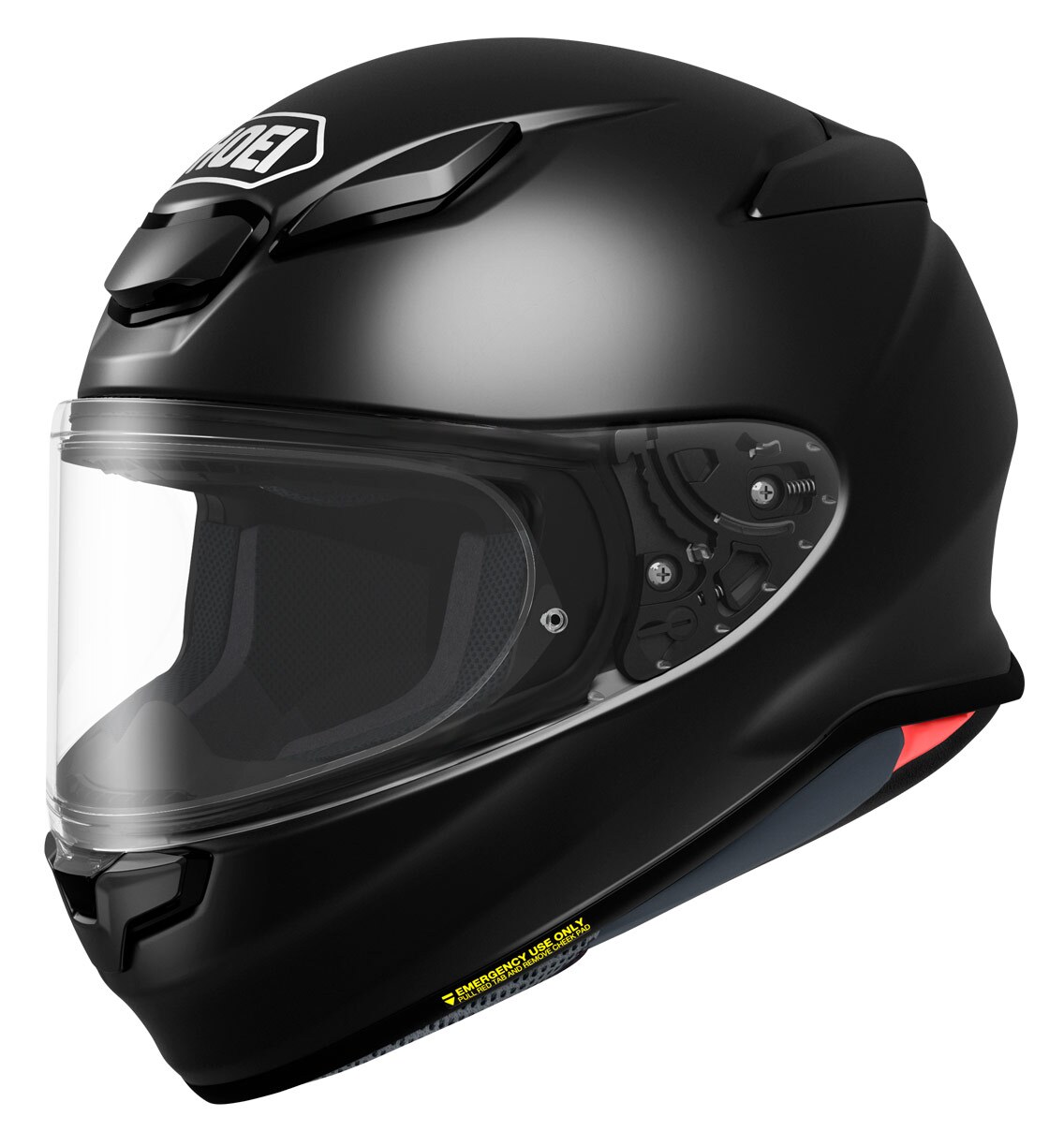
The Corsair-X is Arai's racing pedigree made street-legal, and it shows. The Super Fiber laminate shell is hand-built in Japan, the round, smooth outer shell shape is purpose-designed to glance off impacts rather than snag, and the ventilation system draws from decades of MotoGP partnership feedback. The 2026 Corsair-X adds an updated VAS-V Pro visor mechanism and a refreshed interior with improved moisture-wicking properties. It is also the most expensive of the three at roughly $899 in solid colors.
Bell Race Star Flex DLX
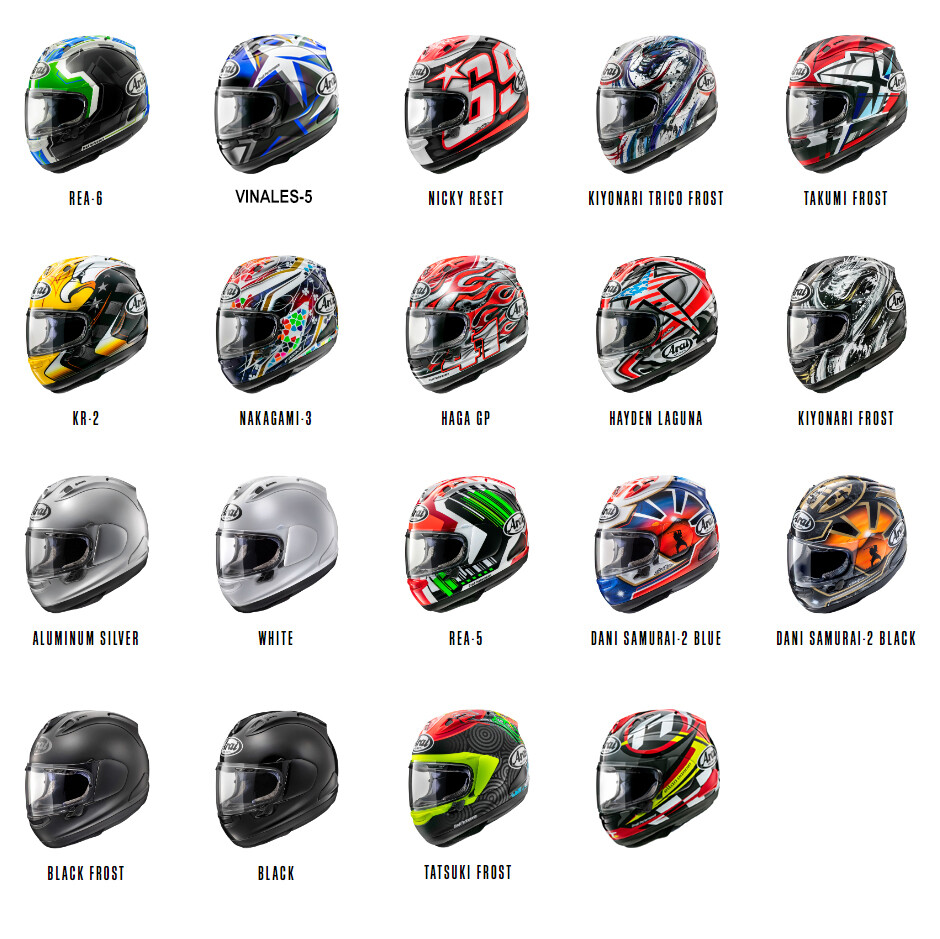
Bell has been the American underdog in the premium conversation, but the Race Star Flex DLX demands to be taken seriously. Its standout feature is the Flex energy management system — a secondary layer of material between the outer shell and EPS liner designed to manage rotational energy in angled impacts. Add a Transitions Photochromic shield that automatically adjusts tint to ambient light, a carbon fiber shell option, and a street price around $649, and Bell is clearly swinging for the fences.
Fit and Comfort: Where It Gets Personal
Helmet fit is deeply individual, but patterns emerged quickly during our 30-day test. The Shoei RF-1400 has what we'd describe as an intermediate oval fit — slightly longer front to back than it is wide. It accommodated our testers with medium and intermediate oval heads exceptionally well, with no pressure points even after three-hour stints. The comfort liner is plush, the cheek pads are firm enough to provide security without jaw fatigue, and the removable/washable interior makes weekly cleaning painless.
The Arai Corsair-X fits a rounder head shape than the Shoei, and riders with round or slightly round oval heads will likely find it the most naturally comfortable of the three. That said, the fit is firm by design — Arai is intentional about a snug interface between head and liner as part of their safety philosophy. New wearers may find the first week mildly uncomfortable, but by day ten, most of our testers had broken it in beautifully. It also runs slightly heavier than the competition at around 1,550 grams, which becomes noticeable on longer rides.
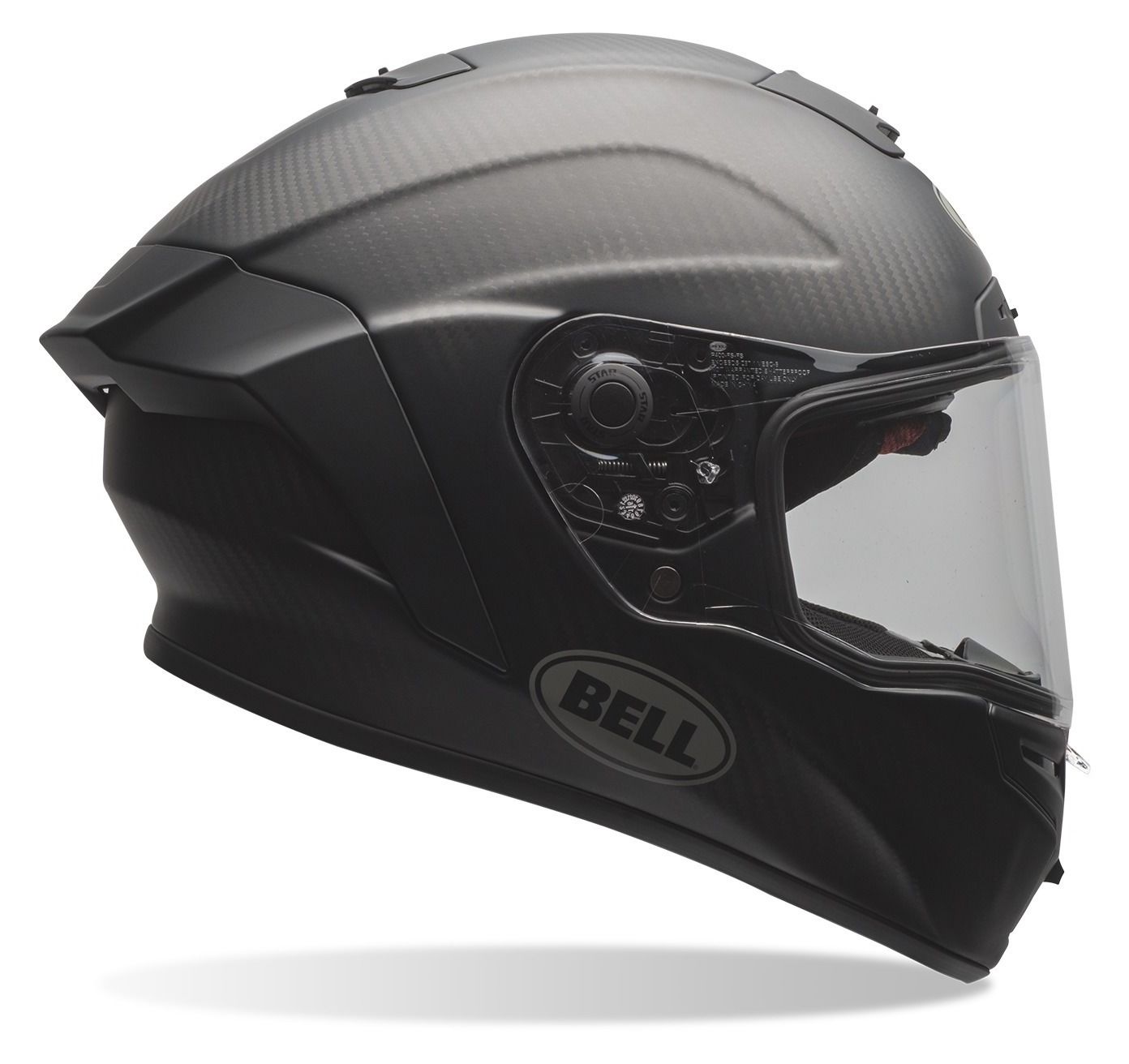
The Bell Race Star Flex DLX splits the difference with an intermediate oval that felt surprisingly accommodating across our range of testers. At approximately 1,490 grams, it's the lightest of the three, and after a full day in the saddle, that matters. The interior materials felt slightly less premium than Arai's on first touch, but comfort held up well across extended wear.
Ventilation: Breathing Room on Hot Days
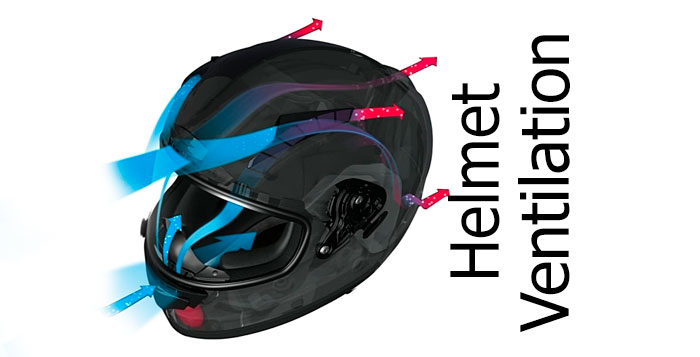
This category produced some of our most spirited debates. The Shoei RF-1400 has long been praised for its ventilation, and it earns that reputation again here. With all intakes and exhausts fully open, airflow is noticeable and consistent, keeping things tolerable even in 90-degree temperatures. The chin bar vent directs a useful stream across the lower face shield, which also helps with fogging.
The Arai Corsair-X runs slightly warmer overall. Its ventilation system is effective at highway speeds but less impressive in stop-and-go conditions. Riders in hot climates may find this a meaningful consideration. Bell's Race Star Flex DLX surprised us with genuinely strong airflow, rivaling the Shoei in most conditions and occasionally exceeding it at higher speeds thanks to strategically placed exhaust ports at the rear of the shell.
Noise Levels
None of these helmets are marketed as quiet touring lids, but noise management still matters for long days. Measured subjectively and with sound meter spot checks, the Shoei RF-1400 is the quietest of the three — noticeably so. Arai's Corsair-X sits in the middle, producing moderate wind noise at highway speeds that becomes more prominent without a neck roll. The Bell Race Star Flex DLX is the loudest of the trio, particularly around the chin bar area. Ear plugs are strongly recommended with all three, but especially the Bell.
Visor Systems
- Shoei RF-1400: The CWR-F2 visor is crisp, optically flat, and one of the easiest single-hand mechanisms we've used. Pinlock 120 anti-fog insert included.
- Arai Corsair-X: The VAS-V Pro system provides a wide field of view and excellent optical clarity, but the shield change mechanism requires two hands and a bit of practice. Pinlock 70 insert included.
- Bell Race Star Flex DLX: The Transitions Photochromic shield is a genuine game-changer for riders who don't want to carry a spare tinted visor. It transitions from clear to dark in roughly 30 seconds and performs well across a range of light conditions. The trade-off: it doesn't go fully dark in extreme sunlight, and it's significantly more expensive to replace.
Safety Credentials
All three helmets carry DOT and ECE 22.06 certifications as of 2026. The Arai Corsair-X and Shoei RF-1400 are both SNELL M2025 certified, which remains the gold standard for penetration and impact testing. Bell's Race Star Flex DLX carries DOT and ECE 22.06 ratings, and Bell's proprietary Flex system addresses rotational energy — a real-world crash dynamic that traditional standards have historically underweighted. While SNELL certification is absent on the Bell, its multi-axis impact protection is a legitimate safety argument.
The Verdict After 30 Days
If you had to choose just one, here's where we landed: the Shoei RF-1400 is the best all-around premium helmet for most riders in 2026. Its balance of fit, comfort, noise reduction, ventilation, and visor quality is unmatched in the segment. It's the helmet you'll reach for every single day without compromise.
The Arai Corsair-X earns its premium price if you have a round head shape and prioritize the absolute best hand-built shell construction available. It's a craftsperson's helmet, and dedicated Arai loyalists will not be disappointed.
The Bell Race Star Flex DLX is the most innovative of the three and the right choice if you want cutting-edge impact protection technology, a self-tinting visor, and a lighter overall package at a slightly lower price point. It is the helmet most willing to challenge convention, and that's worth something.
Whichever lid you choose, the most important metric remains consistent: fit your specific head shape correctly, wear it every single ride, and replace it after any significant impact. The best helmet in the world is only as good as the rider who buckles it up.