The 600cc Class Is Back — And Better Than Ever
For a segment that many declared dead just a few years ago, the 600cc middleweight supersport class has made a remarkable comeback in 2026. Emissions regulations forced manufacturers to step up their engineering game, and the result is a trio of machines that are sharper, cleaner, and more technologically advanced than anything this class has ever seen. We gathered the 2026 Suzuki GSX-R600, the 2026 Kawasaki Ninja ZX-6R, and the 2026 Yamaha YZF-R6 at a single location and rode them all over three days — back-to-back, same roads, same conditions — to give you the most honest comparison we could.
Meet the Contenders
2026 Suzuki GSX-R600
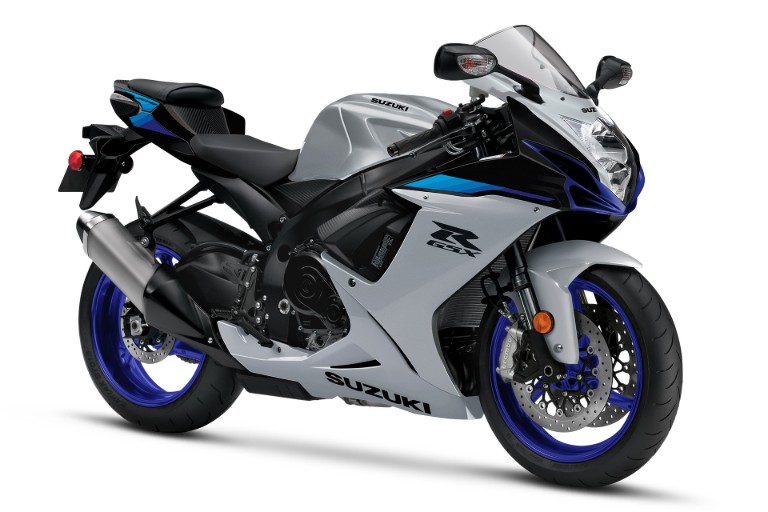
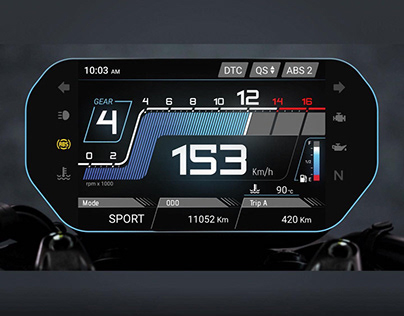
Suzuki's GSX-R600 returns for 2026 with a revised Showa Balance Free Fork setup up front and a tweaked fuel injection map that the engineers claim delivers a smoother power delivery in the low-to-mid rev range. The engine still revs freely to its 15,500 rpm redline, but there's noticeably more grunt between 6,000 and 10,000 rpm than the previous generation — exactly where you live on public roads. The aggressive bodywork has been subtly refreshed, and the new TFT dash is genuinely excellent, crisp and configurable without being distracting.
2026 Kawasaki Ninja ZX-6R
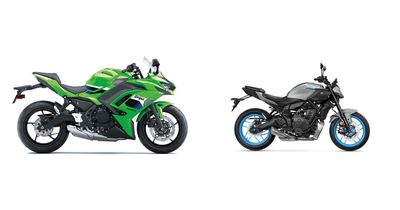
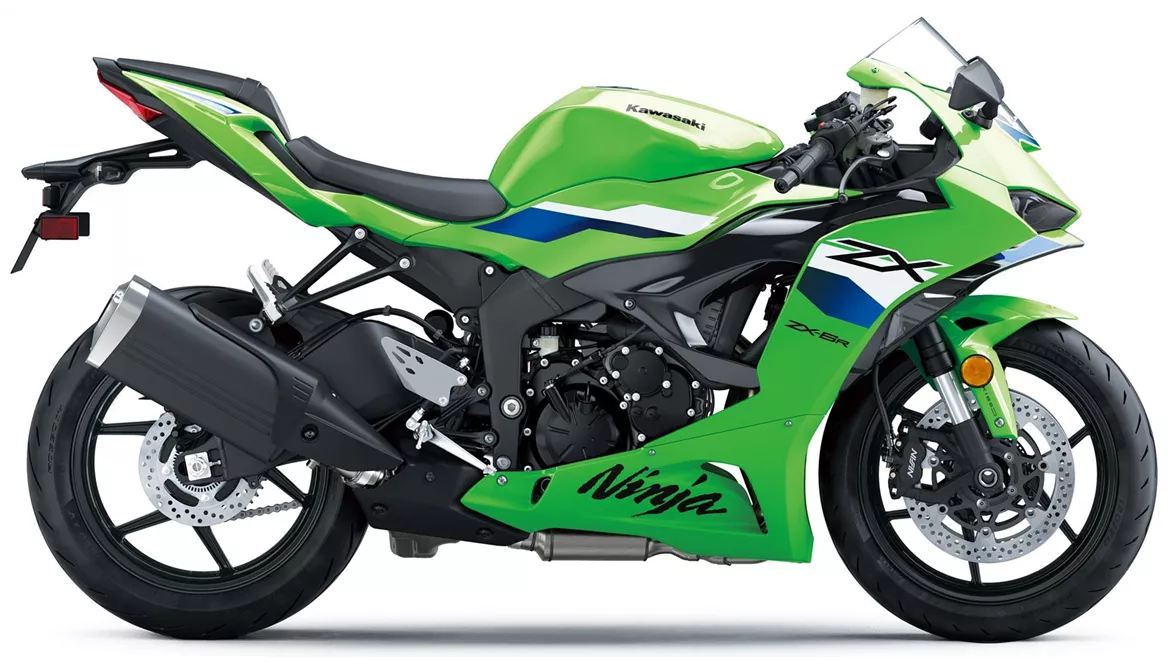
Kawasaki's Ninja ZX-6R arrives with the most significant update of the three. The 636cc engine — yes, Kawasaki has always played by slightly different rules in this class — now produces a claimed 130 horsepower and benefits from a cornering ABS system borrowed from the ZX-10R. The electronics suite also gains a new traction control mode specifically tuned for wet conditions. It remains the heaviest of the three at 196 kg wet, but Kawasaki has worked hard on mass centralisation, and the difference on the road is minimal.
2026 Yamaha YZF-R6
Yamaha's YZF-R6 is the machine most riders are most curious about, mainly because Yamaha officially pulled it from most markets in 2020 before bringing it back in limited availability. For 2026, it's fully street-legal worldwide with a Euro 5+ compliant engine, revised Öhlins electronic suspension as standard on the R6 Race variant we tested, and a connection to Yamaha's MY Ride app for data logging. It's the lightest of the three at 189 kg and, on paper, makes the least power at a claimed 118 horsepower — but as we'd discover, numbers only tell part of the story.

On the Road: Mountain Passes and Long Straights
We began with a 90-kilometre mountain route that included tight hairpins, medium-speed flowing bends, and two long open sections where you can genuinely let a 600 breathe. Immediately, the character differences between the three bikes became apparent.
The Suzuki GSX-R600 felt the most immediately comfortable and confidence-inspiring. Its steering is precise without being twitchy, and the suspension absorbed road imperfections with a suppleness that the other two couldn't quite match in their default settings. It's the bike you'd hand to a rider stepping up from a middleweight naked — approachable yet deeply capable. Throttle response is linear and rewarding, and the six-speed gearbox slots home with a mechanical satisfaction that's hard to describe and easy to love.
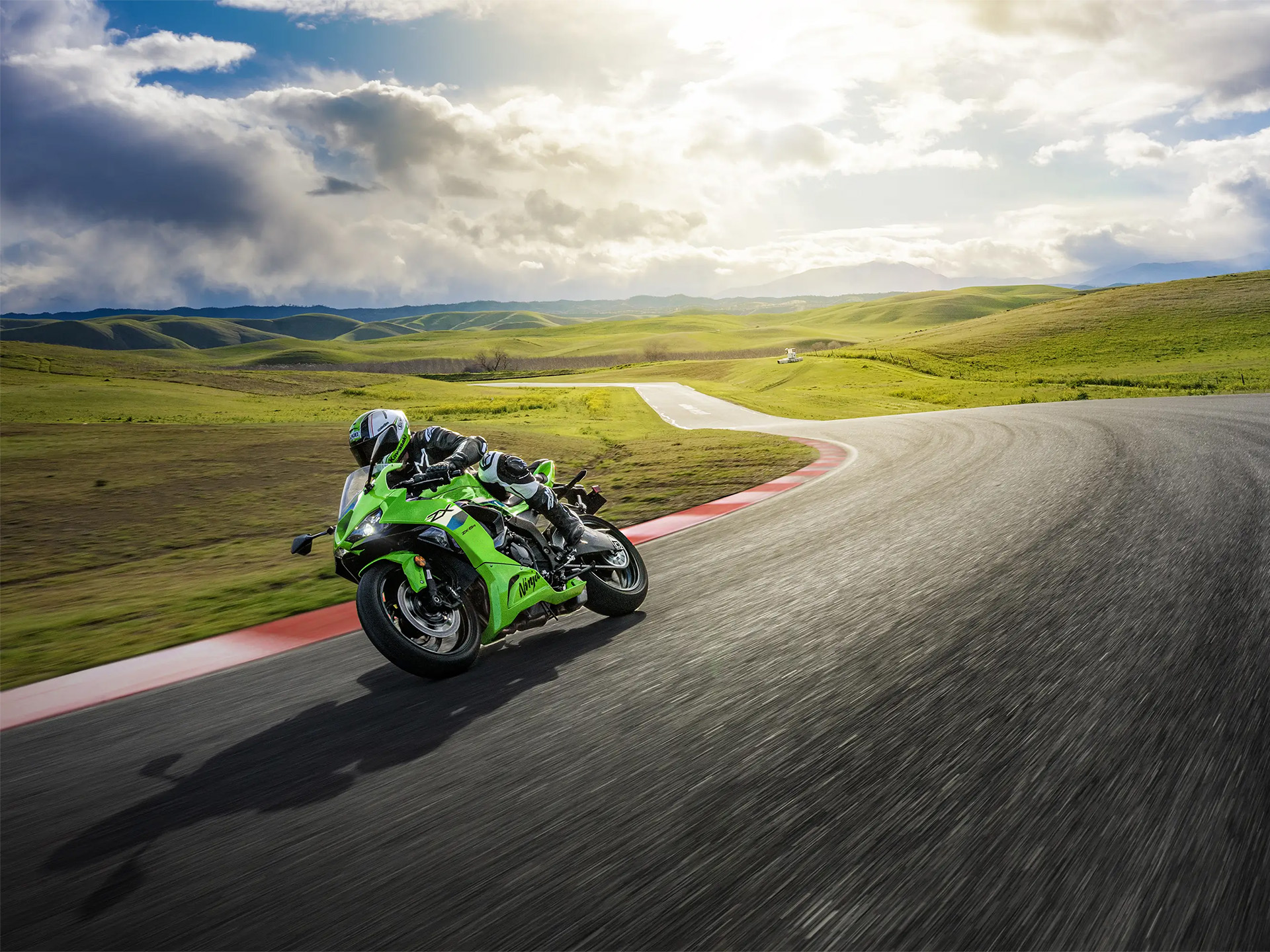
The Kawasaki Ninja ZX-6R is a different animal. That extra 36cc makes itself known almost immediately in the form of a broader, more usable spread of torque. Coming out of slower corners, the ZX-6R simply drives harder with less need to keep the revs screaming. The cornering ABS inspired real confidence on tightening bends with gravel scatter, and the wet traction control mode, while something we hoped we wouldn't need, proved genuinely effective when an unexpected rain shower rolled in on day two. The ZX-6R felt the most complete as a sports-touring machine — something you could genuinely ride to a track day and back without suffering.
The Yamaha YZF-R6 demanded the most from the rider — and rewarded accordingly. Its engine is a high-strung gem that wants to live above 10,000 rpm. Down low, it can feel slightly reluctant, almost lazy, but cross that threshold and it transforms. The R6 pulls with an urgency that makes your eyes water, right up to a 16,200 rpm redline that sounds utterly spectacular. The Öhlins suspension on the R6 Race variant was the standout hardware of the test — beautifully calibrated, communicative, and adjustable for every type of road. This is the bike for the rider who has already mastered the basics and wants to be pushed further.
Track Session: Where the Differences Sharpen
A half-day at a local circuit was always going to expose the real personalities of these machines. All three are at home on track — that's genuinely true — but the pecking order shifted slightly compared to the road.
The Yamaha YZF-R6's high-revving character came into its own here. Lap after lap, its chassis balance and precise steering geometry rewarded committed riding. The Kawasaki Ninja ZX-6R's extra torque remained a genuine advantage out of slower chicanes and hairpins. The Suzuki GSX-R600, while slightly down on outright lap time potential, was the one bike every test rider felt comfortable pushing hard on their first flying lap — a testament to how well sorted its chassis is.
Verdict: Which Is the Best All-Rounder?
- Suzuki GSX-R600 — Best for: Riders who want a polished, approachable machine that excels on the road with genuine track ability. The easiest bike in this group to live with every day.
- Kawasaki Ninja ZX-6R — Best for: Riders who want the most complete package. The broadest power spread, best electronics suite, and the most capable wet-weather performer. The true all-rounder of the three.
- Yamaha YZF-R6 — Best for: Experienced riders who want the highest ceiling. The most rewarding at the limit, the lightest, and the most exotic feeling. Not for the faint-hearted on cold mornings.
If forced to pick one winner for the title of best all-rounder, we'd hand it — narrowly — to the 2026 Kawasaki Ninja ZX-6R. Its wider powerband, class-leading electronics, and genuine road comfort give it a versatility that the other two can't quite match across every scenario. But the honest truth is that the gap between all three bikes has never been smaller. Any of them would make a spectacular choice, and the 600cc class is richer for having all three fighting at the top of their game.