Three Bikes, One Day, One Winner
The entry-level naked bike segment has never been more competitive. For 2026, three machines stand tall above the crowd: the Yamaha MT-07, the Honda CB750 Hornet, and the Kawasaki Z650. Each promises to be the ideal first serious street bike — approachable enough for newer riders yet engaging enough to grow into. We spent a full day riding all three back-to-back on the same mixed route of city streets, sweeping A-roads, and a stretch of motorway to find out which one actually delivers on that promise.
Our test rider had three years of experience under their belt, giving us a useful perspective that sits right in the target demographic for these machines. Here's what we found.
The Contenders at a Glance
Yamaha MT-07
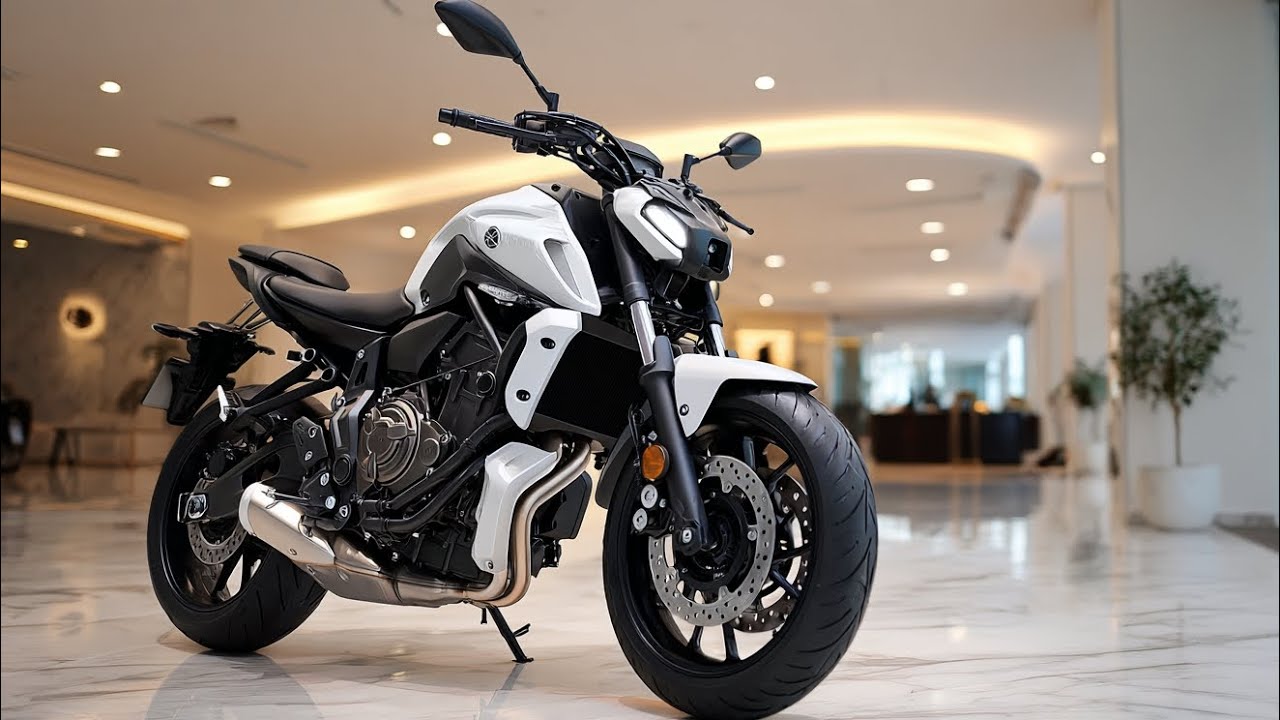
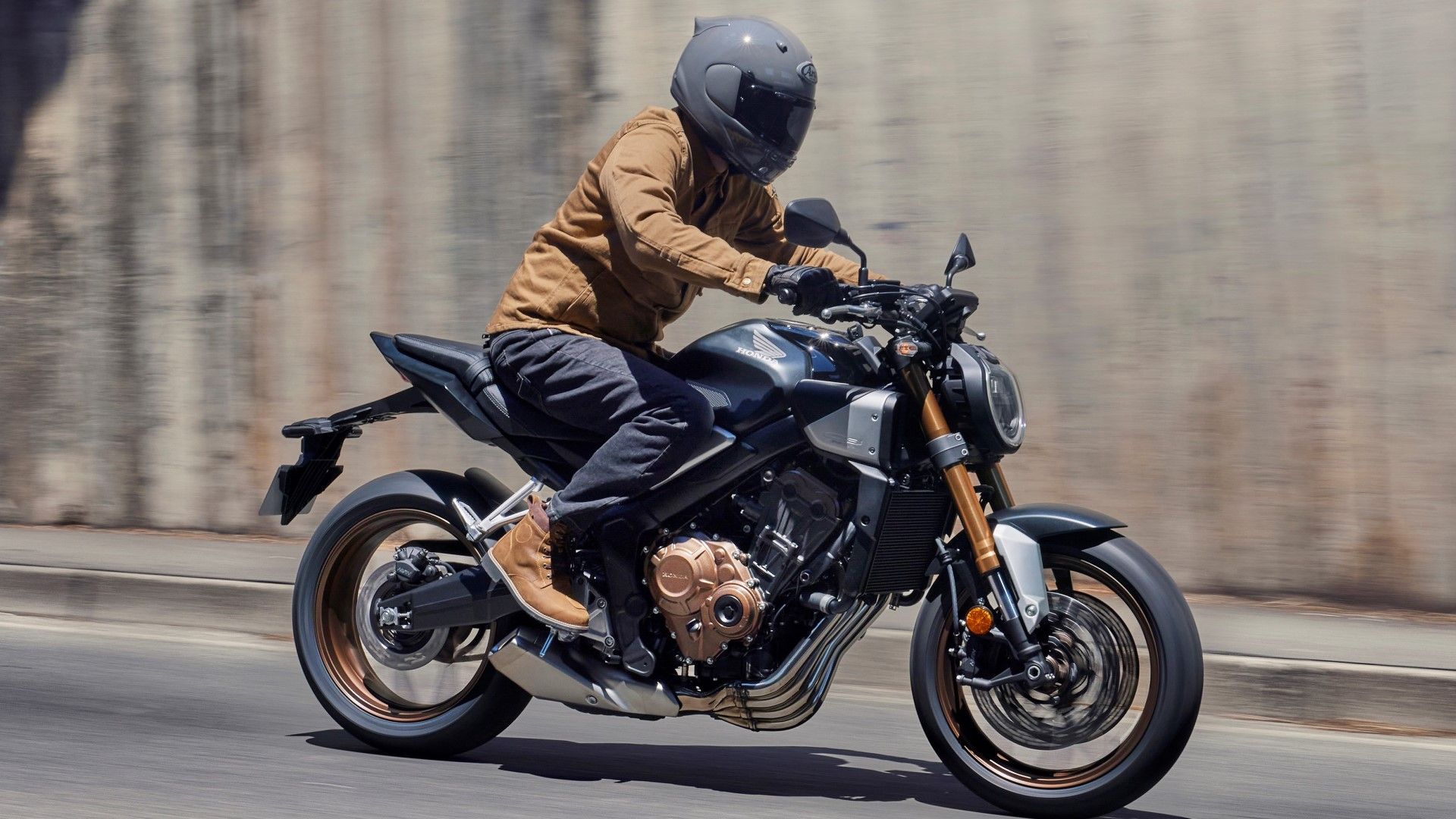
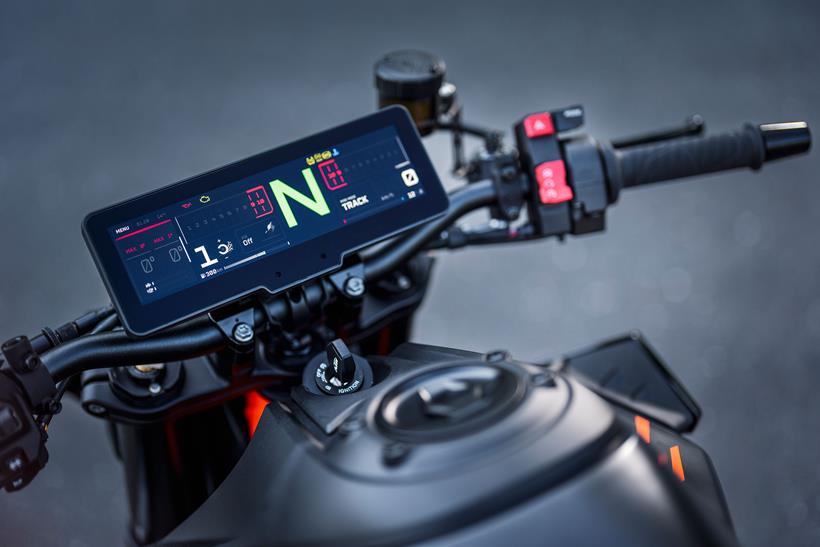
The MT-07 is the elder statesman of this trio and arguably the bike that defined the modern middleweight naked category when it launched over a decade ago. For 2026, Yamaha has refined the package with updated electronics, a revised TFT display, and subtle chassis tweaks. The 689cc parallel-twin produces around 73 horsepower — the most in this group — and that crossplane-concept crank character gives it a torque delivery that feels muscular and addictive from low revs. Curb weight sits at approximately 184 kg wet, making it the heaviest of the three by a small margin.
Honda CB750 Hornet
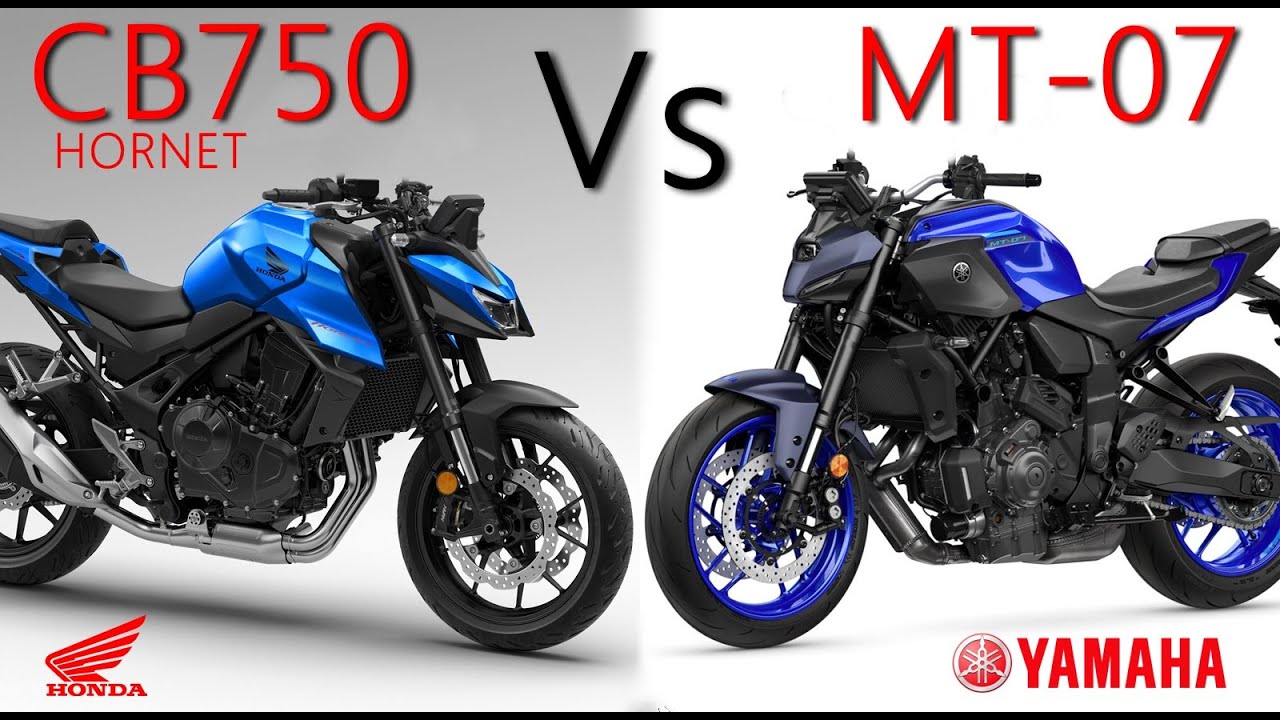
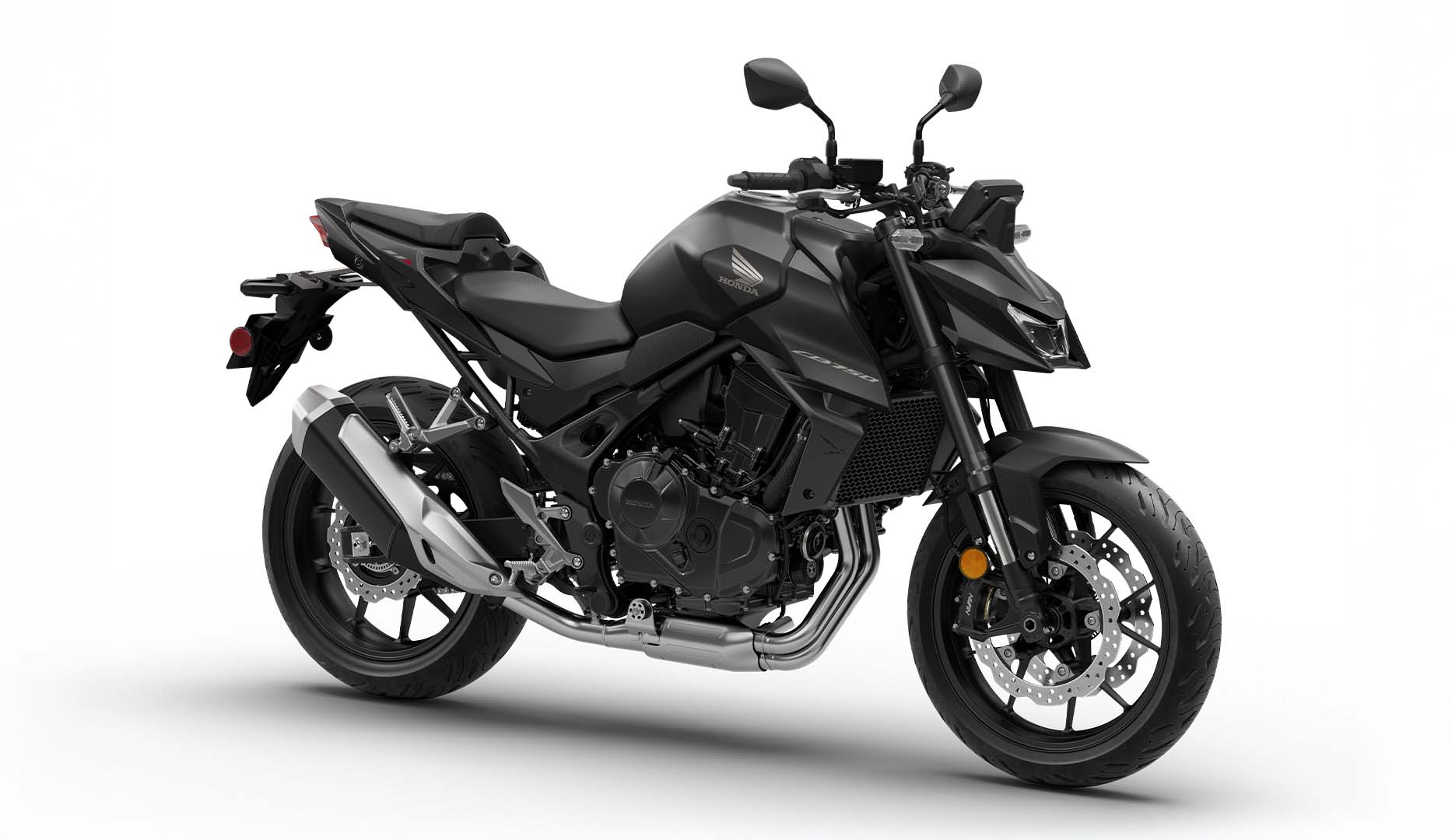
Honda's CB750 Hornet returned in recent years as a modern reinterpretation of the legendary nameplate, and for 2026 it's refined into a genuinely well-rounded machine. Powered by a 755cc parallel-twin shared with the Forza 750 scooter, it produces roughly 92 horsepower — making it the most powerful bike here on paper. Honda's HESD steering damper and a comprehensive electronics package including three riding modes, traction control, and a Honda Selectable Torque Control system come standard, giving the Hornet a premium feel that punches above its class.
Kawasaki Z650
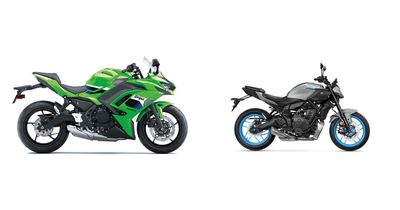
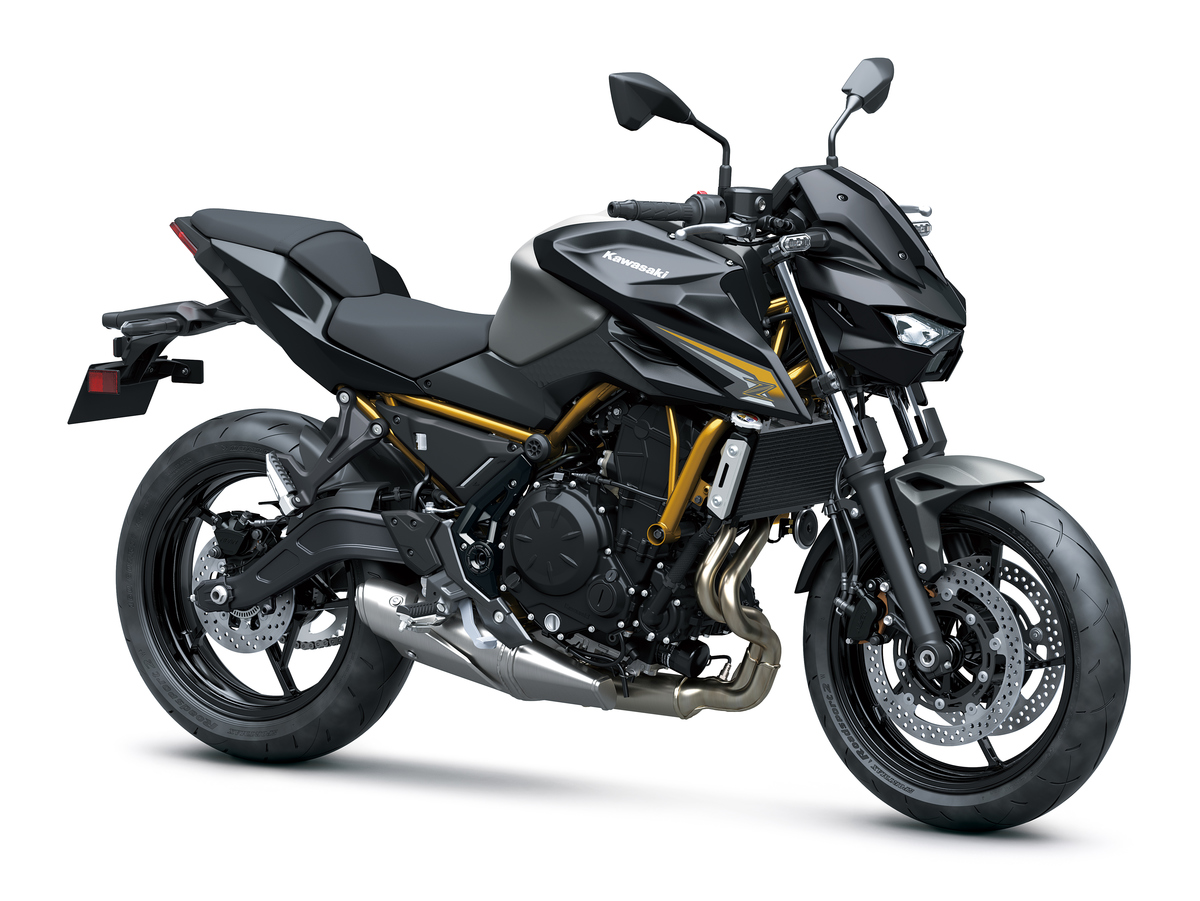
The Kawasaki Z650 is the lightest and most compact machine in this test, tipping the scales at around 168 kg wet. Its 649cc parallel-twin makes approximately 68 horsepower, putting it slightly behind its rivals on numbers alone. But Kawasaki has always known how to tune an engine for real-world rideability, and the Z650's powerplant is characterful, smooth, and linear in a way that immediately inspires confidence. For 2026, Kawasaki has added a revised instrument cluster and updated colour options, keeping the Z650 fresh without changing its fundamentally honest character.
Ergonomics and First Impressions
Swing a leg over all three in quick succession and the differences become immediately apparent. The MT-07 feels the widest and most substantial, with a slightly higher seat height that can feel intimidating for shorter riders. The handlebar position is wide and commanding, putting you in an aggressive but never uncomfortable riding stance. The CB750 Hornet sits somewhere in the middle — its ergonomics feel the most carefully considered of the three, with a natural triangle between seat, pegs, and bars that works for a wide range of body types. The Z650, meanwhile, feels almost slim and nimble by comparison. Its lower seat height and narrower profile make it the friendliest at parking lot speeds, and riders who are still building their confidence will appreciate how easy it is to manage at a standstill.
On the Road: Engines and Handling
Out on the road, the MT-07's parallel-twin is the most characterful of the three. There's a genuine sense of urgency when you crack the throttle open in the mid-range, and the torque delivery has a slight lumpiness that keeps you engaged rather than bored. It's the most exciting engine here, but it also demands a little more respect. Beginners who haven't fully developed smooth throttle control might find themselves surprised by its enthusiasm in the lower gears.
The CB750 Hornet's engine is the smoothest and most refined. Power delivery is linear and predictable, and the electronics suite provides a genuine safety net without being intrusive. In the gentler riding mode it becomes almost perfectly docile, making it easy to build confidence before gradually exploring its full potential. That said, some riders in our group felt it lacked a little soul compared to the Yamaha — it's an impressive engine, but it doesn't excite the senses in quite the same way.
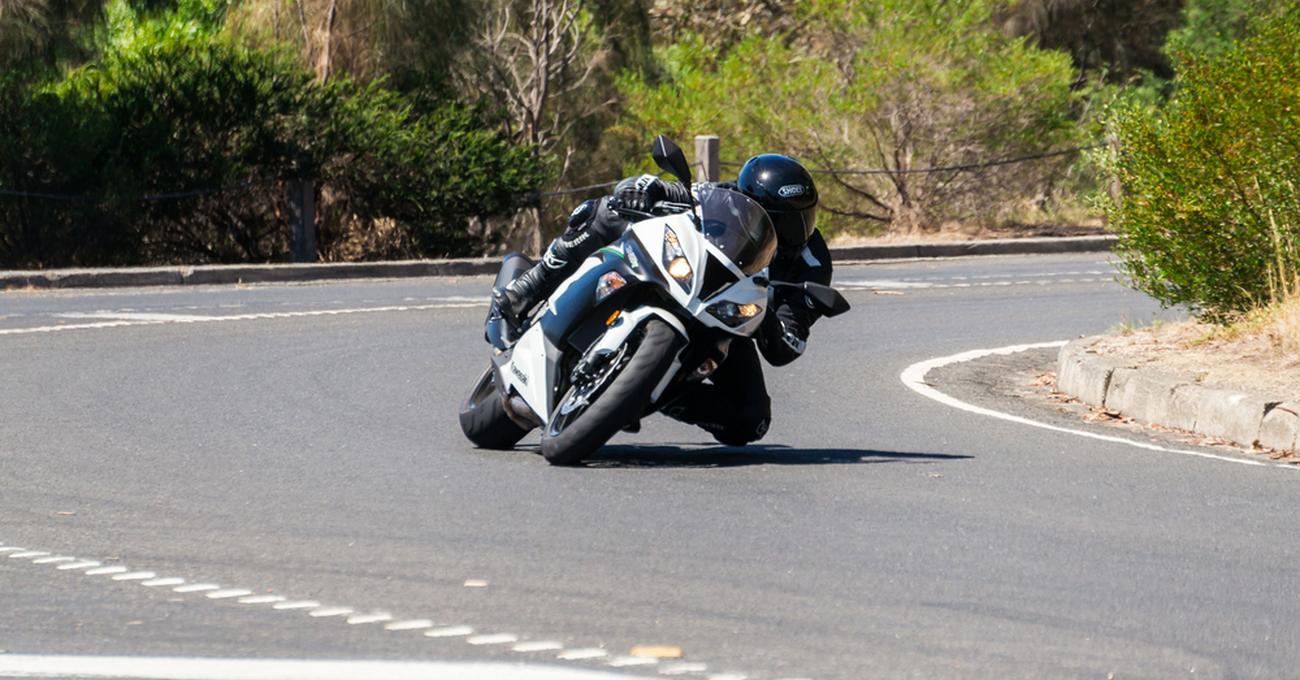
The Z650 splits the difference in the best possible way. Its engine is characterful enough to be engaging but smooth enough to never catch you out. Power comes on in a friendly, progressive arc that makes it genuinely easy to ride fast without ever feeling like the bike is fighting you. Through tight urban chicanes and sweeping bends alike, the Z650 felt like a cooperative partner rather than a machine that needed to be tamed.
Handling-wise, all three acquit themselves well. The MT-07's chassis has genuine sports bike DNA and rewards skilled riders who want to push harder. The Hornet's HESD steering damper gives it a planted, stable feel at higher speeds that builds confidence. The Z650, being the lightest, is simply the easiest to place accurately through a sequence of bends — it changes direction with a lightness that makes riding it effortlessly fun.
Technology and Features
- Yamaha MT-07: TFT display, two riding modes, traction control, assist and slipper clutch.
- Honda CB750 Hornet: TFT display, three riding modes, Honda Selectable Torque Control, HESD steering damper, wheelie control.
- Kawasaki Z650: Revised LCD display, two riding modes, traction control, assist and slipper clutch.
The Hornet is the clear winner on technology. Honda has packed it with electronics that would have been remarkable on a much more expensive bike just a few years ago. The Z650 is the most straightforward, which some riders will actually prefer — there's less to think about and more riding to do.
Value and Running Costs
Pricing varies by market and dealer, but as a general rule the Z650 comes in as the most accessible entry point, followed by the MT-07, with the CB750 Hornet commanding a small premium that reflects its more comprehensive features list. Insurance costs are broadly similar across the three, though the Z650's lower power output may offer marginal savings in some markets. All three have strong dealer networks and good parts availability, so long-term ownership costs should be comparable.
The Verdict
Choosing a winner here genuinely depends on what you value most as a rider. If outright excitement and a bike you'll want to keep for years as you grow, the Yamaha MT-07 remains a brilliant choice — it's the most engaging machine here and rewards every improvement in skill. If you want the most comprehensive package with the best electronics safety net and a premium finish, the Honda CB750 Hornet is hard to argue with. But if pure beginner-friendliness combined with genuine fun and the lowest barrier to entry is your priority, the Kawasaki Z650 edges ahead. It's the easiest to ride well from day one, the lightest to manage, and characterful enough to keep putting a smile on your face long after the novelty wears off. For 2026, it's our pick for the best all-round entry-level naked bike.