Why Motorcycle Electronics in 2026 Actually Matter
There was a time when experienced riders scoffed at electronic rider aids. Traction control felt intrusive, ABS was clunky, and anything beyond a fuel-injection map was considered unnecessary complexity. That era is over. The electronics packages arriving on 2026-model motorcycles are so sophisticated, so seamlessly integrated, and so genuinely effective that dismissing them is now the riskier choice. After spending two days on a closed circuit and several hundred miles on public roads with 10 different bikes, we can say with confidence: the right electronics package can make almost any rider faster and, more importantly, substantially safer.

We evaluated each system across six criteria: intervention smoothness, cornering-phase accuracy, rider configurability, feedback quality, track-day usefulness, and everyday road transparency. Here's what we learned.
The Test Field: 10 Bikes, 10 Electronics Philosophies
Our lineup spanned the spectrum from sport to adventure, because great electronics should work everywhere. We tested the Ducati Panigale V4 S, BMW S 1000 RR, Aprilia RSV4 Factory, Honda CBR1000RR-R Fireblade SP, Kawasaki Ninja ZX-10R SE, Yamaha YZF-R1M, KTM 1290 Super Duke R EVO, BMW R 1300 GS Adventure, Triumph Tiger 1200 GT Pro, and the Aprilia Tuono V4 Factory. Each bike was ridden in its default settings first, then with systems tuned to our preferences, to understand both out-of-box behavior and ceiling potential.
Cornering ABS: The Technology That Changed Everything
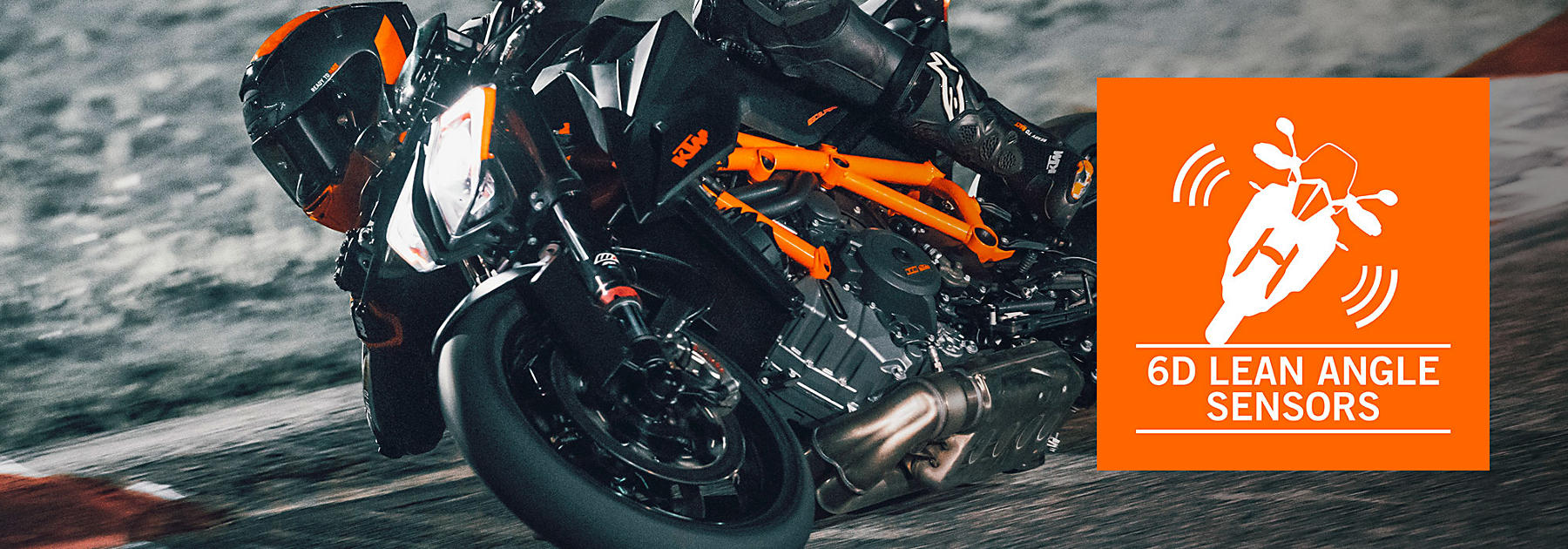
Standard ABS only measures wheel lock-up on an upright axis. Cornering ABS — sometimes called lean-sensitive ABS — uses inertial measurement units (IMUs) to detect the motorcycle's lean angle in real time and modulate brake pressure accordingly. Brake too hard mid-corner on a bike without cornering ABS, and you risk the front wheel tucking. With a good cornering ABS system, that same panic grab gets managed intelligently.
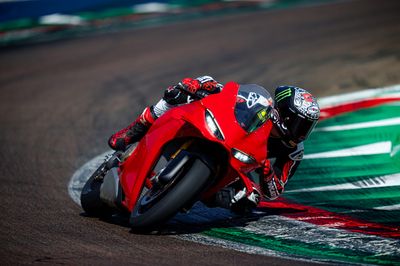
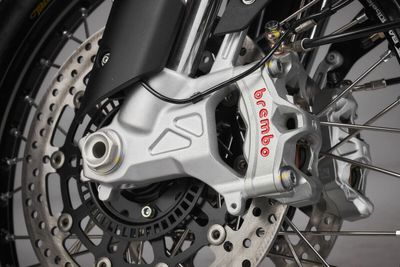
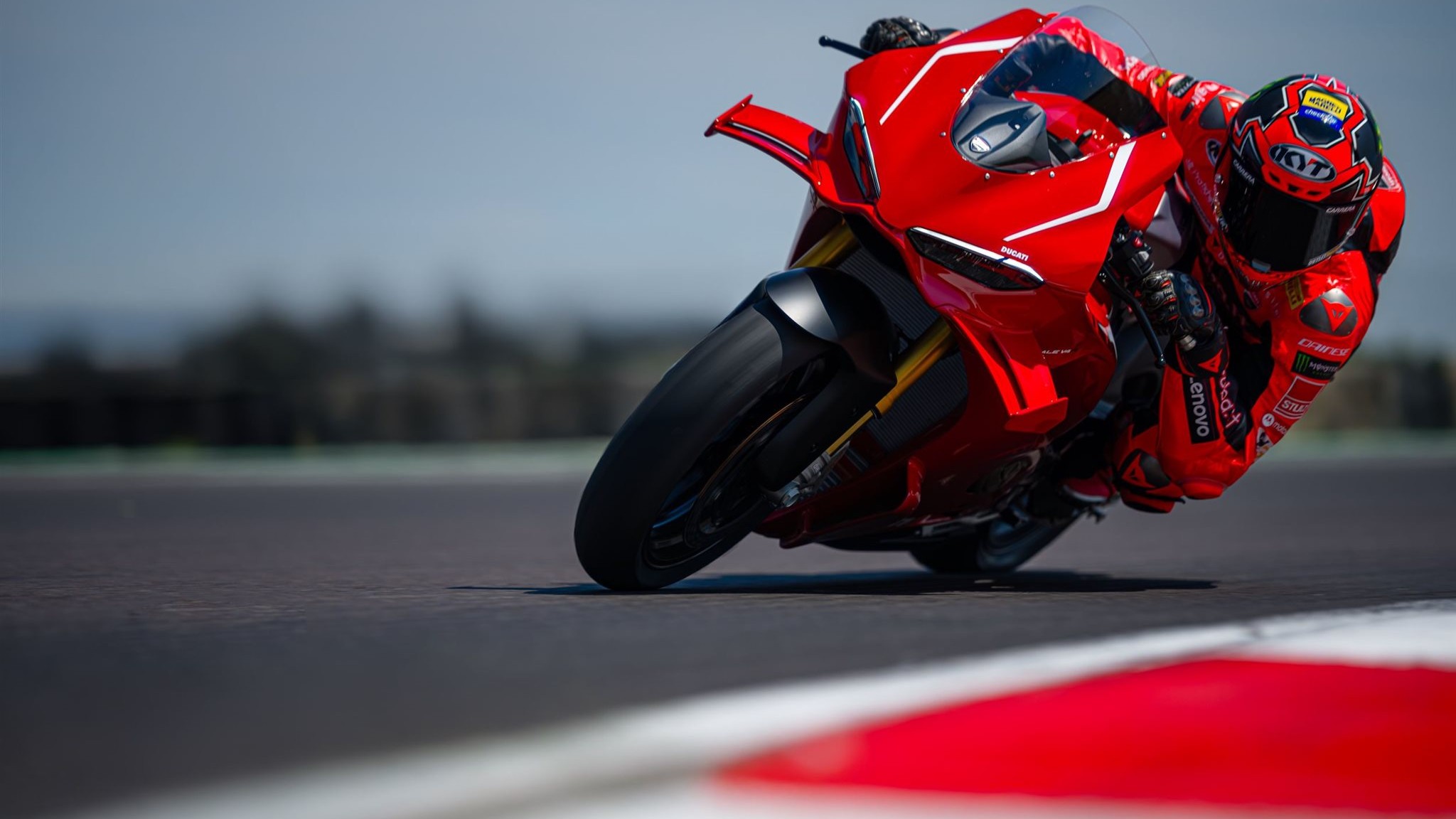
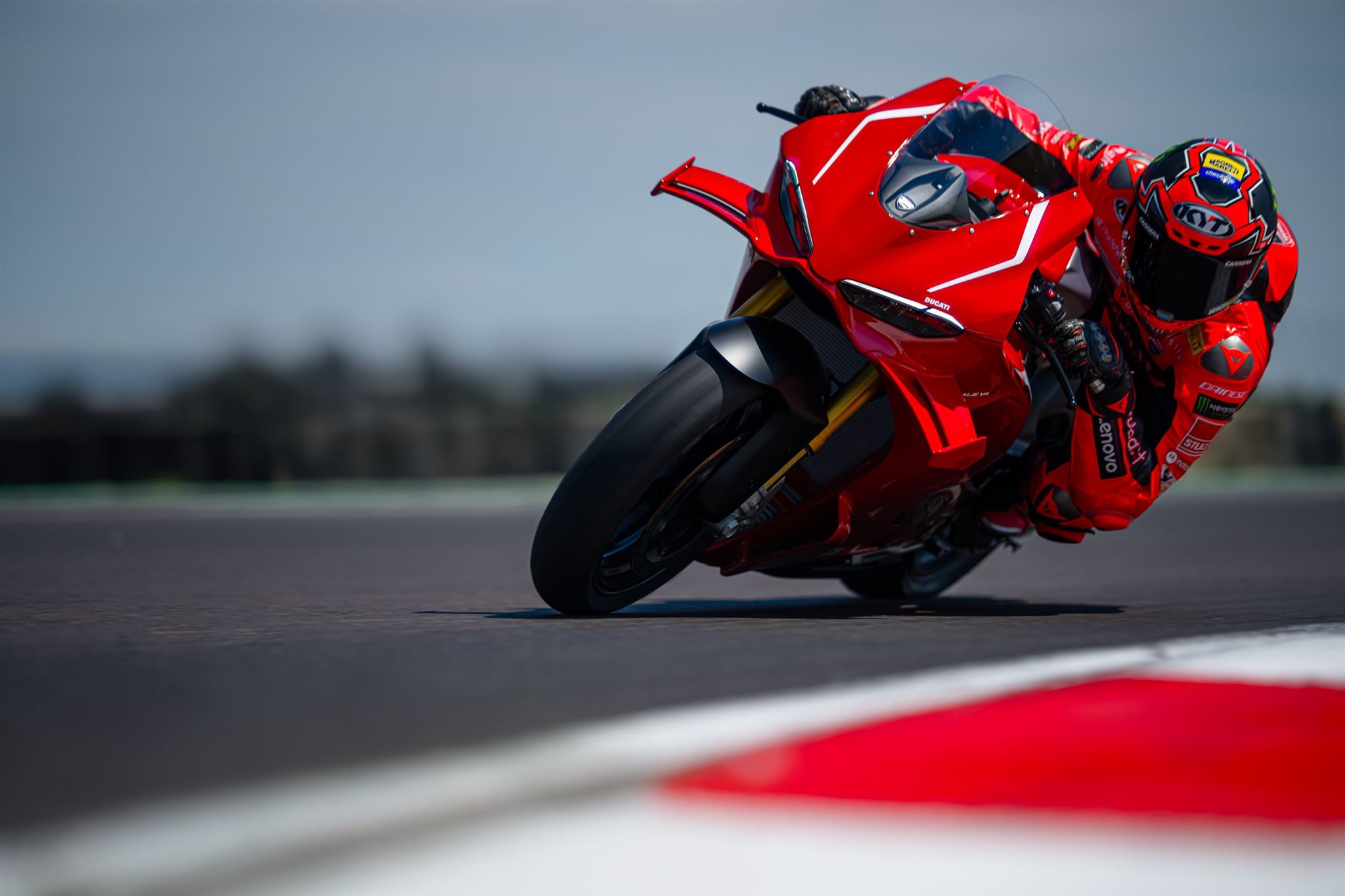
The Ducati Panigale V4 S running Bosch Cornering ABS EVO delivered the most transparent intervention we tested. Even on the brakes deep into a late apex, the system communicated through the lever rather than simply cutting in silently. Riders could feel what the electronics were doing, which built trust rapidly. The BMW S 1000 RR's system was equally capable but slightly more aggressive in threshold braking scenarios — a characteristic some track riders may actually prefer.
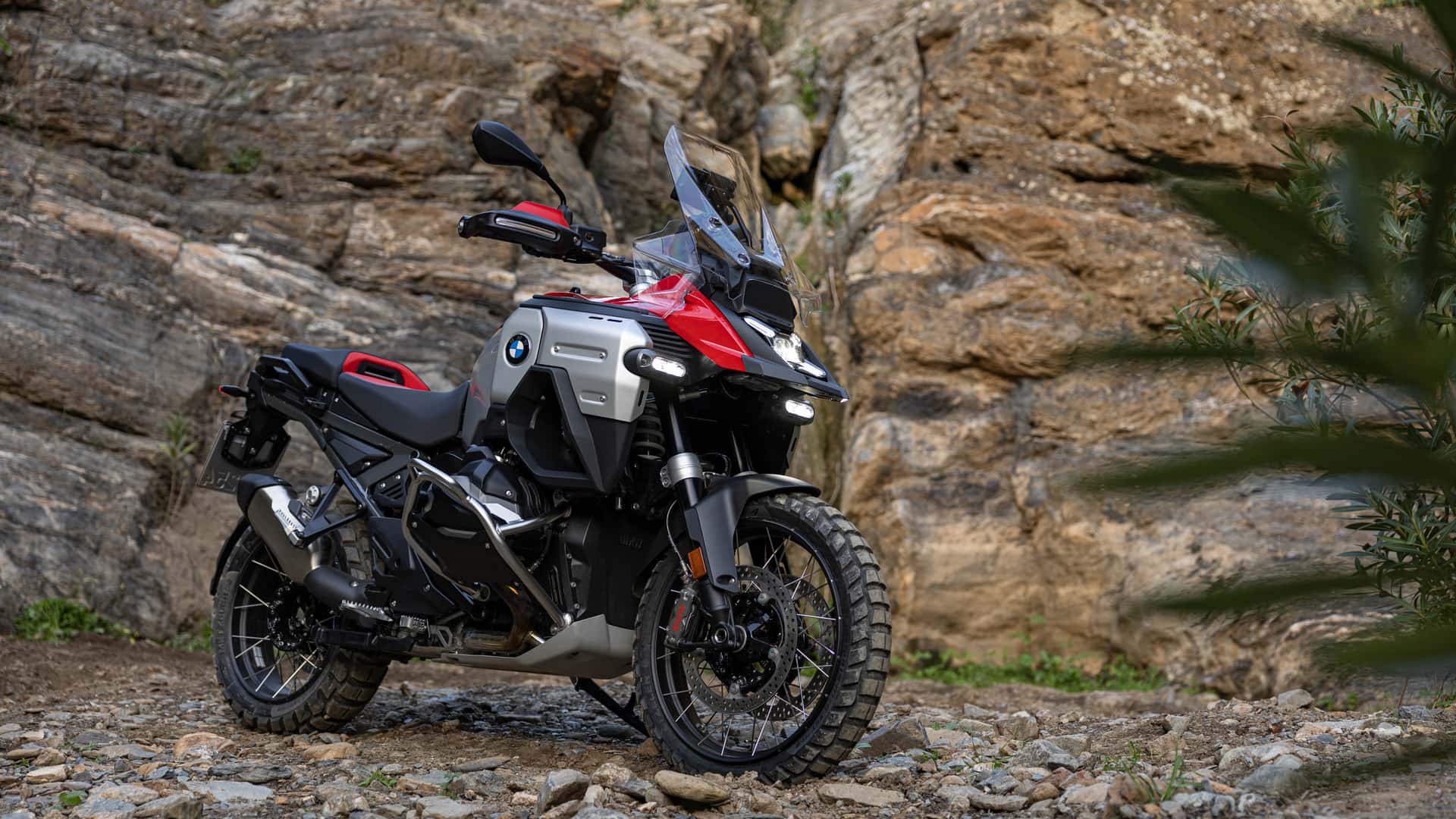
At the other end of the spectrum, the BMW R 1300 GS Adventure and Triumph Tiger 1200 GT Pro showed how cornering ABS translates to adventure riding. On a gravel-strewn off-camber corner, the Tiger's system allowed the rear to step out slightly before reigning in brake pressure — a nuance that felt natural rather than robotic. Adventure riders in particular will appreciate systems that tolerate a degree of controlled sliding rather than cutting power at the first sign of instability.
Traction Control: From Blunt Instrument to Surgical Tool
Modern traction control is no longer a simple on/off kill switch for rear-wheel spin. The best 2026 systems compare wheel speeds, throttle position, lean angle, engine load, and even GPS-based corner mapping to make thousands of micro-decisions per second. The result is a system that can allow a performance rider to power out of a corner with a deliberately aggressive throttle while still catching a genuine loss of traction before it becomes a crash.
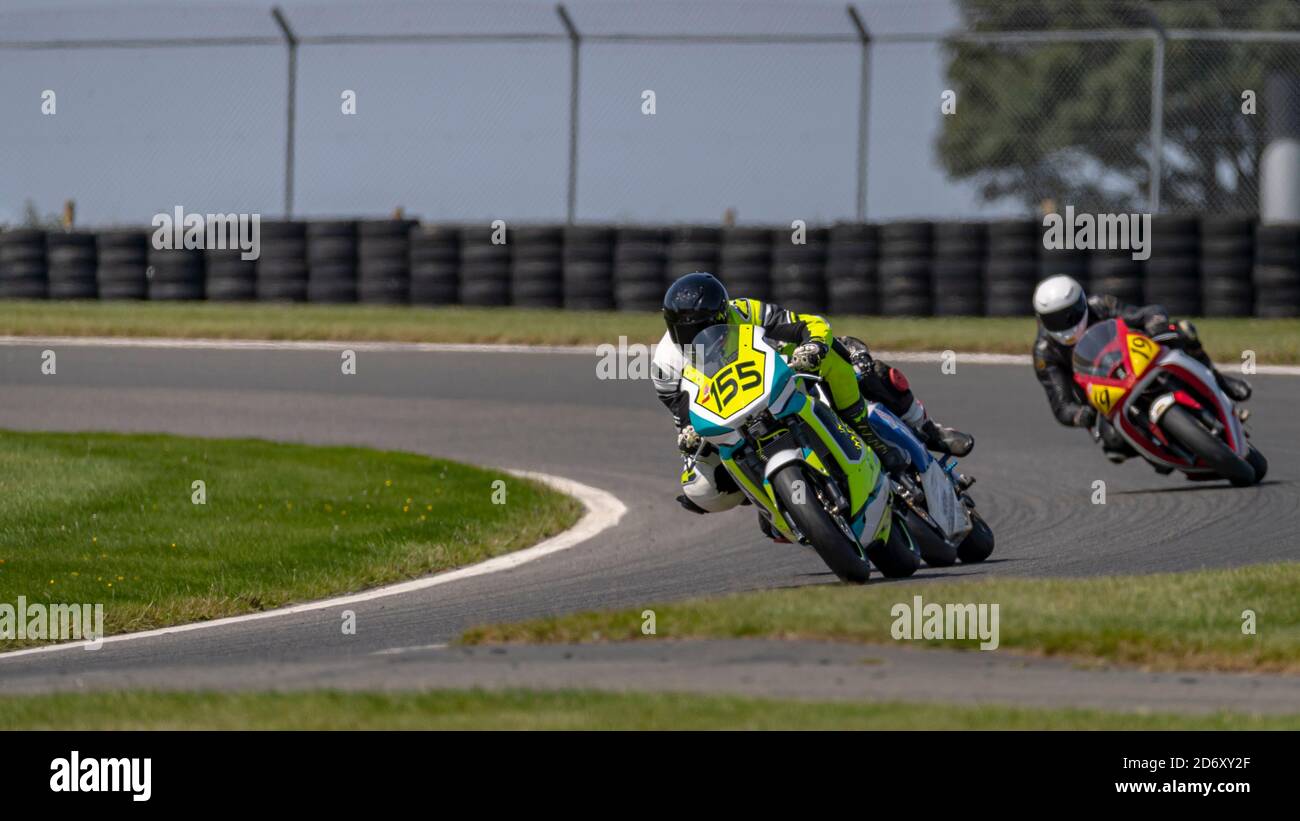
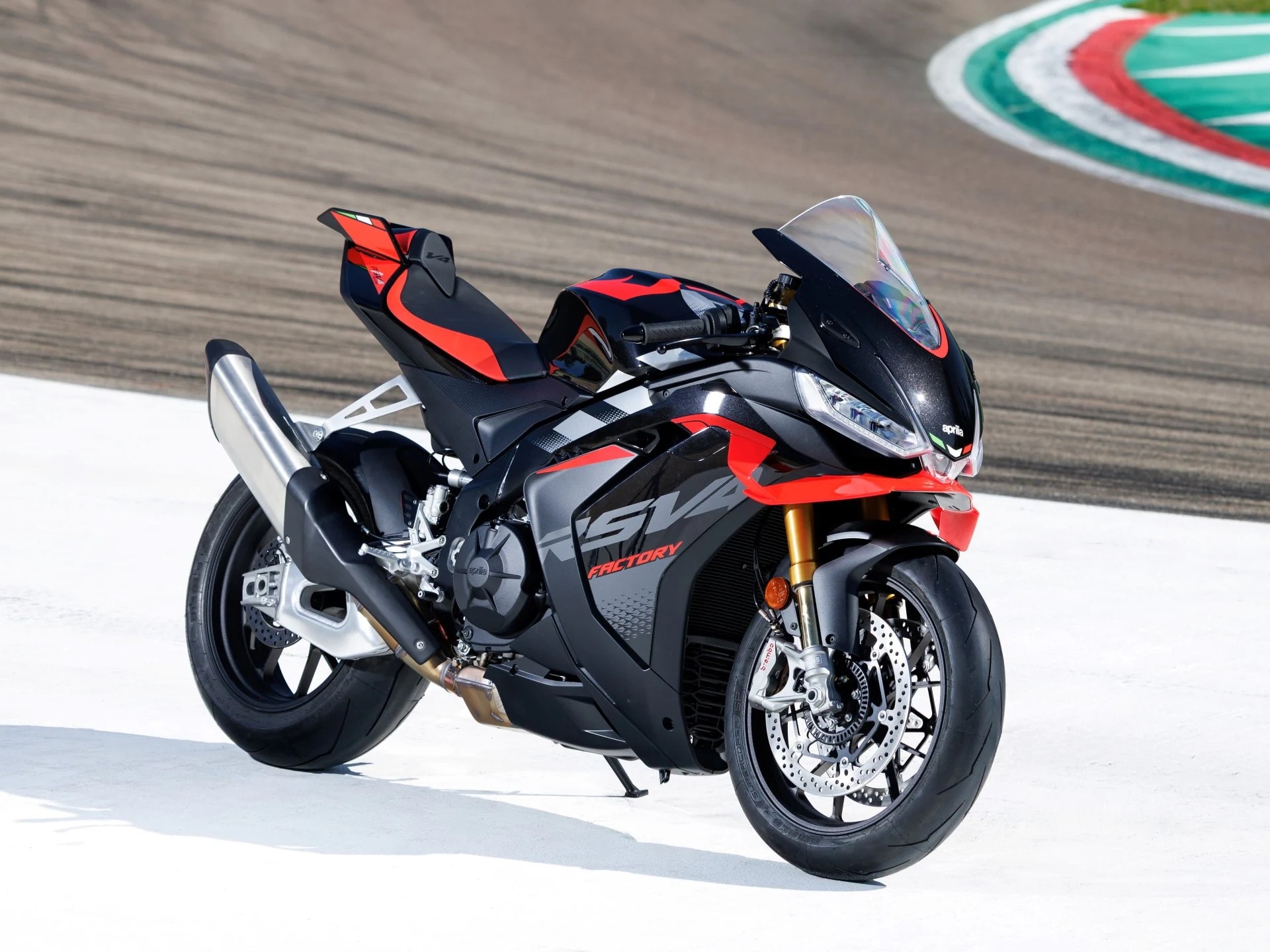
The Aprilia RSV4 Factory running APRC (Aprilia Performance Ride Control) remains a benchmark. Its eight-level traction control allows expert track riders to dial in meaningful rear-wheel slip angles without the system cutting in prematurely, while the lower settings provide a firm safety net for road use. We spent considerable time in levels 3 and 4 on circuit and found the system addictively communicative — you could feel the rear working without ever losing confidence.
The Yamaha YZF-R1M takes a different approach with its data-driven IMU system and six-axis sensor suite. On track, the R1M's traction control felt slightly more conservative than the Aprilia's but was arguably more forgiving for riders still learning their limits — an important distinction. The Kawasaki Ninja ZX-10R SE with its Showa electronic suspension integration added another dimension: the traction control and suspension work in tandem, stiffening damping at the moment of TC intervention to keep the chassis stable.
The Standout Systems of 2026
Best Overall: Ducati Panigale V4 S
Ducati's EVO 3.0 electronics suite is the most complete package we tested. Cornering ABS, eight-level TC, wheelie control, slide control, engine brake control, and the brilliant Quick Shift EVO system all work in harmony. On track it's a performance multiplier; on the road it's invisible until you need it.
Best for Everyday Riders: BMW R 1300 GS Adventure
BMW's Dynamic ESA, cornering ABS, and Hill Start Control form an electronics package optimized for real-world versatility. The system's ability to read terrain type and adjust intervention thresholds accordingly is genuinely impressive for a bike that will spend most of its life nowhere near a racetrack.
Best Track-Focused System: Aprilia RSV4 Factory
Pure configurability and genuine performance enhancement make the RSV4 Factory's APRC suite the choice for serious track riders. The granular control and high-quality IMU data give skilled riders the tools to push harder with confidence.
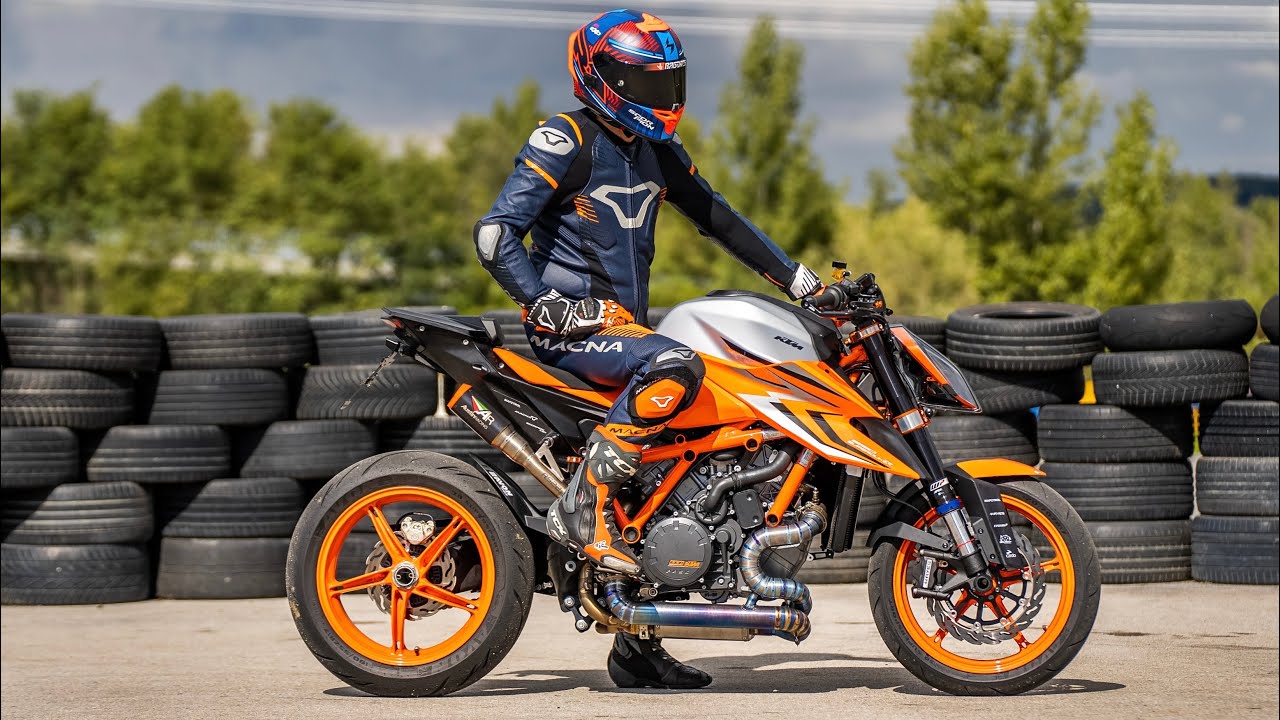
Best Budget-Friendly Electronics: KTM 1290 Super Duke R EVO
KTM proves you don't need to spend hypercar money to get hypercar electronics. The Super Duke's cornering ABS and nine-level TC system punch well above its price point, and the Rally, Sport, and Street modes offer real-world flexibility.
What the Data Told Us
Beyond subjective impressions, our data loggers revealed something important: riders using well-tuned electronics packages consistently posted faster lap times than the same riders running systems in their most aggressive or most restrictive settings. The sweet spot — where electronics support without interfering — produced the best results every time. This confirms what the best rider coaches already know: electronics are a tool, not a crutch, and learning to work with them rather than against them is the modern skill set every rider needs to develop.
Choosing the Right Electronics Package for You
- Track-focused riders should prioritize configurable TC levels, slide control, and cornering ABS with high intervention thresholds.
- Sport-touring riders benefit most from seamless cornering ABS, adaptive cruise integration, and multiple road-use modes.
- Adventure riders need systems that tolerate off-road conditions, including gravel-mode ABS and terrain-sensitive TC calibration.
- New and intermediate riders should look for systems with a wide range of settings and strong default modes that err on the side of caution.
Final Verdict: Electronics Are Now Essential
The 2026 crop of traction control and cornering ABS systems represents a genuine leap forward. These are no longer features for nervous beginners or marketing checkboxes for manufacturers. They are sophisticated, rider-enhancing technologies that make fast riders faster and safe riders safer — sometimes simultaneously. If you're in the market for a new motorcycle this year, the electronics package deserves as much scrutiny as the engine spec or the suspension setup. The bikes that get this right aren't just better to ride. They're transforming what's possible on two wheels.