The Confusion Is Real — And Expensive
Walk into any dealership in 2026 and you'll find bikes wearing the labels 'dual sport' and 'adventure' almost interchangeably. Marketing copy doesn't help. Manufacturers love to blur the lines because it sells more bikes to more people. But for the rider standing at the counter, the difference is absolutely critical. Getting it wrong can mean thousands of dollars sunk into a machine that fights you every time you ride.
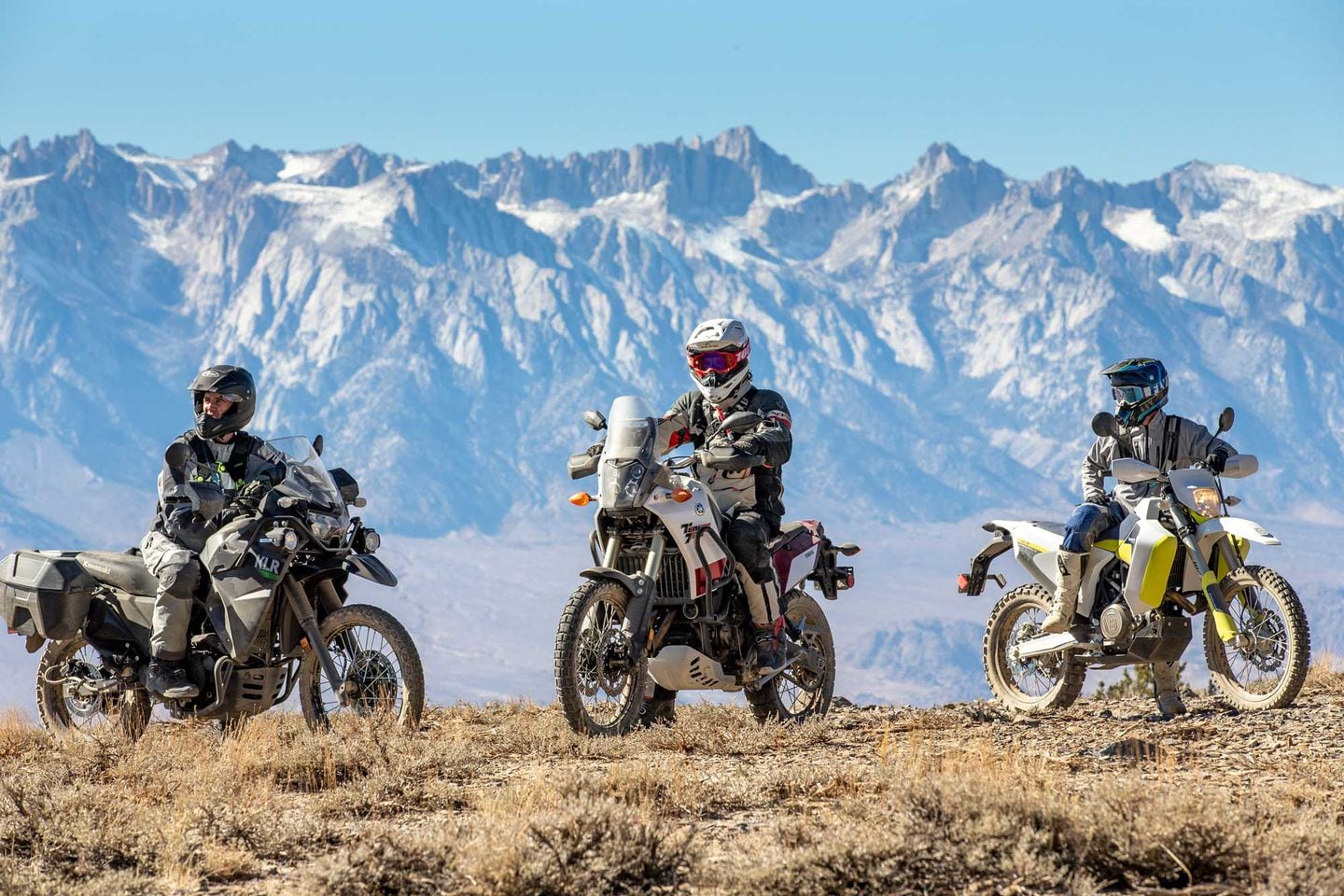
Let's cut through the noise and talk about what these two categories actually mean, where they overlap, and — most importantly — which one suits your riding life in 2026.
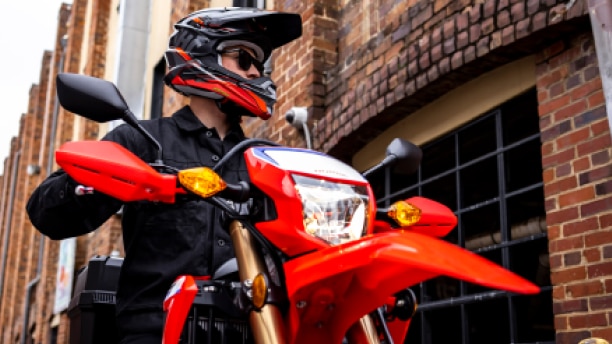
What Is a Dual Sport Motorcycle?
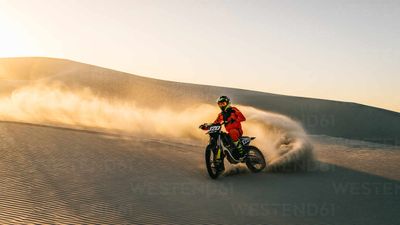
A dual sport motorcycle is, at its core, a dirt bike with just enough street equipment to make it road legal. Think lights, mirrors, a horn, and a license plate bracket bolted onto a machine that was engineered to tear through trails, forest roads, and rough terrain first and foremost.
The defining characteristics of a true dual sport include:
- Lightweight construction — Most dual sports weigh between 250 and 380 lbs wet. That low mass is intentional and critical.
- Long-travel suspension — Forks and shocks with 10 to 12 inches of travel designed to absorb serious off-road punishment.
- Narrow, upright ergonomics — A slim chassis lets you grip the bike with your knees standing on the pegs, essential for technical terrain.
- Knobby tires — Mounted on spoke wheels, usually 21-inch front and 18-inch rear, optimized for dirt traction.
- Modest engines — Typically 250cc to 690cc singles or parallel twins tuned for low-end torque over outright top speed.
Classic examples include the Honda CRF300L, the Kawasaki KLX300, and the legendary KTM 690 Enduro R. These bikes are happy on a fire road or a single track. They are not happy on a 500-mile interstate slab at 80mph for five hours straight.
What Is an Adventure Motorcycle?
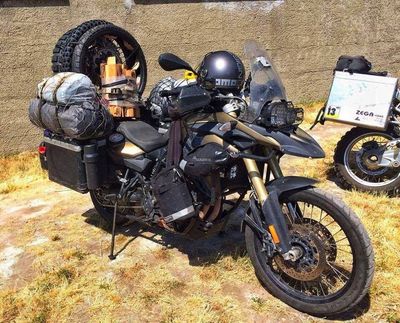
An adventure motorcycle — often called an ADV bike — is fundamentally a touring motorcycle that has been designed with the visual language and some of the capability of off-road riding. The emphasis, in most cases, is squarely on long-distance comfort and versatility with off-road capability as a secondary feature.
Adventure bikes typically feature:
- Significant weight — Most mid-to-large ADV bikes land between 450 and 600 lbs. Some loaded tourers exceed that.
- Larger engines — Parallel twins, V-twins, and triples displacing 650cc to 1300cc are the norm, tuned for smooth highway cruising and strong mid-range pull.
- Wind protection — Tall fairings, adjustable windscreens, and hand guards for all-day comfort in the elements.
- Technology packages — Cornering ABS, traction control, multiple ride modes, semi-active suspension, and connectivity features are increasingly standard.
- Luggage integration — Pannier mounts, top case provisions, and tank bag compatibility are designed in from the factory.
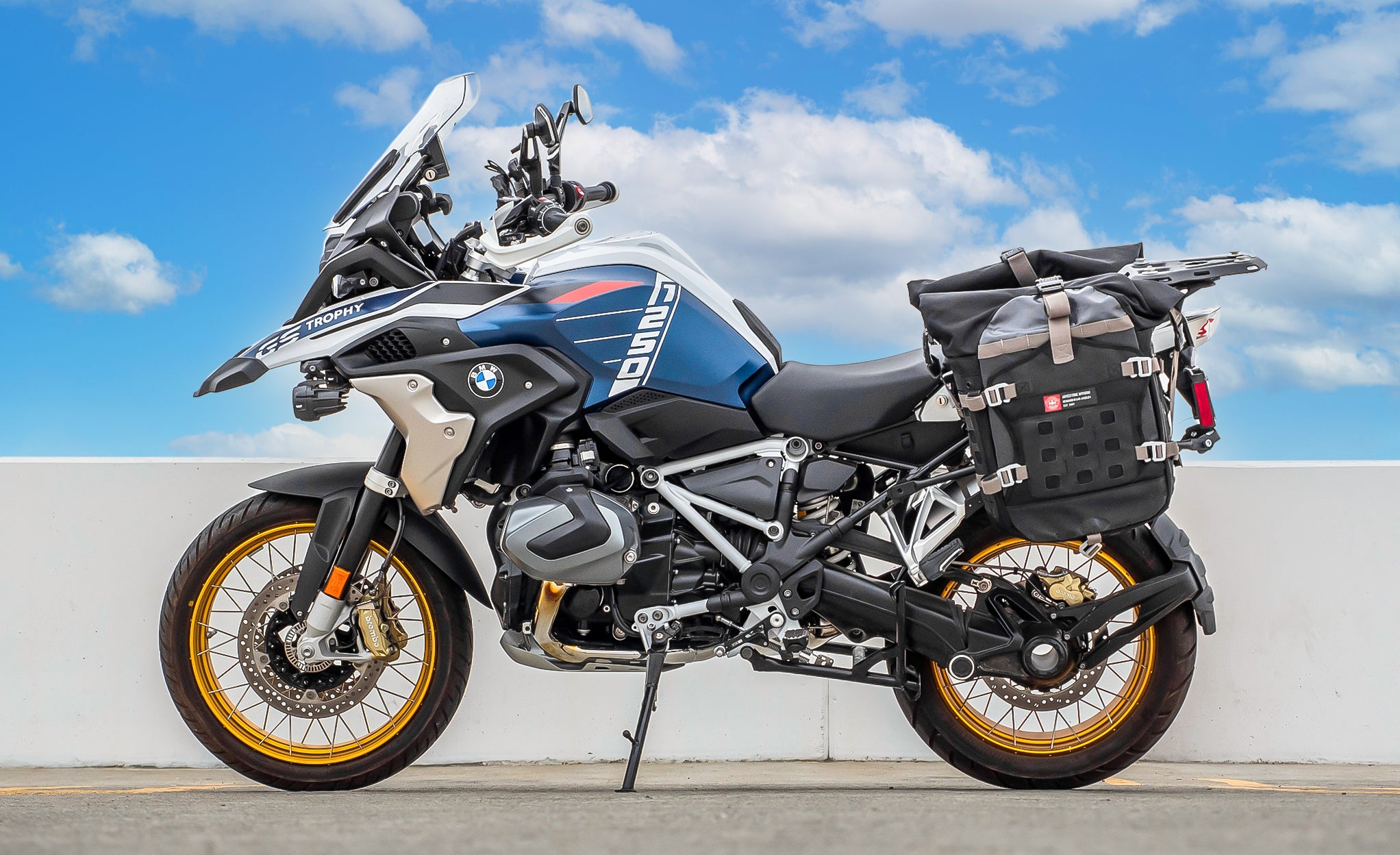
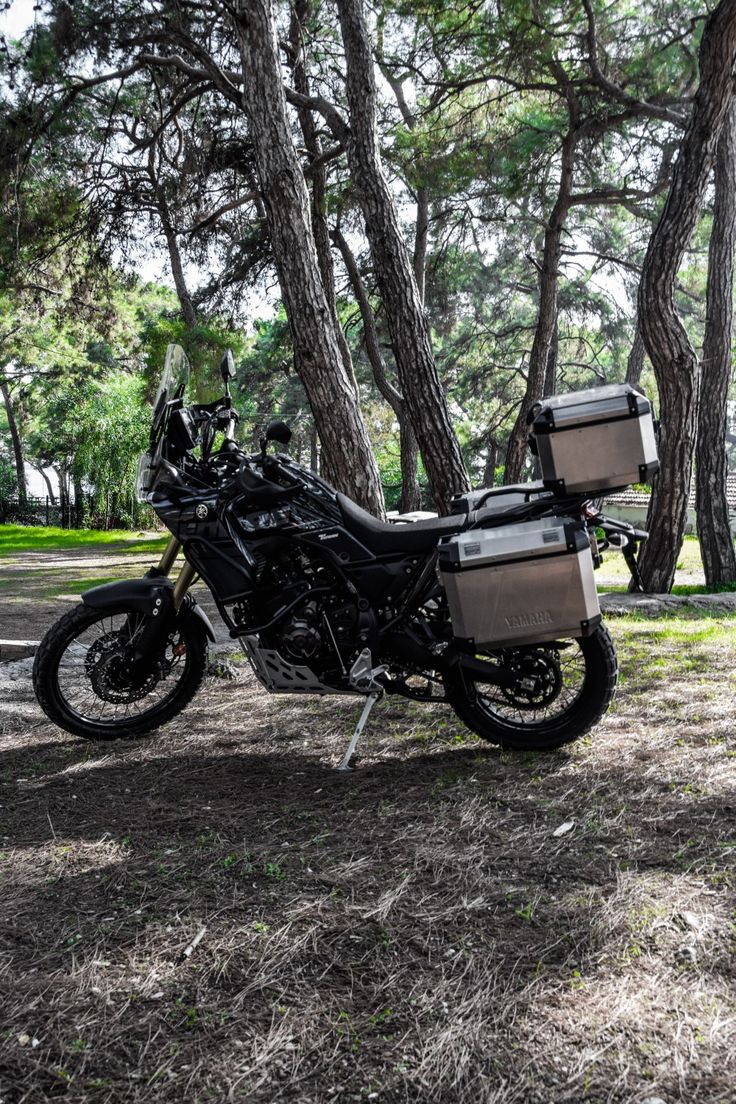
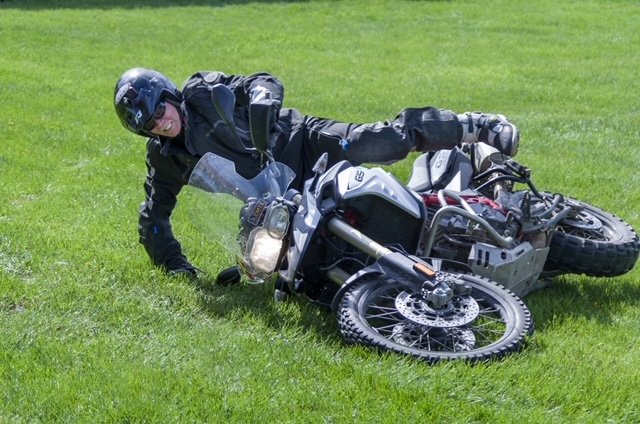
Think BMW R1250GS, Honda Africa Twin, Yamaha Ténéré 700, KTM 890 Adventure R, or the Triumph Tiger 900. These bikes will eat interstate miles happily, carry camping gear across a continent, and handle a gravel road or a moderate trail — but most of them will punish you on anything more demanding than that, and they will definitely punish you if you drop them in the rocks.
The Middle Ground: Where Things Get Complicated
The 2026 market has produced a genuinely blurry middle ground, and honestly, it's the most exciting segment in motorcycling right now. Bikes like the Yamaha Ténéré 700, the Royal Enfield Himalayan 450, and the KTM 890 Adventure R sit in a territory that older categories simply don't describe cleanly.
These middleweights are light enough to ride off-road seriously, capable enough to tour long distances comfortably, and affordable enough to attract newer riders. The Ténéré 700 in particular has built a cult following because it genuinely delivers on both sides of the promise without costing you a second mortgage.
If you're shopping in 2026, this middle category deserves your serious attention before you default to either extreme.
Which One Should You Actually Buy?
Buy a Dual Sport If...
- Your primary riding is off-road — trails, forest service roads, gravel tracks, or technical single track.
- You want a bike you can pick up alone when you drop it. Because you will drop it.
- You're a newer rider still developing skills and don't want 500 lbs of machine fighting you.
- Your commute is short and you want a bike that's fun on the way home via a dirt road.
- Budget is a real concern — dual sports are significantly more affordable to buy, insure, and maintain.
Buy an Adventure Motorcycle If...
- Long-distance touring is your primary goal, with off-road capability as a bonus for occasional gravel roads or dirt passes.
- You regularly carry a passenger or substantial gear.
- You value technology — electronic rider aids genuinely improve safety and enjoyment on an ADV bike.
- You're doing international travel or multi-week trips where comfort over hundreds of miles matters more than agility on the trail.
- You want one bike that handles everything from the morning commute to a weekend canyon run to a summer tour.
The Honest Truth About Off-Road Capability
Here's what most salespeople won't tell you: the majority of adventure motorcycle owners never take their bikes off pavement in any meaningful way. Studies from rider communities consistently show that the typical large ADV bike spends 90% or more of its life on tarmac. There is absolutely nothing wrong with that — these bikes are magnificent road tools. But if you buy a BMW R1250GS because you dream of riding the Baja 1000 route, you need to be honest with yourself about the reality of riding a 560-lb machine through deep sand and rock gardens.
Conversely, plenty of dual sport riders discover after one long highway stretch that they want wind protection and a more comfortable seat. Know your actual riding patterns, not your aspirational ones.
What to Look For in 2026 Specifically
The 2026 model year has brought tighter emissions regulations globally, which has pushed manufacturers toward more efficient, fuel-injected powerplants across both categories. Electronic aids once reserved for flagship ADV bikes are trickling down into mid-range models. Cornering ABS and basic traction control are now available on bikes under $10,000, which is genuinely significant for rider safety.
Supply chains have stabilized compared to the disruptions of the early 2020s, meaning wait times are shorter and dealer inventory is healthier. It's actually a great time to buy.
Final Verdict
Dual sport and adventure motorcycles are not the same thing wearing different clothes. They are fundamentally different tools built for different jobs. A dual sport is a dirt bike that tolerates the street. An adventure motorcycle is a tourer that tolerates — to varying degrees — the dirt.
Define your riding honestly, not aspirationally. If you split your time equally between serious trails and long highway days, look hard at the middleweight ADV segment in 2026 — it has never been better. If you know which side of the fence you live on, buy the right tool and ride the hell out of it.