In a bold move set to redefine the future of motorcycling, Harley-Davidson has announced its first self-balancing motorcycle, slated for release in 2026. This revolutionary development promises to make riding more accessible and safer, appealing to both new riders and seasoned enthusiasts.
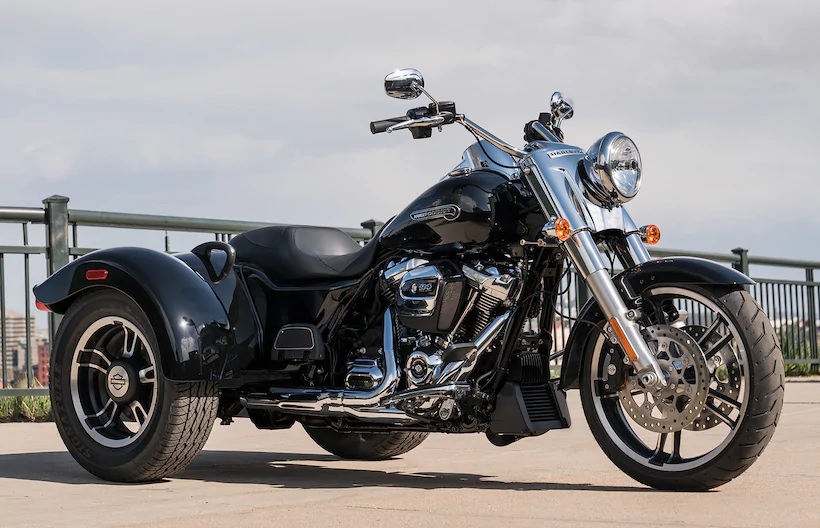
The Future of Riding: Self-Balancing Technology
Harley-Davidson's new motorcycle employs cutting-edge gyroscopic technology to maintain balance at all times, even when stationary. This innovation is particularly beneficial for riders who may struggle with the weight and balance of traditional motorcycles, offering a more secure and confident riding experience.
How It Works
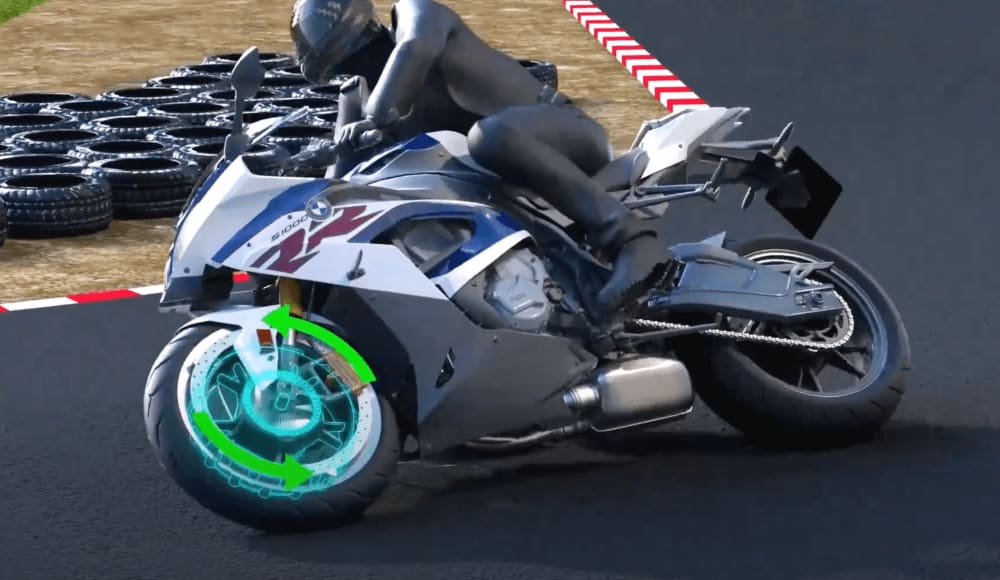
The self-balancing system utilizes a series of sensors and gyroscopes to detect the bike's position and make real-time adjustments. This technology is designed to keep the motorcycle upright, preventing tip-overs and enhancing stability during low-speed maneuvers.
Design and Features
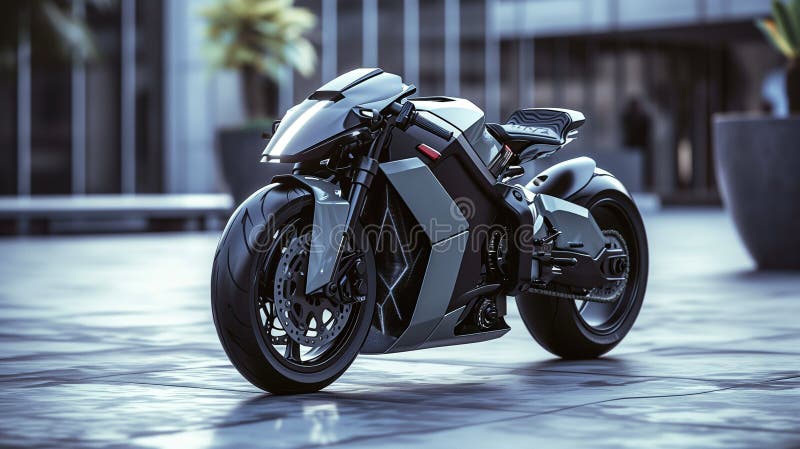
While Harley-Davidson has yet to release full specifications, the self-balancing motorcycle is expected to feature a sleek, modern design that retains the brand's iconic aesthetic. Riders can anticipate a robust suite of features, including advanced connectivity options, customizable ride modes, and enhanced safety systems.
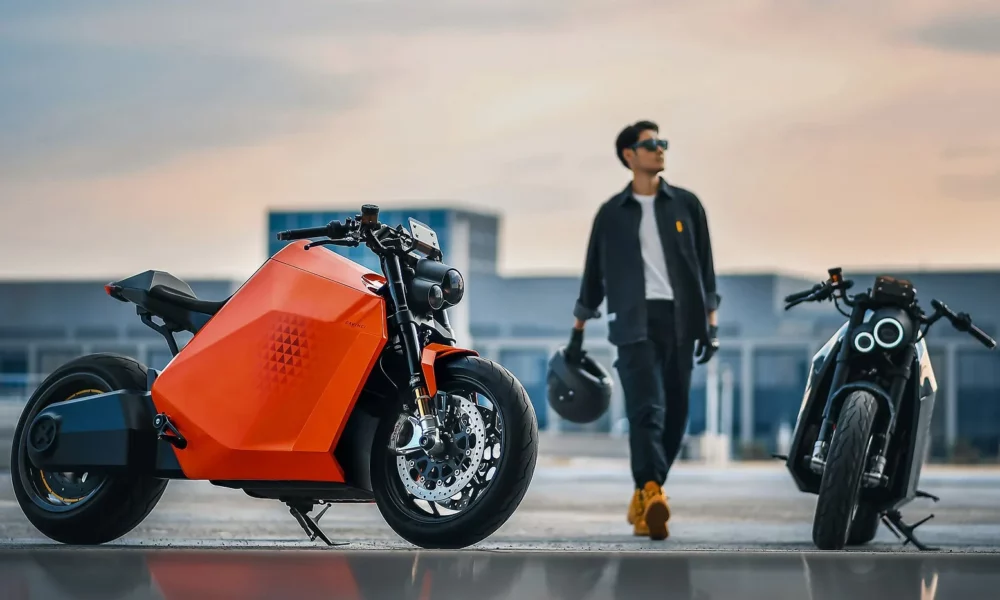
- Gyroscopic Stabilization: Automatically adjusts to maintain balance.
- Advanced Sensors: Continuously monitor the bike's position and rider input.
- Connectivity: Integrated systems for navigation and communication.
- Customizable Ride Modes: Tailor the riding experience to individual preferences.
Impact on the Motorcycle Industry
Harley-Davidson's foray into self-balancing technology marks a significant milestone in the motorcycle industry. By addressing common challenges such as balance and safety, this innovation could broaden the appeal of motorcycling to a wider audience.

Industry experts predict that this technology will not only attract new riders but also set a new standard for motorcycle safety and innovation. As other manufacturers observe Harley-Davidson's progress, we may see a wave of similar advancements across the market.
Challenges and Considerations
Despite its potential, the introduction of self-balancing motorcycles also raises questions about cost, complexity, and rider experience. Ensuring that the technology is reliable and affordable will be crucial for widespread adoption. Additionally, traditionalists may be concerned about the impact on the riding experience, which has historically been defined by skill and balance.
Looking Ahead
As Harley-Davidson prepares for the 2026 launch, anticipation is building among riders and industry insiders alike. This self-balancing motorcycle represents a bold step forward, blending tradition with innovation to create a safer and more inclusive future for motorcycling.
Whether you're a seasoned rider or new to the world of motorcycles, Harley-Davidson's latest development is sure to spark excitement and curiosity. As we look to 2026, the road ahead promises to be as thrilling as ever, with technology paving the way for a new era of riding.