Royal Enfield's Biggest Engine Bet Yet: A 750cc Parallel-Twin Platform in the Works
Royal Enfield has long been the brand that proves you don't need massive displacement to build a loyal, passionate following. From the thumping single-cylinder Classic 350 to the well-received 650cc parallel-twin that powers the Interceptor 650, Continental GT 650, and — in tuned form — the Super Meteor 650, the company has methodically climbed the displacement ladder. Now, newly filed patent documentation suggests Royal Enfield is preparing its most ambitious powertrain leap to date: a purpose-built 750cc parallel-twin platform intended to serve as the foundation for next-generation Himalayan and Super Meteor models, with a target window that points toward the 2026–2029 product cycle.
What the Patent Filings Actually Reveal
Patent filings are rarely simple reading, but the documents attributed to Royal Enfield sketch out a liquid-cooled, 750cc parallel-twin engine architecture with a clear emphasis on packaging flexibility. Unlike the brand's current 650cc unit — which is air/oil-cooled and built around a more traditional design philosophy — the new motor appears to embrace modern engineering priorities: tighter emissions compliance, broader thermal management, and a layout that can be adapted across adventure-touring and cruiser applications without wholesale redesigns.
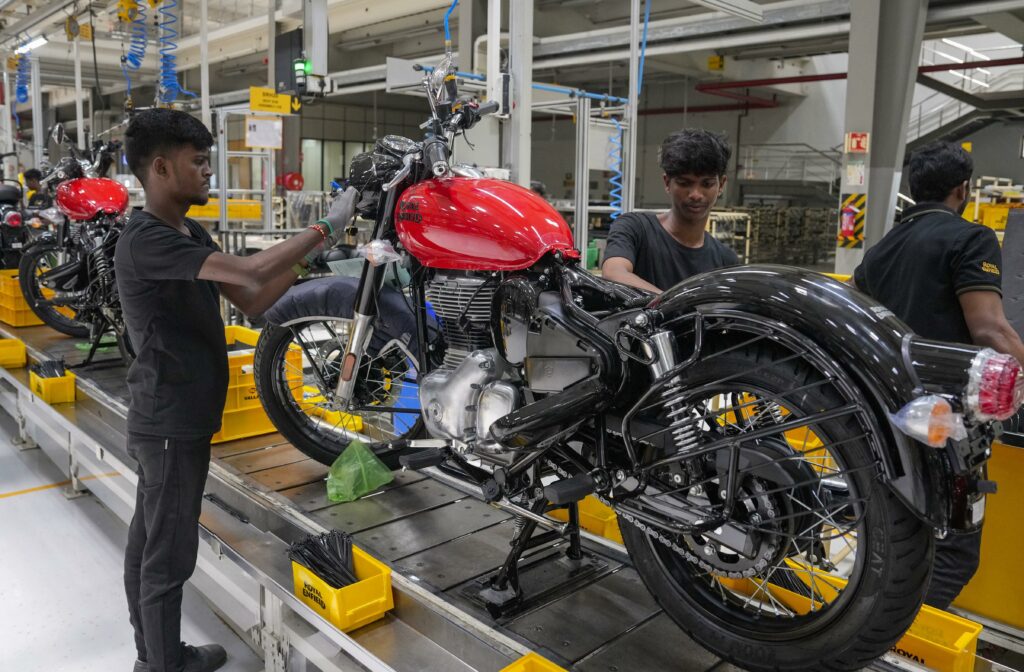
Key details extracted from the filings include a revised bore-and-stroke configuration aimed at producing a broader, flatter torque curve rather than chasing peak horsepower numbers. This is consistent with Royal Enfield's brand DNA — riders of the Himalayan and Super Meteor aren't typically chasing track records; they want accessible, confidence-inspiring power across a wide RPM range. Preliminary analysis by patent watchers also points to provisions for ride-by-wire throttle control, suggesting the new platform will support multiple riding modes — something conspicuously absent from many current RE models.

Why a Shared Platform Matters
Shared platforms are the backbone of modern motorcycle manufacturing strategy, and for good reason. By engineering a single engine and chassis architecture capable of underpinning multiple models, Royal Enfield can dramatically reduce development costs, streamline parts supply chains, and accelerate time-to-market for new variants. The 650cc twin already demonstrated this approach effectively — but a 750cc platform signals the company is ready to compete in a more premium segment where rivals like Triumph, Honda, and Kawasaki have established strong footholds.
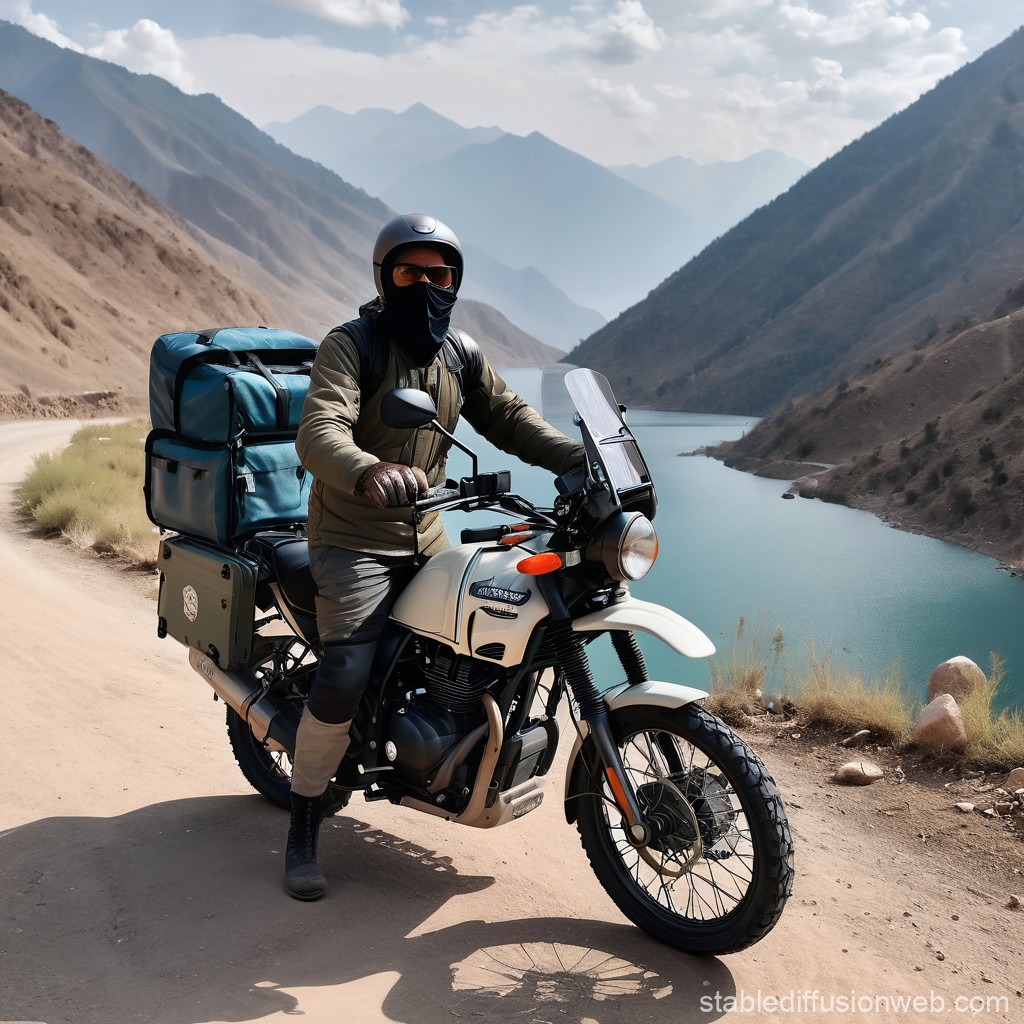
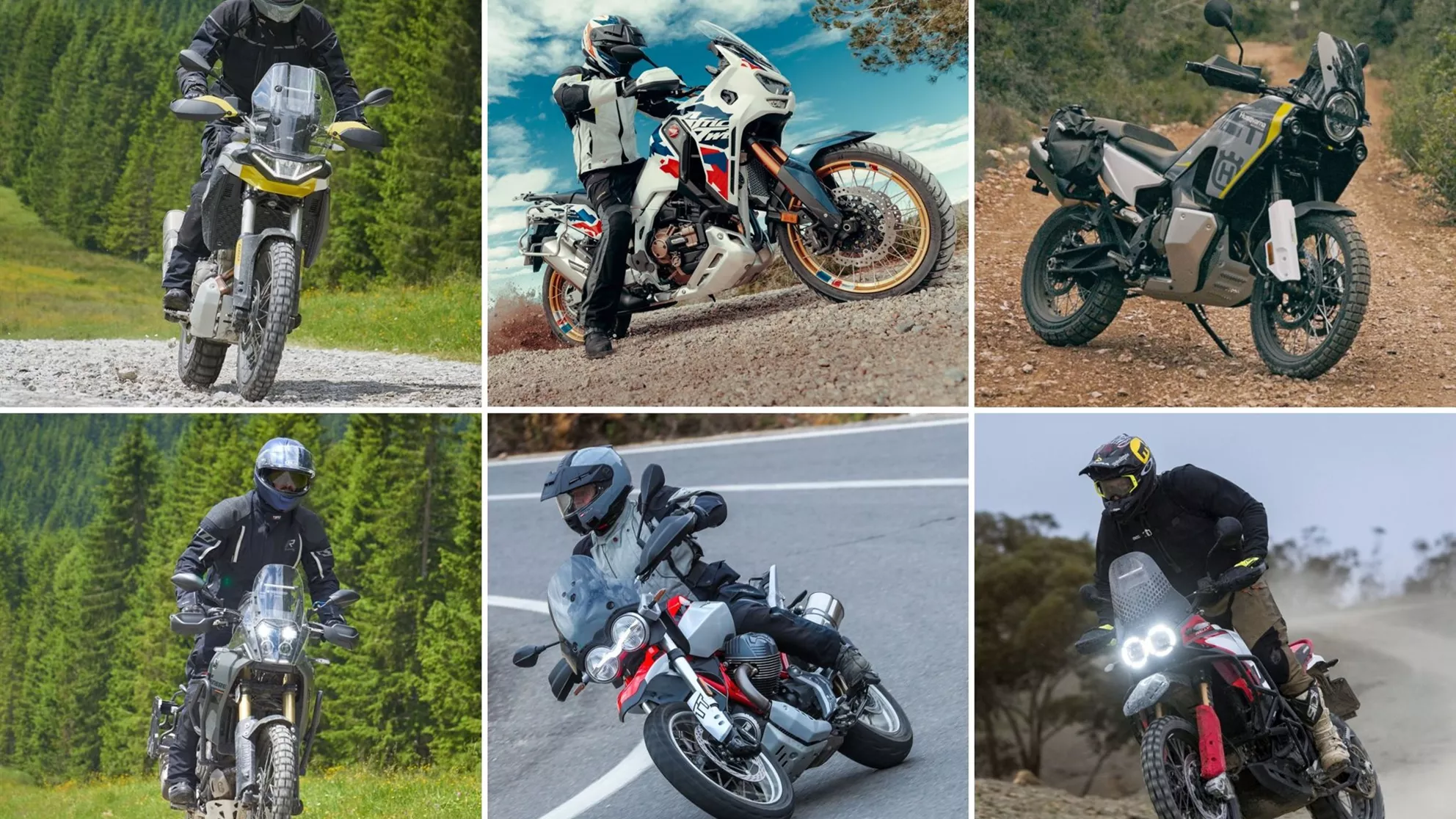
For the Himalayan lineup, a 750cc motor would be transformative. The current 452cc single-cylinder Himalayan — while genuinely accomplished for its price point — is outgunned the moment riders look at longer highway stretches, two-up touring, or loaded adventure routes. A 750cc twin Himalayan could credibly slot into conversations alongside the Triumph Tiger Sport 660, Honda CB500X, and Kawasaki Versys 650, giving Royal Enfield a genuine mid-size adventure contender rather than an entry-level outlier.
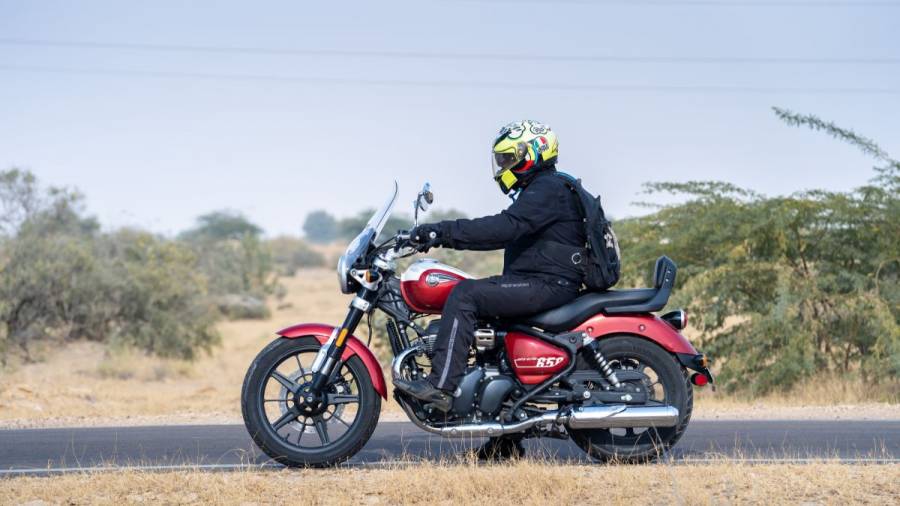
For the Super Meteor lineup, the picture is equally compelling. The Super Meteor 650 has been praised for its relaxed ergonomics and smooth power delivery, but veteran cruiser riders occasionally flag the desire for just a bit more grunt on the open highway. A 750cc version could deliver that extra breathing room without pushing into the intimidating territory of larger-displacement cruisers, keeping the model accessible to a wide demographic.
Expected Performance and Technology Upgrades
While Royal Enfield has not made any official announcements confirming production timelines, the engineering direction suggested by the patents aligns with broader trends across the industry. Here's what riders can reasonably anticipate from a production 750cc RE parallel-twin platform:
- Power Output: Estimates based on the bore/stroke configuration suggest somewhere in the 70–80 bhp range — a meaningful step up from the current 650cc unit's approximately 47 bhp, and sufficient to satisfy most riders without requiring a substantial rethink of chassis dynamics.
- Torque Delivery: Expect peak torque figures in the 65–70 Nm range, tuned for low-to-mid RPM accessibility rather than top-end aggression.
- Ride-by-Wire and Riding Modes: The patents strongly imply electronic throttle control, opening the door to multiple mapped riding modes — likely Rain, Road, and Sport at minimum — as well as traction control as a standard fitment.
- Liquid Cooling: A full liquid-cooling system would allow Royal Enfield to meet increasingly stringent Euro 5+ and Bharat Stage VI (BS6 Phase 2) emissions requirements across global markets without the compromises that come with air-cooled architecture at higher displacements.
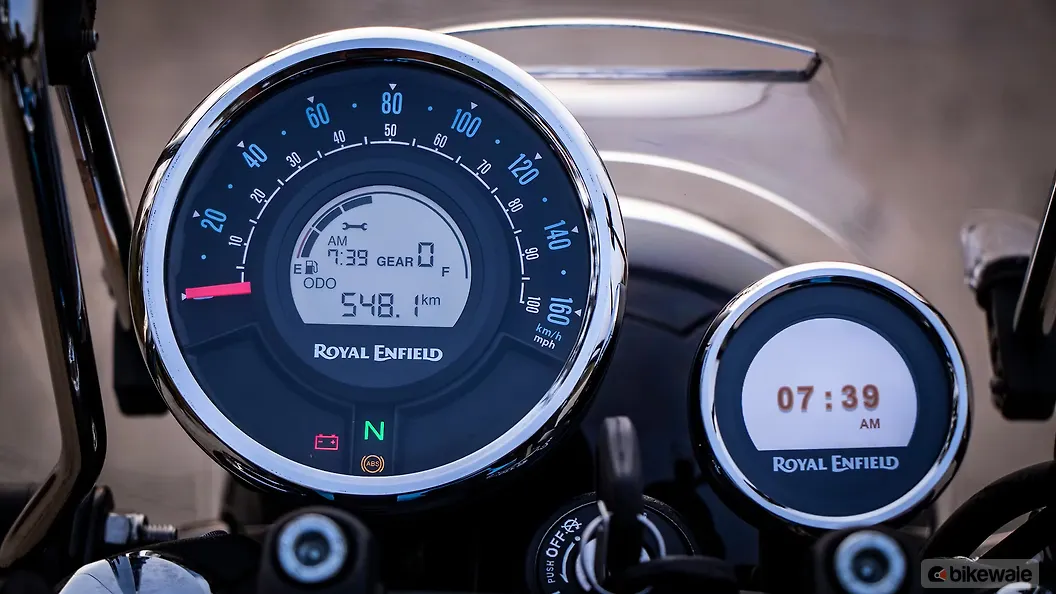
- Connectivity and Instrumentation: Given Royal Enfield's recent push with TFT displays and the Tripper navigation pod, next-generation models on this platform will almost certainly feature a fully connected color TFT dash with turn-by-turn navigation integration.
The Competitive Landscape and What This Means for Buyers
The global 650–800cc segment is increasingly crowded and fiercely competitive. Triumph's 660cc triple has been a revelation for accessible sport and adventure riding. Honda continues to refine its twin-cylinder CB and Africa Twin families. Kawasaki's Versys 650 remains a benchmark for value-conscious adventure touring. Into this arena, Royal Enfield must bring not just competitive specifications but the intangible qualities — character, heritage, and community — that have made it one of the world's best-selling motorcycle manufacturers.
The smart money says Royal Enfield understands this. The 750cc platform isn't just about adding cubic centimeters; it's about earning a seat at the table in markets like Europe, North America, and Australia where brand credibility in the mid-size segment requires genuine engineering substance alongside style. A properly developed 750cc Himalayan or Super Meteor could be a watershed moment for the brand's global ambitions.
Timeline: When Can Riders Expect to See These Models?
Patent filings typically precede production vehicles by three to five years, placing realistic expectations somewhere in the 2027–2029 window for showroom-ready models. Royal Enfield's product cadence has accelerated meaningfully in recent years — the company managed to develop and launch the 450cc platform (underpinning the new Himalayan and Guerrilla 450) in a relatively compressed timeline — so 2027 debut concepts followed by 2028 production launches are not out of the question.
Industry insiders suggest Royal Enfield may use a major international motorcycle show — likely EICMA in Milan or the Intermot showcase — to preview the new platform when the time comes. Riders in North America and Europe should watch for official communications from Royal Enfield's regional offices as the development program matures.
Bottom Line: An Exciting Chapter Ahead
Royal Enfield filing patents for a 750cc parallel-twin shared platform is exactly the kind of forward-thinking move that signals a manufacturer operating with genuine ambition rather than reactive product management. If the company executes this platform with the same thoughtfulness it brought to the 650cc twin — and layers in the modern electronics that today's riders increasingly expect — the resulting Himalayan and Super Meteor variants could be among the most compelling mid-size motorcycles available anywhere at their price points. The wait until 2029 may feel long, but the destination looks well worth it.