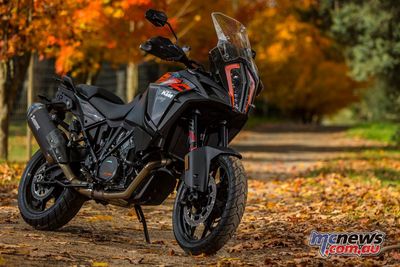
Yamaha Pulls the Cover Off the Ténéré 900: A New Era for Adventure Riding
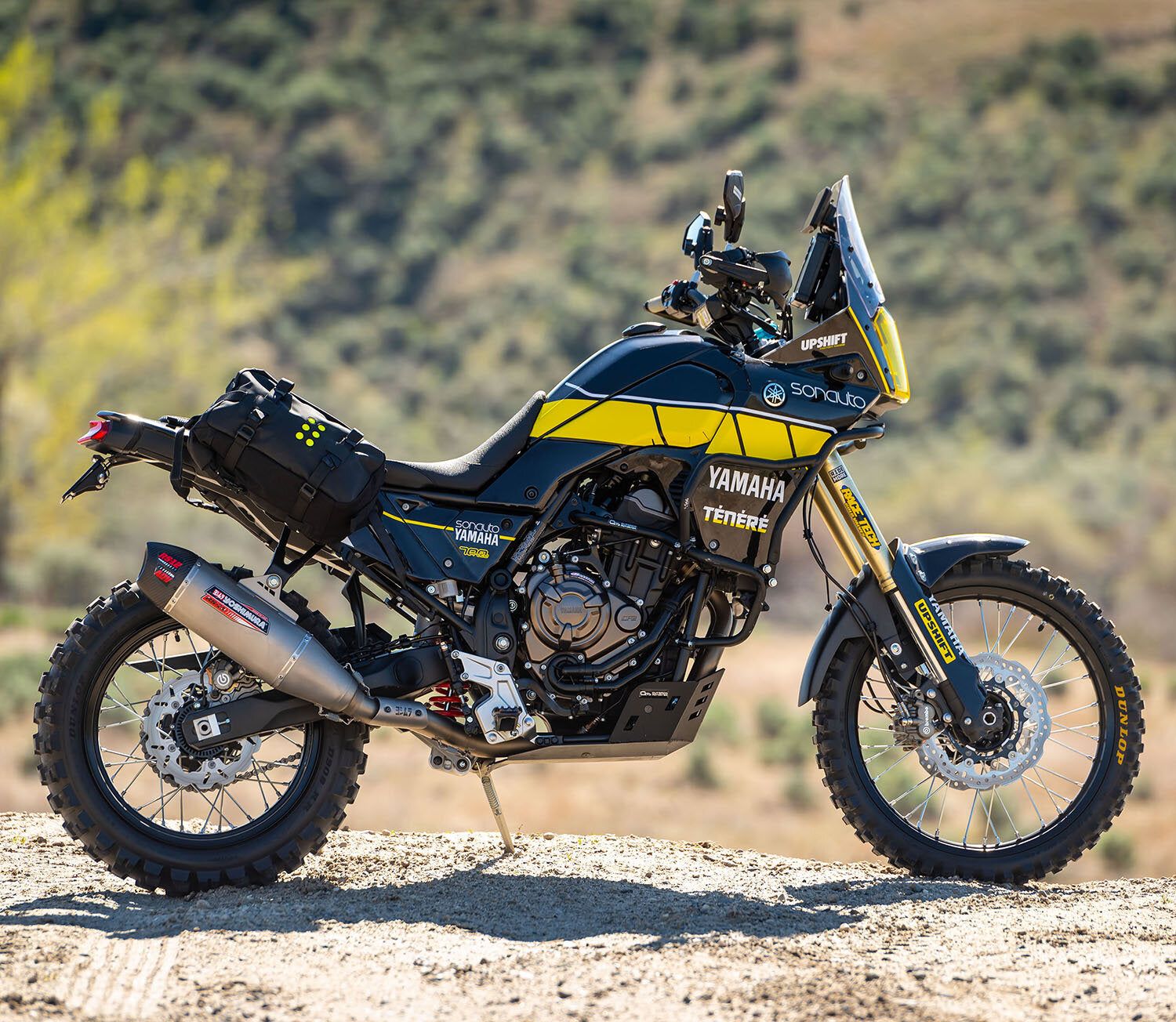
After months of spy shots, leaked patents, and enthusiastic forum speculation, Yamaha Motor Company has made it official. The Ténéré 900 is real, it is coming, and it is bringing a specification sheet that will force every rival in the mid-to-large adventure segment to sit up and take notice. Announced at a dedicated global press event held simultaneously in Tokyo, Amsterdam, and Los Angeles, the 2028 Ténéré 900 represents Yamaha's most ambitious adventure motorcycle project in decades.
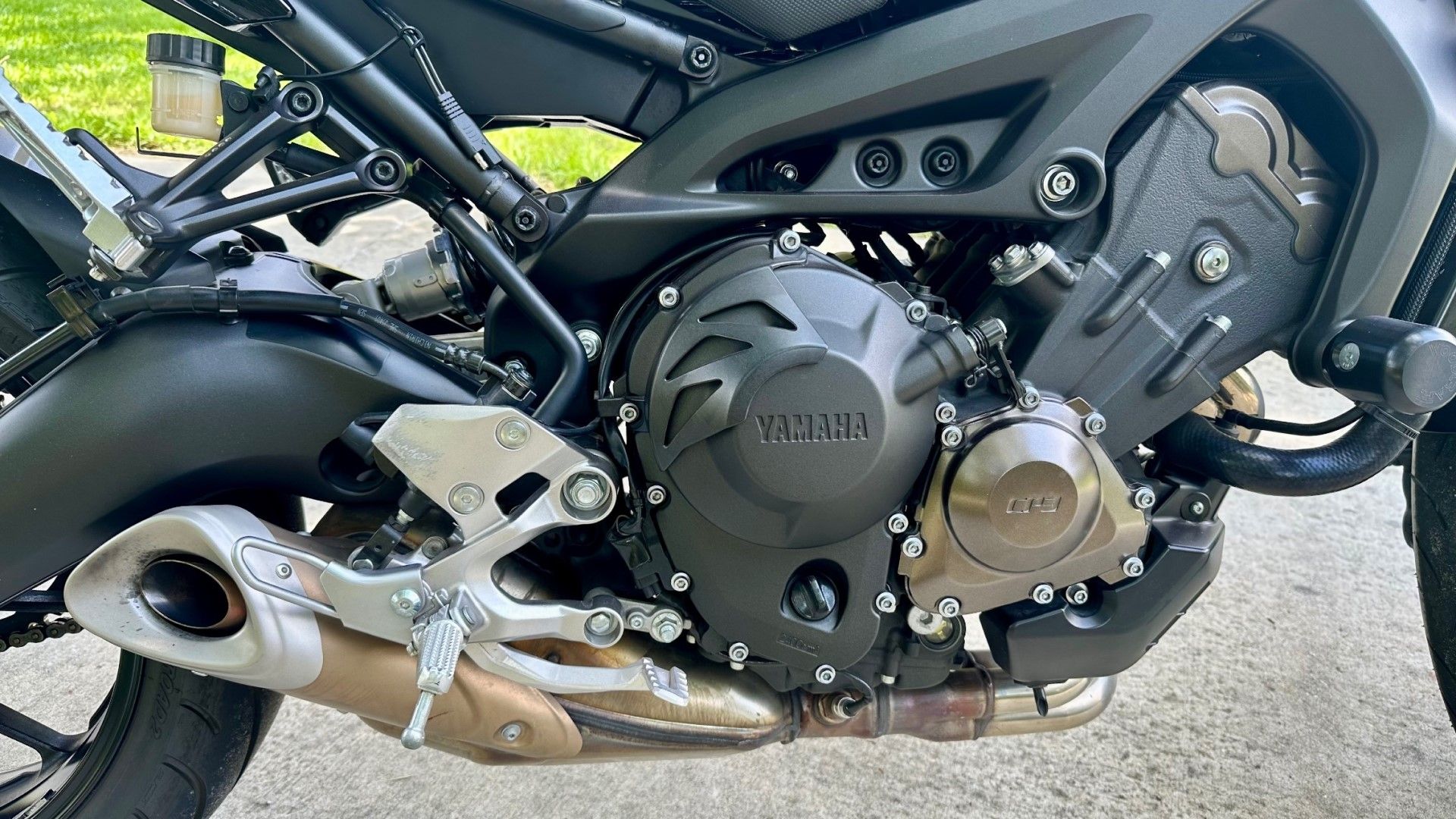
The announcement confirms what many insiders had suspected: Yamaha is not simply adding displacement to the Ténéré 700. This is an entirely new machine, engineered from the ground up to compete directly with the KTM 890 Adventure R, the Triumph Tiger 900, and the Honda Africa Twin in the fiercely contested 850–1000cc adventure class. Deliveries are scheduled to begin globally in March 2028, with pre-orders opening at Yamaha dealerships worldwide from October 2027.
The Engine: A New CP3-Derived Triple That Means Business
At the heart of the Ténéré 900 sits an all-new 888cc liquid-cooled inline three-cylinder engine that Yamaha is calling the CP3-T (Crossplane Three – Touring). This is a close relative of the unit found in the Tracer 9 and MT-09, but extensively reworked for adventure duty with a focus on low-to-mid range torque, thermal management in slow off-road conditions, and long-service intervals.
- Displacement: 888cc, DOHC, 12-valve
- Maximum Power: 119 hp (88.5 kW) at 9,000 rpm
- Peak Torque: 93 Nm (68.6 lb-ft) at 7,000 rpm
- Compression Ratio: 11.5:1
- Fuelling: Ride-by-wire throttle with three fuel maps (Tour, Off-Road, Rain)
- Service Interval: 10,000 km (6,200 miles) valve checks; 6,000 km oil changes
Yamaha engineers have paid particular attention to the engine's off-road character. A revised counterbalancer reduces vibration at highway speeds without dulling the engaging pulse the CP3 family is known for, and a new heat management system redirects exhaust heat away from the rider's legs — a common complaint on long desert days.
Chassis, Suspension, and Off-Road Capability
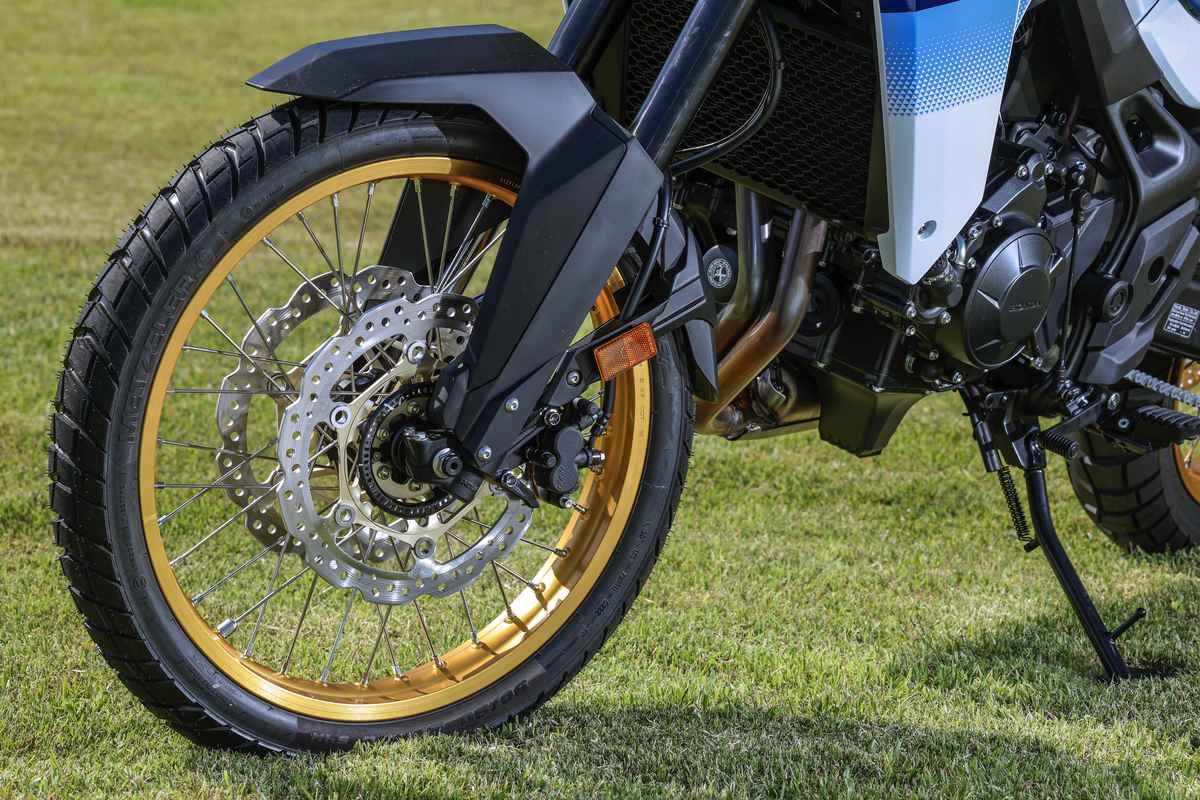
The Ténéré 900 rides on a new semi-double cradle steel frame that is both stiffer and lighter than its smaller sibling's. Yamaha claims a 15% improvement in torsional rigidity, which translates directly into more precise handling on technical terrain and greater confidence at highway speeds under load.
Suspension duties are handled by a fully adjustable 48mm KYB inverted fork up front offering 230mm of travel, and a KYB piggyback reservoir monoshock at the rear with 220mm of travel. Both ends are adjustable for preload, compression, and rebound damping, meaning the bike can be dialled in equally well for solo gravel blasting or two-up touring with luggage.
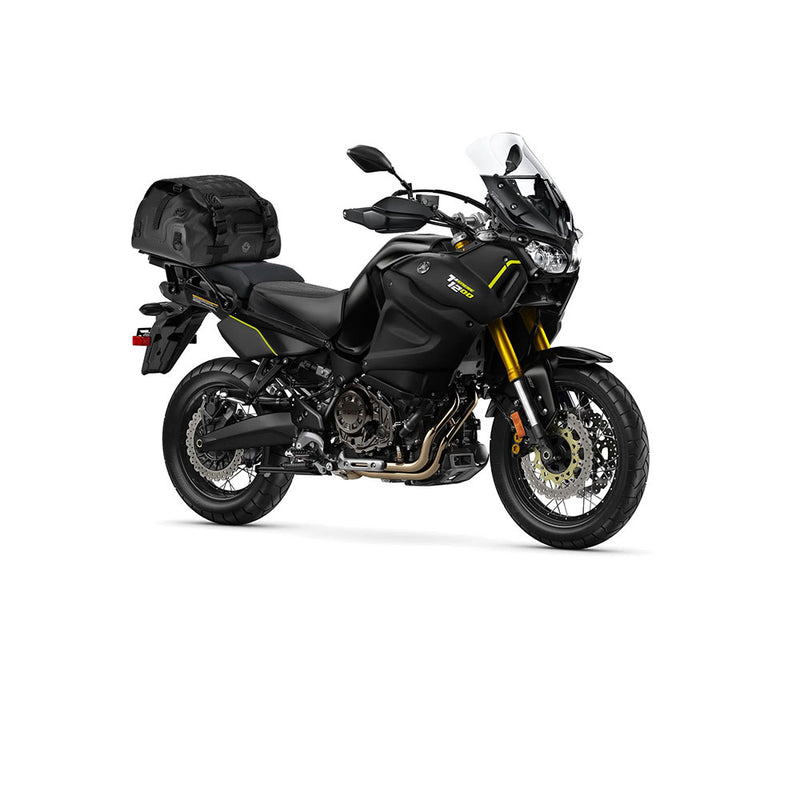
- Front Suspension: 48mm fully adjustable KYB inverted fork, 230mm travel
- Rear Suspension: KYB piggyback monoshock, fully adjustable, 220mm travel
- Front Wheel: 21-inch spoked, tubeless-ready
- Rear Wheel: 18-inch spoked, tubeless-ready
- Brakes: Twin 298mm discs front (radial-mount Brembo calipers), single 245mm disc rear
- Wet Weight: 204 kg (449 lb)
- Seat Height: 845mm standard, 865mm high position (both adjustable via accessory kit to 825mm low)
Ground clearance stands at a generous 240mm, and a 23-litre fuel tank promises a real-world range of over 400 km on mixed terrain — a figure that will be music to the ears of travellers planning remote routes. The tank is shaped to allow excellent freedom of movement for standing riders, which Yamaha has clearly prioritised throughout the ergonomic package.
Electronics and Technology: Smarter Than You Might Expect
One area where Yamaha has clearly listened to criticism of the original Ténéré 700 is electronics. The Ténéré 900 arrives with a comprehensive suite of rider aids that is genuinely competitive in 2028's market.
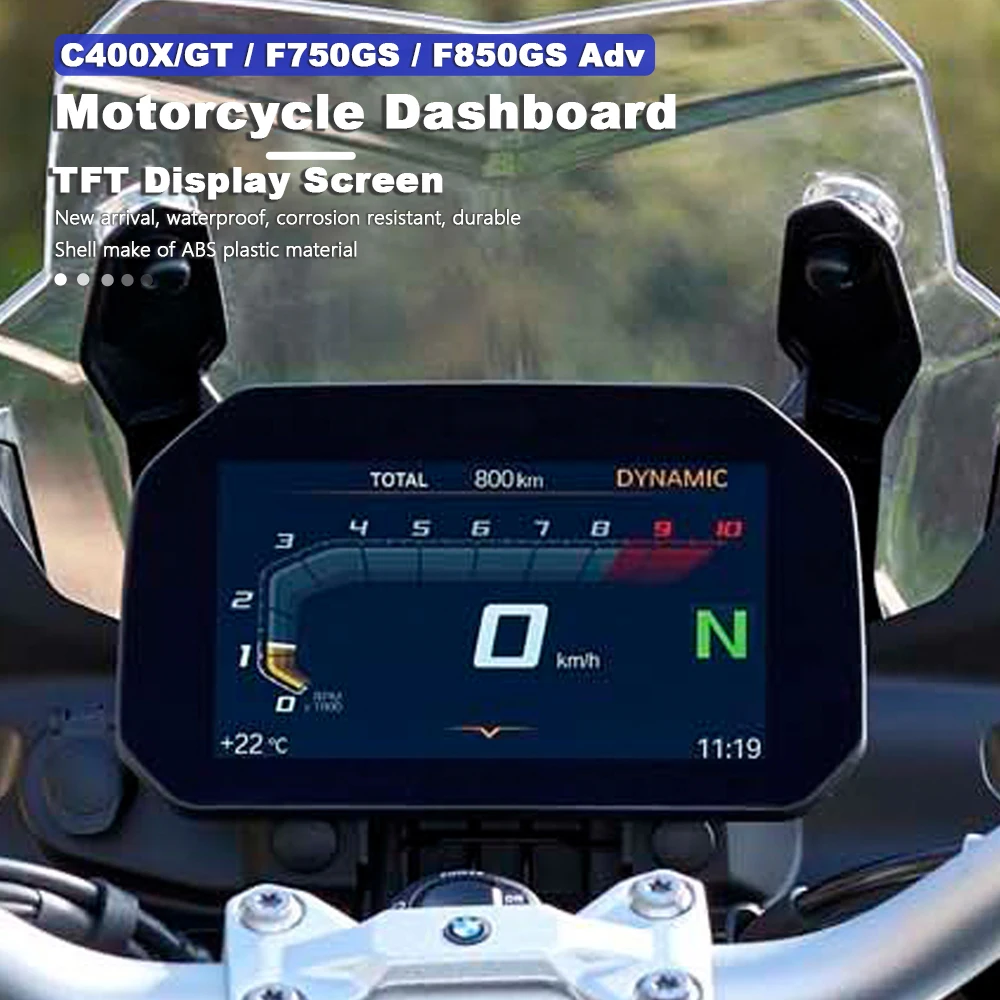
A new 5-inch full-colour TFT display serves as the command centre, offering Bluetooth connectivity to the MyRide Yamaha app, turn-by-turn navigation support, and phone integration. The interface is controllable via handlebar-mounted switches even with gloves on — a detail that matters when you're 500 kilometres from the nearest town.
- Six-axis IMU (Inertial Measurement Unit)
- Cornering ABS with Off-Road mode (rear ABS fully defeatable)
- Traction Control (four levels plus Off)
- Wheelie Control (three levels)
- Bi-directional quickshifter (standard fitment)
- Cruise Control
- Emergency Stop Signal (ESS)
- USB-C charging port (under seat)
Yamaha has also introduced what it calls Terrain Response Logic — a semi-intelligent system that adjusts traction control and ABS sensitivity based on throttle input patterns and lean angle data. It is not automatic, but it adapts its intervention thresholds based on riding style, reducing unnecessary cut-in on loose surfaces without requiring constant manual adjustment.
Pricing and Variants
Yamaha will offer the Ténéré 900 in two variants at launch:
- Ténéré 900 Standard: USD $13,499 / EUR €12,999 / GBP £11,799 — featuring the full electronics package, tubeless spoked wheels, and a choice of three colourways (Rally Blue, Dune White, and Carbon Black).
- Ténéré 900 Rally Edition: USD $15,299 / EUR €14,699 / GBP £13,299 — adds Öhlins semi-active electronic suspension (SESP), a larger 25-litre tank, crash protection bars, heated grips, and an exclusive Rally Yellow colourway inspired by Yamaha's Dakar heritage.
A comprehensive factory accessories catalogue will be available from launch, including hard and soft luggage systems, skid plates, extended windscreens, and rally-style navigation towers — a clear signal that Yamaha wants this bike to be a credible expedition machine straight from the dealership floor.
Global Availability and What It Means for the Adventure Segment
The Ténéré 900 will launch simultaneously across North America, Europe, Australia, and key Asian markets in March 2028, with South American and African market availability following in Q3 2028. Yamaha has confirmed that both variants will meet Euro 5+ and EPA emissions standards without power restriction.
This launch matters beyond the spec sheet. The Ténéré 700 earned a fiercely loyal following by prioritising real-world usability and mechanical simplicity over electronic complexity. The Ténéré 900 does not abandon that philosophy — it evolves it. The bike is heavier than its predecessor, but only marginally so, and the increase in power, suspension travel, and range make it a meaningfully more capable long-distance tool.
For riders who have been sitting on the fence between a Ténéré 700 and something with more highway confidence, the Ténéré 900 looks set to be the answer they have been waiting for. Pre-order books open in October 2027. Based on everything Yamaha has revealed today, the waiting list is going to be a long one.