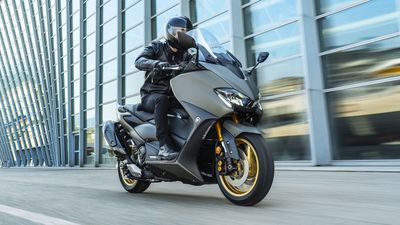
Yamaha Pulls Back the Curtain on the 2028 R7 Successor
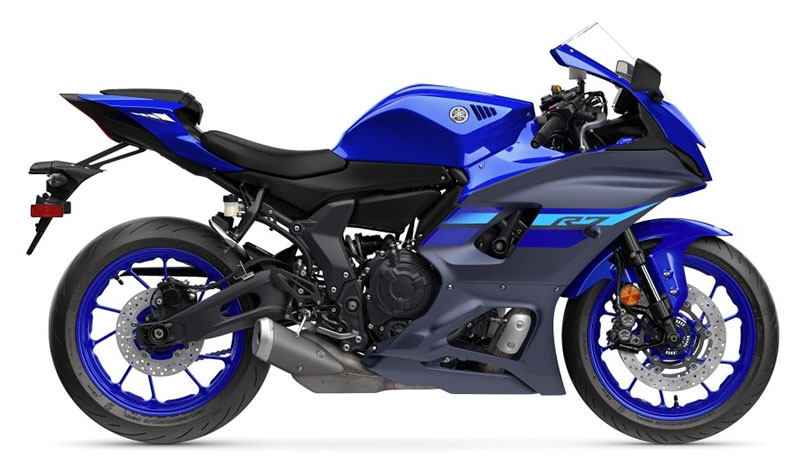
After months of speculation, leaked patent filings, and teaser campaigns that sent the motorcycling world into a frenzy, Yamaha Motor Corporation has officially confirmed the successor to the YZF-R7. Announced at a global press event held simultaneously in Tokyo, Amsterdam, and Atlanta, the next-generation middleweight supersport is poised to redefine what riders can expect from a street-focused, track-capable machine. The bike carries a bold new designation — the Yamaha YZF-R7S — and brings with it a comprehensive suite of upgrades that signal Yamaha's serious intent to dominate the 700cc class.
A New Engine Built for the Street and Track
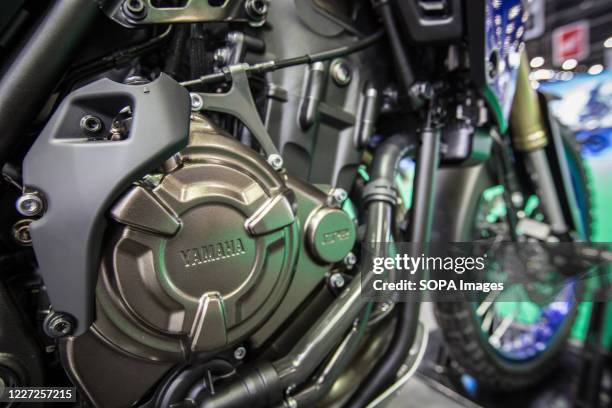
At the heart of the 2028 YZF-R7S is a thoroughly revised parallel-twin engine. Yamaha has bored and stroked the unit to 710cc, extracting a claimed 80 horsepower at 9,000 rpm and 68 Nm of torque — meaningful increases over the outgoing R7's 73.4 hp figures. The engineers have focused not just on peak numbers but on the mid-range delivery that makes street riding rewarding and track sessions more manageable. Variable intake geometry and revised combustion chambers contribute to sharper throttle response across the entire rev range.
The engine also gains a bi-directional quickshifter as standard equipment — something riders had long requested — along with updated fueling maps that Yamaha says improve fuel efficiency by approximately 8% compared to the previous generation. A revised slipper clutch with a lighter lever pull rounds out the transmission upgrades.
Chassis and Suspension: Evolved Geometry
Yamaha's engineers went back to basics with the chassis architecture. While the deltabox aluminum frame philosophy is retained, the new frame features revised geometry with a slightly steeper rake and reduced trail, lending the R7S sharper initial turn-in without sacrificing stability at speed. Wheelbase remains nearly identical to maintain that confidence-inspiring straight-line composure the original R7 was celebrated for.
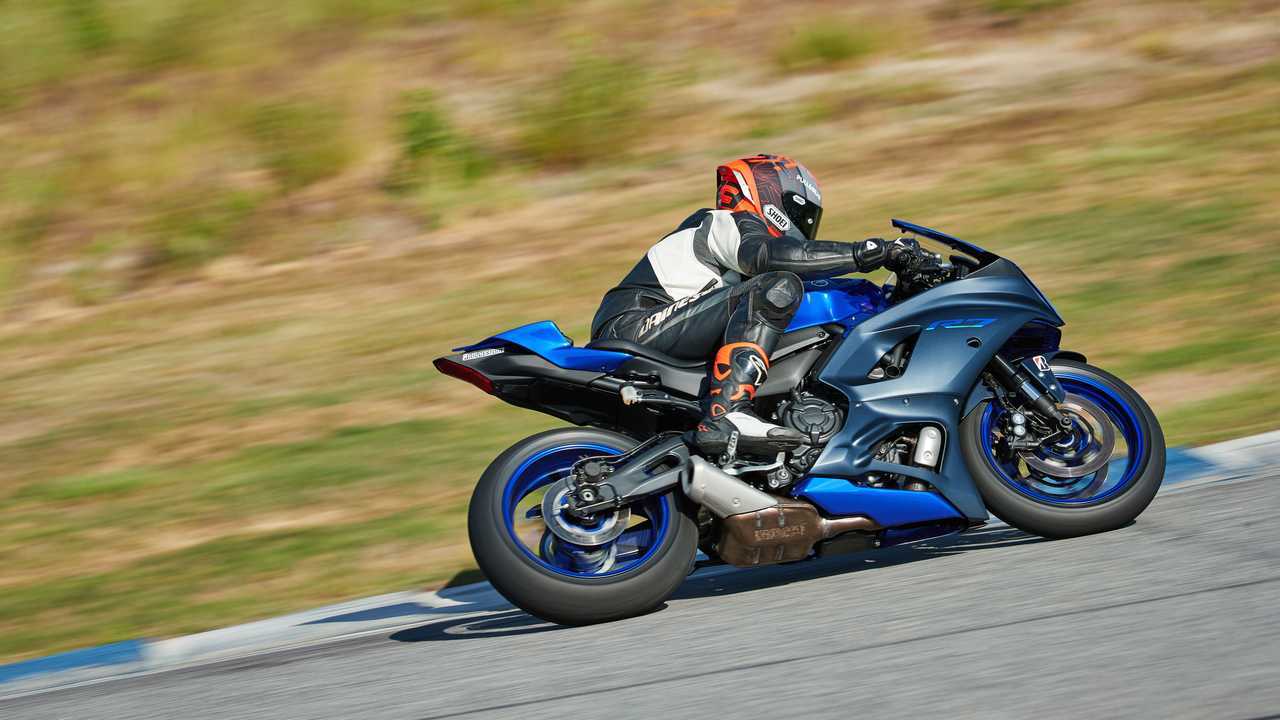
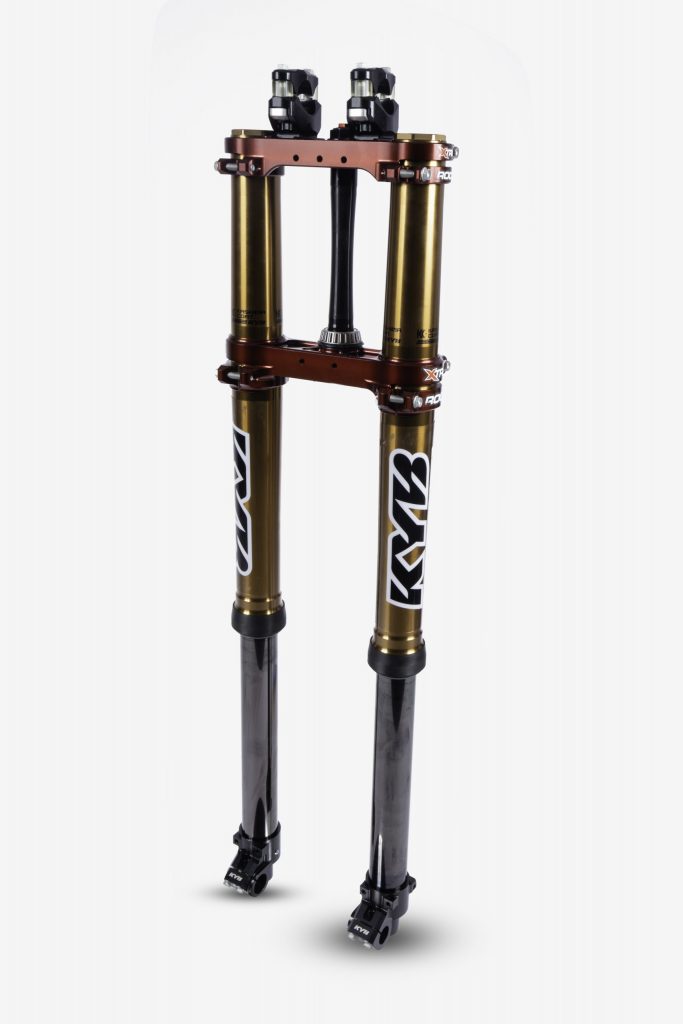
Suspension duties are handled by a fully adjustable KYB front fork (41mm inner tubes) and a fully adjustable rear monoshock — both units offering rebound and compression damping adjustment as standard on all trim levels. This is a notable departure from the previous generation, which reserved adjustable suspension for higher specification variants. Braking is handled by radial-mount Brembo four-piston calipers biting 298mm discs up front, paired with a single 245mm rear disc and a two-channel ABS system developed in collaboration with Bosch.

Electronics Package: Finally Catching Up
One of the most common criticisms levelled at the original YZF-R7 was its relatively modest electronics suite. Yamaha has listened. The 2028 R7S introduces a six-axis IMU (Inertial Measurement Unit) sourced from Yamaha's own MotoGP technology division, enabling a significantly more sophisticated electronics platform including:
- Cornering ABS — adjusts braking force based on lean angle for safer, more confident stops mid-corner
- Lean-sensitive Traction Control — three rider-adjustable levels plus a fully off option for track use
- Slide Control — a first for the R7 series, allowing controlled rear slides in Sport mode
- Launch Control — activated via the TFT menu for track days
- Wheelie Control — three levels of front wheel management
The rider interface is now anchored by a 5-inch full-color TFT display with smartphone connectivity via Yamaha's MyRide app, offering turn-by-turn navigation, lap timing, and remote diagnostics. Riding modes include Road, Sport, Track, and a fully customizable MY mode, giving riders granular control over every electronic parameter.
Styling and Aerodynamics
Visually, the R7S takes clear inspiration from the YZF-R1 and the R6 legacy, featuring a sharper, more angular fairing design with integrated winglets that Yamaha claims generate meaningful downforce at speeds above 160 km/h. The LED lighting suite — including a distinctive quad-light arrangement up front — gives the bike a unmistakably premium road presence. A revised seat profile drops 5mm compared to its predecessor to 815mm, improving accessibility for a wider range of rider heights without sacrificing the aggressive riding position.
Specifications at a Glance
- Engine: 710cc DOHC parallel-twin, liquid-cooled
- Power: 80 hp @ 9,000 rpm
- Torque: 68 Nm @ 6,500 rpm
- Transmission: 6-speed with bi-directional quickshifter
- Front Suspension: 41mm KYB fully adjustable fork
- Rear Suspension: Fully adjustable KYB monoshock
- Front Brakes: Dual 298mm discs, Brembo 4-piston radial calipers
- Wet Weight: 193 kg
- Seat Height: 815mm
- Fuel Capacity: 13 litres
Pricing and Global Availability
Yamaha has confirmed a global launch date of March 2028, with dealer deliveries beginning in key markets including Japan, Europe, Australia, and North America from April 2028. Emerging markets in Southeast Asia and Latin America will receive allocations from Q3 2028.
Pricing has been confirmed as follows:
- USA: $9,499 USD (base)
- Europe: €9,299 (base)
- UK: £8,799 (base)
- Australia: AUD $14,999 (ride-away)
A higher-specification R7S SP variant will also be offered, featuring Öhlins suspension front and rear, Marchesini forged wheels, and exclusive livery options, priced at approximately $11,499 USD. Pre-orders will open through Yamaha's global dealer network from October 2027.
What This Means for the Middleweight Supersport Segment
The announcement of the 2028 YZF-R7S sends a clear message to rivals like the Kawasaki Ninja 650, Honda CBR650R, and Aprilia RS 660 — Yamaha is doubling down on the segment that helped define accessible performance motorcycling. By pairing genuine performance upgrades with a price point that remains accessible to newer riders and track-day enthusiasts alike, Yamaha appears to have found a compelling balance between aspiration and attainability.
For riders who have been on the fence about upgrading from the original YZF-R7, the case has never been stronger. And for those coming from larger bikes seeking a more manageable but still thrilling track weapon, the R7S makes an extraordinarily compelling argument. The 2028 model year can't come fast enough.