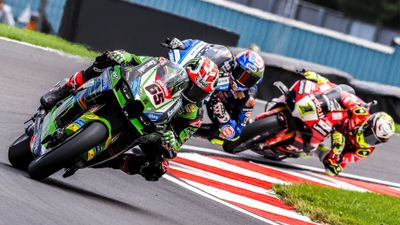
The Ultimate 2026 Superbike Shootout: Aprilia RSV4 Factory vs Ducati Panigale V4 S vs BMW M 1000 RR
There is no more hotly contested arena in motorcycling than the litre-class superbike segment. These machines represent the absolute pinnacle of what production engineers can legally bolt together, squeeze through homologation, and sell to the public. For 2026, three manufacturers have raised the bar so dramatically that choosing between them has never been harder — or more exciting. We spent two days riding the Aprilia RSV4 Factory, the Ducati Panigale V4 S, and the BMW M 1000 RR back-to-back on a mix of sweeping B-roads and a proper race circuit to find out which one earns the crown.
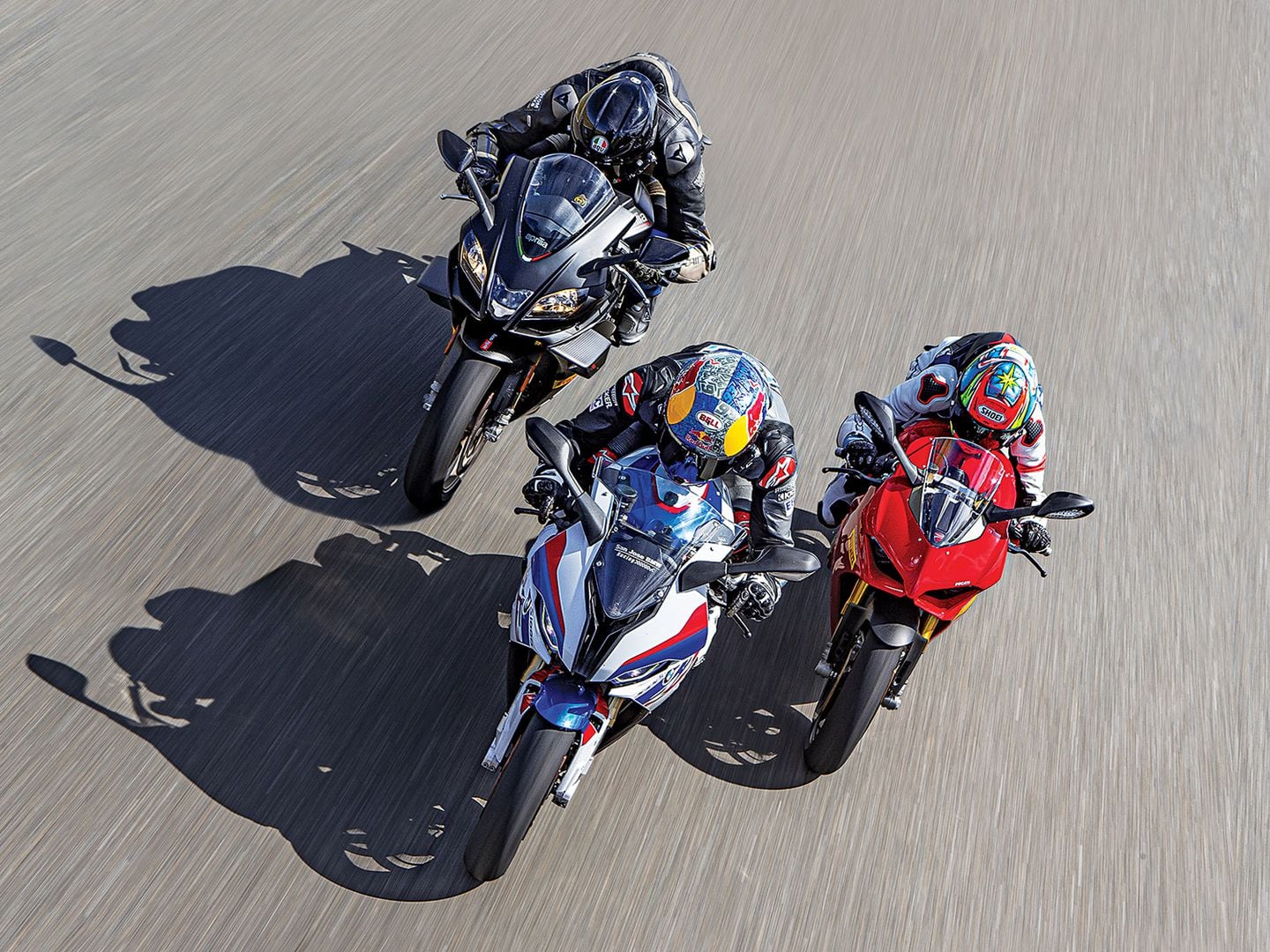
Meet the Contenders
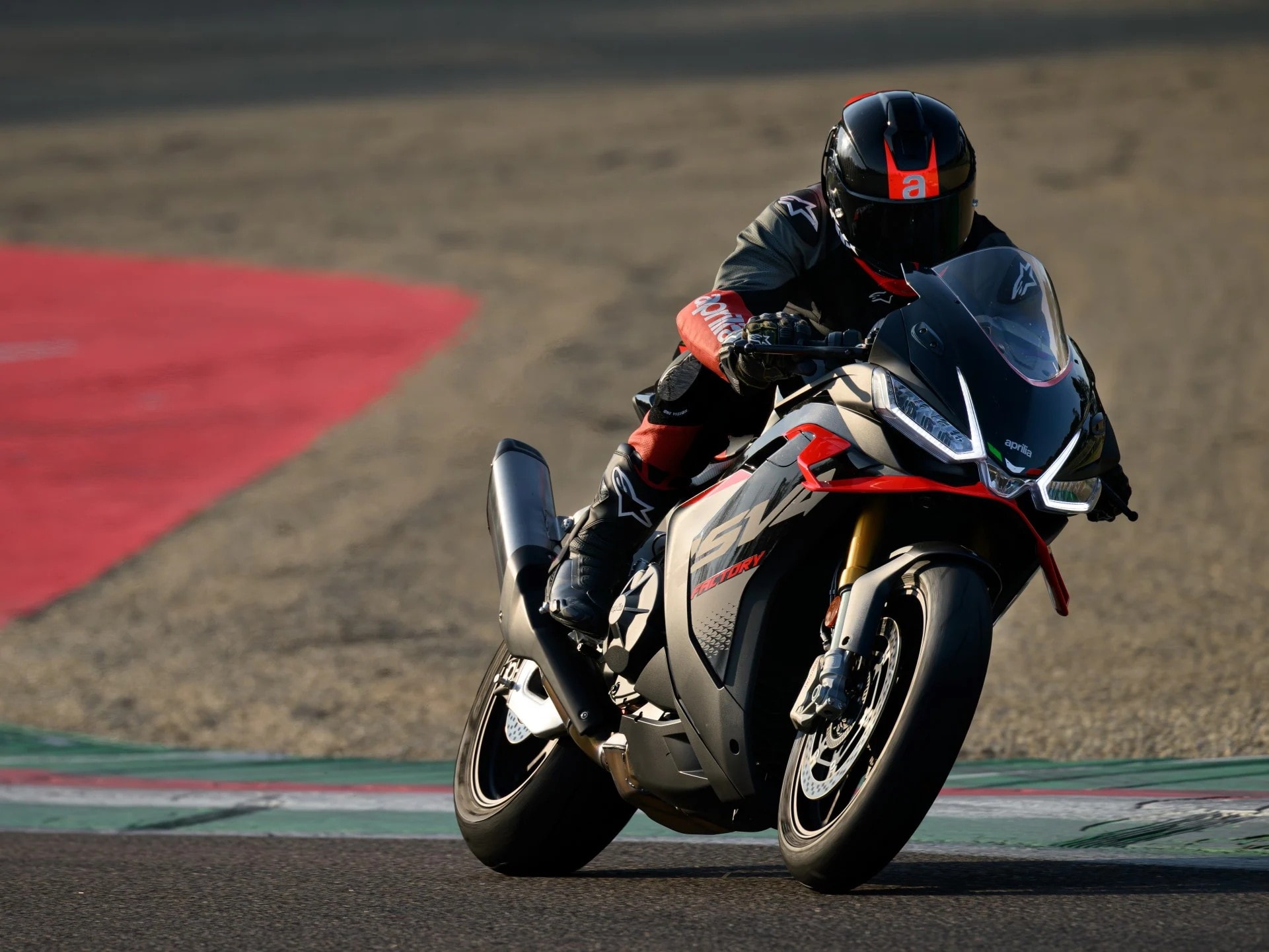
Aprilia RSV4 Factory
Aprilia's RSV4 has been terrorizing World Superbike Championships since its debut, and the 2026 Factory spec is the most evolved version yet. Powered by a 1,099cc V4 engine producing a claimed 217 horsepower at the crank, the RSV4 Factory features Aprilia's latest APRC (Aprilia Performance Ride Control) electronics suite, including a six-axis IMU, cornering ABS, and a revised traction control system that riders can tailor with extraordinary granularity. The chassis is a twin-spar aluminum frame around which the engine acts as a stressed member, and the fully adjustable Öhlins NIX-EC smart fork and TTX36 rear shock are standard equipment. At around $32,000 USD, it is priced competitively for what it delivers.
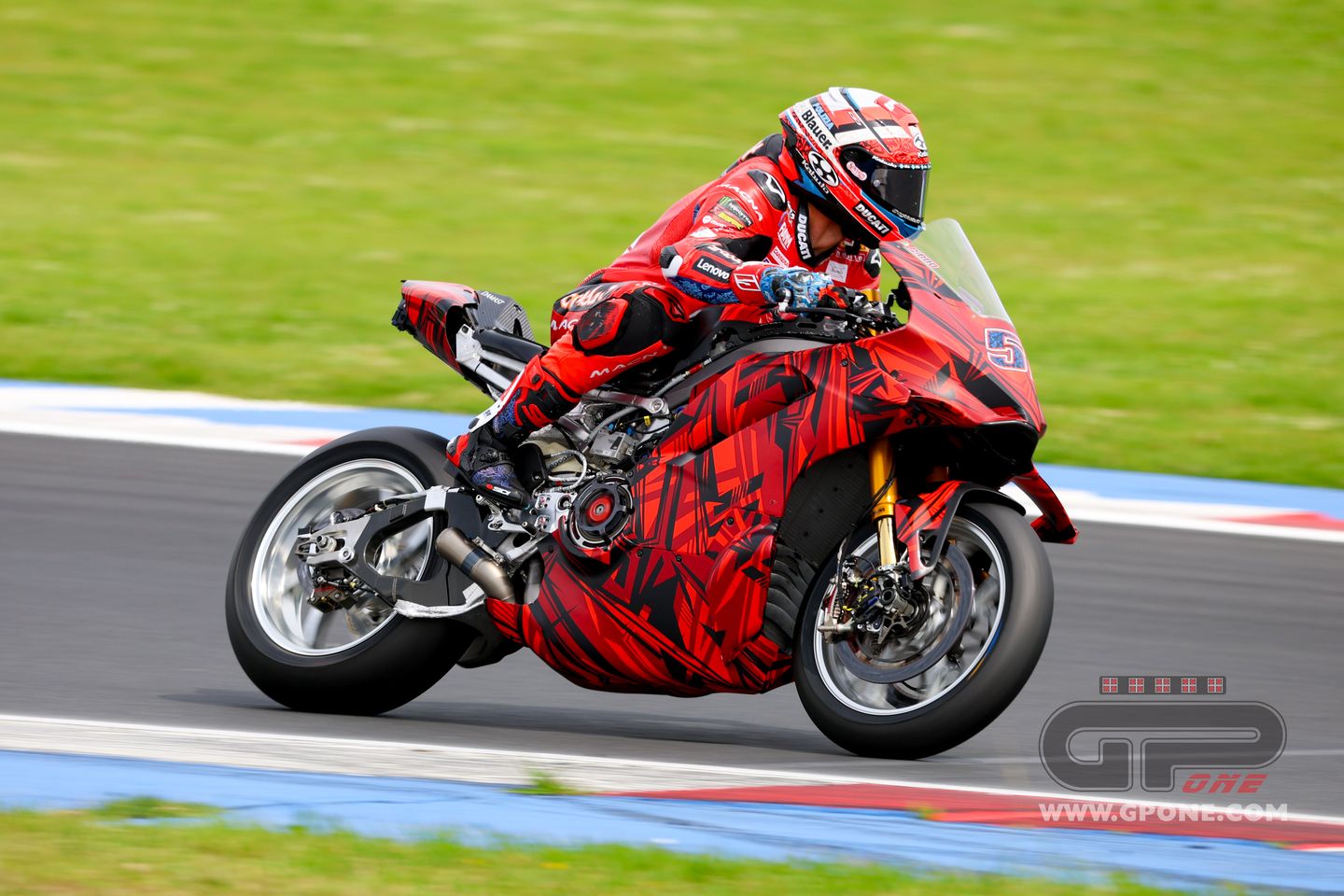
Ducati Panigale V4 S
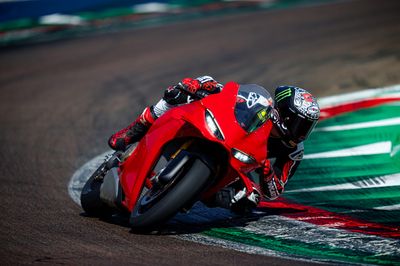
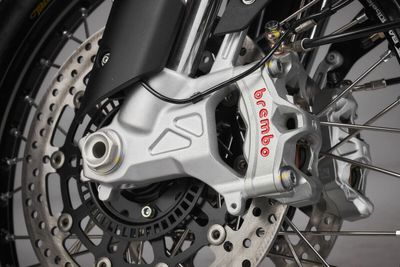
The Ducati Panigale V4 S has long been the default benchmark by which all other superbikes are judged, and the 2026 iteration doubles down on that reputation. Its 1,103cc Desmosedici Stradale V4 engine pushes 215 horsepower, but the real story is the way that power is delivered — visceral, operatic, and theatrical in a way no other production motorcycle can match. The V4 S comes equipped with Öhlins Smart EC 2.0 suspension front and rear, Brembo Stylema R monoblock calipers, and a Ducati Cornering ABS system that borders on supernatural. Ducati has also refined the riding position for 2026, making it marginally more accessible without sacrificing the aggressive tuck the circuit demands.
BMW M 1000 RR
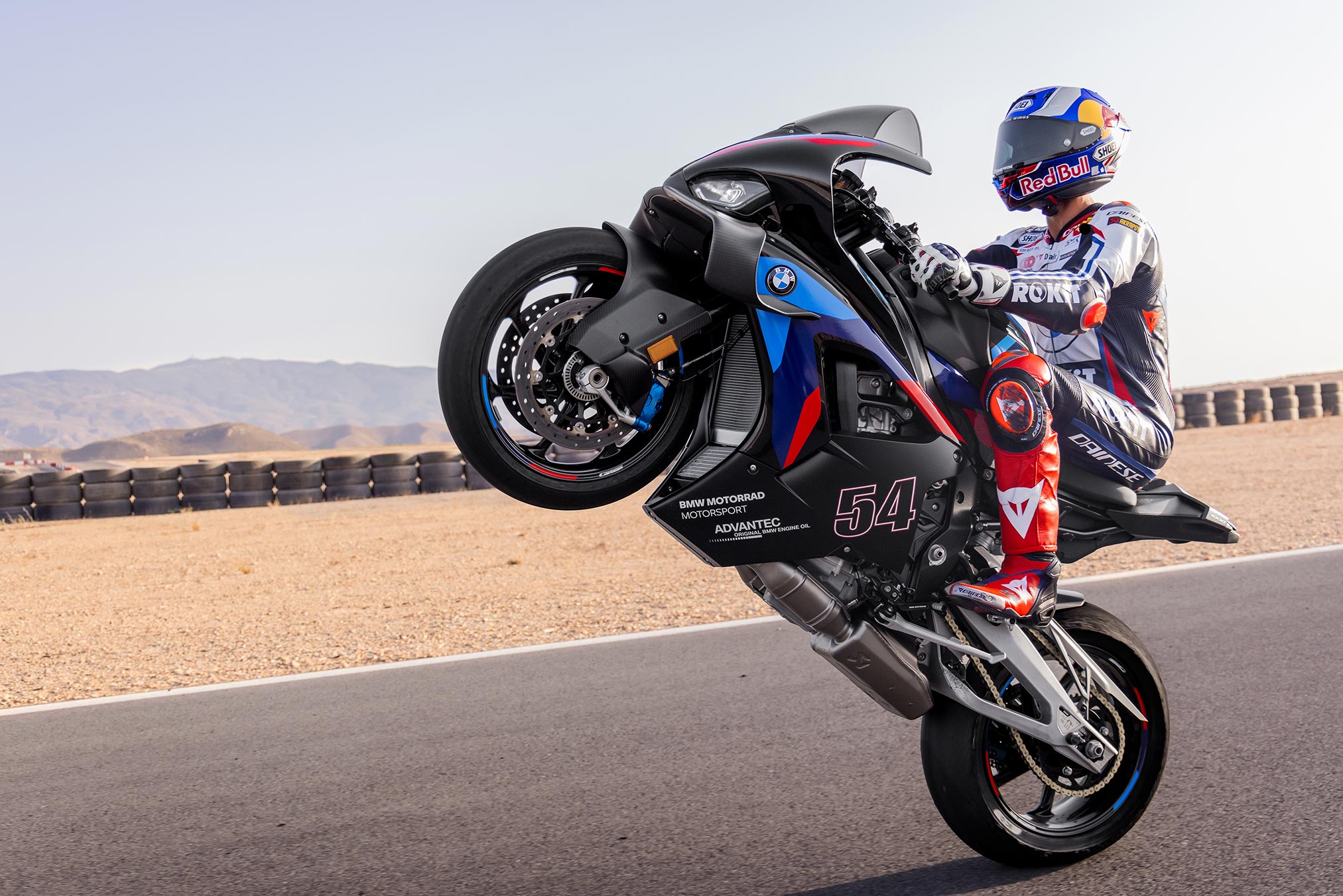
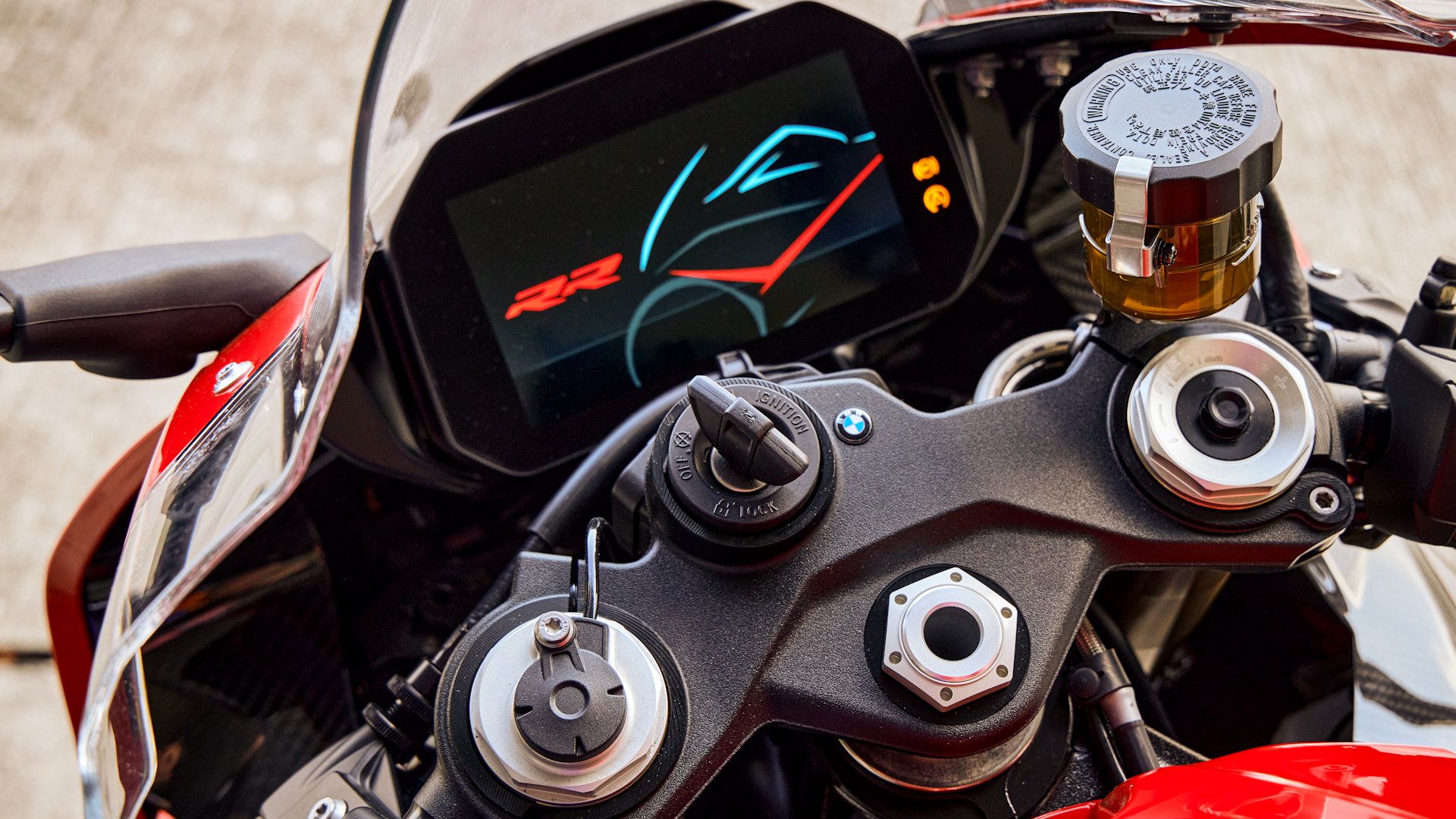
BMW's M 1000 RR is the German engineering response to Italian bravado, and it is not to be underestimated. The 999cc inline-four engine has been revised for 2026 to produce 212 horsepower, with a breadth of mid-range torque that its V4 rivals can't quite replicate. The M RR is the most aerodynamically advanced motorcycle of the three, featuring integrated winglets and a full carbon-fiber package that keeps weight at a class-competitive 192 kilograms wet. BMW's Dynamic ESA suspension, Brembo M Stylema calipers, and a six-axis IMU-based electronics platform make it an incredibly complete package. The price, however, is steep — typically north of $37,000 USD fully equipped.
On the Road: Real-World Character
Before we ever touched a circuit, we wanted to understand how these machines behave on the kinds of roads most buyers will actually ride. Superbikes that feel categorically unrideable outside of a track environment lose significant points in a real-world evaluation.
The BMW M 1000 RR was, perhaps predictably, the most composed on the open road. Its inline-four engine, despite its screaming top-end character, pulls cleanly from low revs in the urban environment, and the suspension calibration — while firm — absorbed road imperfections without upsetting the rider. Of the three, it felt most like a motorcycle you could own and actually use week to week.
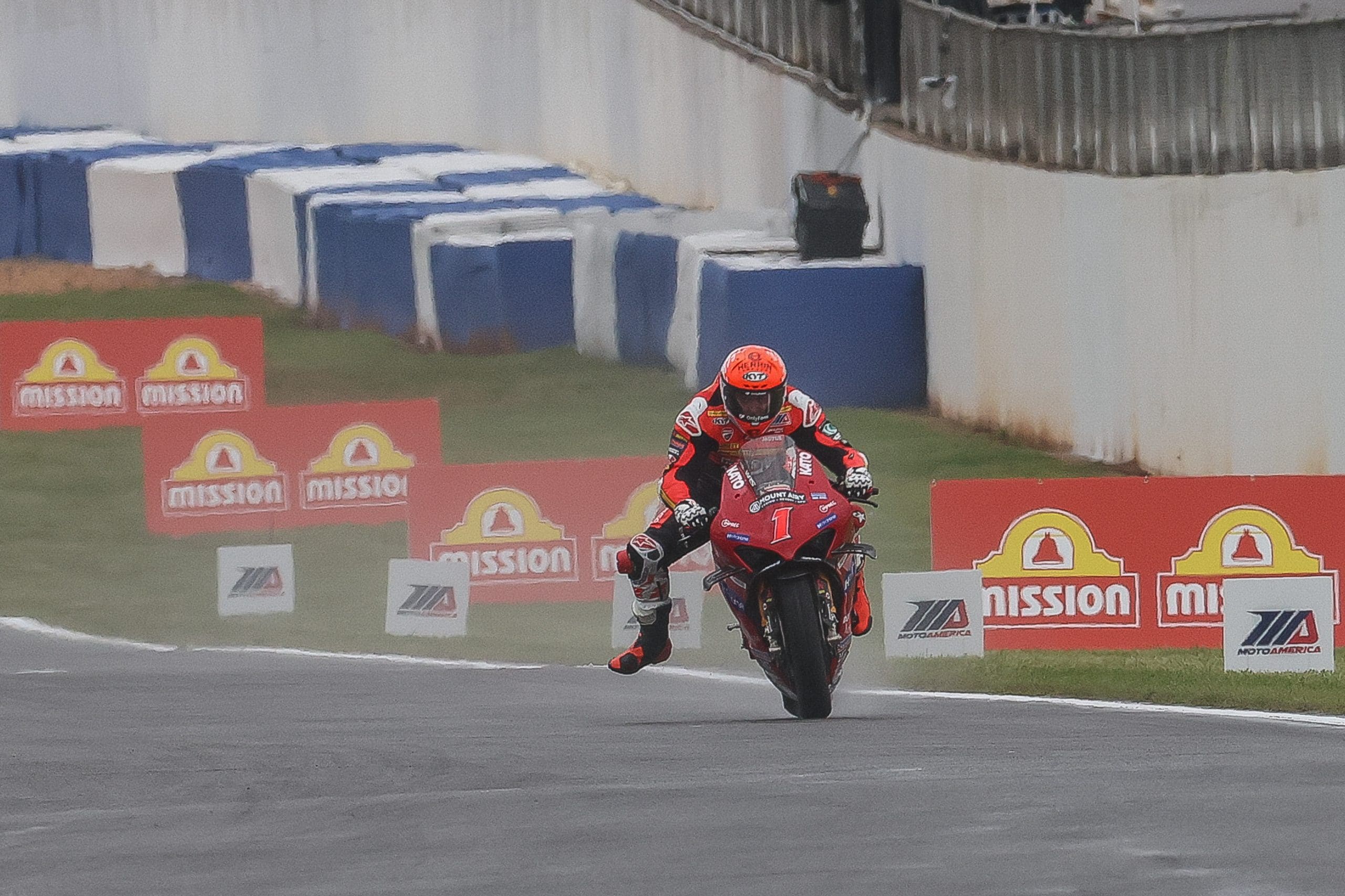
The Ducati Panigale V4 S demanded more of its rider in mixed traffic, primarily because the V4 engine's low-speed fueling requires throttle discipline that takes a few miles to develop. Once you're flowing with it, however, the Ducati transforms. On long sweeping corners and B-road blasts, it feels alive in a way the BMW never quite achieves. The sound alone — that furious, irregular V4 bark — made every fuel stop feel like an event.
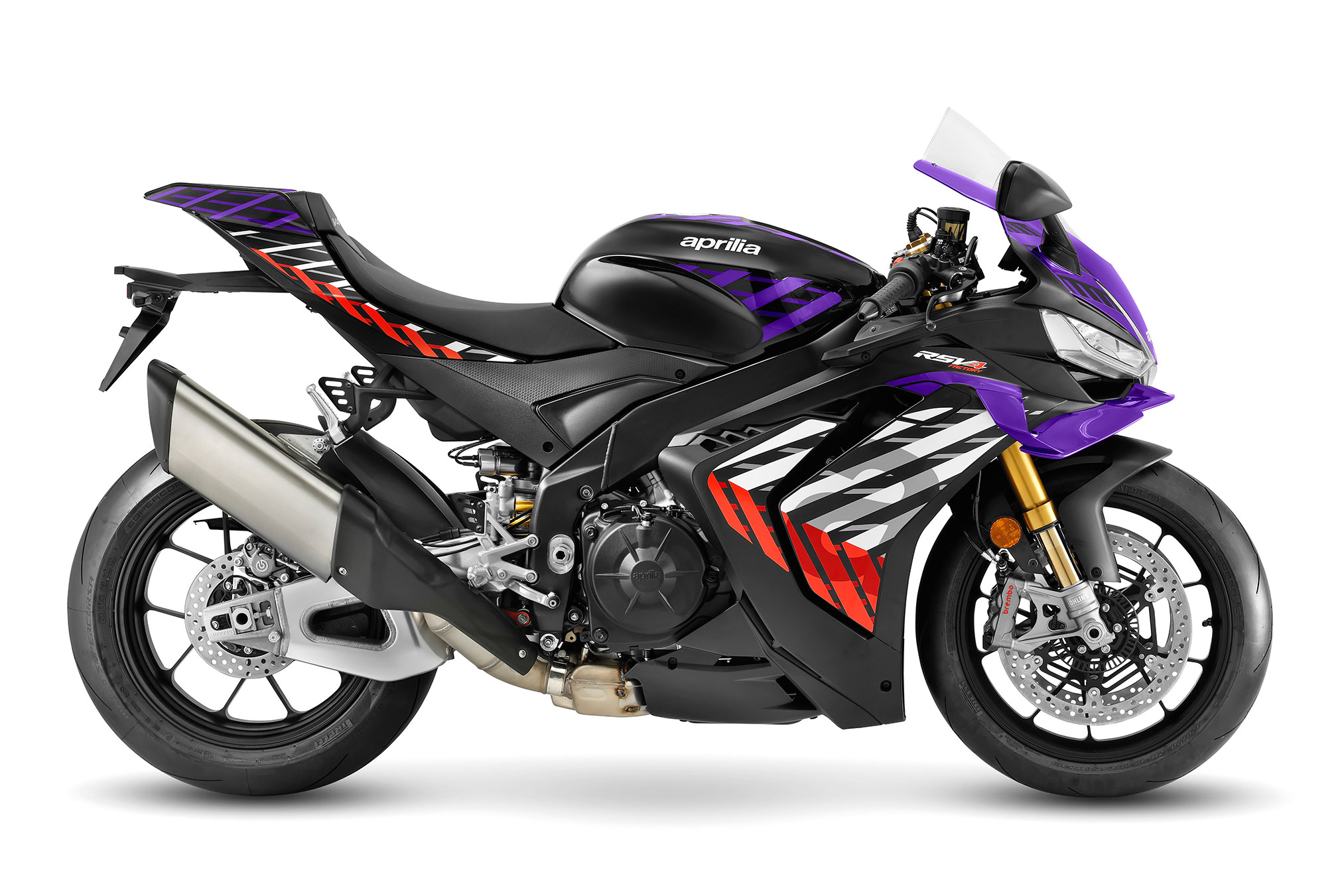
The Aprilia RSV4 Factory sat interestingly between its rivals. Its V4 engine, mounted at a shallower angle than the Ducati's, gave it a slightly more compact feel in traffic, and the APRC electronics were impressively transparent on the road. The Aprilia never felt like it was fighting you. It was the most neutral of the three — a characteristic that reads as 'boring' until you realise you've been riding harder and faster than you intended because the bike simply encouraged it.
On Track: Where Champions Are Made
Three sessions per bike, back-to-back, gave us a comprehensive picture of each machine's circuit behavior. Our test riders ranged from club-level trackday regulars to a former national-level competitor, providing a spectrum of feedback.
- Braking: The Ducati's Brembo Stylema R calipers were universally praised as the sharpest, most progressive stoppers of the group. The BMW's setup was excellent but required slightly more lever pressure. Aprilia's braking package was strong but marginally less tactile in feedback.
- Corner Entry: The BMW's inline-four and longer wheelbase gave it outstanding stability under braking and into turns. The Ducati was the most aggressive, rewarding late brakers but punishing imprecision. The Aprilia split the difference with a neutral, adjustable balance.
- Mid-Corner: All three machines were supremely capable here. The Aprilia's chassis inspired the most confidence on unfamiliar circuits due to its predictable attitude. The Ducati demanded commitment but rewarded it with an almost telepathic connection to the tarmac.
- Drive and Exit: The BMW's torque advantage became most apparent on corner exit. Its inline-four clawed out of slow turns with impressive conviction. The Ducati was electrifying at high-speed exits, while the Aprilia delivered the most manageable power character under wheelspin conditions.
- Electronics: All three systems were excellent. Aprilia's APRC edged out the competition in ease of customization. BMW's system was the most seamless and least intrusive. Ducati's suite was the most comprehensive — almost overwhelming in its depth of adjustment.
Verdict: Which Superbike Wins?
After two days and hundreds of miles, here is where we landed:
The BMW M 1000 RR is the most technically complete motorcycle of the three. Its build quality is impeccable, its electronics are seamless, and its real-world usability is unmatched. If you want the finest German engineering available in a superbike, there is no rival. However, at its price point, it demands a buyer who values precision over passion.
The Ducati Panigale V4 S remains the emotional choice — and we mean that as the highest possible compliment. No motorcycle on the planet makes you feel more like a MotoGP racer when the road opens up. It is demanding, it is theatrical, and it is the most outright exciting machine in this test. For experienced riders who live for the visceral experience of riding, it is arguably the greatest superbike ever made.
But our overall winner — by the narrowest of margins — is the Aprilia RSV4 Factory. It combines genuine World Superbike-derived performance with the most accessible, confidence-inspiring chassis in the class, all at a price that undercuts the BMW significantly. It neither overwhelms you like the Ducati nor leaves you feeling slightly detached like the BMW. It simply rides brilliantly, every single time, on every type of road. For 2026, Aprilia has delivered the most complete litre-class superbike package available — and that makes it our champion.
Final Scores at a Glance
- Aprilia RSV4 Factory: Overall Winner — Track performance, everyday usability, and value combine for an unbeatable package.
- Ducati Panigale V4 S: Runner-Up — The most emotionally rewarding superbike on the market. Experienced riders will adore it.
- BMW M 1000 RR: Third Place — Technically brilliant and built to perfection, but its premium price and slightly sterile character hold it back in this comparison.
Whichever machine you choose, you are riding something extraordinary. The 2026 litre-class superbike segment has never been stronger — and riders everywhere are the ultimate winners.