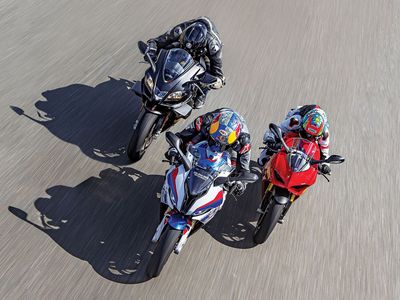
The Case for a 400cc Four-Cylinder in 2026
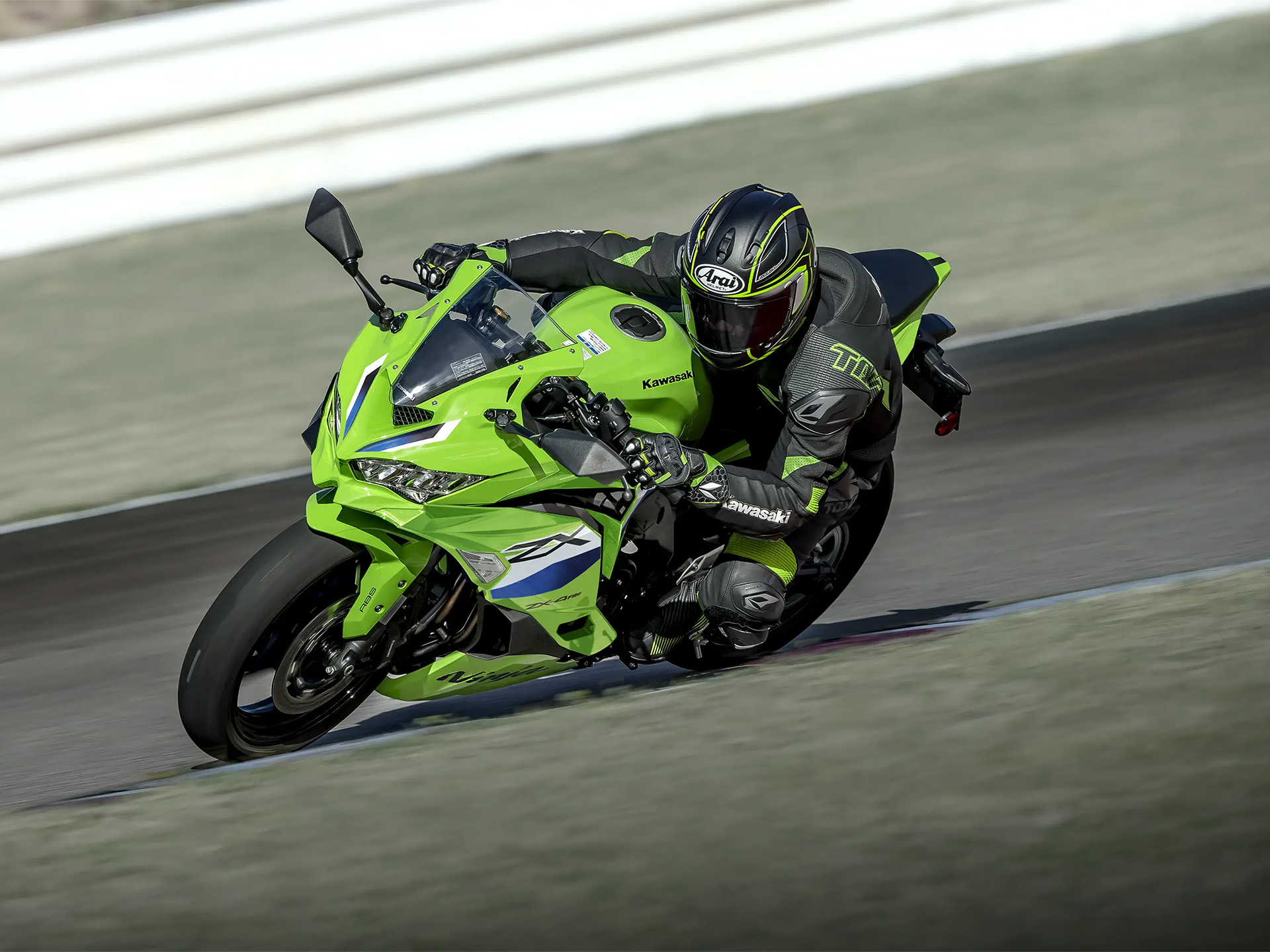
There's a moment, somewhere around 12,000 rpm on a fast uphill straight, when the Kawasaki Ninja ZX-4RR stops feeling like a 400cc bike and starts feeling like something that has absolutely no business being this much fun at this displacement. The intake howl, the urgent pull, the way the entire machine seems to sharpen its attention—it's genuinely addictive, and it's exactly the kind of sensation that makes the ZX-4RR so easy to fall in love with. We spent five days riding the 2026 model, split between a technical race circuit and real-world tarmac, to figure out whether Kawasaki's small-bore screamer is the most exciting machine in its class. The short answer: it's very hard to argue otherwise.
What's New for 2026
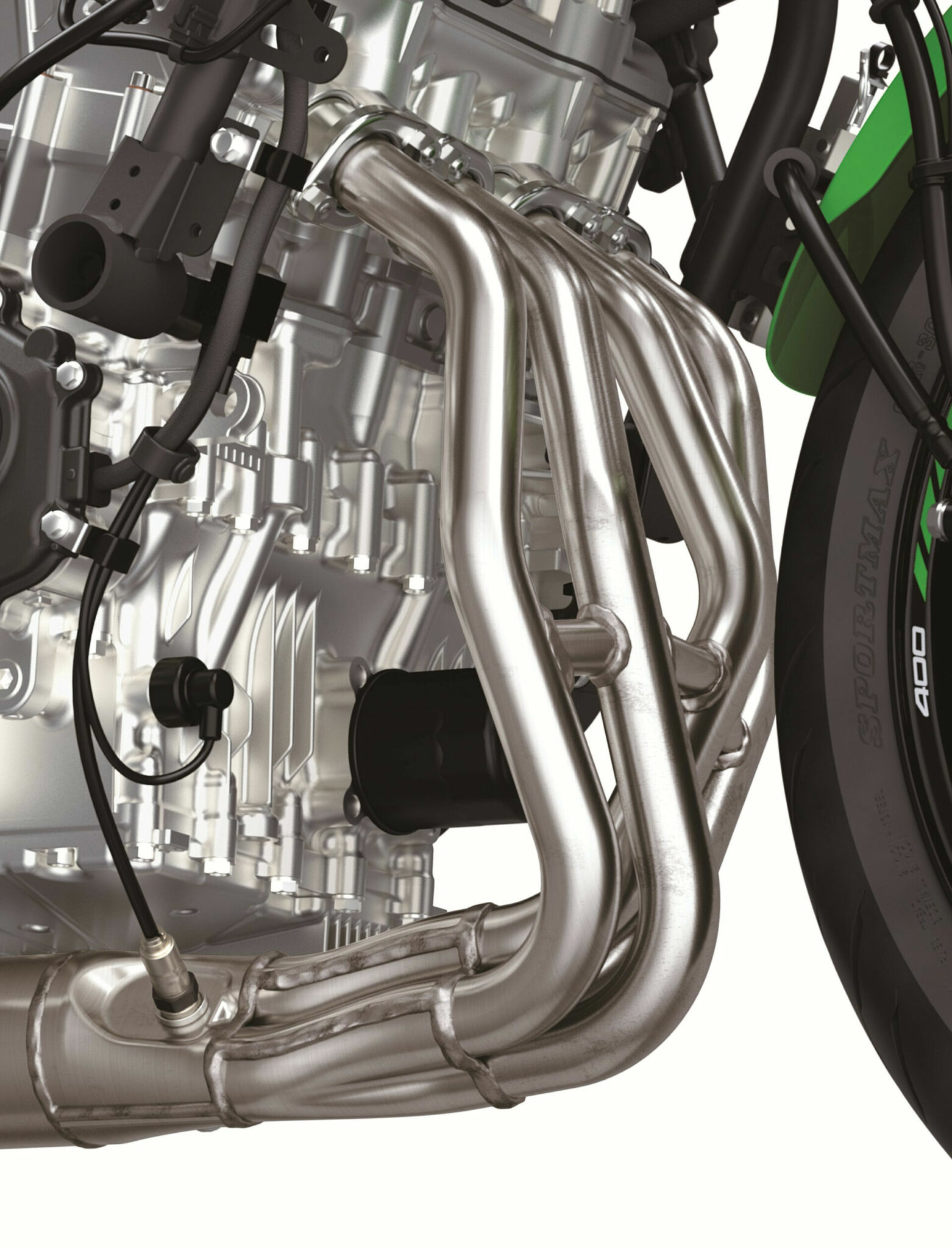
Kawasaki hasn't reinvented the ZX-4RR for 2026 so much as refined and sharpened everything that already made the platform compelling. The 399cc DOHC inline-four engine receives revised intake port geometry, a recalibrated fuel map, and lighter internals that allow the redline to stretch comfortably past 14,500 rpm. Peak power sits in the region of 77 horsepower at the crank—an impressive number for the displacement—while peak torque arrives in a strong, linear curve that makes the bike approachable even below the powerband's frenzied upper registers.
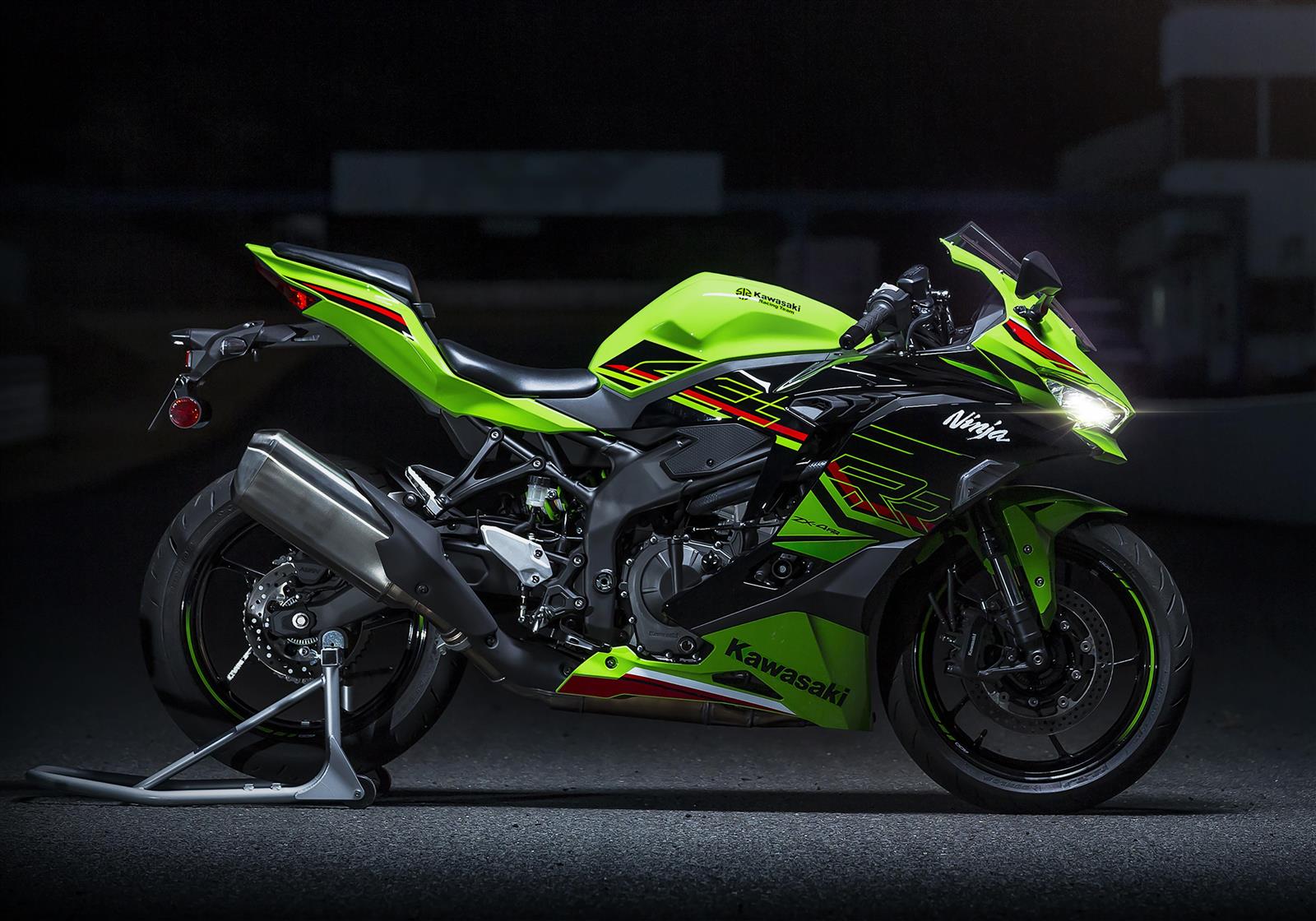
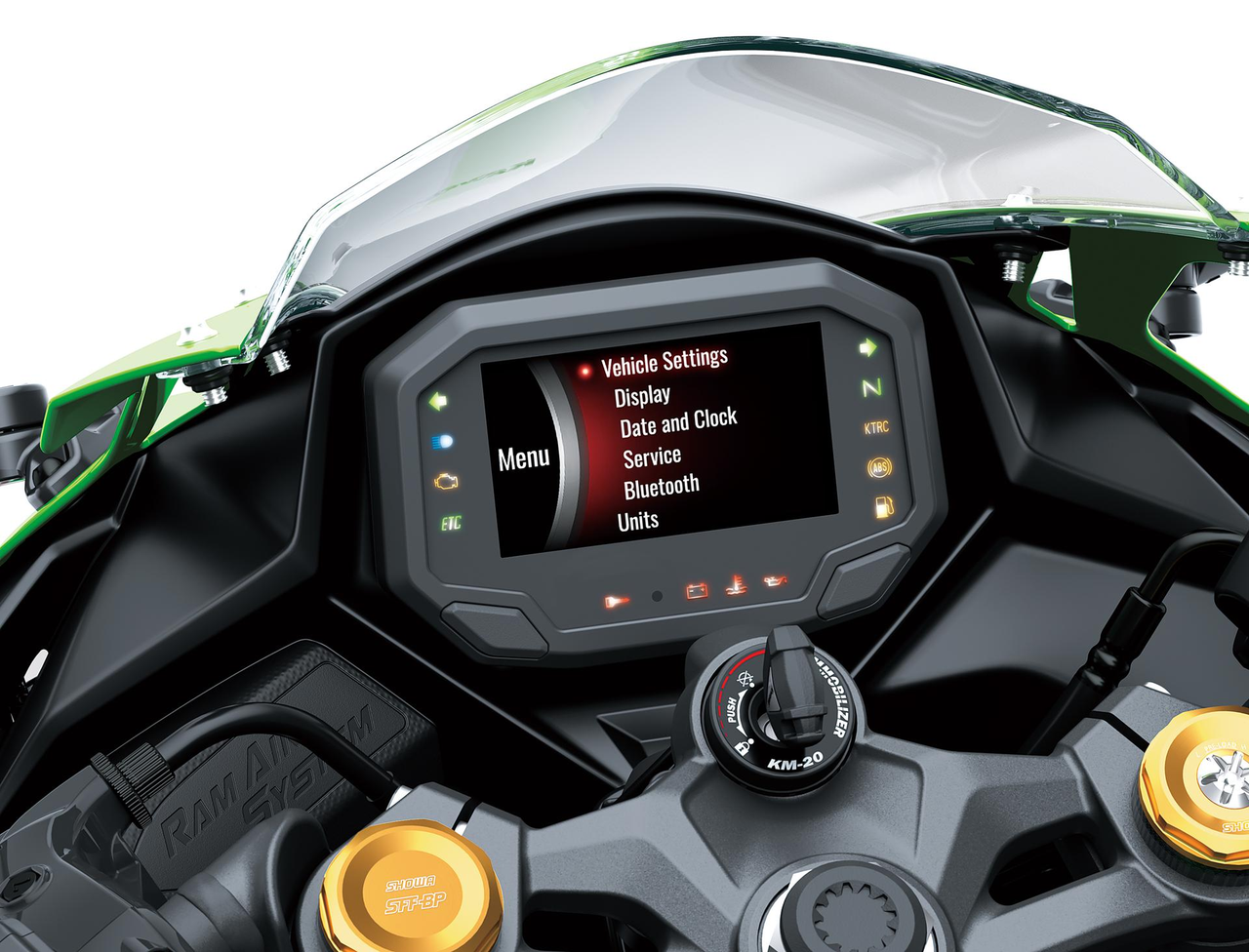
The electronics suite receives meaningful updates as well. Kawasaki's Integrated Riding Mode system now offers four selectable maps, including a dedicated Track mode with more aggressive throttle response and a looser traction control threshold. Cornering ABS is standard, and the system felt genuinely intelligent during hard trail braking on circuit—intervening only when necessary and never killing confidence in the way older, blunter systems could. A new backlit TFT display replaces the previous unit and pairs seamlessly with the Kawasaki Rideology app for data logging and ride history.
Chassis and Suspension: Built for the Track, Livable on the Street
The ZX-4RR's twin-spar aluminum frame has been carried over with minor reinforcement around the swingarm pivot, tightening up feel under hard acceleration out of slow corners. It's a chassis that communicates clearly without becoming harsh or demanding—a difficult balance to strike in a bike aimed at riders who may be track-day novices as much as seasoned club racers.
Suspension is handled by a fully adjustable 37mm inverted Showa fork up front and a Uni-Trak rear linkage with an adjustable preload and rebound shock. Out of the box, the setup leans toward the sportier end of the spectrum—stiffer than a typical naked bike but still absorbent enough to handle patchy road surfaces without beating the rider up. During our street riding days, which included a mix of smooth twisty roads and some genuinely terrible urban tarmac, the suspension coped well. On track, we stiffened the fork slightly and added a touch of rebound to the rear, and the bike became even more precise through chicanes and long, fast sweepers.
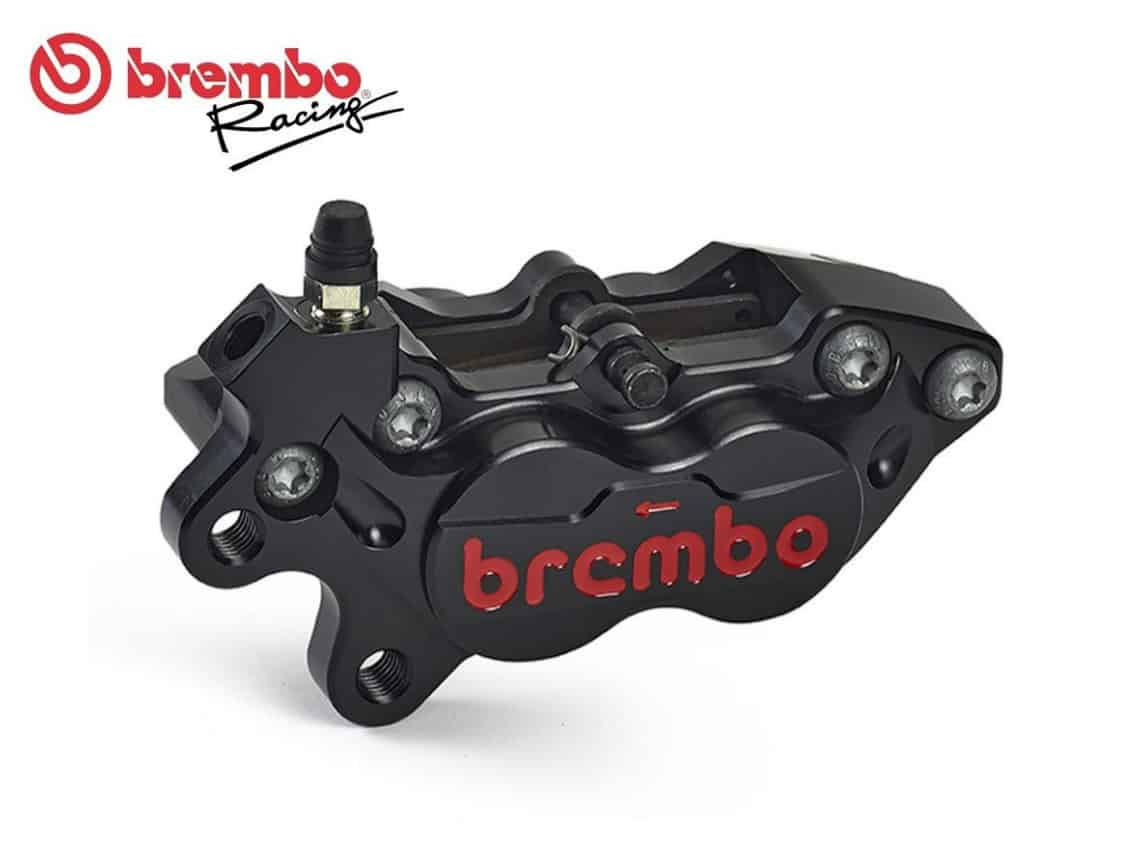
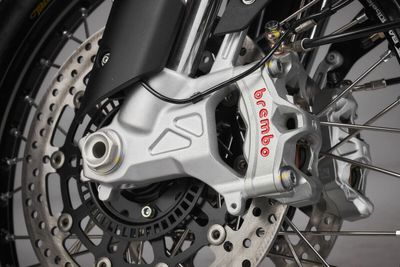
Braking is handled by radially mounted Brembo monobloc calipers gripping dual 290mm front discs, and the feel through the lever is excellent—progressive and confidence-inspiring under hard stops, with the cornering ABS working subtly in the background when needed. Rear braking via a single 220mm disc is adequate, though experienced riders will find themselves using it primarily for chassis management rather than serious deceleration.

On the Circuit: Five Days of Learning What This Bike Can Really Do
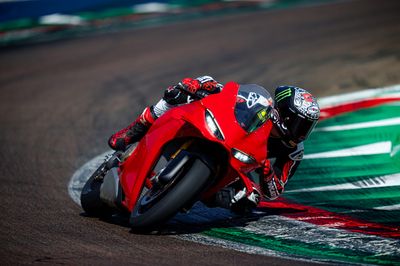
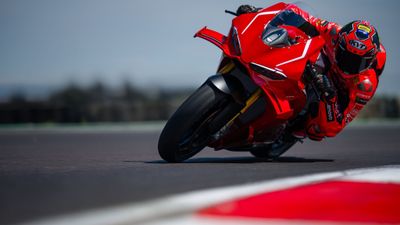
Track testing is where the ZX-4RR earns its stripes, and we had five full sessions of varying lengths to explore its limits. The inline-four's character is fundamentally different from a parallel-twin of similar displacement. Where a twin delivers torque early and forgives lazy gear choices, the ZX-4RR demands commitment. You need to keep it in the upper third of the rev range to access the real performance, which means precise, frequent gearshifts and a willingness to trust the chassis through corners at speeds that might feel alarming on a first acquaintance.
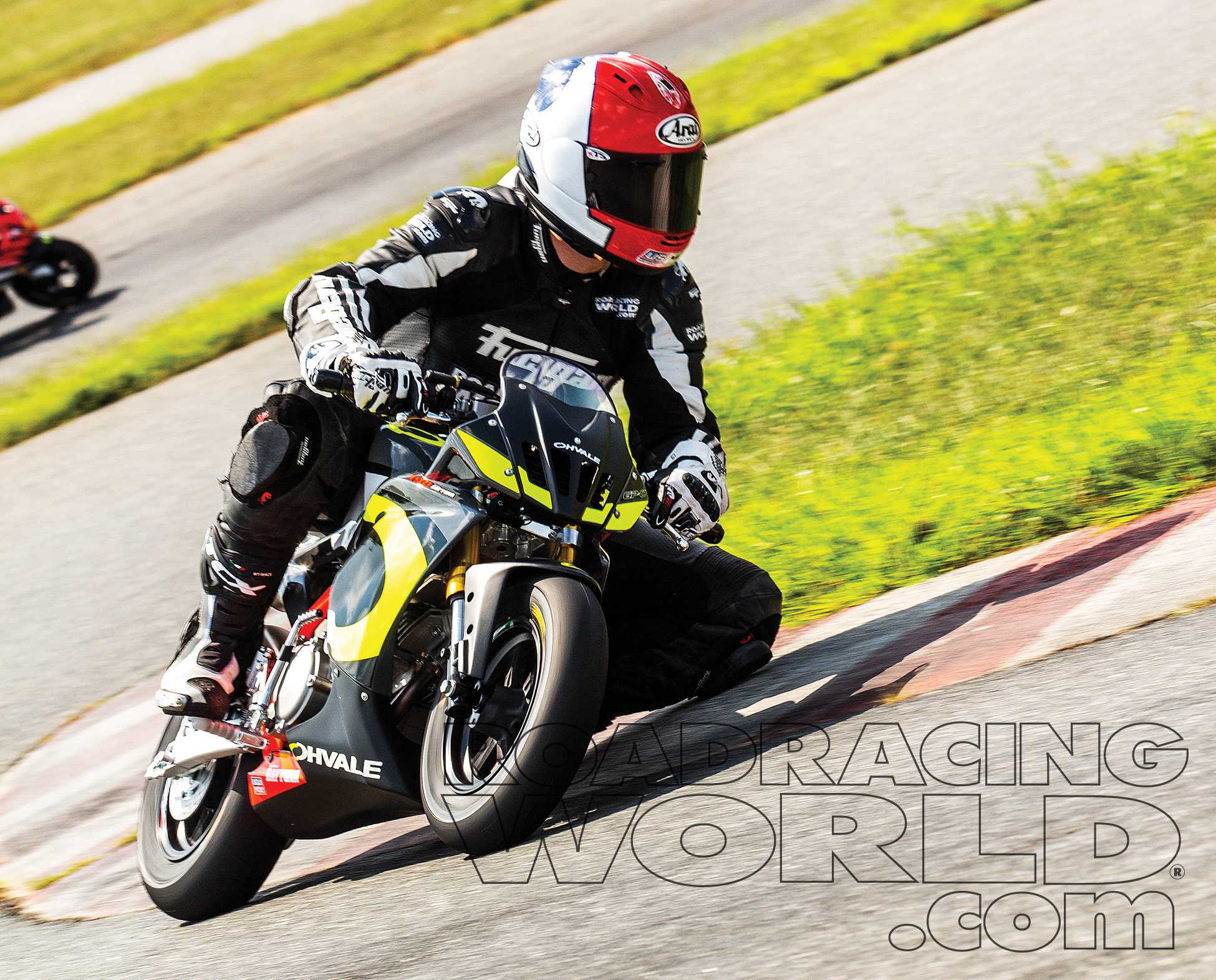
Once that trust develops—and it develops quickly, because the bike rewards smooth inputs with exceptional feedback—the ZX-4RR becomes genuinely fast in a way that surprises. It's not a numbers game; on a dragstrip, bigger bikes will always win. But on a technical circuit with multiple slow corners and elevation changes, the ZX-4RR's lightness, precision, and tireless high-rpm engine make it a weapon. We consistently found ourselves catching and passing larger-displacement machines through technical sections, simply because the bike can be thrown into corners with minimal setup and almost no concern about mid-corner surprises.
The quickshifter, standard on the RR specification, is smooth and fast in both directions, and the slip-assist clutch makes corner entry under engine braking feel controlled and neutral. These are features you'd expect on far more expensive machines, and their presence here speaks to how seriously Kawasaki takes the ZX-4RR's track credentials.
Living With It: Street Manners and Practicality
Five days of riding isn't all track time, and the ZX-4RR proved itself a capable and entertaining road companion even in more mundane conditions. Ergonomics are firmly sportbike in nature—a committed forward lean, moderate reach to the bars, and rear-set footpegs that position the knees high. Taller riders above six feet will feel cramped on longer stints, but for rides up to an hour or two, the position is manageable. Shorter riders will appreciate the accessible seat height and relatively light 196kg wet weight, which makes low-speed maneuvering easy.
Urban riding is not the ZX-4RR's natural habitat, but it's less miserable than you might expect. The clutch is light, the low-rpm fuelling is smoother than on previous versions, and the bike isn't excessively hot in traffic. Wind protection from the small but well-shaped fairing is decent at highway speeds, though long motorway stints will tire arms and wrists.
How It Compares to the Competition
- Yamaha YZF-R3: More accessible and beginner-friendly, but the parallel-twin can't match the ZX-4RR's top-end character or track-focused electronics.
- Honda CBR500R: Easier to live with daily and better for two-up riding, but it's a fundamentally different machine aimed at a different rider.
- Aprilia RS 457: A serious rival with a characterful parallel-twin and excellent chassis, though the ZX-4RR's four-cylinder soundtrack and rev ceiling give it an experiential edge.
- KTM RC 390: Compact, aggressive, and excellent value, but the single-cylinder engine can't replicate the ZX-4RR's multi-cylinder drama.
Verdict: The Most Exciting Small-Bore Sport Bike You Can Buy?
After five days and several hundred kilometers of mixed riding, the 2026 Kawasaki Ninja ZX-4RR makes a powerful argument for itself. It isn't the easiest small-bore sport bike to ride, and it certainly isn't the most practical. But it is, without real question, the most exciting. The inline-four engine delivers a riding experience that feels genuinely special—the kind that makes you plan routes specifically to hit certain roads at certain times of day. The electronics are sophisticated without being intrusive, the chassis rewards skill and develops trust quickly, and the overall package feels cohesive and purposeful in a way that cheaper or simpler rivals can't quite match.
If you're a rider who prioritizes engagement, track capability, and that intangible sensation of a machine that wants to go fast as much as you do, the ZX-4RR is the answer. It is, right now, the most exciting small-bore sport bike you can buy—and the 2026 updates make a strong case for it being the best version yet.