Why Solo Riders Need a Purpose-Built Intercom System
There's a common misconception that motorcycle intercom systems are only for group rides. The truth is, solo riders arguably have more to gain from a well-chosen headset. Whether you're navigating unfamiliar roads with GPS turn-by-turn instructions, streaming music on a long interstate haul, or taking hands-free phone calls without pulling over, the right Bluetooth headset transforms how you experience every mile. In 2026, the market has matured significantly, offering solo-optimized units that don't make you pay for pairing channels and multi-rider features you'll never use.
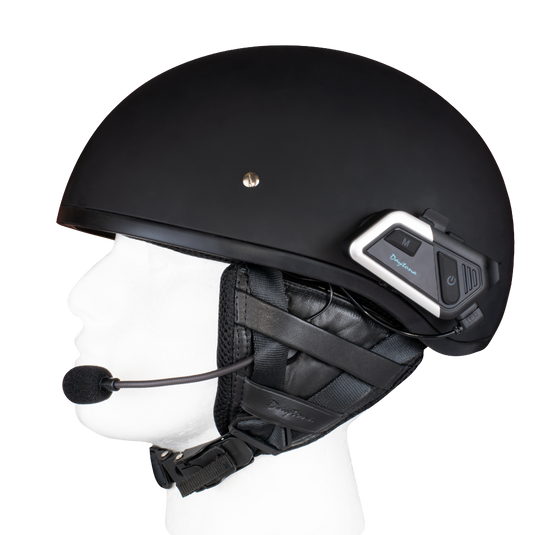
Over the course of six weeks, our team mounted nine different Bluetooth headsets across three helmet types — full-face, modular, and open-face — and rode them across a mix of environments: open highway at sustained speeds, tight mountain switchbacks with engine noise and wind buffeting, urban stop-and-go traffic, and everything in between. We evaluated each unit on audio quality, microphone performance, battery endurance, installation ease, control intuitiveness, and overall value for the solo commuter or touring rider.
What We Tested: The 2026 Lineup
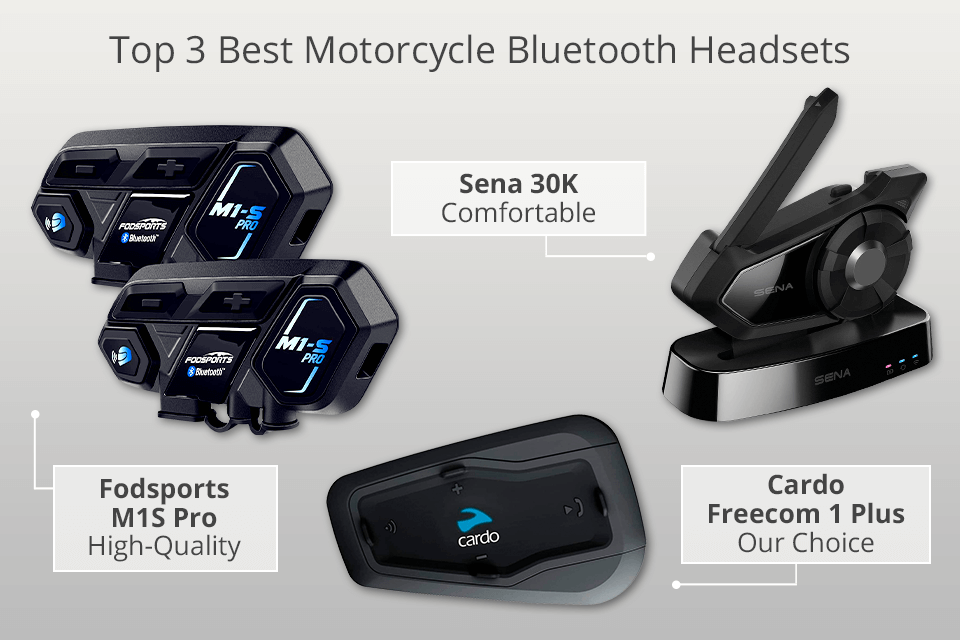
The nine systems we evaluated represent the current range of price points and feature sets available to solo riders. They included established names that have been refining their hardware for years as well as newer challengers pushing the premium tier hard. Without picking favorites just yet, the category broadly breaks into three tiers: budget-friendly units under $100, mid-range performers in the $100–$200 window, and premium systems above $200 that chase audiophile-level sound and advanced noise cancellation.

Key Evaluation Categories
- Audio Quality: Clarity of music and navigation audio at 60 mph and 80 mph sustained speeds
- Microphone Performance: How well the caller on the other end hears you above wind and engine noise
- Battery Life: Actual ride time versus manufacturer claims
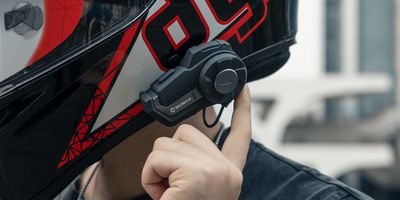
- Ease of Installation: Speaker fit, boom mic versus wire mic, helmet compatibility
- Control Interface: Button layout, glove-friendliness, voice command responsiveness
- Connectivity Stability: Bluetooth pairing speed and how well units held phone connections through dead zones
- Value: Whether the price reflects real-world performance
Highway Performance: Where Many Systems Struggle
At sustained highway speeds, wind noise is the great equalizer. Systems that sound impressive in parking-lot demos can fall apart completely at 75 mph. The units that impressed us most on the highway shared two characteristics: advanced DSP (Digital Signal Processing) noise cancellation and physical speaker design that directed sound into the ear canal rather than projecting outward into the helmet's interior.
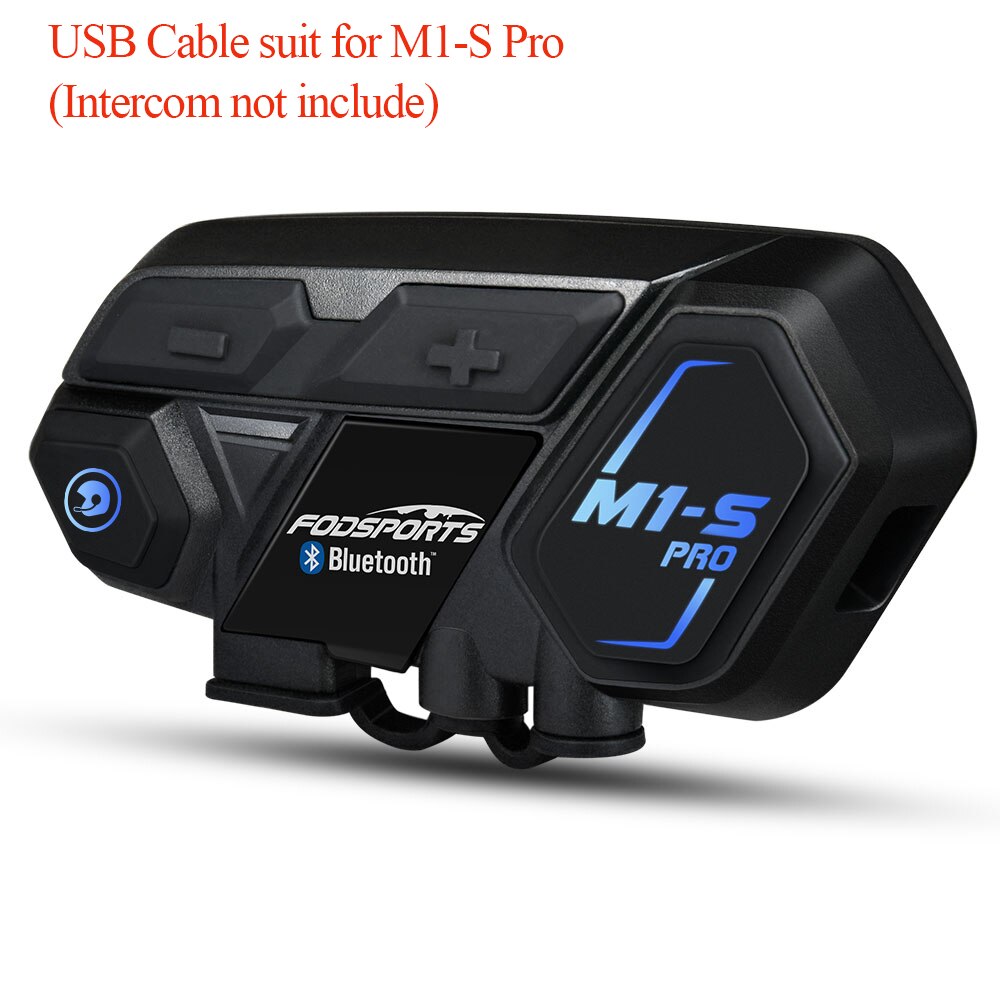
Premium-tier headsets with dedicated noise-reduction chipsets delivered noticeably cleaner audio at speed, with music remaining intelligible and navigation prompts cutting through clearly without requiring dangerous volume levels. Mid-range units were a mixed bag — some punched well above their price class while others with impressive spec sheets delivered muddy, wind-saturated audio that had us missing turn prompts. Budget systems, honestly, struggled at anything above 60 mph for music enjoyment, though phone call quality was surprisingly acceptable on the better-designed units in that tier.
One underappreciated factor we noticed: speaker depth matters enormously depending on your helmet's cheek pad thickness. Several riders on our team with thicker-padded helmets found certain speaker housings sitting too far from their ears, creating a hollow, distant sound regardless of the headset's underlying quality. Always check speaker depth specs against your helmet before purchasing.
Mountain Routes: The Real Test of Microphone and Controls
Winding mountain routes introduced variables the highway couldn't: constant speed changes, helmet movement during aggressive cornering, temperature shifts, and the need to operate controls quickly with gloves on. This is where control interface design separated the contenders from the also-rans.
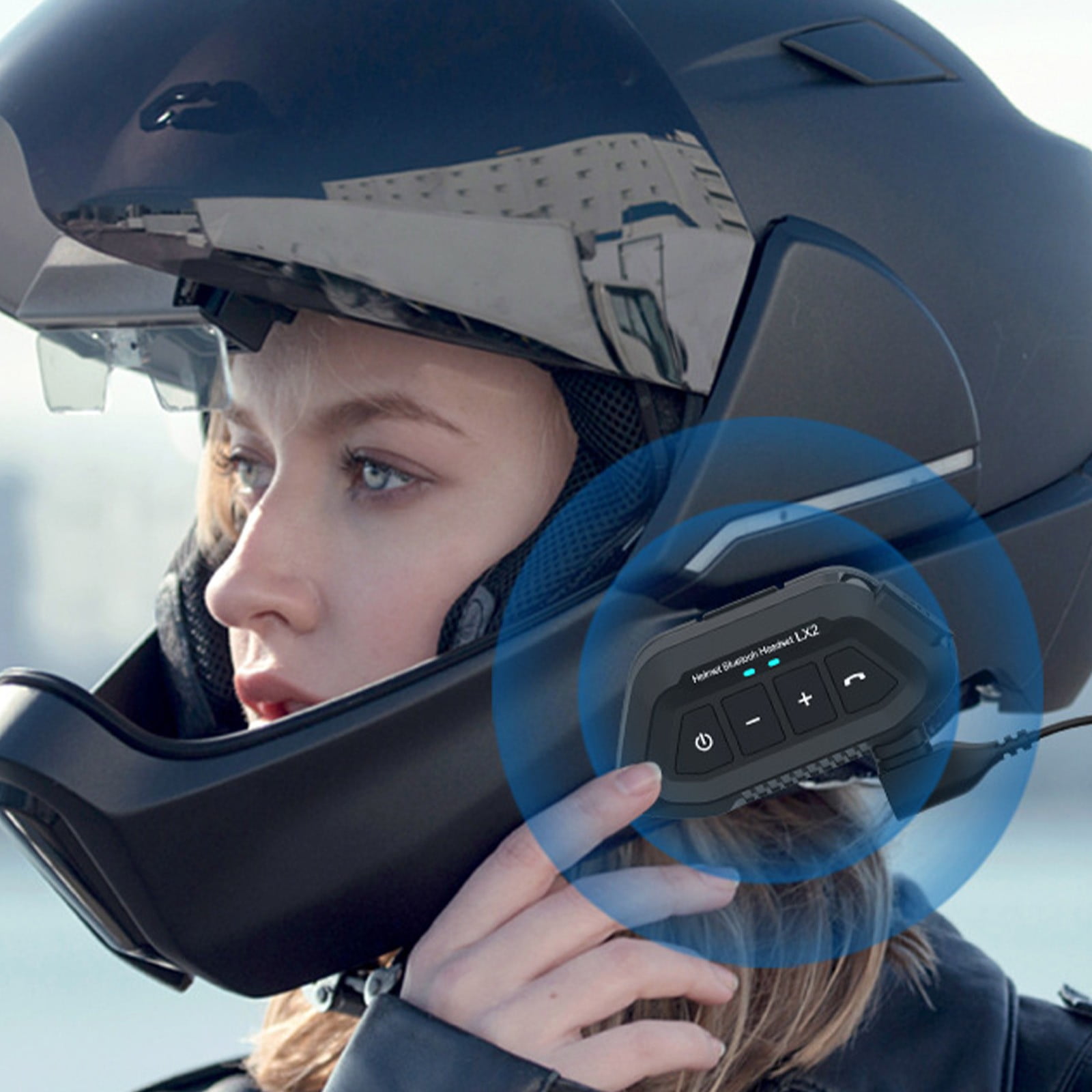
Systems with large, distinctly tactile buttons that could be identified by touch without looking won immediate loyalty from our testers. Conversely, sleek flush-button designs that look stunning in product photos became genuinely frustrating when wearing thick gloves on a cold descent. Voice command responsiveness also varied wildly — the best systems activated reliably within a word or two; the worst required near-perfect pronunciation and quiet conditions that mountain roads simply don't provide.
Microphone performance on mountain routes revealed which units had genuinely invested in noise isolation. Riders making hands-free calls through tight canyons with significant engine noise and buffeting wind reported dramatically different experiences. Callers receiving calls through top-performing headsets described the audio as clear and natural. Callers on the other end of budget units described it as sounding like the rider was standing next to a running lawnmower.
Battery Life: Real Numbers vs. Marketing Claims
This is the category where manufacturer claims diverged most dramatically from real-world results. Several units rated for 13 or 14 hours of use delivered closer to 9 or 10 hours of continuous music streaming with occasional phone use — still respectable, but a meaningful gap if you're planning multi-day touring. The most honest performers were the units whose real-world numbers came within an hour of their stated claims.
Charging speed also varied. Some units recovered from dead to full in under two hours via USB-C; others took four-plus hours and still used older micro-USB connectors in 2026, which is increasingly unacceptable at premium price points.
Our Top Picks by Category
Best Overall for Solo Touring Riders
The headsets that earned top marks overall were those combining genuinely excellent highway audio, reliable voice commands, all-day battery life within reasonable tolerance of their claims, and USB-C fast charging. If you're putting in serious solo touring miles, don't compromise on DSP noise cancellation — it's the single feature with the most impact on ride-day enjoyment.
Best Value Under $150
Mid-range buyers have more strong options in 2026 than ever before. The sweet spot in this tier delivers 80 percent of premium performance at half the price. Look for units with boom microphones rather than wire mics for better wind isolation, and prioritize speaker depth specs that match your helmet.
Best for Commuters
Daily commuters have different priorities: fast pairing, reliable phone call quality, and a durable build that handles being installed and removed regularly. Units with magnetic quick-connect speaker systems scored highest with our commuter testers for the reduced wear on cables over time.
What to Look for When Shopping in 2026
- USB-C charging is now the baseline expectation — avoid micro-USB at any price point
- Look for active noise cancellation specifically tuned for wind, not just general ambient noise
- Verify speaker depth compatibility with your specific helmet model before buying
- Voice command quality has improved across the board, but premium units still lead significantly
- Mesh intercom features add cost; if you're a committed solo rider, skip them and invest those dollars in audio hardware
- Check for companion app availability — the best units offer EQ adjustment and firmware updates via app
Final Verdict: Invest in Audio, Not Features You Won't Use
The best motorcycle intercom for a solo rider in 2026 is not necessarily the most feature-rich one on the shelf. It's the one that delivers clear audio at speed, picks up your voice cleanly in wind, lasts all day on a charge, and has controls you can operate without taking your eyes off the road. Group pairing channels, mesh networking, and multi-user conference modes are genuine innovations — but they're innovations you're paying for whether you use them or not. Define your actual use case, match it to the right tier, and ride with better sound than you thought was possible.