The Classic Gets a Heart Transplant — And We're Here for It
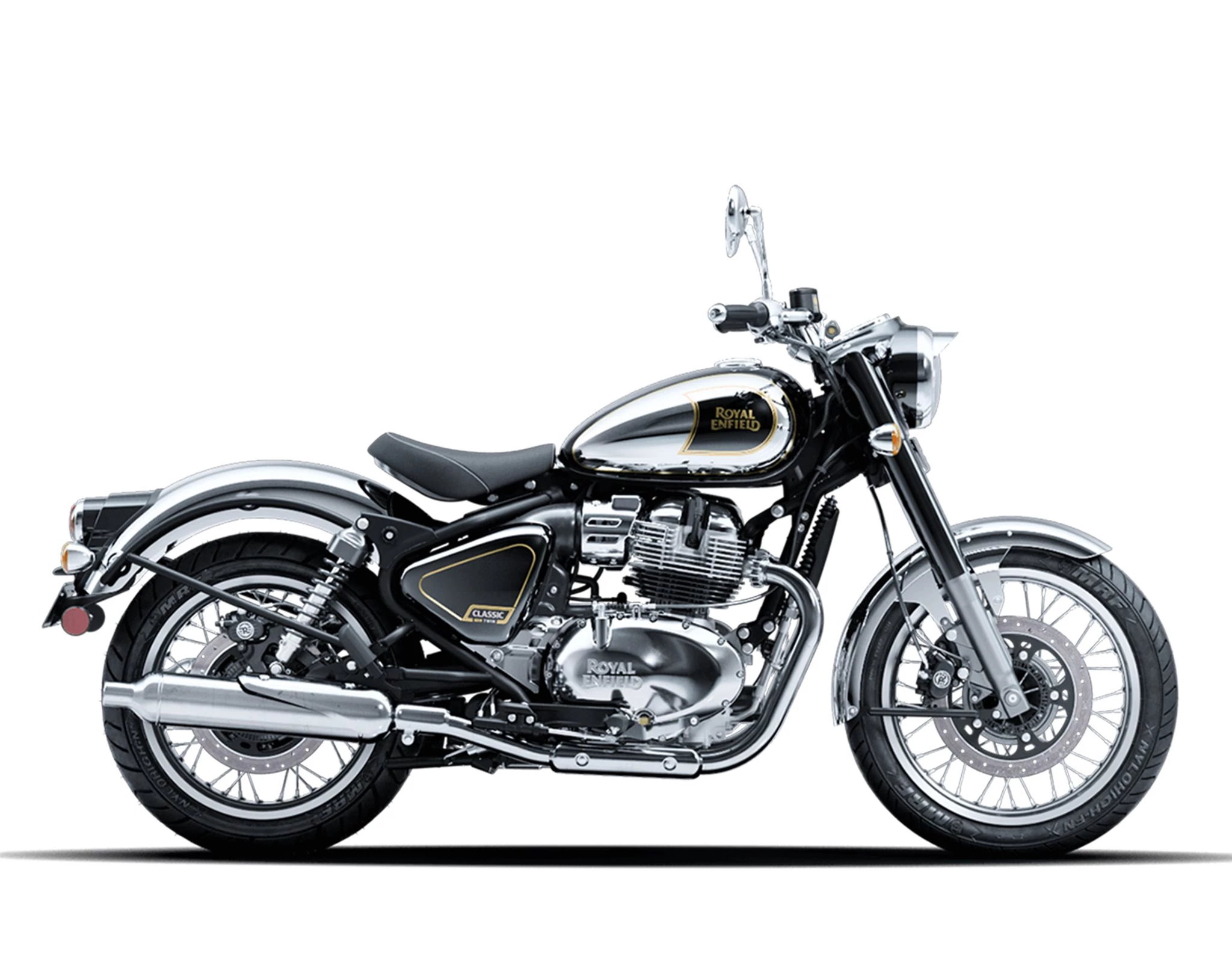
There's a moment, somewhere around mile 200 of a long highway stretch, when a motorcycle either reveals its soul or exposes its shortcomings. Riding the 2026 Royal Enfield Classic 650, that moment came early — and it came with a soundtrack. The parallel-twin engine burbled through a lazy throttle roll, the chrome headlight caught the afternoon sun, and for a few seconds, it felt like 1965. Except it wasn't. The brakes worked. The suspension tracked cleanly. The engine didn't vibrate your hands numb. This is the Classic 650, and Royal Enfield has done something remarkable: they've modernized a retro icon without making it feel like a museum piece in a tracksuit.
What Is the Classic 650, Really?
Royal Enfield has been selling the Classic 500 and its air-cooled siblings for years, racking up enormous global sales numbers on the strength of affordable nostalgia. But with the Classic 650, the company has stuffed the same 648cc air-oil cooled parallel-twin from the Interceptor 650 and Continental GT 650 into that familiar teardrop-tanked, chrome-laden body. The result is a bike that looks like your grandfather's British roadster but rides with a confidence that would surprise him thoroughly.
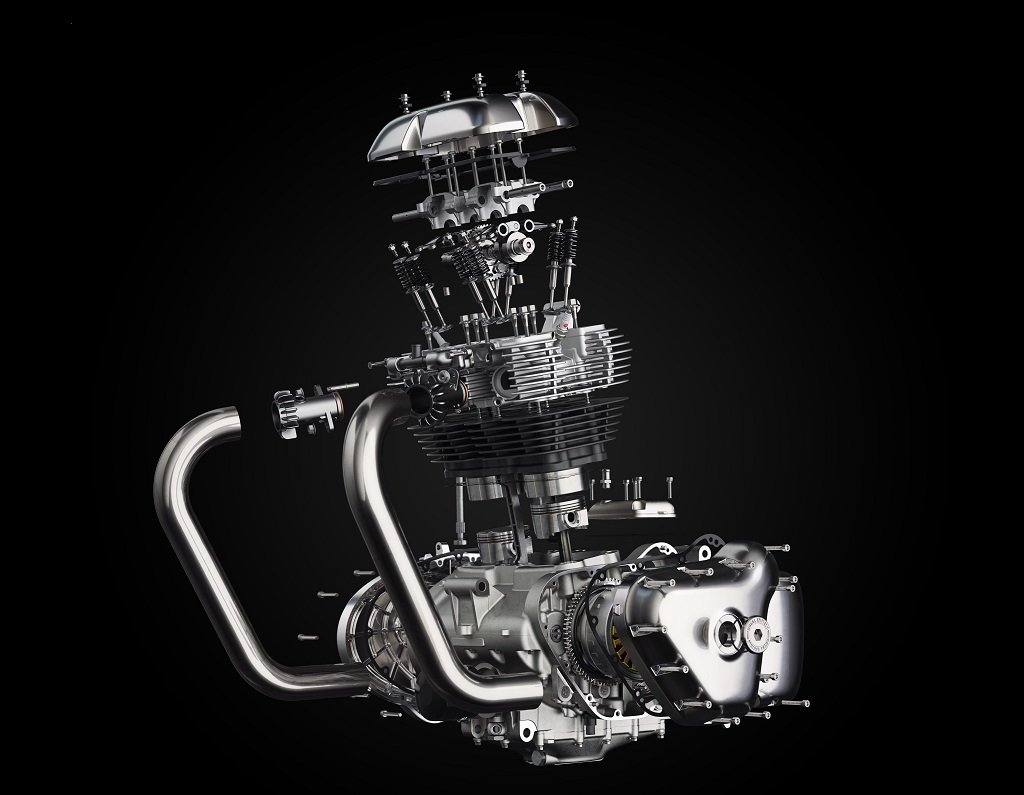
On paper, the numbers are modest by modern standards: roughly 47 horsepower and 38 lb-ft of torque. But in the real world, those numbers sit in exactly the right place for a bike of this character — enough grunt to keep pace with urban traffic and hold comfortable highway speeds without demanding that you wring the neck of the engine at every intersection.
Six Days, Two Very Different Environments
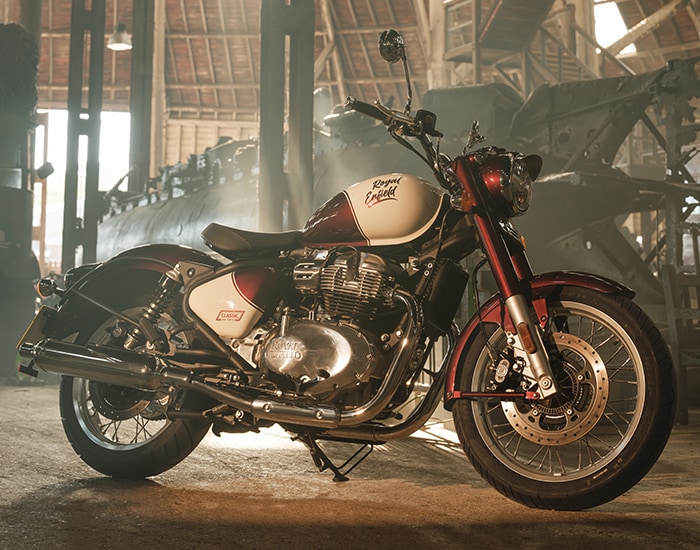
Our test route covered approximately 900 miles across six days. The first two days were pure urban riding — stop-and-go commuting, lane filtering where legal, navigating tight parking lots, and absorbing the kind of low-speed chaos that city streets serve up daily. Days three and four moved to two-lane backroads and canyon runs with long sweeping corners and a few tight switchbacks. The final two days were open highway — long straights, sustained speeds, and the kind of riding that tells you everything about wind management, seat comfort, and engine stamina.
City Streets: Surprisingly Agile
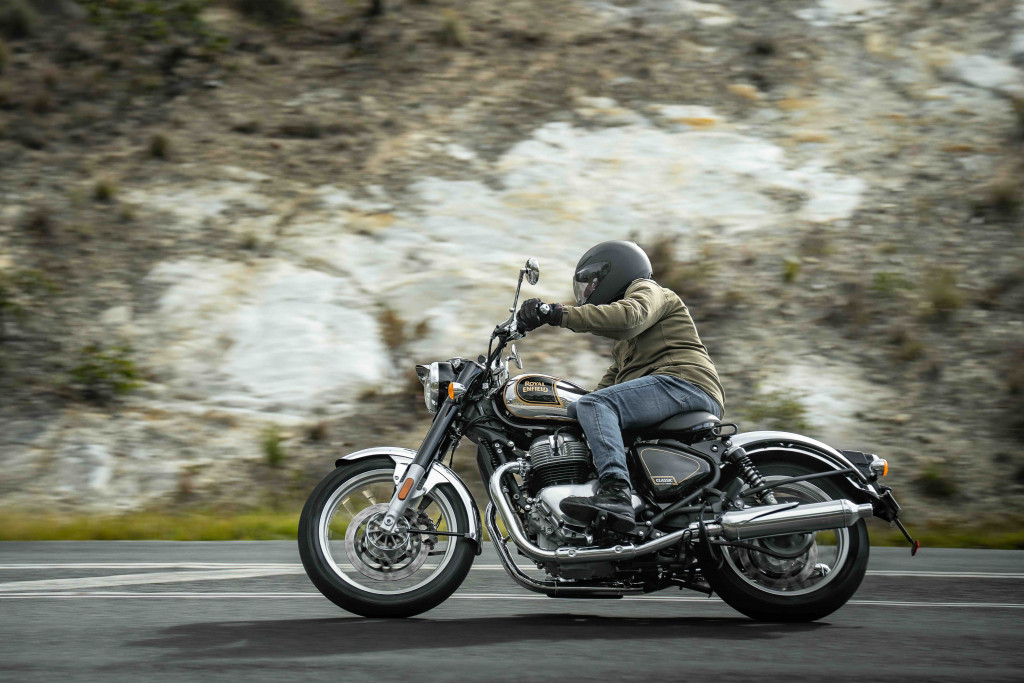
The Classic 650 is not a small motorcycle, but it doesn't ride large either. The seat height sits around 805mm (just under 32 inches), which puts most riders flat-footed or close to it. The weight — approximately 213 kilograms wet — is noticeable when you're pushing it backward into a parking spot, but once rolling, the bike feels lighter than the numbers suggest. Low-speed maneuverability was genuinely impressive. The parallel-twin's torque delivery is smooth enough at city speeds that you rarely feel the need to slip the clutch aggressively, and the six-speed gearbox clicked through ratios with clean, positive shifts throughout our test.
The brakes — dual-channel ABS as standard — inspired real confidence in mixed urban conditions. The front disc setup offers progressive feel without the wooden, on-off character that plagues some bikes in this price segment. We never felt unsettled or caught out in hard stops from urban speeds.
Backroads: Where It Genuinely Shines
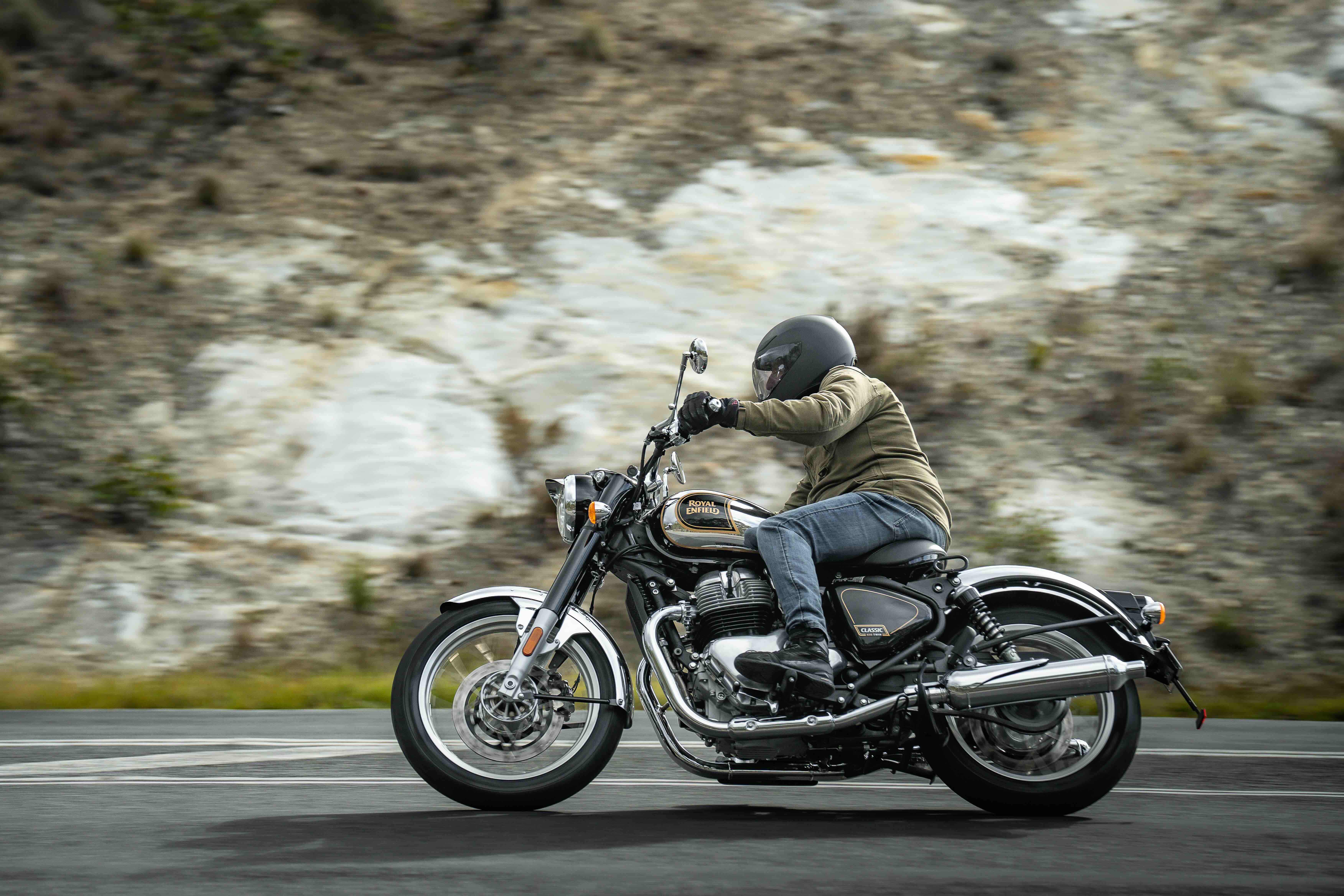
If the city revealed competence, the backroads revealed character. The Classic 650 does not pretend to be a sportsbike. The suspension is tuned for comfort and stability over outright cornering aggression, and the riding position — upright, relaxed, arms bent slightly — encourages smooth, flowing riding rather than hard-charging aggression. Lean angles are respectable for a bike of this style, and the pegs only touched down when we genuinely pushed beyond what the riding position naturally encourages.
The engine's mid-range torque band is where this motorcycle lives. Roll on the throttle at 3,500 RPM in a long sweeping corner and the Classic 650 responds with a clean, linear surge that feels effortless and confidence-inspiring. There's a pleasing mechanical thrum through the footpegs — enough to remind you that you're on a real machine, not enough to cause fatigue.
Open Highway: Better Than Expected, With One Asterisk
Highway riding exposed the Classic 650's only significant compromise: wind protection. There is none. The small fly screen is purely decorative at 70 mph, and riders above average height will feel the blast on their chest and helmet across sustained high-speed miles. It's manageable, but it's real. An aftermarket windshield or Royal Enfield's own accessory options would be worth serious consideration for anyone planning regular long-distance use.
Beyond wind, the highway experience was genuinely pleasant. The engine settled into a comfortable cruising rhythm at 65-70 mph without feeling stressed, and fuel economy hovered around 60-65 mpg throughout our test — a meaningful number for touring considerations. The seat, while firm initially, held up well over several hours. We'd recommend a gel pad for riders planning multi-day touring, but for day trips, it's entirely livable.
Technology, Features, and Value
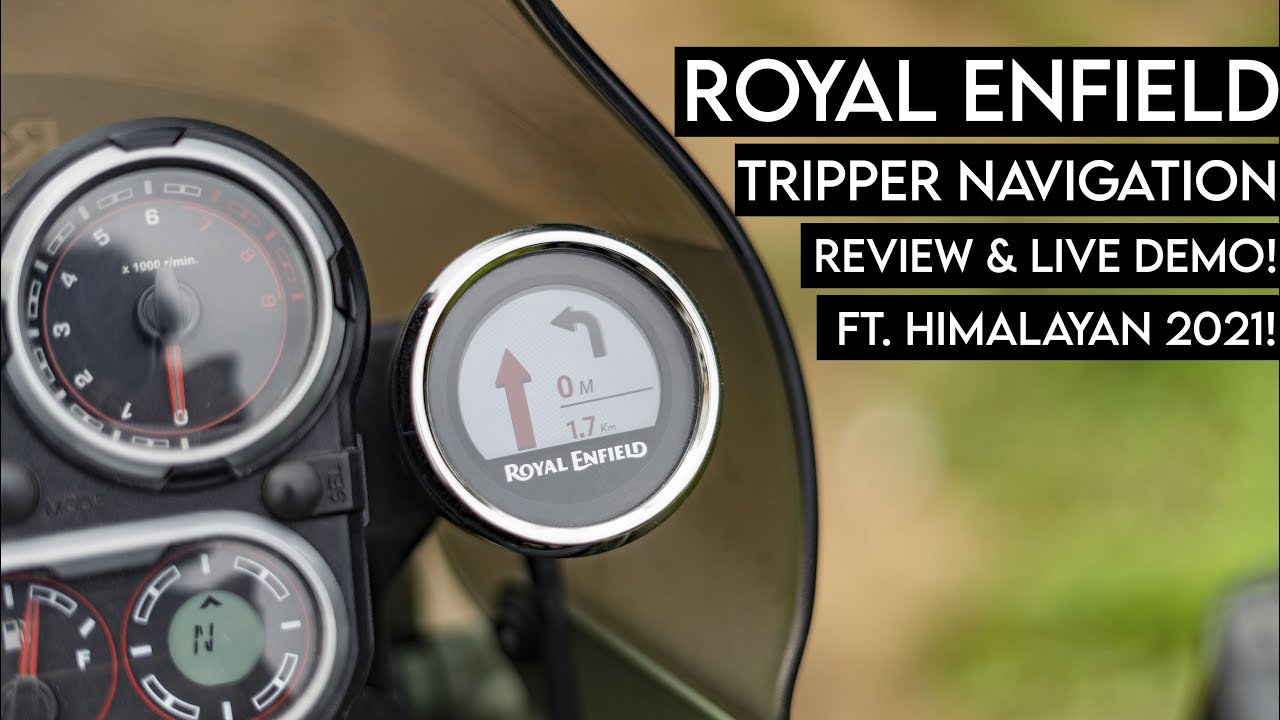
- Tripper Navigation Pod: Royal Enfield's turn-by-turn navigation display is included on higher trim levels and pairs with a smartphone app. It's basic but genuinely useful on unfamiliar roads.
- Dual-Channel ABS: Standard across the range. Well-calibrated and unobtrusive in normal riding.
- USB Charging Port: A small but practical touch for modern riders.
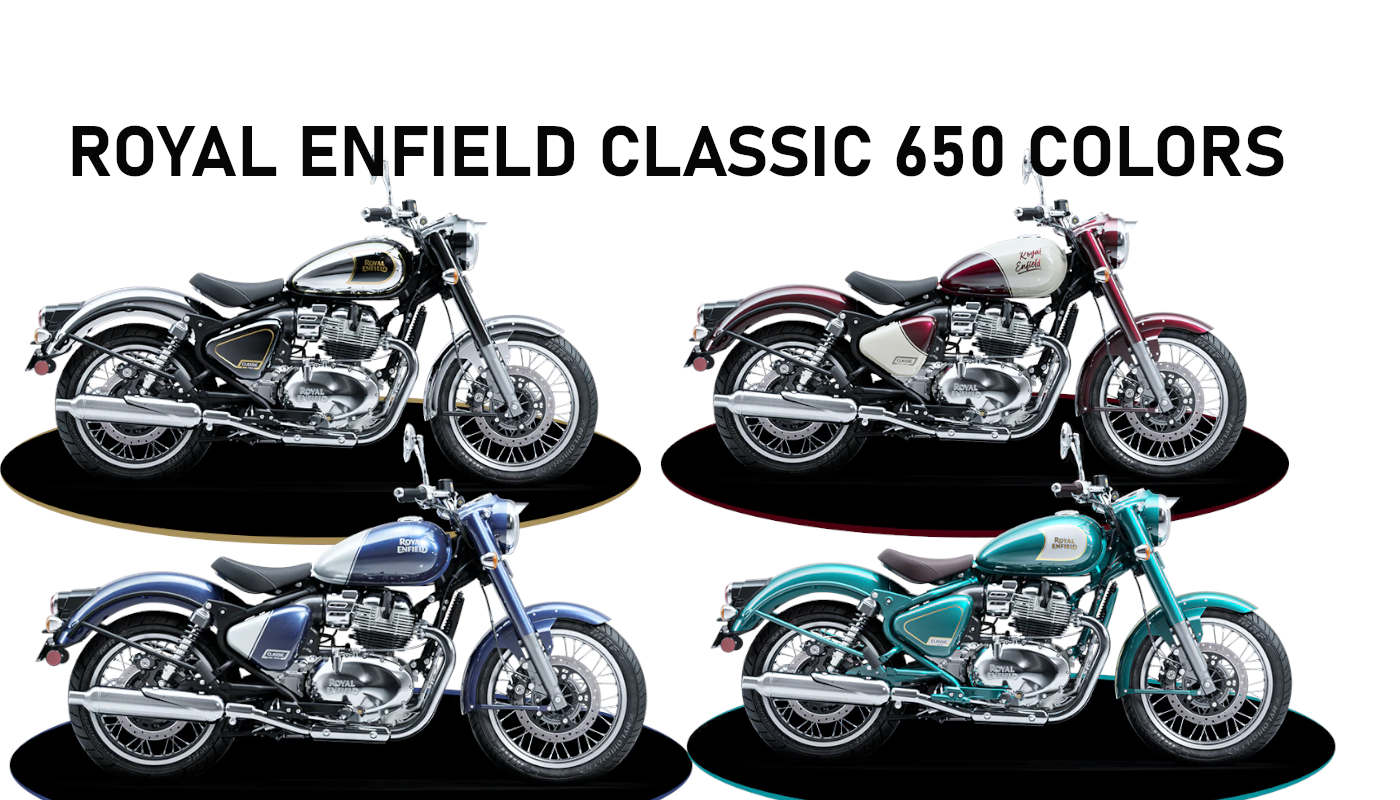
- Multiple Color and Finish Options: The 2026 range expands the palette with new chrome and matte combinations that lean hard into the vintage aesthetic.
- Accessory Ecosystem: Royal Enfield offers an extensive factory accessories catalog — panniers, crash guards, windscreens, and more — making personalization straightforward from day one.
Who Is This Motorcycle For?
The Classic 650 sits in a fascinating market position. It's affordable enough to attract first-time buyers graduating from smaller bikes, but it's competent and characterful enough to satisfy experienced riders who are deliberately choosing simplicity and style over horsepower and electronics. It would make an outstanding everyday urban commuter, a capable weekend back-road machine, and — with the right accessories — a modest touring bike for shorter adventures.
It is not a motorcycle for riders who prioritize outright performance, long-distance comfort in stock form, or cutting-edge technology. And Royal Enfield clearly knows this — they've made no attempt to dress the Classic 650 up as something it isn't.
The Verdict After 900 Miles
Royal Enfield has threaded a genuinely difficult needle with the Classic 650. The bike looks and feels authentically retro without being impractical. It rides with enough modern competence to keep experienced riders comfortable while remaining accessible enough that newer riders won't feel overwhelmed. The parallel-twin engine is the real star — smooth, torquey, characterful, and reliable in all conditions we encountered.
Does it win over modern riders without losing its soul? After six days and 900 miles, the answer is a clear yes. The Classic 650 doesn't try to be a modern motorcycle wearing vintage clothing. It's a vintage-inspired motorcycle built with modern standards — and that distinction makes all the difference.