The 2026 Zero SR/S: Zero's Most Ambitious Electric Sport Tourer Yet
Range anxiety has been the electric motorcycle industry's persistent shadow for years, and no manufacturer has felt that pressure more acutely than Zero Motorcycles. With the 2026 Zero SR/S, the Santa Cruz-based company has swung hard at the problem, claiming a headline-grabbing 200-mile range figure. After logging 800 miles across multiple riding conditions — highway slabs, mountain switchbacks, urban stop-and-go, and everything in between — we're here to give you an honest accounting of what that number actually means in the real world.
What's New for 2026?
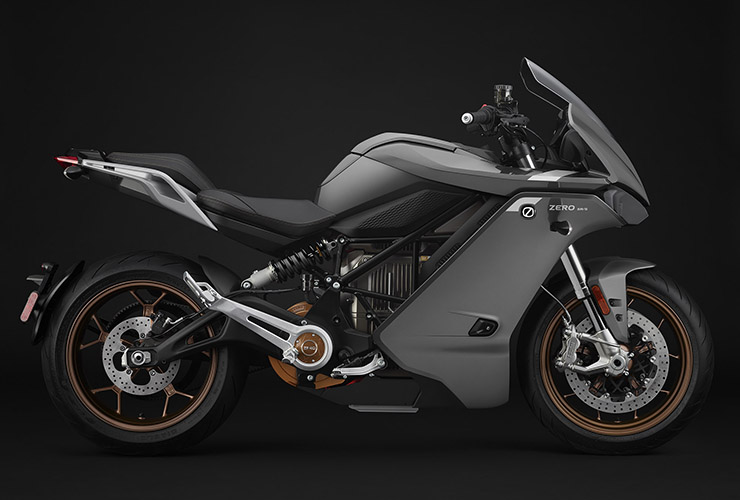
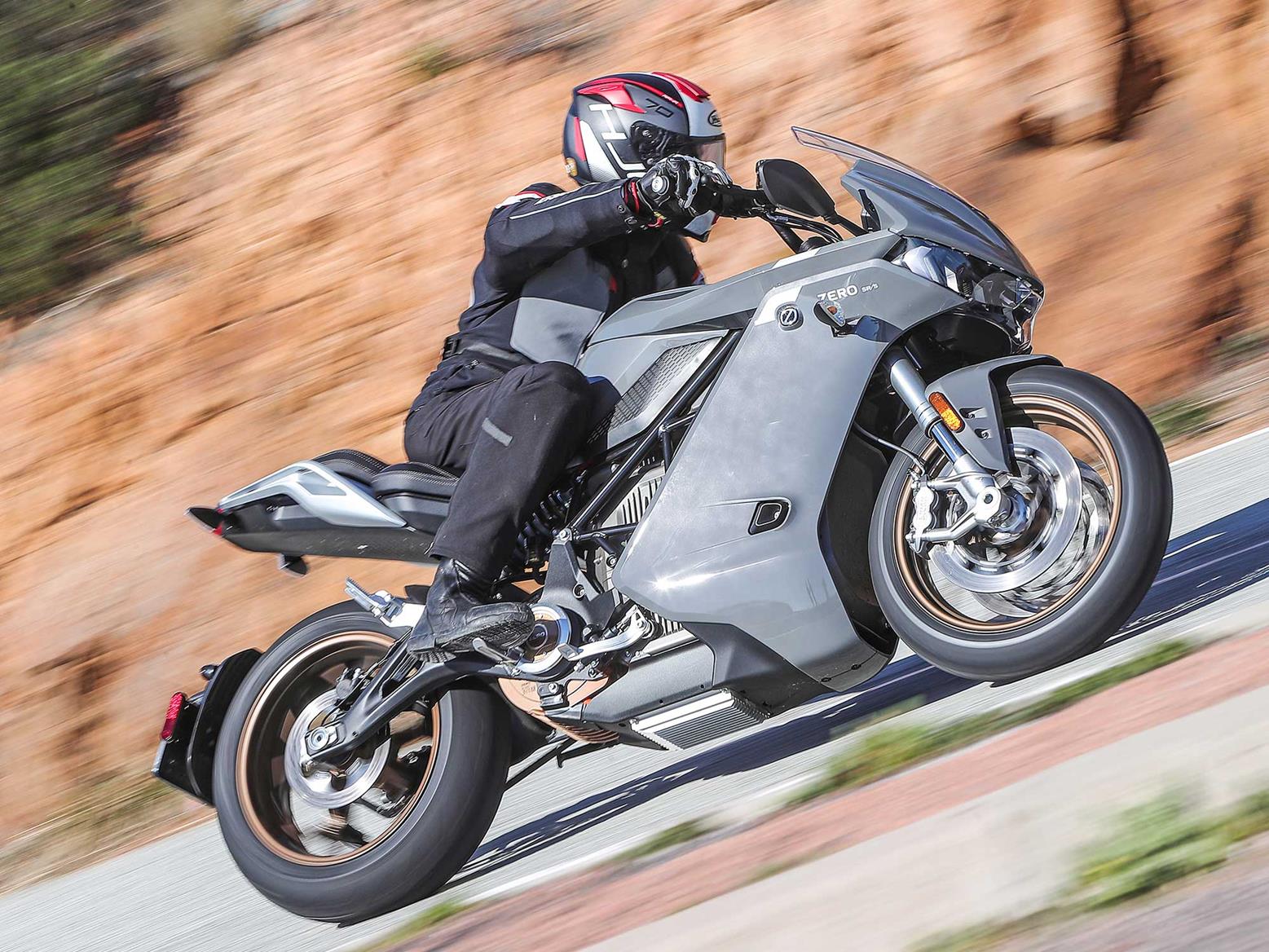
The 2026 SR/S isn't a ground-up redesign, but the updates Zero has made are targeted and meaningful. The most significant change is the upgraded 17.3 kWh ZF17.3+ lithium-ion battery pack, which replaces the previous generation's 16 kWh unit. That might not sound like a dramatic leap on paper, but paired with a revised motor controller and updated power delivery software, Zero says the system efficiency has improved by roughly 12 percent across all riding modes.
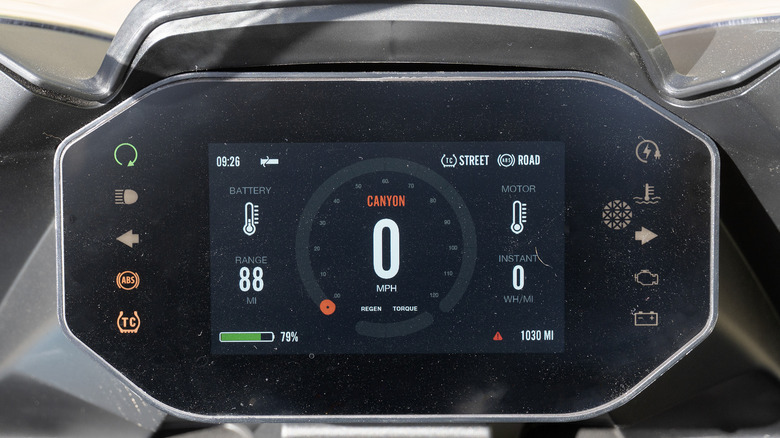
The motor itself — a permanent magnet brushless unit — now produces a peak of 110 horsepower and 166 lb-ft of torque, figures that remain impressive and more than sufficient for spirited riding. The full-fairing bodywork is carried over largely unchanged, maintaining the SR/S's sleek, wind-tunnel-refined silhouette that distinguishes it from the naked SR/F. New for 2026 is an updated Bosch Motorcycle Stability Control (MSC) suite with cornering ABS and traction control, along with a redesigned 5-inch full-color TFT display that's significantly easier to read in direct sunlight.
Charging Infrastructure Upgrades
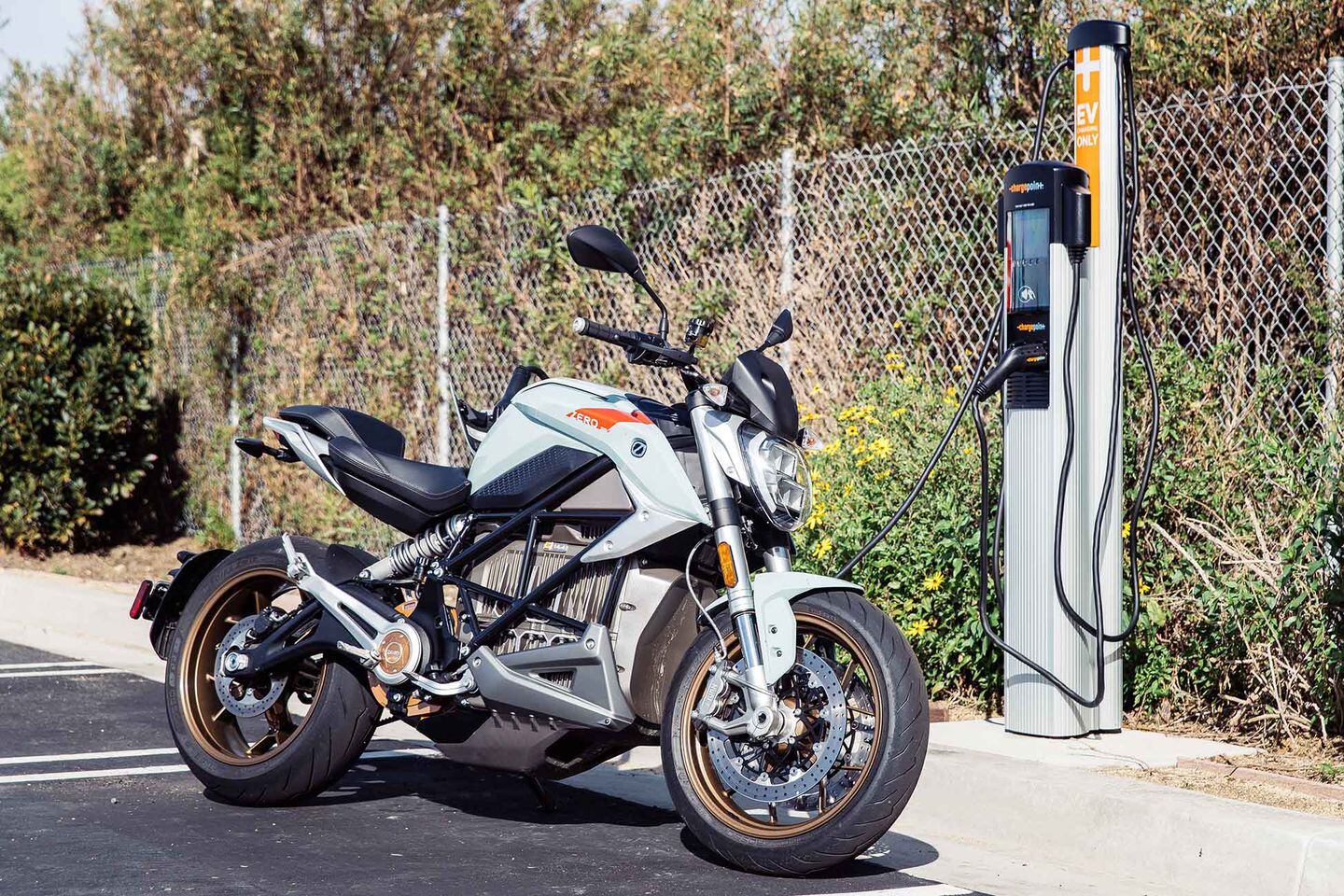
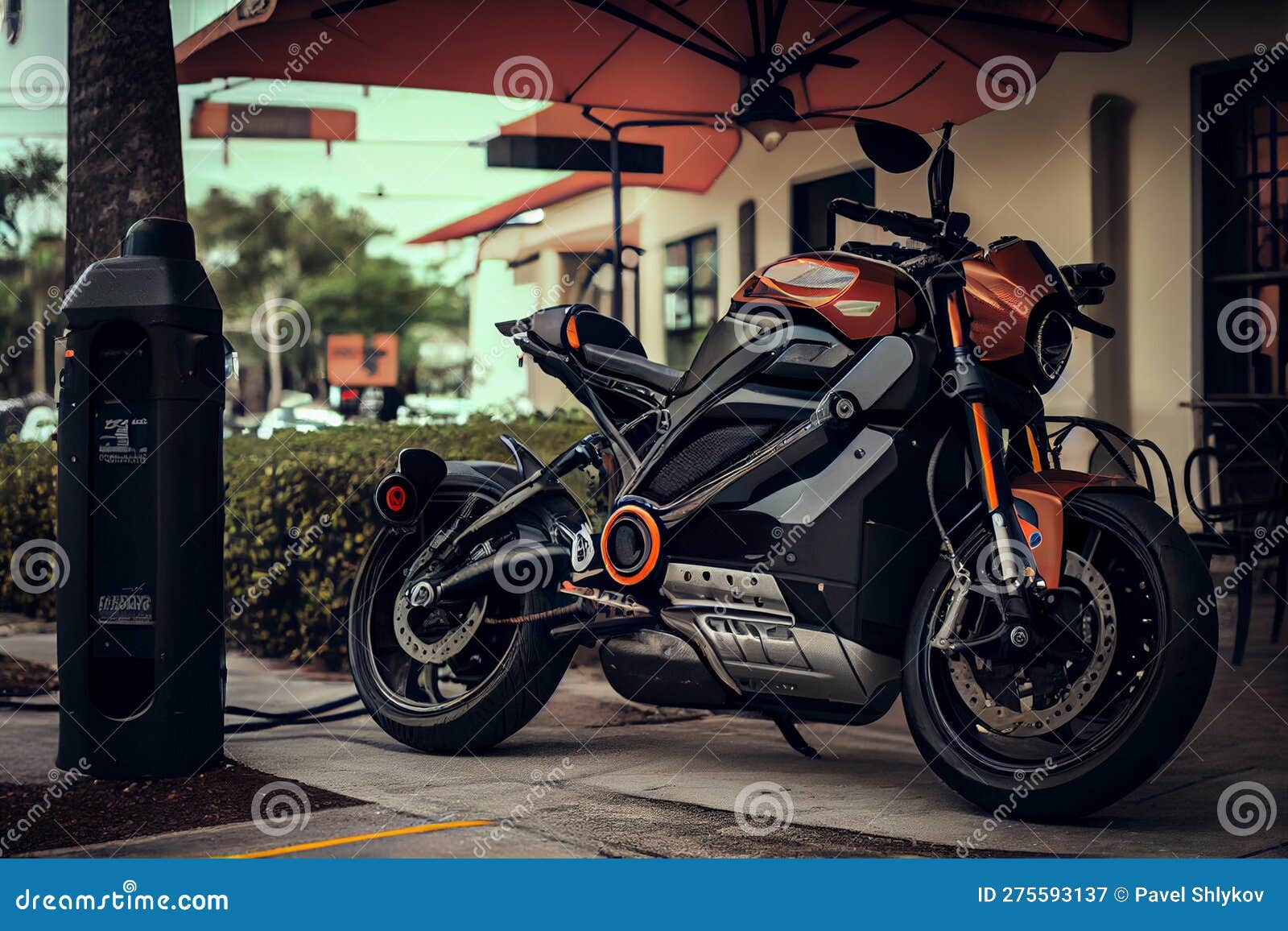
Zero has also integrated a new onboard 6 kW charger as standard equipment, up from the previous 3 kW unit. Paired with a Level 2 charging station, this brings charge times down to roughly three hours from near-empty to full. A DC fast-charge option remains available as an add-on, capable of delivering a 95-percent charge in approximately one hour using a compatible CHAdeMO adapter.
First Impressions and Ergonomics
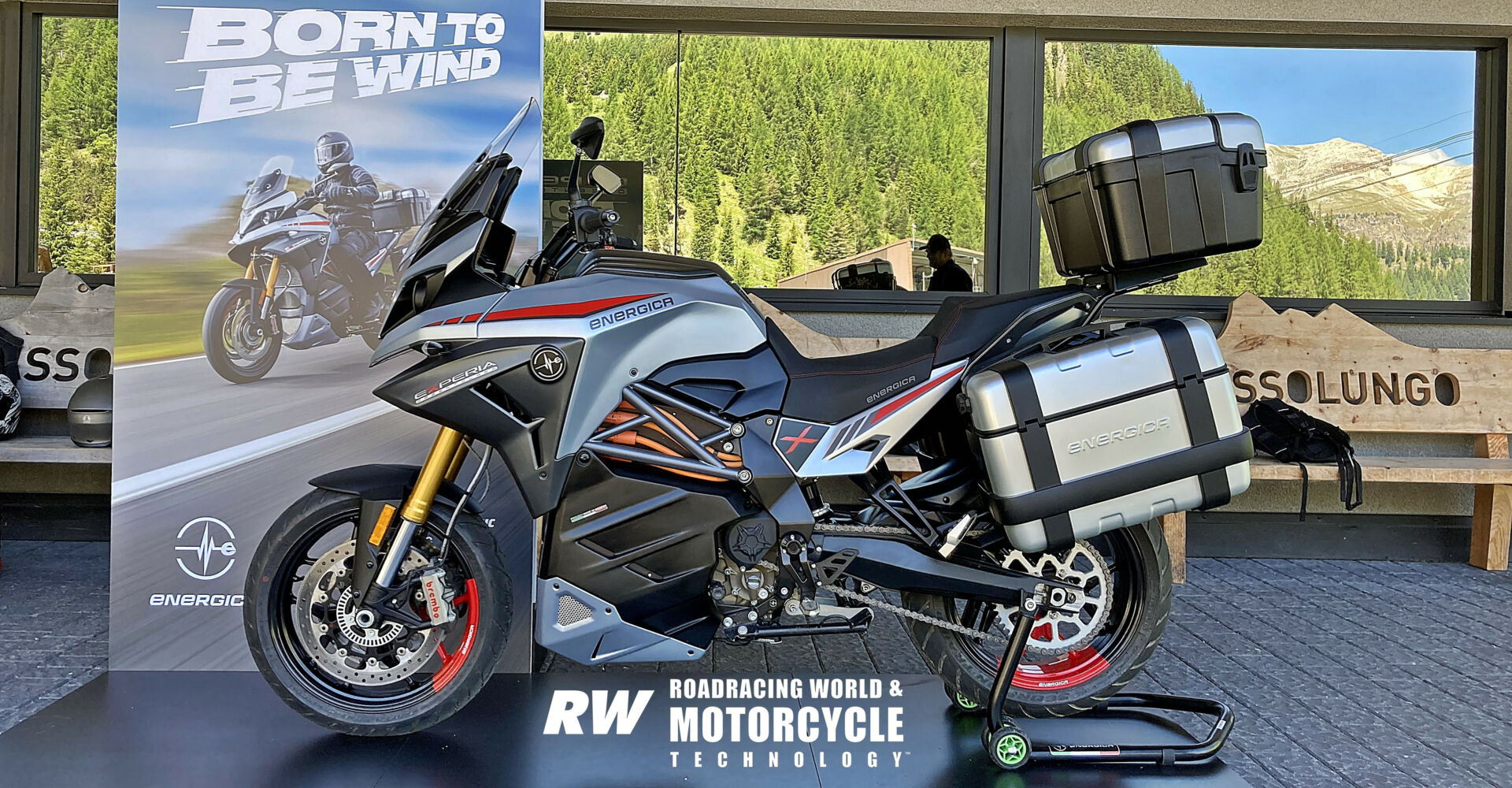
Throwing a leg over the SR/S, the first thing you notice is how conventional it feels. Zero has clearly worked to make the bike approachable to riders coming from traditional internal combustion sport-tourers. The seat height sits at 31.4 inches — manageable for riders of average inseam — and the forward lean is aggressive enough to feel sporting without punishing your wrists on long hauls. At 498 lbs wet, it's no lightweight, but the weight sits low and the bike transitions confidently through corners once you're rolling.
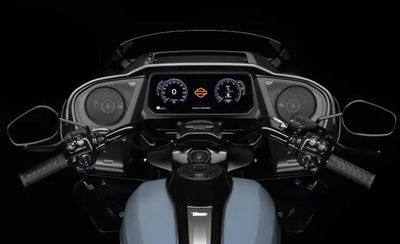
The new TFT display is a genuine improvement. Glare-resistant and logically organized, it puts range estimation, power mode selection, regenerative braking intensity, and navigation (via paired smartphone) front and center without overwhelming you with data. Speaking of power modes: the SR/S ships with Eco, Street, Sport, and Rain modes, plus a fully customizable Canyon mode that lets you dial in your preferred balance of power delivery and regen.
The Range Test: How We Did It
Our 800-mile test was conducted over five separate riding days across a variety of conditions designed to stress-test Zero's 200-mile claim. Here's a breakdown of what we threw at it:
- Day 1 — Highway Cruise: 85 miles of steady 70–75 mph interstate riding in Street mode with moderate regen. Result: consumed approximately 62 percent of the battery.
- Day 2 — Mixed Urban/Suburban: 60 miles of city commuting and suburban riding in Eco mode with maximum regen. Result: consumed roughly 30 percent of the battery — the most efficient session by far.
- Day 3 — Canyon Run: 110 miles of aggressive mountain road riding in Sport mode with frequent hard acceleration out of corners. Result: battery depleted from full to 15 percent, with the bike warning us at 20 miles remaining.
- Day 4 — Long Highway Haul: 95 miles at 65 mph in Eco mode, representing the most highway-favorable conditions. Result: arrived with 28 percent charge remaining, projecting to roughly 132 miles total in these exact conditions.
- Day 5 — Real-World Mixed Riding: 90 miles combining highway, backroads, and urban segments in Street mode. Result: consumed 58 percent of the battery, projecting to approximately 155 miles of total range.
So Does the 200-Mile Claim Hold Up?
The short, honest answer: it depends heavily on how you ride. Zero's 200-mile figure is achievable, but it requires near-ideal conditions — low speeds (sub-65 mph), flat terrain, warm ambient temperatures, maximum regenerative braking, and Eco mode engagement. In that specific scenario, we believe the number is reachable. In fact, our Day 2 urban data extrapolates to roughly 200 miles under those conditions, validating the claim within its stated parameters.
However, if you're a highway rider who cruises at 75–80 mph, expect real-world range in the 100–120 mile band. Spirited sport riding on canyon roads will eat into that further, putting you in the 90–105 mile range before you're hunting for a charge. These numbers are not embarrassing by any means — they represent a meaningful improvement over the previous generation — but touring riders should plan routes around charging infrastructure until battery technology takes another leap forward.
Ride Quality and Handling
Away from the range conversation, the SR/S is genuinely enjoyable to ride. The Showa 43mm inverted fork up front and the piggyback-reservoir shock out back deliver a composed, planted ride quality that inspires confidence. The updated Bosch cornering ABS is impressively transparent — you have to work hard to trigger it, and when you do, the intervention is smooth and predictable. Braking is handled by Bosch-linked dual 320mm front discs with radially-mounted Brembo calipers, delivering strong, progressive stopping power.
The instant torque delivery, as with all electric motorcycles, never gets old. Rolling out of a hairpin with 166 lb-ft available immediately produces a grin that internal combustion bikes have to work harder to match. Highway stability at speed is excellent thanks to the full fairing, which keeps wind fatigue manageable even on longer stints.
Verdict: The Best Zero Yet, With One Asterisk
The 2026 Zero SR/S is the most refined, capable, and genuinely usable electric sport-tourer Zero has produced. The battery and software upgrades make a real difference, and the addition of cornering ABS and a better display push the overall package closer to premium ICE competition than ever before. At a starting price of approximately $21,495, it sits in a premium tier, but the technology and ride experience justify the investment for the right rider.
That asterisk? Range planning remains essential. The 200-mile headline will excite buyers, but spirited or highway-focused riders need to manage expectations and build charging stops into longer trips. With the improving availability of Level 2 charging at hotels, restaurants, and rest areas, that's becoming more feasible — but it's not seamless yet. If you can work with that reality, the 2026 SR/S is a remarkable machine that makes a compelling case for the electric sport-touring future.