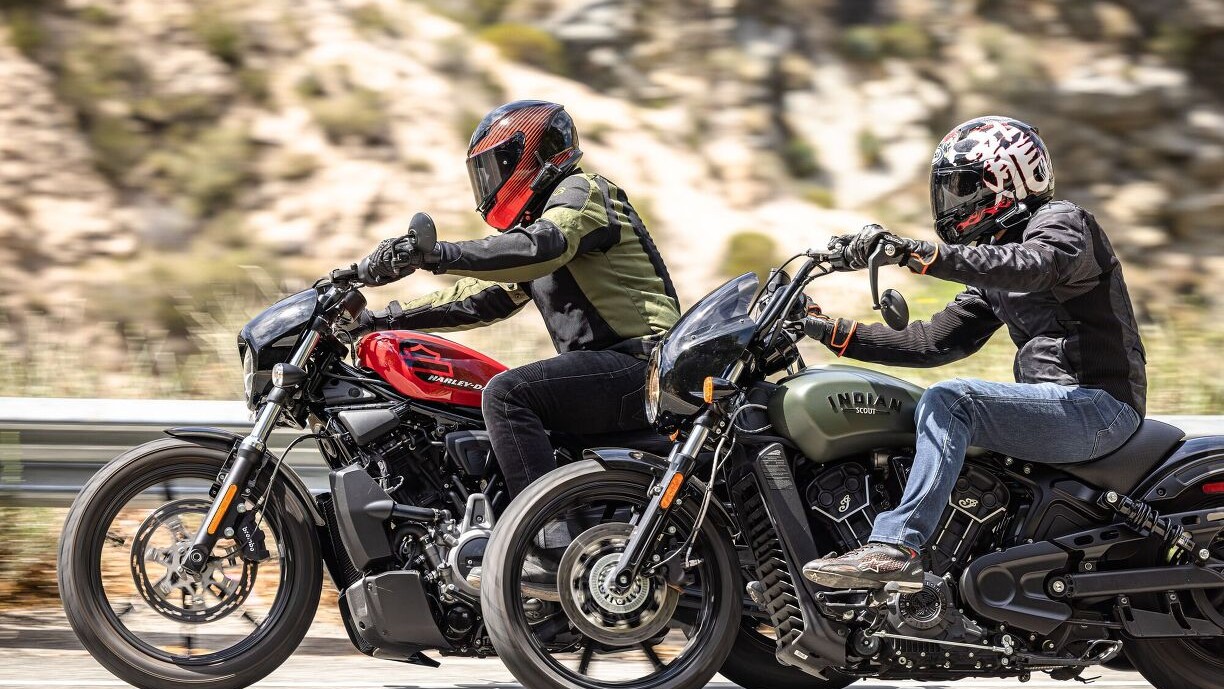
Two American Icons, Two Very Different Philosophies
When Harley-Davidson rolled out the Nightster, it was a clear signal that the Motor Company was serious about attracting a new generation of riders — younger, lighter, and hungry for something that didn't demand a weekend seminar just to park. Indian's response with the Sport Chief was equally deliberate: take the classic Chief silhouette, strip away the excess, and inject enough performance DNA to make it relevant to riders who actually push their machines. On paper, both succeed. But on the road? That's where things get interesting.
We spent a full week with each bike — city commutes, canyon carving, and a few hundred miles of open highway — to give you the most honest comparison we could. Here's what we found.
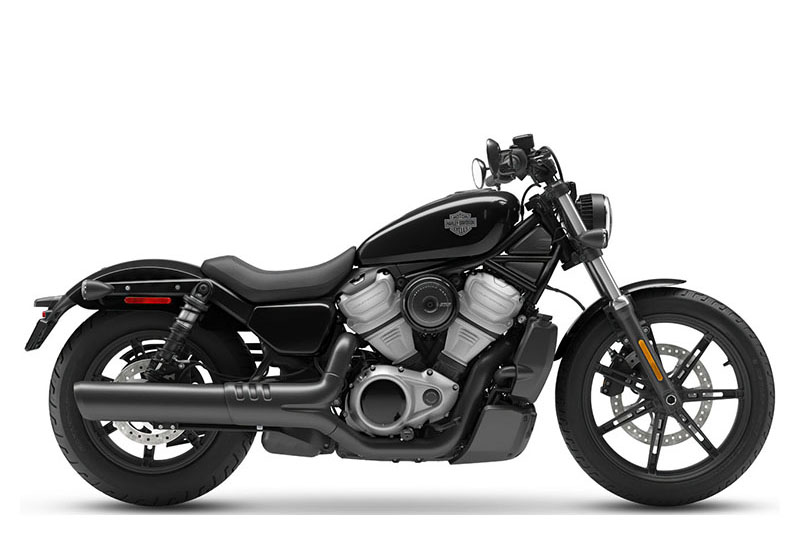
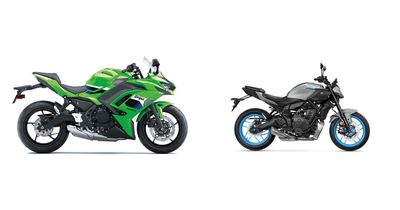
Clean shot of the Nightster highlighting its design
Design and First Impressions
Pull both bikes out of the garage and the contrast is immediate. The Harley-Davidson Nightster is compact and purposeful. Its blacked-out bodywork, exposed trellis frame sections, and mid-mounted footpegs give it an almost European naked-bike aesthetic dressed in American muscle clothing. It's the kind of bike that looks fast standing still without trying too hard.
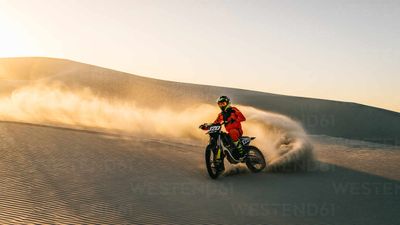
Dynamic riding shot of the Sport Chief
The Indian Sport Chief, on the other hand, makes absolutely no apologies for its size. The muscular tank, skirted rear fender, and swept-back styling are unmistakably Chief — but the blacked-out engine cases, aggressive fork angle, and sport-tuned suspension tell you this isn't your grandfather's cruiser. It's a big, bold statement, and it commands attention wherever it goes.
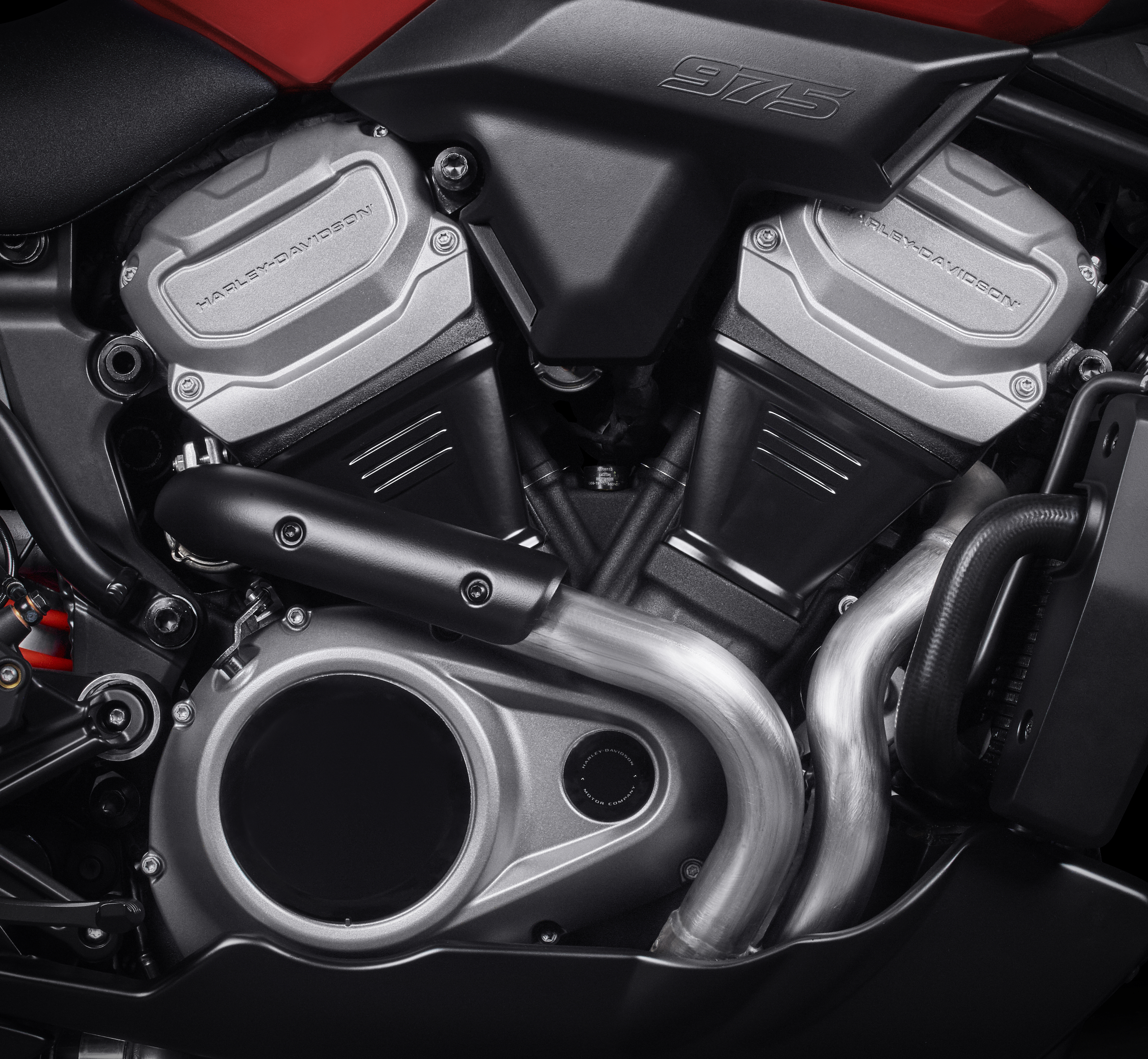
Engine detail shot for the performance section
Seat height is a meaningful differentiator here. The Nightster sits at a manageable 27.3 inches, while the Sport Chief comes in at 26 inches — surprisingly low given its mass. Smaller riders will actually find the Sport Chief's reach to the ground more confidence-inspiring, though its 228 kg (502 lb) wet weight is a different conversation entirely.
Engine and Performance: Where the Rubber Meets the Road
Harley-Davidson Nightster: Revolution Max 975T
The Nightster's 975cc Revolution Max engine is nothing short of a revelation for Harley loyalists who thought the company had forgotten how to build a genuinely exciting motor. Producing around 90 horsepower and 95 Nm of torque, it revs freely, pulls hard from the mid-range, and sounds fantastic with even a modest exhaust upgrade. It doesn't have the chest-thumping low-end grunt of a Milwaukee-Eight, but it compensates with an eagerness and mechanical responsiveness that makes you want to keep riding.
Throttle response is crisp and predictable across three riding modes — Road, Rain, and Sport. In Sport mode especially, the Nightster comes alive in ways that will surprise riders who associate Harley with lazy, laid-back power delivery. This engine is a legitimate performance unit.
Indian Sport Chief: Thunderstroke 116
The Sport Chief runs Indian's 1890cc Thunderstroke 116 V-twin, and the numbers alone are impressive: 126 Nm of torque arriving low in the rev range, with enough power to hustle this heavyweight down the road with genuine authority. It doesn't rev like the Nightster — nor does it pretend to — but the wave of torque it delivers from just off idle is deeply satisfying in a way that's uniquely American.
Three riding modes are available here too, and the Sport setting tightens throttle response and adjusts traction control thresholds meaningfully. Ride mode electronics on the Sport Chief feel mature and well-integrated, never intrusive. This engine is a grand tourer's dream dressed in sporty clothes.
Handling and Chassis
The Nightster is the clear winner in the handling department, and it's not particularly close. Its lightweight chassis, responsive suspension geometry, and moderate rake angle make it genuinely flickable in a way few cruisers manage. Changes of direction are intuitive, cornering clearance is surprisingly generous for the segment, and the bike rewards confident, committed riding. It's the bike you want when the road gets twisty.
The Sport Chief is a more complex story. For its size and weight, it handles remarkably well — the sport-tuned suspension does real work, and the bike stays composed in corners that would expose lesser cruisers. But physics are physics. When the road gets tight, the Sport Chief asks for more planning and commitment. What it lacks in agility it compensates for in stability; at highway speeds, it's utterly planted and confidence-inspiring in a way the smaller Nightster simply cannot match.
Comfort and Ergonomics
Nightster: Mid-foot controls and a slightly forward lean place you in an active, engaged riding position. Long-distance comfort is acceptable but not exceptional — riders over six feet may find the ergonomics cramped after several hours.
Sport Chief: Forward controls and a wide, well-padded seat make it significantly more comfortable over distance. The riding position is relaxed without feeling disconnected from the road.
Wind protection: Neither bike offers significant wind protection — both are naked/bobber style — but the Sport Chief's larger mass provides slightly more buffet resistance at highway pace.
Passenger capability: The Sport Chief wins convincingly here, with a proper two-up seat and comfortable accommodations for a passenger. The Nightster's passenger seat is an afterthought at best.
Technology and Features
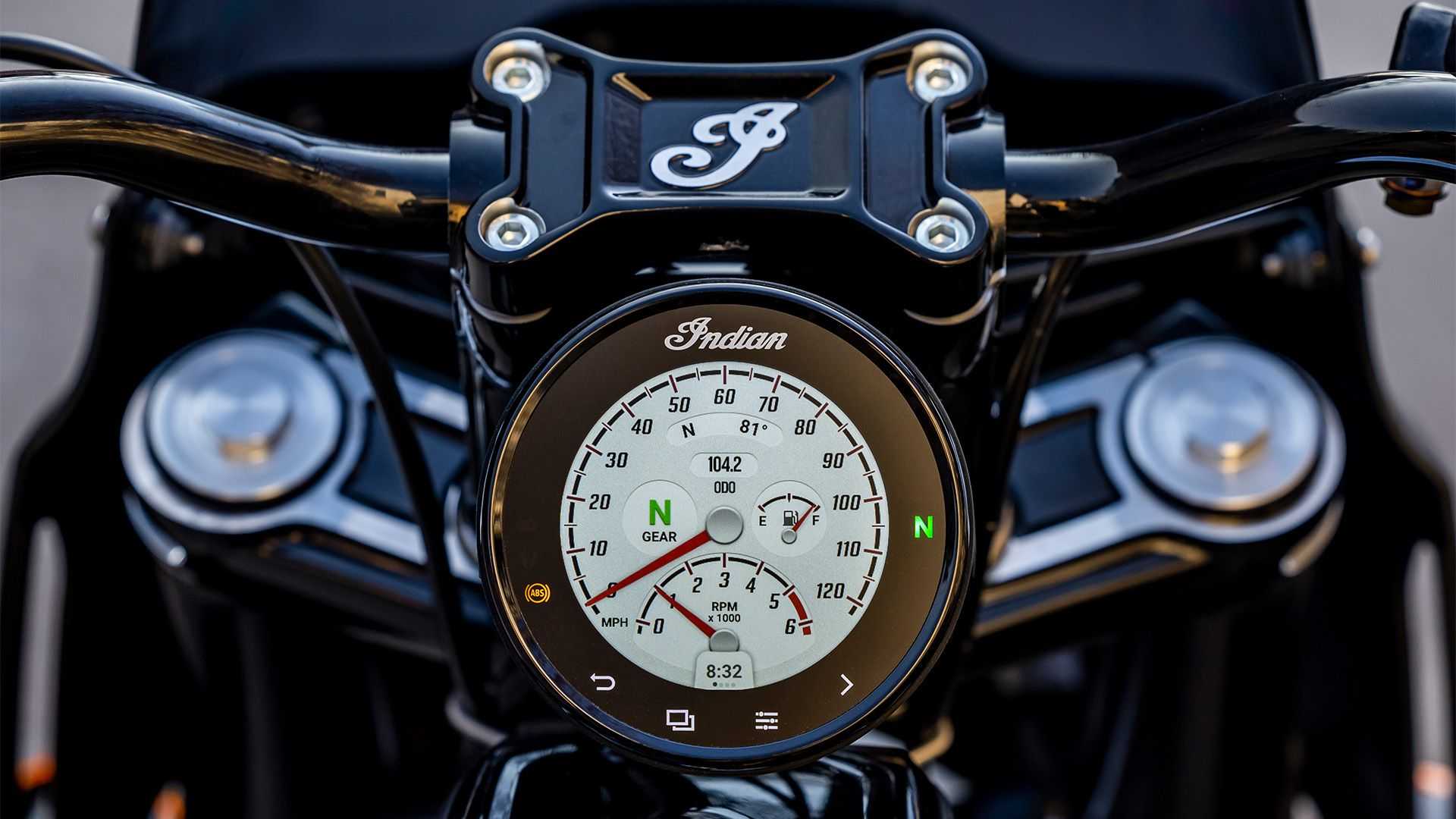
Both bikes have moved meaningfully into the modern era. The Nightster offers a 4-inch Bluetooth-connected TFT display, three riding modes, cornering ABS, and traction control as standard. It's well-specced for its price point and the interface is intuitive.
The Sport Chief matches this with a larger, easier-to-read display, ride modes, cornering ABS, and adds an available ride command navigation system that integrates cleanly into the cockpit. Indian's software ecosystem has matured considerably, and the overall connected experience feels slightly more polished here.
Price and Value
The Nightster typically comes in around $12,000–$13,000 USD at launch pricing, making it one of the more accessible entry points in the Harley lineup. The Sport Chief sits considerably higher at approximately $18,000–$20,000 USD depending on trim and options. That's a meaningful gap, and it reflects the significant differences in displacement, feature content, and sheer material presence.
So, Which One Should You Buy?
If you're a newer rider, someone returning to motorcycling after a break, or simply a person who values a nimble, engaging ride over outright presence and power, the Harley-Davidson Nightster is a compelling choice. It's approachable, genuinely exciting, and priced fairly for what it delivers.
If you want a serious, full-size American cruiser that can cover ground in comfort while still putting a grin on your face when the road opens up — and you're comfortable managing a heavier machine — the Indian Sport Chief is worth every penny of the premium. It's polished, powerful, and proves that Indian's resurgence is no fluke.
Two great bikes. Two very different riders. The good news? You can't really go wrong with either one.