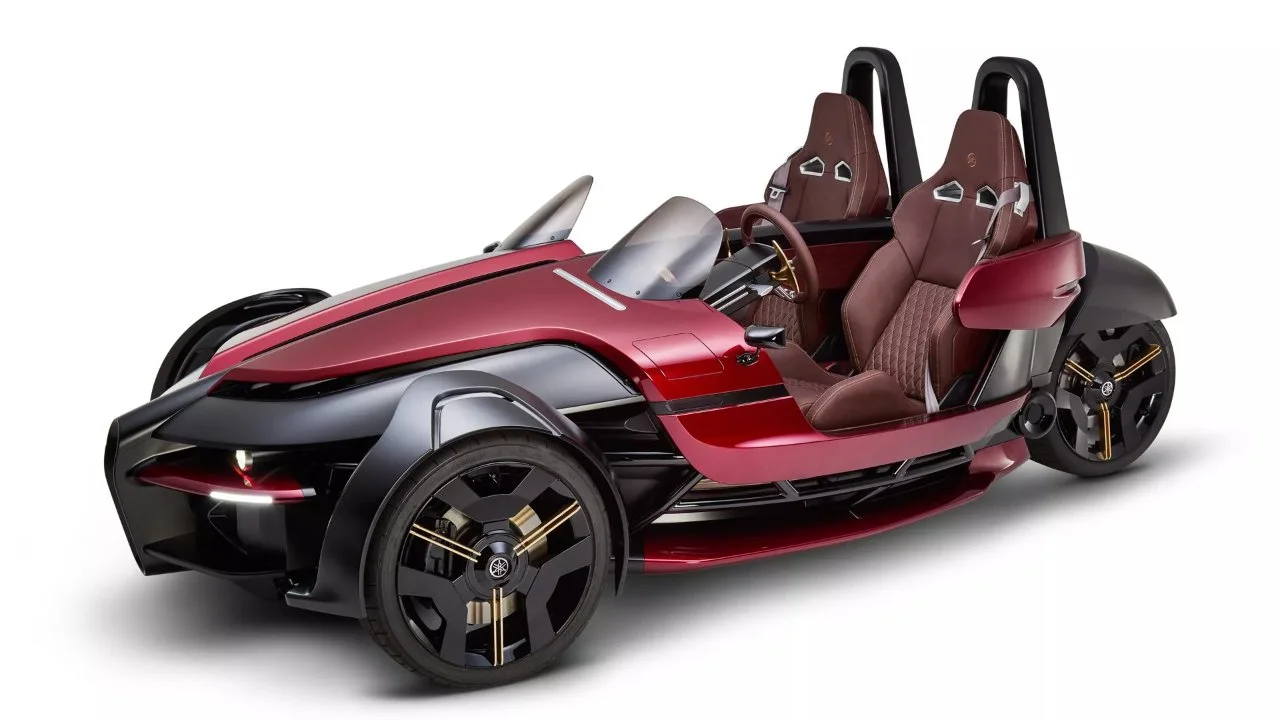
The Yamaha Tricera is a forward-looking concept with bold, original styling. It uses a fully electric, three-wheel layout and represents a bridge between cars and motorcycles through a shared sense of autonomy and engagement. Described by Yamaha as an electric “autocycle,” Tricera is envisioned as a leap toward a new kind of driver–machine unity on city streets and winding roads. While it is fully electric, Yamaha has not released motor or battery specifications. Tricera blends design and technology at the intersection of counterculture and urban mobility. Debuting at the Japan Mobility Show, it stands out for two signature elements: its eye-catching form and three-wheel steering (the front wheels steer and the rear wheel also turns).
What it is
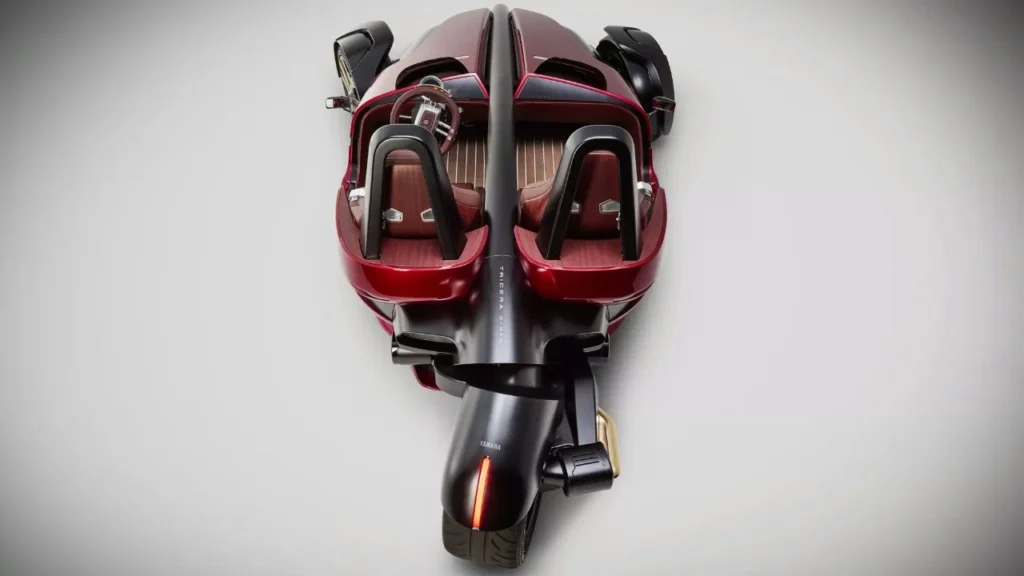
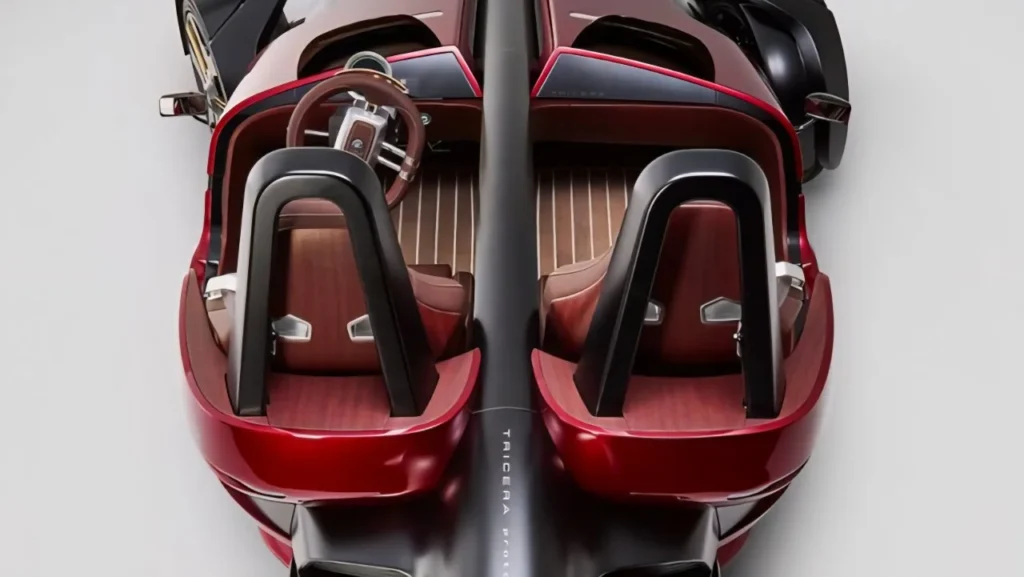
Schematic: Tandem two-seat, open-body design with two front wheels and one rear wheel.
Powertrain: All-electric (no motor/battery figures have been disclosed).
Mission: Deliver the thrill of an open car, enhanced by the novelty and precision of three-wheel steering.
Design: Open-air minimalism—low cowl/dash, exposed pushrod suspension, and a transparent aero canopy—all aimed at reducing weight and visual mass.
Why three-wheel steering matters
Where most reverse-trikes steer only at the front, Tricera adds active rear steering. At low speeds, the rear wheel turns opposite the fronts for a tighter turning radius; at higher speeds, it turns in phase for added stability and sharper cornering. Yamaha says the control logic was tuned from a human-research perspective to maximize driver fun and mid-corner connection—less sawing at the wheel, more flowing lines.
Human–machine feel (and sound)
Beyond the steering, the latest TRICERA prototype incorporates Yamaha’s αlive AD sound control—an acoustic layer that shapes the electric motor’s aural character to heighten engagement. The goal isn’t sheer volume; it’s useful feedback that mirrors acceleration and steering inputs, drawing the driver into the rhythm of a run.
Design comments
Open-air planes: Low cowl, visible pushrod-style front suspension, and a transparent aero canopy reduce weight and visual bulk.
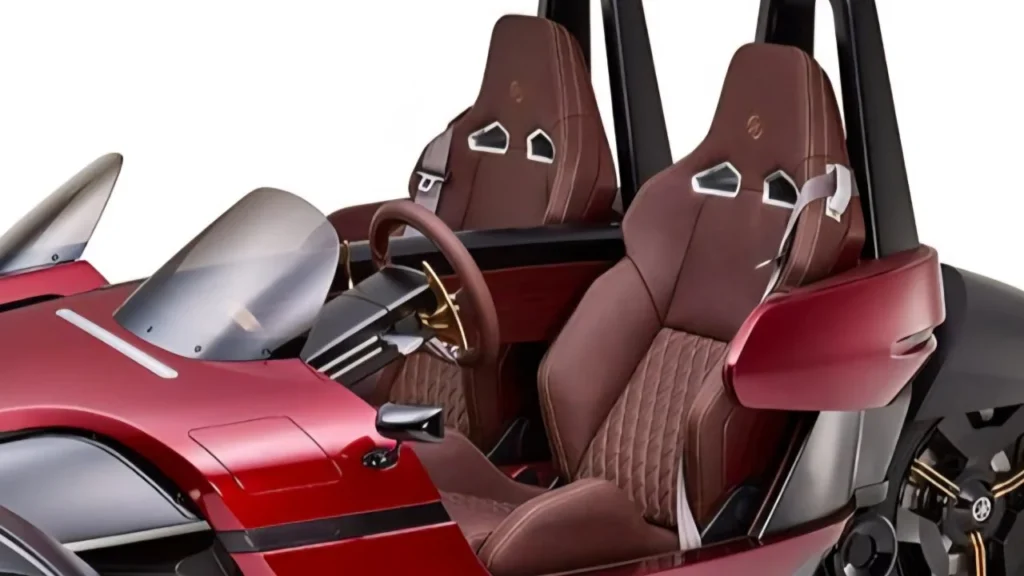
Production signals: The newest prototype wears road-ready touches—mirrors, production-style seats, wipers, and a functional windscreen—fueling speculation that Yamaha could target the Polaris Slingshot niche. (Yamaha has not announced production.)
What Yamaha has (and hasn’t) said
Confirmed: Electric propulsion; driver-centered tuning; engagement-oriented sound design; the pursuit of unfiltered joy from a compact, responsive machine.
Unconfirmed: Power output, battery capacity, range, weight, price, and market timing remain undisclosed. Expect iterative prototypes while Yamaha gauges interest and navigates regulations in key markets.
Position in the market
If produced, Tricera would likely be classified as an autocycle, sitting between motorcycles and cars. That could mean car-like controls and safety gear with motorcycle-like openness and a compact footprint suited to tight urban spaces and scenic routes. It targets sports-car enthusiasts who want lightweight, visceral, communicative feedback—embracing EV smoothness and Yamaha’s chassis expertise—without the bulk of a traditional car.