Orient Tricycle
Key specifications
Overview
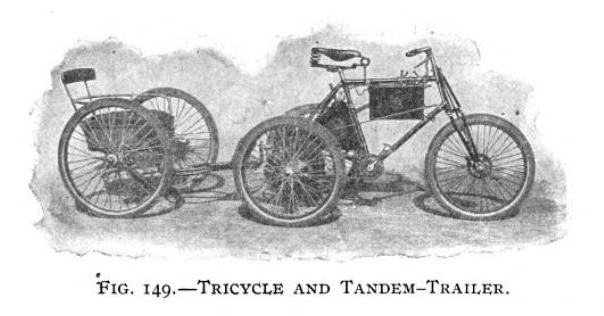
Introducing the 1899 De Dion-Bouton Tricycle Motorcycle Step back in time to the dawn of the modern motorcycle era with the 1899 De Dion-Bouton Tricycle, a remarkable fusion of innovation and craftsmanship from France. Positioned in the allround category, this pioneering machine encapsulates the spirit of early motoring, appealing to both enthusiasts and collectors alike. With its distinctive tricycle design, the De Dion-Bouton Tricycle offers a unique riding experience that harks back to a simpler time, when the thrill of the open road was just beginning to be explored. This motorcycle stands as an icon of ingenuity, showcasing the evolution of personal transportation during the late 19th century. At the heart of the De Dion-Bouton Tricycle lies a modest yet spirited single-cylinder, four-stroke engine with a displacement of 211 cc. Producing a respectable 1.50 horsepower at 1500 RPM, this engine may not seem powerful by today’s standards, but it was more than sufficient for the time, delivering a delightful riding experience on the unpaved roads of yesteryear. The air-cooled engine, fed by a surface carburettor, provides a charming rumble as it propels the lightweight frame, which tips the scales at just 80 kg (176.4 pounds). With a direct drive system that connects the engine directly to the rear axle via a pair of gears, the De Dion-Bouton Tricycle offers an engaging connection between rider and machine, allowing for nimble handling and a sense of adventure on every ride. The tricycle's construction features a robust Decauville steel frame, designed to withstand the rigors of early motoring while providing essential stability. Its dimensions, with a width of 920 mm (36.2 inches), contribute to a compact yet comfortable riding stance. One of its standout features is the inclusion of pedals alongside the engine, allowing riders to engage in a bit of physical exercise while enjoying the thrill of motorized travel. This dual-power option not only serves as a backup should the engine fail but also enhances the overall experience for those who appreciate the vintage feel of pedaling along. **
Pros
Cons
- Unique Historical Significance: As one of the earliest examples of motorized transportation, it holds a special place in motorcycle history, making it a prized possession for enthusiasts and collectors.
- Lightweight and Nimble: Weighing in at just 80 kg, the tricycle offers an agile and maneuverable ride, perfect for navigating the narrow roads of the time.
- Dual Power Options: The inclusion of pedals alongside the engine allows for versatility, enabling riders to enjoy a physical workout or tackle mechanical issues with ease.
- Limited Power Output: With only 1.50 HP, the performance may feel sluggish compared to modern motorcycles, which could limit long-distance travel.
- Basic Suspension: The simplistic suspension system may result in a less comfortable ride over rough terrain, which was common in the era.
- Maintenance Challenges: As a vintage machine, finding replacement parts and maintaining the engine and components may present challenges for contemporary riders.
Technical details
Source specification data
- Make
- De Dion-Bouton
- Model
- Tricycle
- Category
- Allround
- Comments
- French
- made motorbike.
- Pedal
- in addition to engine.
- Power
- 1.50 HP (1.1 kW)) @ 1500 RPM
- Clutch
- Direct drive via a pair of gears from the motor directly to the rear axle
- Fuel System
- Carburettor. Surface carburator
- Displacement
- 211.00 ccm (12.88 cubic inches)
- Cooling System
- Air
- Engine Details
- Single cylinder, four-stroke
- Dry Weight
- 80.0 kg (176.4 pounds)
- Overall Width
- 920 mm (36.2 inches)
- Power Weight Ratio
- 0.0188 HP/kg
- Wheels
- Two
- rear wheels.
- Michelin
- pneumatic tires.
- Frame Type
- Decauville, steel