Orient Tricycle
Key specifications
Overview
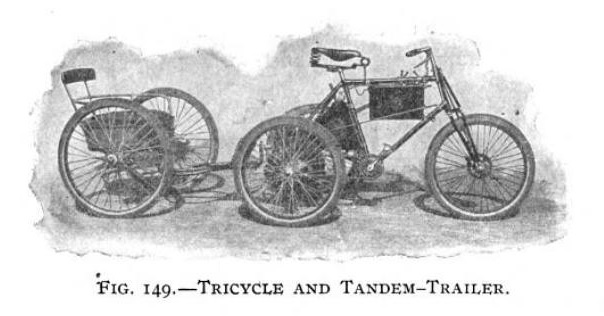
Introducing the 1900 De Dion-Bouton Tricycle motorcycle, a remarkable piece of history that embodies the spirit of innovation and the dawn of motorcycling. As one of the earliest motorized tricycles produced, the De Dion-Bouton Tricycle represents a captivating blend of engineering prowess and design elegance. This French-made marvel emerged from a time when the world was just beginning to embrace the freedom provided by motorized two-wheelers, making it a significant player in the allround motorcycle category. Its unique three-wheeled design not only set it apart from contemporaries but also provided stability and versatility for riders venturing into uncharted territories. At the heart of the De Dion-Bouton Tricycle lies a single-cylinder, four-stroke engine with a displacement of 211 cc. Producing a modest 1.5 horsepower at 1500 RPM, this engine may not be a powerhouse by today’s standards, but it offers a charming and engaging riding experience. The simplicity of its direct drive mechanism, utilizing a pair of gears that connect the motor directly to the rear axle, creates a seamless power delivery that is both responsive and user-friendly. On the road, riders can expect a leisurely pace that encourages exploration and enjoyment rather than speed, making it an excellent choice for those who appreciate the art of riding and the journey itself. In terms of design, the De Dion-Bouton Tricycle boasts a robust Decauville steel frame that provides both durability and a classic aesthetic. Weighing in at just 80 kg (176.4 pounds), this tricycle is light enough to maneuver easily while still offering a sturdy ride. In addition to its motor, riders can also engage with pedals, giving them the option to power the vehicle manually when desired or when fuel runs low. This feature not only adds a nostalgic touch but also serves as a reminder of the origins of motorcycling, where human power was still a significant factor. With a width of 920 mm (36.2 inches), the tricycle is compact enough for city riding, yet stable for countryside jaunts, appealing to a wide range of enthusiasts. **
Pros
- Unique Design: The three-wheeled layout offers enhanced stability and a distinctive look that stands out among early motorcycles.
- Engaging Experience: The combination of a motorized engine and pedals provides a versatile riding experience, blending nostalgia with practicality.
- Lightweight Frame: At 80 kg, it is easy to handle and maneuver, making it accessible for a variety of riders.
Cons
- Limited Power: With only 1.5 HP, riders may find it underwhelming compared to modern motorcycles, making it more suitable for leisurely rides.
- Basic Technology: The simplicity of its engineering may not appeal to those seeking advanced features and performance.
- Comfort and Suspension: The rigid frame design may not provide the comfort levels modern riders expect, especially on rougher terrain.
Technical details
Source specification data
- Make
- De Dion-Bouton
- Model
- Tricycle
- Category
- Allround
- Comments
- French
- made motorbike.
- Pedals
- in addition to engine.
- Power
- 1.50 HP (1.1 kW)) @ 1500 RPM
- Clutch
- Direct drive via a pair of gears from the motor directly to the rear axle
- Fuel System
- Carburettor. Surface carburator
- Displacement
- 211.00 ccm (12.88 cubic inches)
- Cooling System
- Air
- Engine Details
- Single cylinder, four-stroke
- Dry Weight
- 80.0 kg (176.4 pounds)
- Overall Width
- 920 mm (36.2 inches)
- Power Weight Ratio
- 0.0188 HP/kg
- Wheels
- Two
- rear wheels.
- Michelin
- pneumatic tires.
- Frame Type
- Decauville, steel